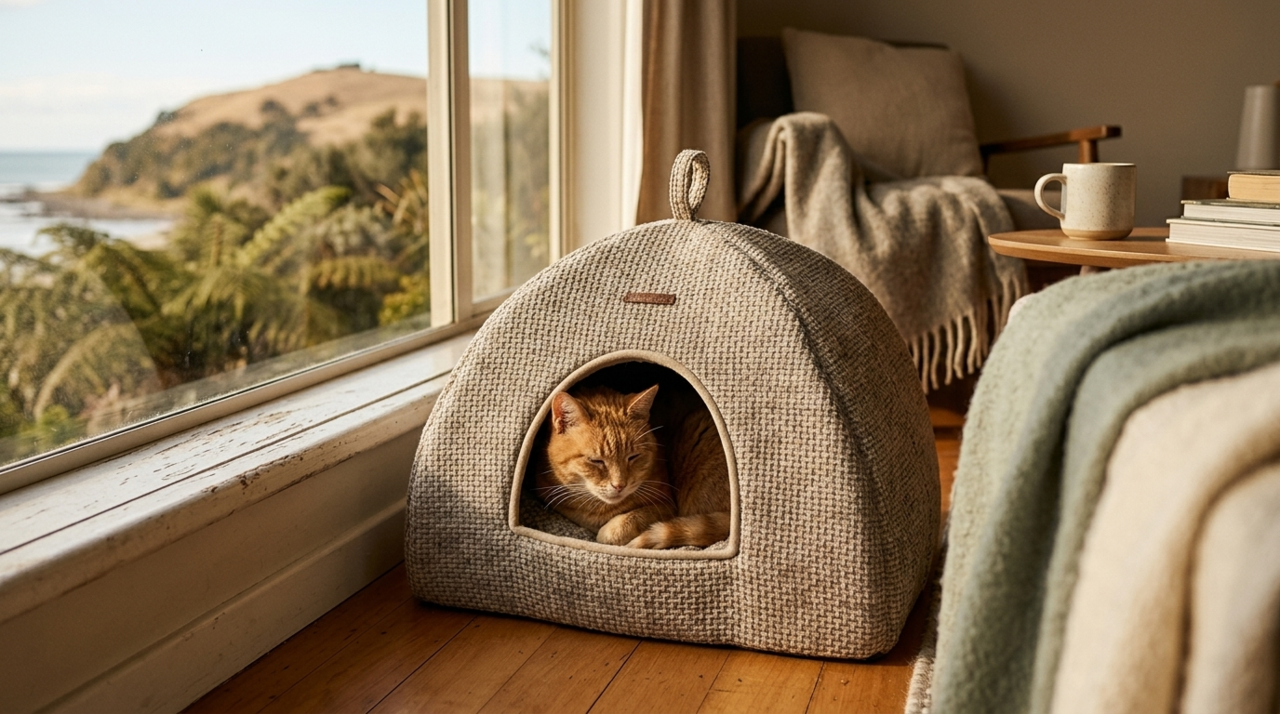
An older cat experiences your house differently to how they did when they were three. Cold floors are colder, jumps are harder, drafts feel sharper, and the spot they used to love sleeping on (the windowsill, the laundry pile, the back of the couch) might not be working for them any more. Setting up a winter-proof home for a senior cat isn't about buying lots of new things. It's about positioning the things they need so they can keep doing what they love with less effort.
Here's a friendly NZ-focused guide to thinking about your home zone by zone, what changes for older cats in winter, and the small adjustments that quietly make a big difference.
Quick answer
A winter-proof home for a senior cat means warmth (raised cave bed in a draft-free spot, ideally near where you spend time), easy access to food and water (low bowls, second water spot, fountain to encourage drinking), an easy-to-use litter tray (low entry, in a quiet warm part of the house), gentle indoor enrichment (low scratchers, perches they can step rather than jump to), and a calm familiar routine. The key change for senior cats is that they need more of what they had before, in more places, with less effort to reach.
Why Senior Cats Need a Different Setup in Winter
Older cats lose heat faster, move more cautiously, and rely on routine more than younger cats. Through a NZ winter, the same home that worked perfectly for a five-year-old can leave a 14-year-old cat working much harder than they used to.
The two big shifts:
- Cold and damp affect them more. Less body fat, lower muscle mass, and a thinner coat as they age all mean a senior cat feels temperature changes sooner. Cold tile, damp drafts and cool flooring become real comfort issues.
- Joints are stiffer. Most cats over 11 have some joint change. The places they used to leap up to, the litter tray with the high lip, the food bowl up on the bench, all become a bit harder. They won't usually complain. They'll just stop using those spots.
If you've read our Cold Weather and Senior Cats guide on what to watch for, this blog is the practical "what to do at home" companion.
Zone 1: The Sleeping Zone
This is the single biggest difference you can make. Most senior cats sleep around 16 hours a day, so where they sleep affects the other eight hours too.
What works best
- A cave-style or covered bed in the warmest part of the house. The covered shape holds warmth around the body and feels safe.
- Off the cold floor: even a low platform or layered blanket lifts the bed enough to make a real difference.
- Away from drafts. Walk the room with the back of your hand near skirting boards and under doors. If you feel a draft, move the bed.
- Two beds, ideally. One in the room you spend the most time in (so they don't have to choose between staying near you and lying somewhere warm), and one in a quieter retreat space.
- A blanket layered over the top adds insulation. Calming-style fleece blankets work well.
Zone 2: The Food and Water Zone
Cold weather quietly changes how much older cats eat and drink. Cold food smells less appealing, cold water from a still bowl isn't inviting, and walking across cold floors to reach either feels like more effort.
What works best
- Move bowls onto a warm surface if they're currently on tile or polished wood. Even a small mat under the bowls makes the spot more inviting.
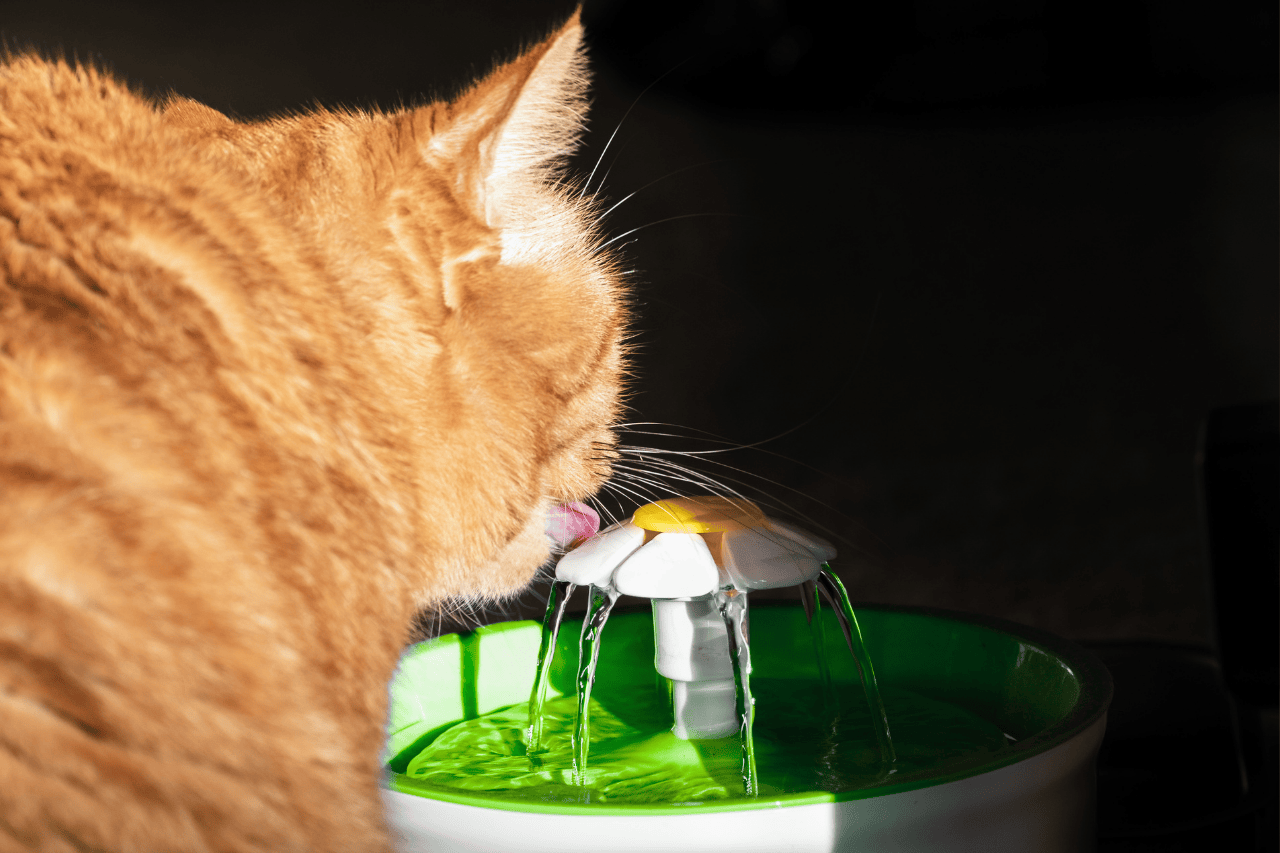
- A water fountain is one of the most reliable ways to lift water intake in winter. Moving water is more inviting and many older cats happily drink from one once they get used to it.
- Two water spots: one near food, one closer to a sleeping spot. Senior cats often want a drink without having to walk far.
- Wet food at room temperature for at least one meal a day. Cold straight-from-the-fridge food is much less appealing.
- Wide shallow bowls for whisker comfort. A bowl narrow enough that the whiskers brush the sides is something older cats notice.
The dedicated guide Why Hydration Is Critical for Senior Cats goes deeper on the drinking side.
Zone 3: The Litter Tray Zone
Senior cats stop using the litter tray for two main reasons in winter: it's too cold to walk to, or it's too hard to get into. Solving both is straightforward once you know to look for them.
What works best
- Low-entry tray. The tray a cat could step into easily at five years old can be a real obstacle at fourteen. Low-sided trays let arthritic cats walk in rather than climb in.
- Tray in a warm part of the house. A laundry on a cold concrete floor feels very different to an older cat than to a younger one. If you can move the tray to a warmer corner without disrupting their routine too much, do.
- An extra tray on each level if you have a multi-storey house. Senior cats shouldn't have to make a journey through cold rooms or down stairs to use the tray.
- Hooded or covered tray if your cat values privacy, but make sure the entry is still easy. Some senior cats prefer a high-sided open tray to a hooded one because the entry is simpler.
- Soft fine-grain litter can be more comfortable on older paws than coarse pellets.
If your senior cat has had any litter tray accidents, our blog Litter Box Accidents in Older Cats covers the medical reasons worth checking too.
Zone 4: The Perching and Scratching Zone
Senior cats still want to scratch, climb a little, and have somewhere up off the floor to watch the world from. They just need it lower and easier than they used to.
What works best
- Low, horizontal scratchers rather than tall vertical posts. Cardboard scratchers laid flat let older cats stretch out without having to rear up.
- A low cat tree or perch next to a sunny window. The middle level of a cat tree (rather than the top) is often where senior cats settle.
- Step-friendly access to favourite higher spots. A footstool or pet steps next to the couch saves their joints and means they don't lose access to a spot they love.
- Sunny window perch on the warmest side of the house in winter. Even a cushion on the windowsill counts.
Zone 5: The Calm Zone
Winter often means more time indoors and less outdoor adventure. For senior cats who used to spend hours outside, that's a real change. A calmer indoor environment helps them settle.
What works best
- A pheromone diffuser in the main living area. It's not a cure for stress, but it's a quiet, steady support that helps anxious cats feel more settled in a busier or warmer indoor space.
- Predictable routine. Same meal times, same handling style, same household rhythm. Older cats really like predictability, and routine becomes more important when their world has shrunk.
- A retreat spot you don't disturb. One quiet bed in a low-traffic room (under the bed, in a wardrobe corner) where they know they can go when the house is busy.
- Joint support if stiffness is showing. A daily joint supplement supports older cats over time. Give every day for at least 4 to 6 weeks before judging.
For more on signs that joint support might be worth adding, our Joint Care for Senior Cats guide goes deeper.
The Quick Winter-Proofing Checklist
Walk through your house with this list
- Cave or covered bed in a warm, draft-free spot near where you spend time
- Second bed in a quieter retreat space
- Beds raised off cold floors, with a blanket on top for extra insulation
- No bowls left on cold tile or polished wood, mat or warm surface underneath
- Water fountain or at least two water spots on different routes
- One wet food meal at room temperature each day
- Litter tray with low entry, in a warm part of the house
- Extra tray on each level if you have stairs
- Low horizontal scratcher within reach of a favourite resting spot
- Footstool or pet steps next to the couch or bed they love
- Pheromone diffuser in the main living area if anxious or unsettled
- Joint supplement daily if stiffness is showing
- Predictable routine, same times, same handling, same household rhythm
You don't need to tick all of these. Even three or four changes will make winter noticeably easier for an older cat.
Frequently Asked Questions
Does my senior cat actually need a special bed for winter?
Not a "special" one, but a warm, covered, off-the-floor bed in the right spot makes a real difference for most older cats. If they currently sleep on the bare couch or a thin mat on a cold floor, an upgrade pays back quickly in how comfortable they look during the day.
How warm should the house be for an older cat?
There isn't one number, but most senior cats are most comfortable around 20°C indoors and start looking for extra warmth below 16°C. The clearer signal is usually behavioural, where they sleep, how they move, whether they want to go outside. If they're spending all their time near the heater or under blankets, take that as the answer.
Should I let my senior cat outside in winter?
That's a personal call based on your cat's habits and your area, but most senior cats benefit from being out less in cold and wet weather. An indoor litter tray makes that much easier. If they do go out, make sure there's an easy, warm, dry route back in.
Is heated bedding safe for older cats?
An ordinary insulated bed in a warm spot is generally a better starting point than electric heated bedding. Cats that can't easily move away from heat can overheat, and older cats are more vulnerable to that. If you do use any heating product, choose one designed for pets, with a low setting, and let your cat decide whether to use it.
My senior cat keeps sleeping on the bathmat. Should I worry?
Probably not, they've found a spot that's warm and slightly raised off cold tile. The hint to take from it is that the rest of the house might not have an obvious warm-and-soft spot for them. Adding a covered bed nearby usually shifts them.
How do I know if I need to add a second litter tray?
If you have stairs, multiple levels, or a long route from where your cat sleeps to where the tray is, a second tray is worth trying. The general guidance is one tray per cat plus one extra, and that goes double for senior cats whose journey to the tray needs to be short and easy.
What's the easiest single change I can make this winter?
For most older cats, a covered cave bed in the room you spend the most time in, paired with a water fountain, makes the biggest day-to-day difference for the smallest effort.
What if my senior cat keeps hiding in the new winter setup?
Some hiding is normal in older cats, especially in winter. If it's new or feels excessive, our blog Hiding More Than Usual? What Your Senior Cat May Be Telling You goes through what hiding can mean and when to get it checked.
Senior Cat Winter Essentials
Find covered beds, water fountains, low-entry litter trays, scratchers and senior cat support in one place. Save with Autodeliver on food and supplements, and enjoy everyday member pricing as part of Pet Perks.
SHOP THE WINTER HUBRelated Reading
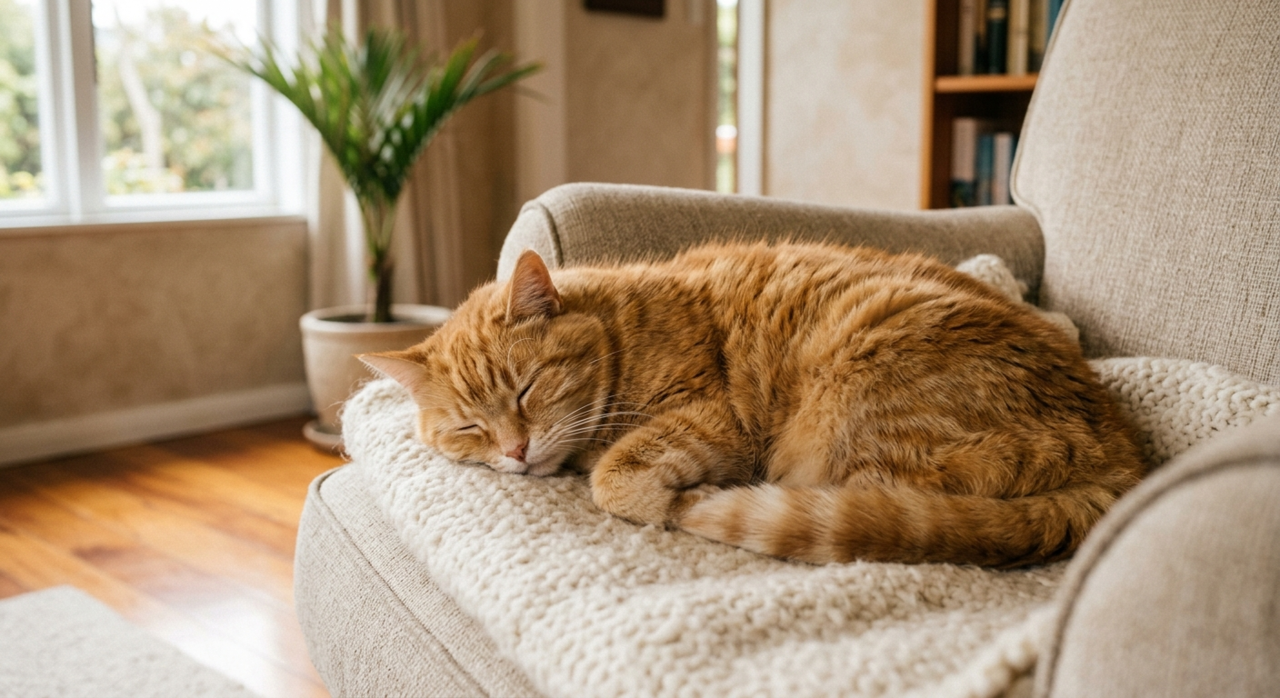
Cold Weather and Senior Cats: Health Risks to Watch For
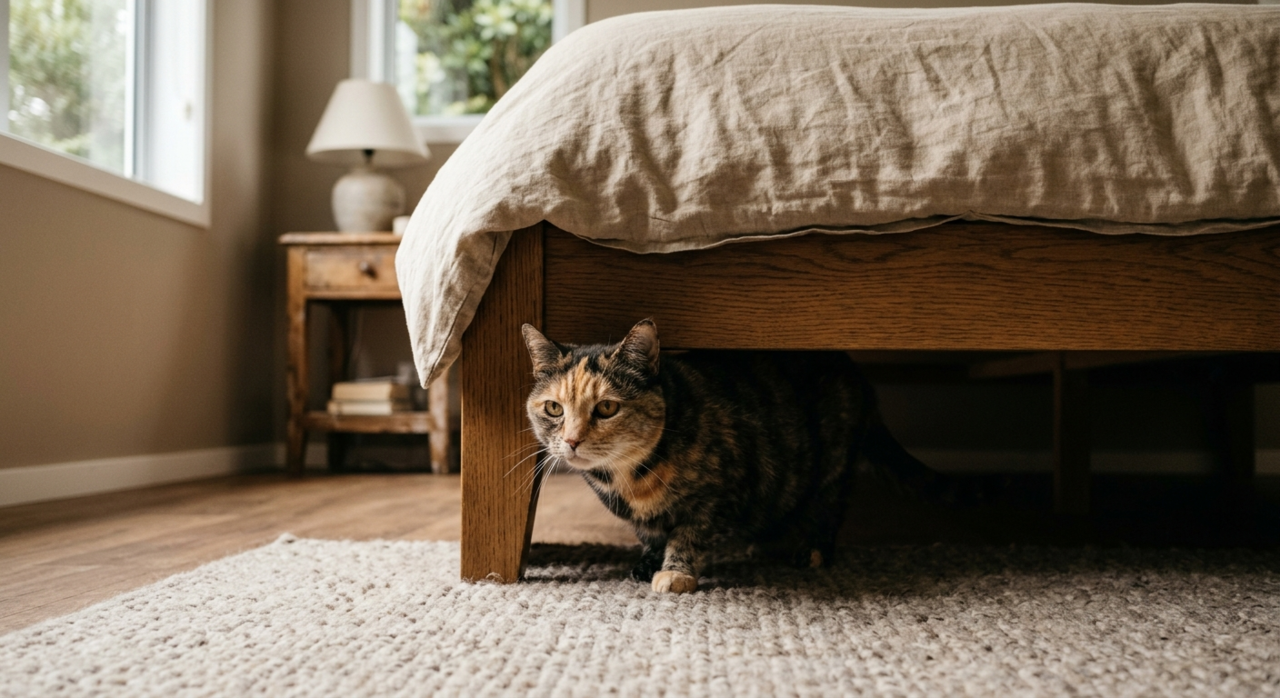
Hiding More Than Usual? What Your Senior Cat May Be Telling You
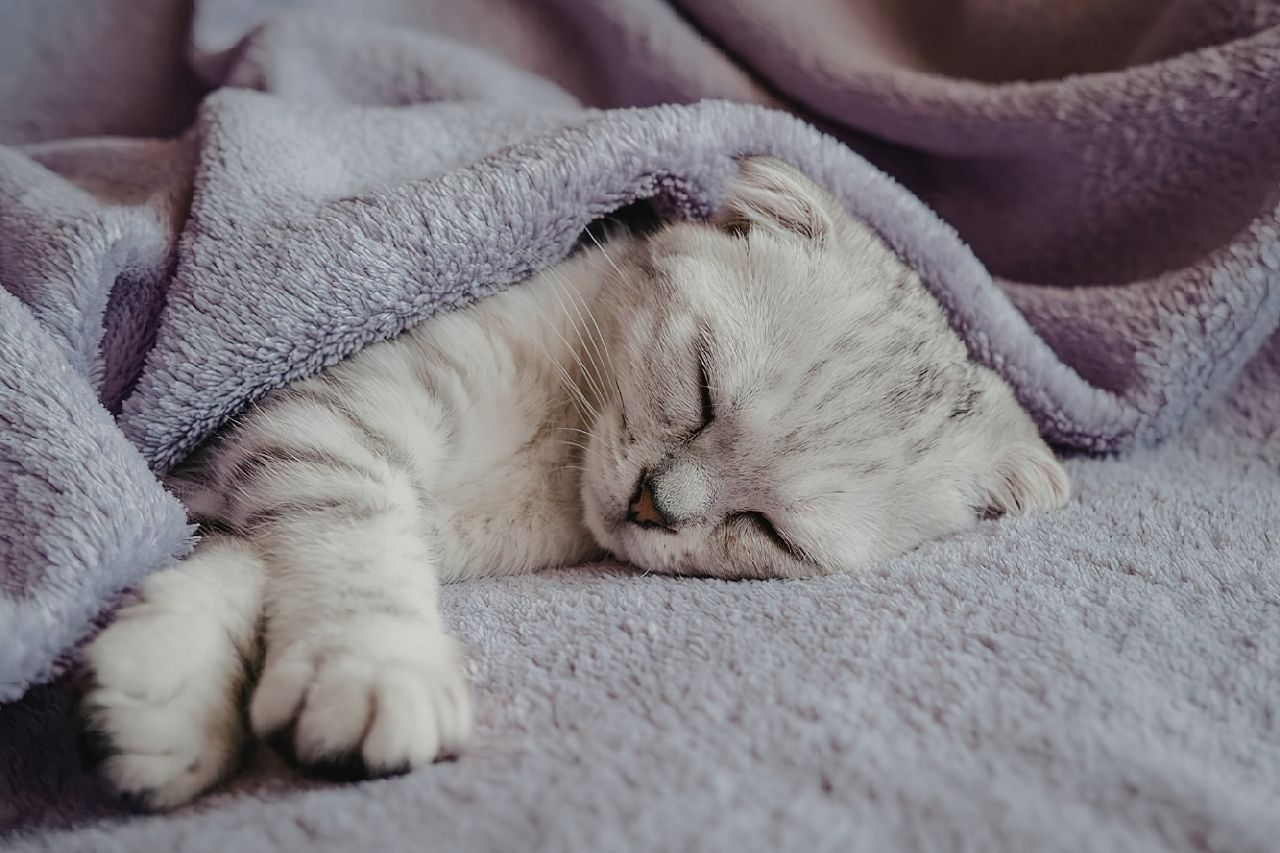
Joint Care for Senior Cats: Supplements and Support Options
Why Hydration Is Critical for Senior Cats
Best Food for Senior Cats in New Zealand
Keeping Your Senior Cat Comfortable This Autumn