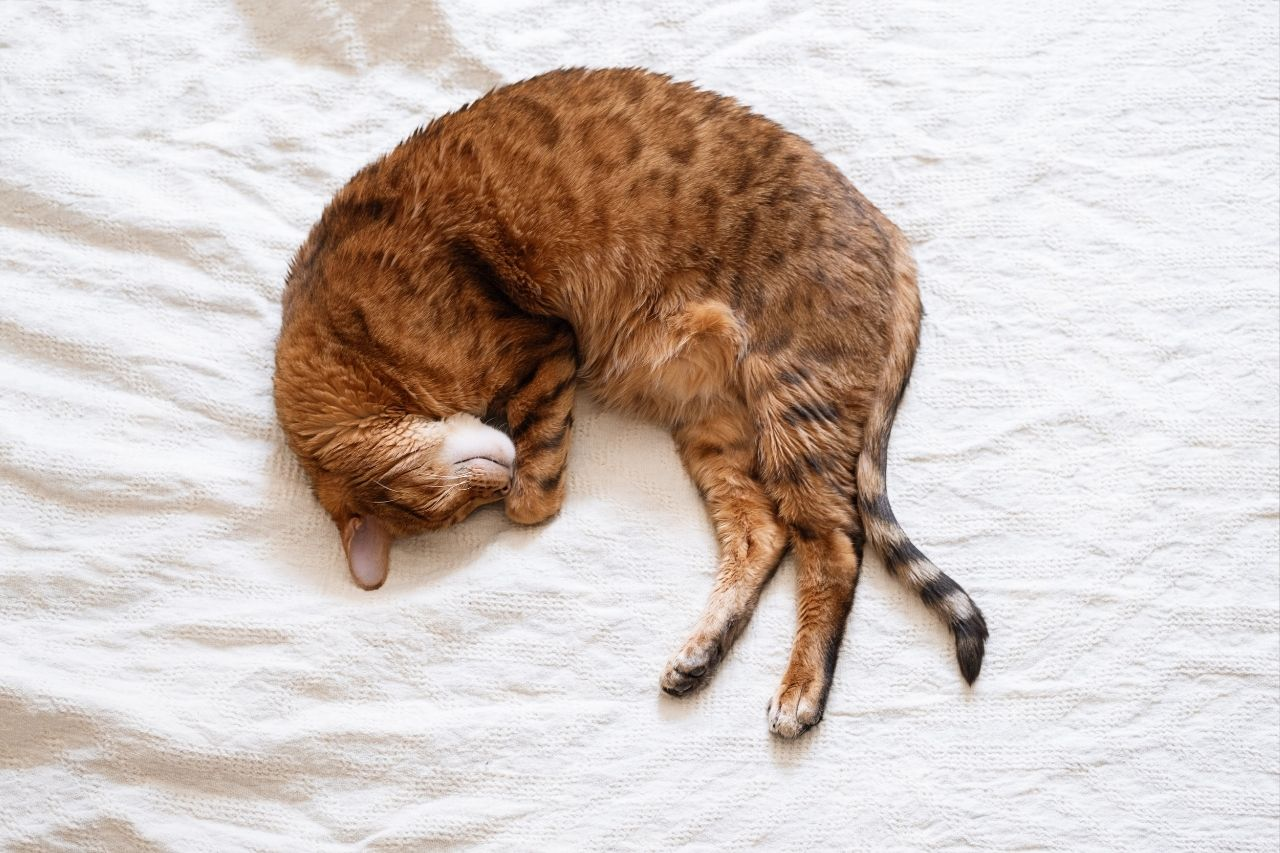
As the days get shorter and the temperature drops, your senior cat will start feeling the change of season more than they used to. Cooler mornings, damp weather, and less daylight can all affect an older cat's comfort, mobility, and mood. Cats that once spent autumn afternoons lounging in the garden may now prefer to stay curled up inside, and indoor cats may seek out warmer spots around the house.
The good news is that a few simple adjustments can make a real difference to how your senior cat feels this autumn. From keeping their joints comfortable to making sure they are eating and drinking well, this guide covers everything you need to know.
Why Autumn Hits Senior Cats Harder
Older cats are more sensitive to changes in temperature and daylight than younger cats. Here is why autumn can be a tricky time for them.
Stiff joints feel worse in the cold
Cooler weather can make arthritis and joint stiffness more noticeable. You might see your cat moving more slowly in the mornings, hesitating before jumping, or spending more time resting. For more on this, see our guide to caring for your pet's joints in winter.
Less daylight affects energy levels
Shorter days can make cats sleepier and less active. While senior cats naturally sleep more, a noticeable drop in energy or engagement during autumn is worth keeping an eye on.
Appetite and hydration can change
Some cats eat more in cooler weather as their body works harder to stay warm. Others may drink less, which can be a concern for older cats already at risk of kidney issues. See our hydration tips for senior cats and dogs.
Keeping Your Senior Cat Warm and Cosy
Warmth is one of the most important things you can provide for an older cat during autumn. A warm, comfortable resting spot helps ease stiff joints and keeps your cat feeling settled.
Choose the right bed
A calming bed with raised, padded edges gives your cat a sense of security and helps trap warmth. Place it in a draught-free spot away from doors and windows. If your cat has a favourite sunny spot during the day, move their bed there to make the most of any natural warmth.
Add a blanket
A soft calming blanket layered over or inside their bed adds extra warmth on cooler nights. Some cats also enjoy kneading and nesting into a blanket before settling down.
Consider a cave or enclosed bed
Enclosed beds and cat caves retain heat better than open beds and give your cat a cosy, den-like space to retreat to. These are especially good for cats that like to tuck themselves away.
Keep the house warm
If you are out during the day, make sure the house stays at a comfortable temperature. A heat pump on a low setting or a warm room with the door left open gives your cat somewhere comfortable to rest while you are away.
Calming beds from Pup & Purr, Coco & Cooper, and Brooklands are popular choices for senior cats. The Trouble & Trix Cat Cave and M-PETS Donut Tunnel are great enclosed options for cats that prefer to snuggle in.
Supporting Joints Through the Cooler Months
If your cat has arthritis or is showing signs of stiffness, autumn is a good time to review their joint support routine. Cooler temperatures can make existing joint issues feel worse, so a little extra care goes a long way.
Start or continue a joint supplement
Joint supplements containing green-lipped mussel, glucosamine, or plant-based ingredients like Epiitalis can help maintain cartilage health and reduce stiffness. They work best when given consistently over time. See our full guide to joint care for senior cats.
Make movement easier
Place pet steps or ramps near the bed, couch, and favourite windowsills so your cat does not have to jump. A low-sided litter tray is also easier for stiff joints to step into.
Encourage gentle activity
Short, gentle play sessions help keep joints flexible and muscles strong. A wand toy or a slow-rolling ball for a few minutes each day is enough to make a difference without overdoing it. For more ideas, see our senior cat activity guide.
Nutrition and Hydration in Autumn
As the weather cools, it is worth checking that your cat's diet is still meeting their needs.
Review their food
If your cat is less active in autumn, they may need slightly fewer calories to avoid weight gain. On the other hand, outdoor cats that are still braving the cooler weather may need a bit more energy from their food. A senior-specific formula from brands like Hill's Science Diet, Royal Canin, or Black Hawk provides the right balance of nutrients for an ageing cat. For help choosing, see our guide to the best senior cat food in NZ.
Keep them hydrated
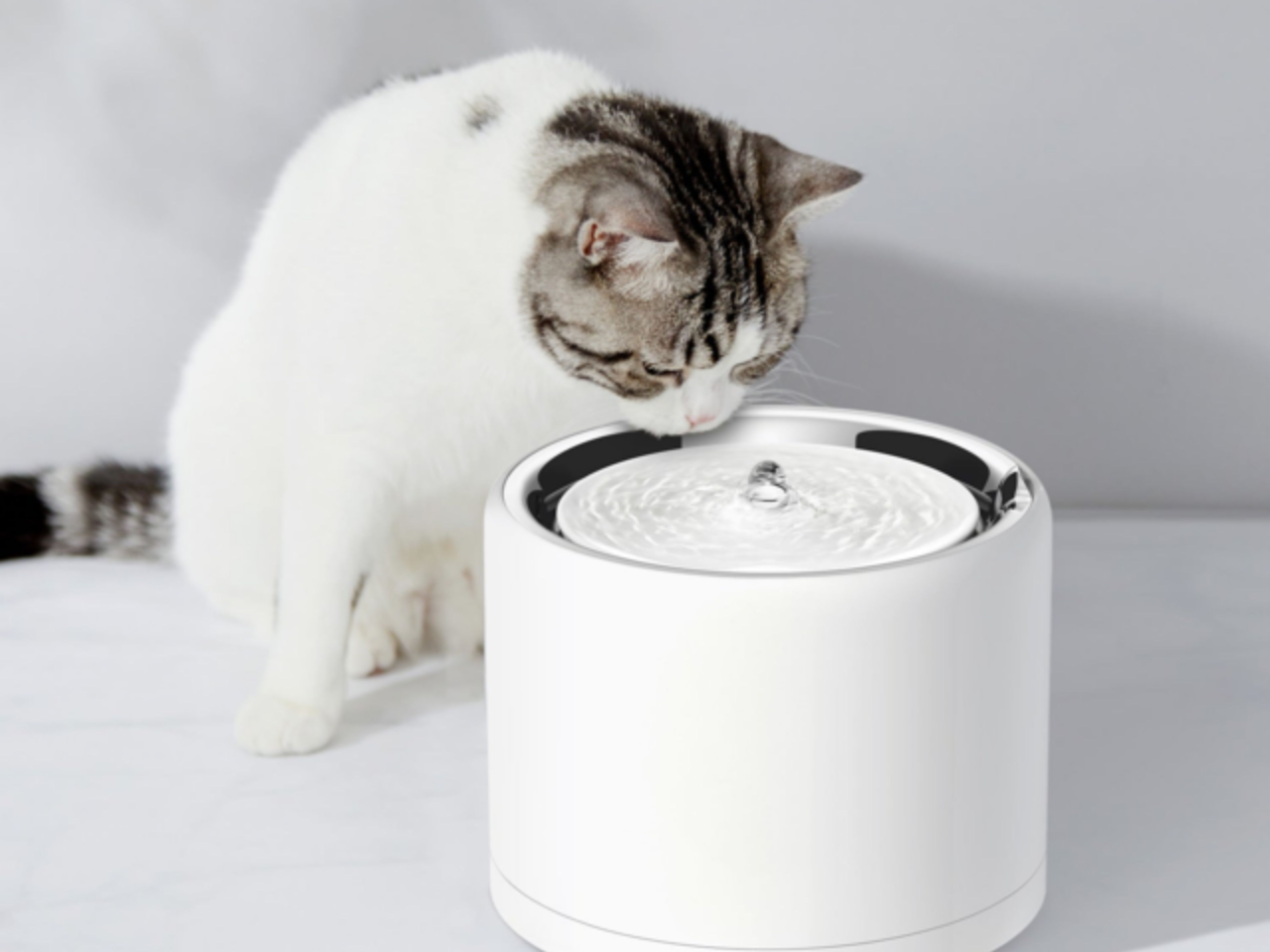
Cats often drink less in cooler weather, but hydration is just as important in autumn as it is in summer. Adding wet food to their diet is one of the easiest ways to boost their water intake. A water fountain can also encourage drinking by keeping the water fresh and moving.
A Feliway diffuser can help if your cat seems unsettled by the change of season, and keeping up with flea protection from NexGard is important year-round, even as the weather cools.
Your Autumn Senior Cat Checklist
A quick checklist to make sure your older cat is set up for a comfortable autumn.
Warmth
Warm bed in a draught-free spot, calming blanket, house kept at a comfortable temperature during the day.
Joints
Joint supplement started or continued, pet steps near favourite spots, low-sided litter tray, gentle daily play.
Nutrition
Senior-appropriate food, portion adjusted for activity level, wet food added for hydration, water fountain available.
Health
Flea treatment up to date, vet check booked for the season, weight monitored, any changes in behaviour noted.
Frequently Asked Questions
Do senior cats feel the cold more?
Yes. Older cats have less muscle mass and a slower metabolism, which makes it harder for them to regulate their body temperature. They are more sensitive to cold and damp weather, especially if they have arthritis or are underweight.
Should I keep my senior cat inside during autumn?
If your cat is showing signs of stiffness, spending more time sleeping, or seems reluctant to go outside, it is a good idea to encourage them to stay indoors more. Make sure they have a warm bed, a litter tray, and plenty of enrichment to keep them comfortable and engaged.
Does my cat need more food in autumn?
It depends on their activity level. Cats that are less active in cooler weather may actually need slightly fewer calories to avoid weight gain. Outdoor cats that are still active may need a bit more. Monitor their weight and adjust portions as needed.
How can I tell if my cat's joints are bothering them?
Common signs include hesitating before jumping, moving stiffly after resting, grooming less in hard-to-reach areas, and being less interested in play. If you notice these changes, a joint supplement and a vet check are good next steps.
Is a heated bed safe for my cat?
Heated pet beds designed for cats are generally safe when used as directed. Look for beds with low, consistent heat and auto-shutoff features. A self-warming bed that reflects your cat's own body heat is another safe option that does not require electricity.
Should I still treat my cat for fleas in autumn?
Yes. Fleas can survive indoors year-round, and the transition between seasons is a common time for infestations to flare up. Year-round flea protection is the safest approach for all cats.
Get Your Senior Cat Ready for Autumn
From cosy beds and calming blankets to joint supplements and senior food, find everything your older cat needs for a comfortable autumn.
SHOP SENIOR CAT FOODRelated Reading
Joint Care for Senior Cats: Supplements and Support Options in NZ
Senior Cat Care: Signs Your Older Cat Needs Extra Support
Hydration Tips for Senior Cats and Dogs
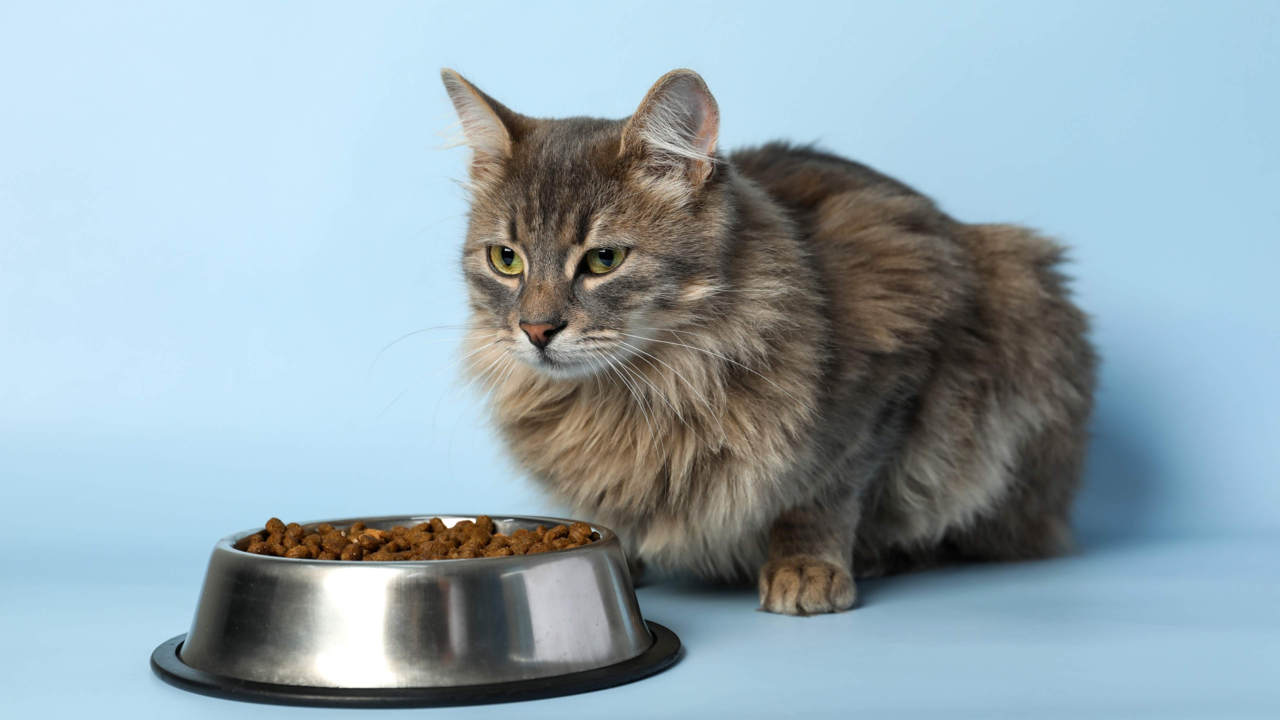
Best Food for Senior Cats in New Zealand
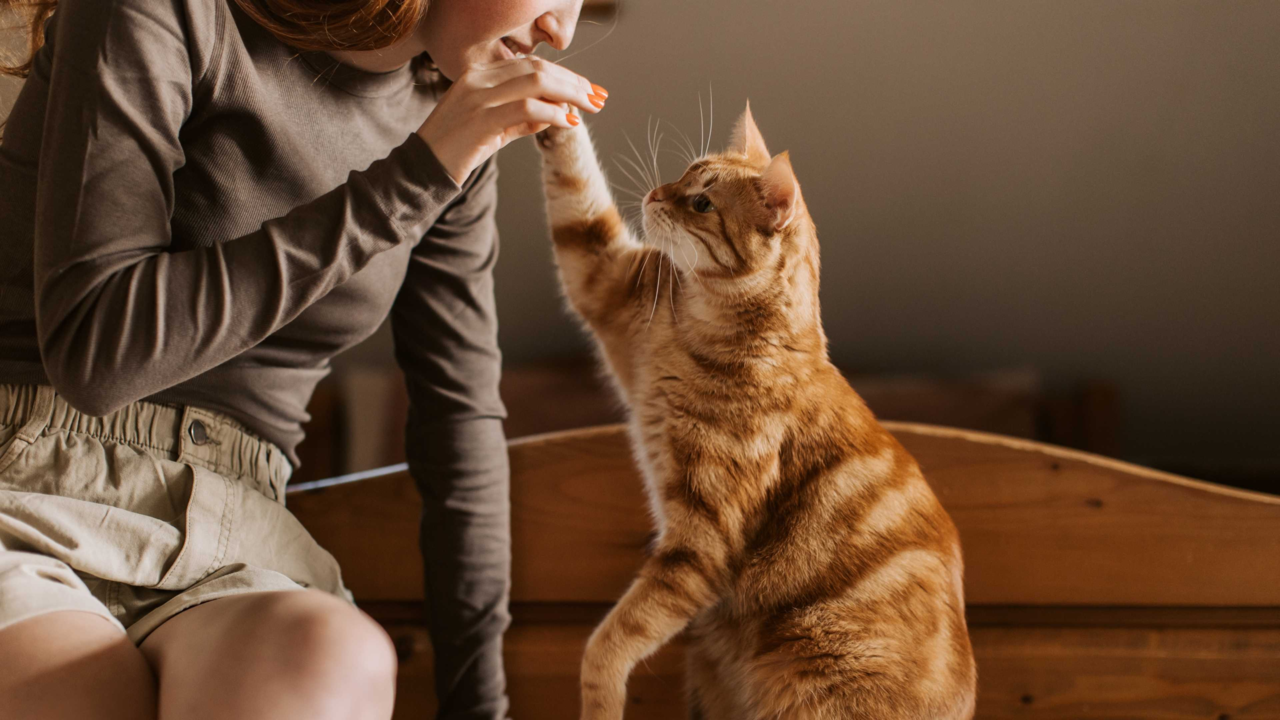
How to Keep Senior Cats Active: Enrichment, Nutrition and Play Tips
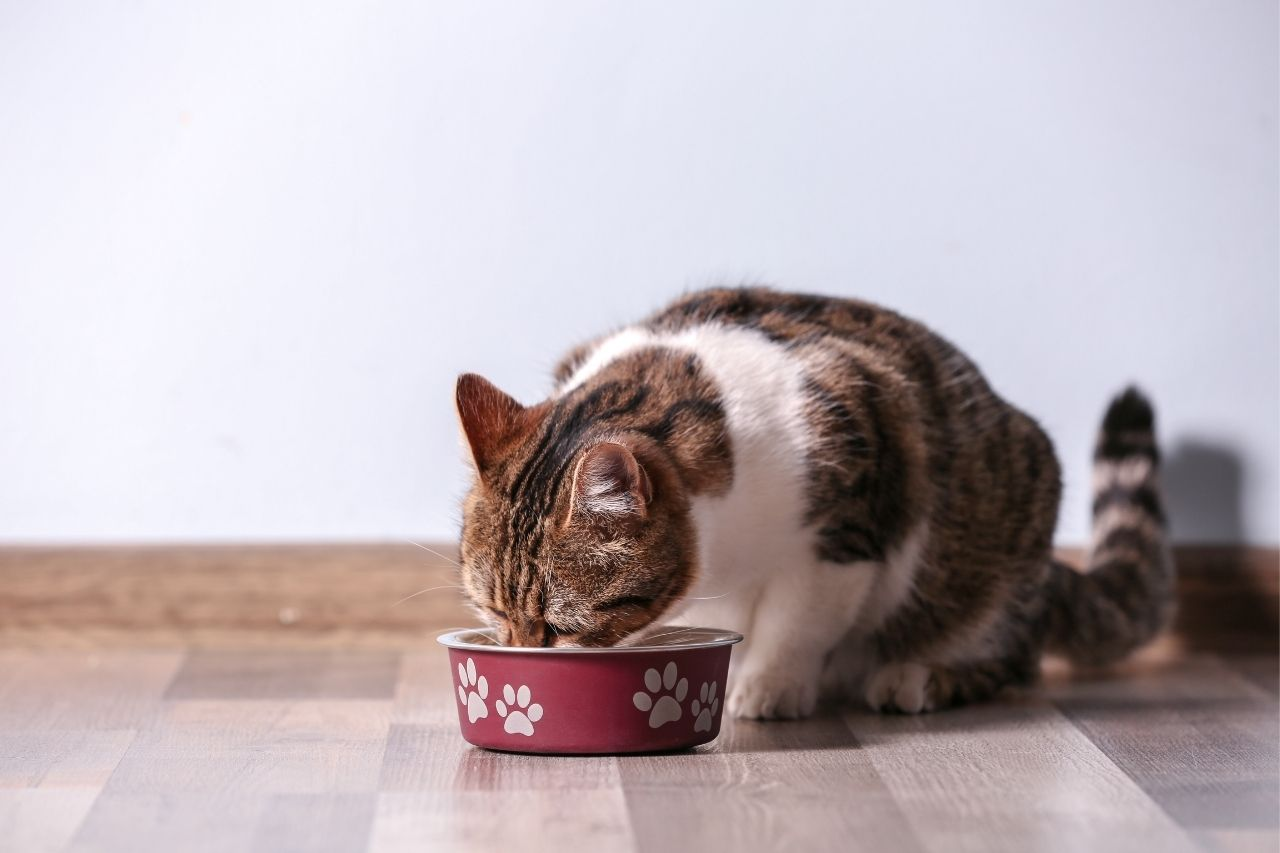
How a Senior Cat's Nutritional Needs Differ From an Adult Cat's