

Skin, coat and allergy care
Weight management
Dental care
Anxiety and calming care

Skin and food sensitivities in dogs and cats
Damaged or irritated skin is a common issue for both cats and dogs, and it can be distressing for you and your pet.
If you notice your pet scratching, licking, biting, or rubbing more than usual, it could be a sign of a skin condition. Paying attention to these behaviours early can help prevent the problem from becoming worse.
Common symptoms of skin problems:
- Red patches, spots or pimples
- Scabs, crusts or thickened or scaly patches
- Excessive itching, scratching, licking, biting or rubbing
- Hair loss or thinning coat
- Sores or open wounds
- Unusual or bad skin odour
Causes of dog skin conditions: environmental allergies
Dogs can develop skin issues from allergens like pollen, mould spores, and dust mites. These often affect the face, ears, paws, tail base, under elbows, and groin, usually showing up between 3 months and
6 years of age.
Because allergies are often lifelong, management is key. This may include:
- Bathing: Use anti-itch shampoo to soothe skin.
- Nutrition: Nourish with food that supports skin health.
- Vet guidance: Consult such as allergy testing or ongoing treatment.

Causes of cat skin conditions: environmental allergies
Cats can also suffer from environmental allergies triggered by pollen, mould, dust mites, and even certain cleaning products. Signs often include scratching, over-grooming, hair loss, or scabs, especially on the head, neck, and belly.
Allergies in cats usually need long-term care, which may involve:
- Reducing exposure to allergens in the home.
- Vet support: Medications or topical treatments prescribed by a vet.
- Dietary support: Nourish with food that promotes healthy skin and coat.

Parasites
Fleas, lice, and mites can cause skin irritation in both cats and dogs. Their bites are itchy and may lead to scratching, licking, or over-grooming that damages the skin. Some pets are “hypersensitive” to parasite bites, meaning even a single flea can cause intense discomfort and visible skin problems.
Infections
Cats and dogs can develop bacterial or fungal skin infections, often linked to allergies, parasites, or open wounds. Cuts or scratches are especially prone to infection, which can result in redness, swelling, discharge, or an unpleasant odour. Veterinary care is important for correct diagnosis and treatment.
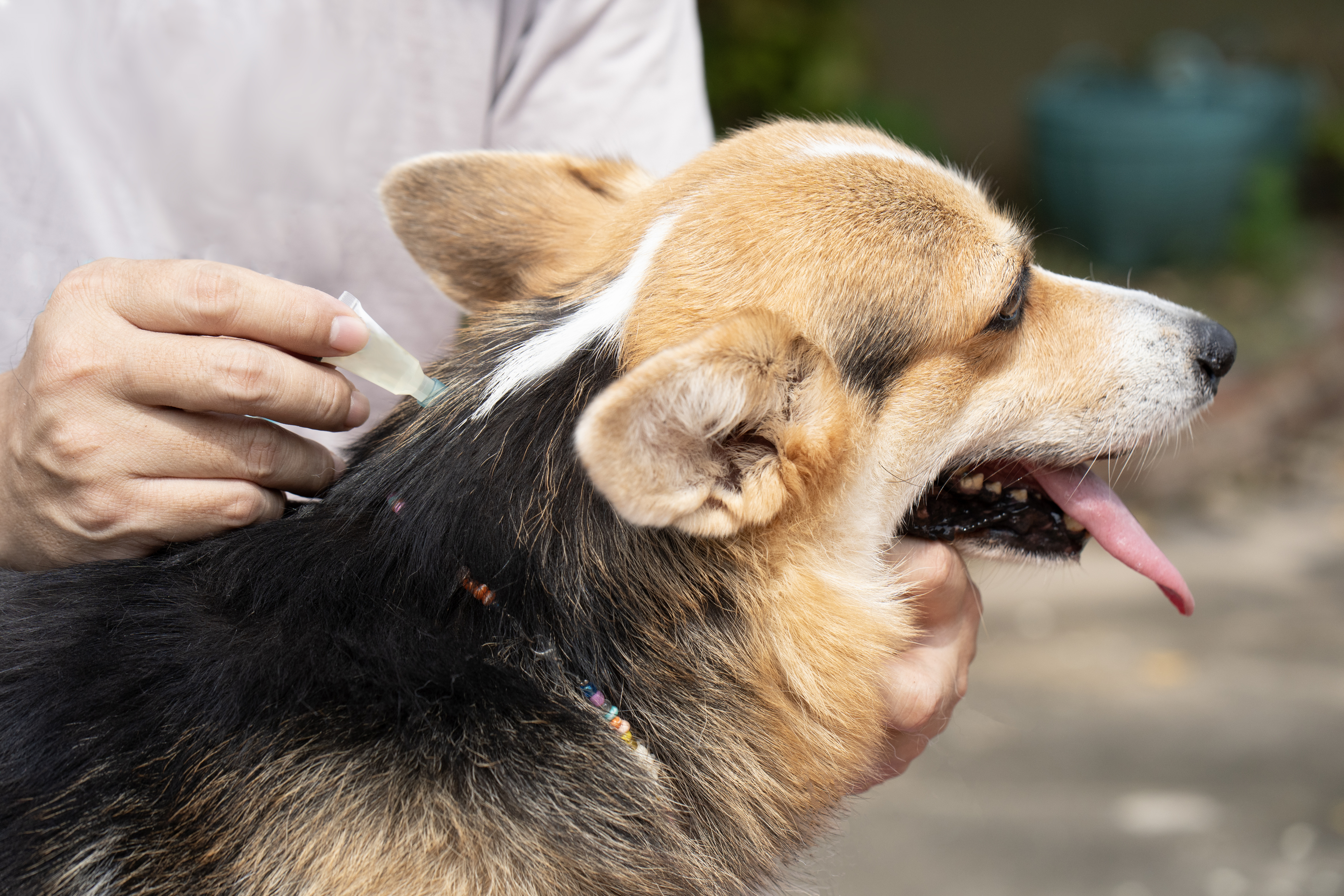
Did you know?
Even if you treat for fleas, your pet can still get worms! Fleas carry tapeworm eggs, and if your cat or dog swallows one while grooming… surprise, worms! That's why worming matters as much as flea control.
Related articles



Weight concerns in dogs and cats
Extra weight can lead to joint strain, reduced energy, and a higher risk of health conditions like diabetes and heart disease.
Keeping pets at a healthy weight helps them stay active, comfortable, and happy for longer.
Common signs of weight problems in dogs and cats:
- Ribs or spine hard to feel under the skin
- Reduced interest in play or exercise
- Difficulty jumping, climbing, or grooming
Causes of dog weight problems: overfeeding and inactivity
Dogs often gain weight when they eat too many calories and get too little exercise. Older dogs burn fewer calories as their metabolism slows, even though they still need daily activity.
Managing dog weight may include:
- Measuring portions rather than free-feeding.
- Feeding low-calorie or prescription weight-loss diets as advised by a vet.
- Regular exercise: walks, playtime, or swimming.
Causes of cat weight problems: lifestyle and feeding habits
Indoor cats tend to burn fewer calories and may graze on food throughout the day. Neutered or older cats are also at
higher risk of weight gain.
Managing cat weight may include:
- Scheduled mealtimes instead of constant food access.
- Interactive play: toys, climbing spaces, and puzzle feeders for exercise.
- Vet advice for a safe weight-loss plan.
Joint and mobility problems
Extra weight places strain on joints and ligaments, making it harder for pets to stay active. Over time, this can lead to arthritis and reduced quality of life.
Diabetes and other health complications
Obesity is linked to diabetes in cats and increases the risk of breathing difficulties, heart problems, and a shorter lifespan in both dogs and cats. Even small amounts of weight loss can help lower these risks.
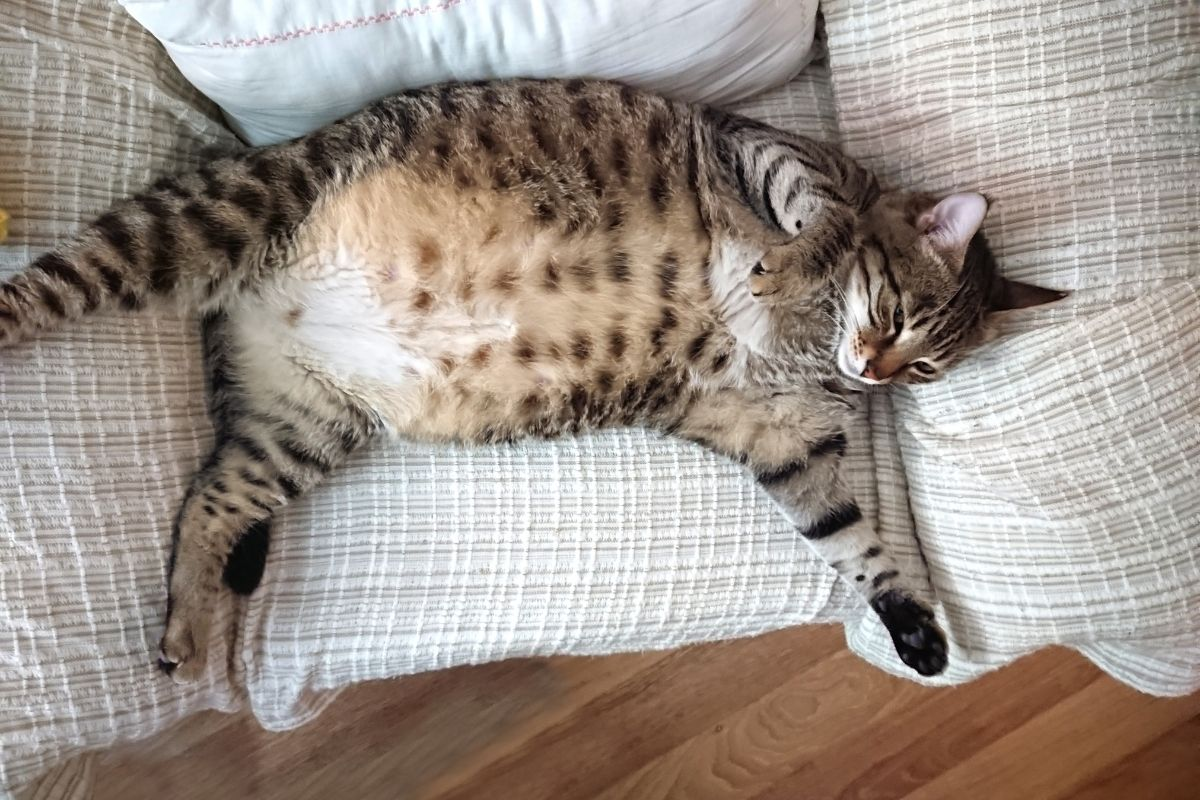
Did you know?
Crash diets are just as bad for pets as they are for people! Slow and steady weight loss, with your vet’s guidance, keeps things safe and healthy.
Related articles


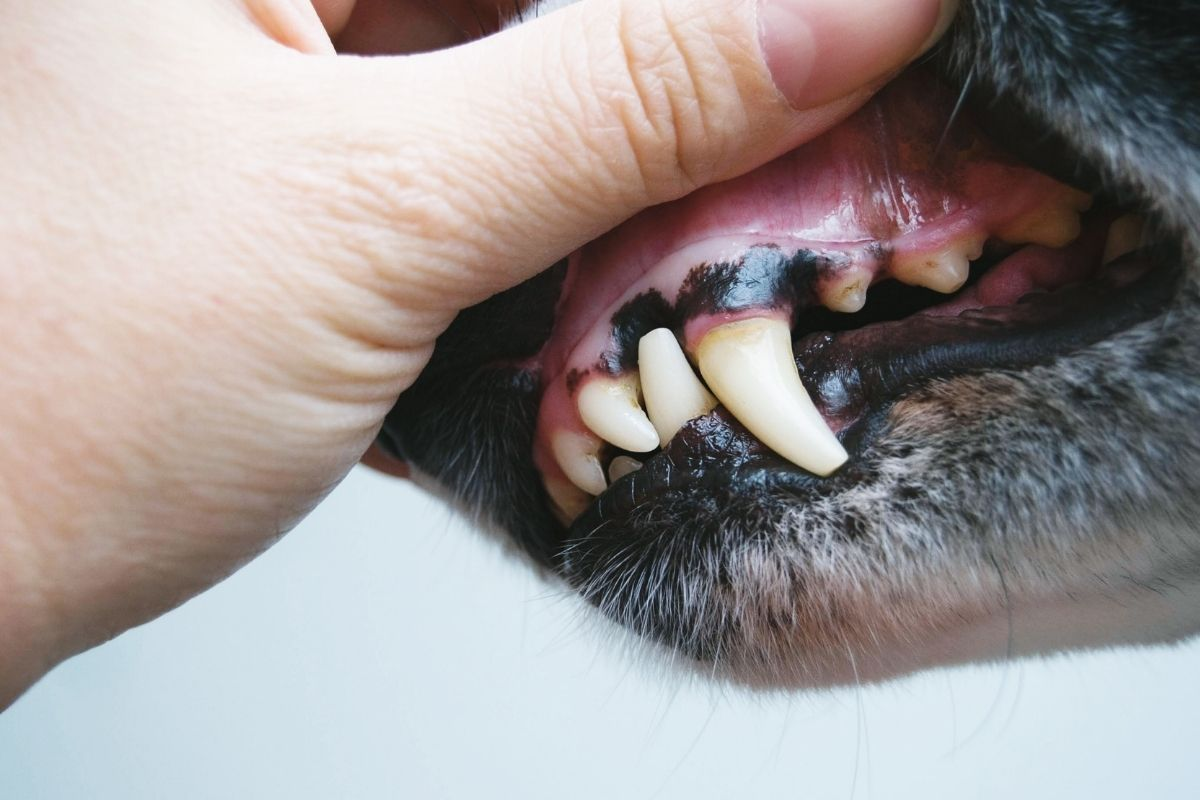
Dental health in dogs and cats
Dental disease is common in pets and can cause pain, bad breath, and tooth loss. It can even affect organs like the heart and kidneys.
Regular care helps keep mouths healthy and pets comfortable.
Common symptoms of dental problems in dogs and cats:
- Bad breath
- Drooling
- Difficulty eating or chewing
- Red, swollen, or bleeding gums
Causes of dog dental problems: Plaque and tartar
build-up
Plaque forms when food and bacteria stick to teeth. If not removed, it hardens into tartar, irritating gums and leading to
infection or tooth loss.
Preventing dental disease in dogs may include:
- Brushing teeth with pet-safe toothpaste.
- Dental chews or toys to help control plaque.
- Professional vet cleanings if needed.
Causes of cat dental problems: Gum disease and tooth resorption
Cats often develop gum inflammation and tooth resorption, where the tooth breaks down below the gumline. These conditions can be very painful but are easy to miss because cats often hide discomfort.
Caring for cat dental health may include:
- Regular vet dental exams.
- Dental diets or treats for oral care.
- Brushing at home if your cat tolerates it.
At-home dental care gaps
Many pets develop dental problems simply because brushing is not part of their routine. Without daily care, plaque quickly hardens into tartar. Products like dental treats, water additives, and pet-safe toothpaste help bridge the gap between vet cleanings and everyday prevention.
Risks of untreated dental disease
When dental disease is left unchecked, bacteria can spread below the gums and into the bloodstream. This can affect organs such as the heart, kidneys, and liver. Professional vet cleanings, dental diets, and regular checks prevent these serious complications.
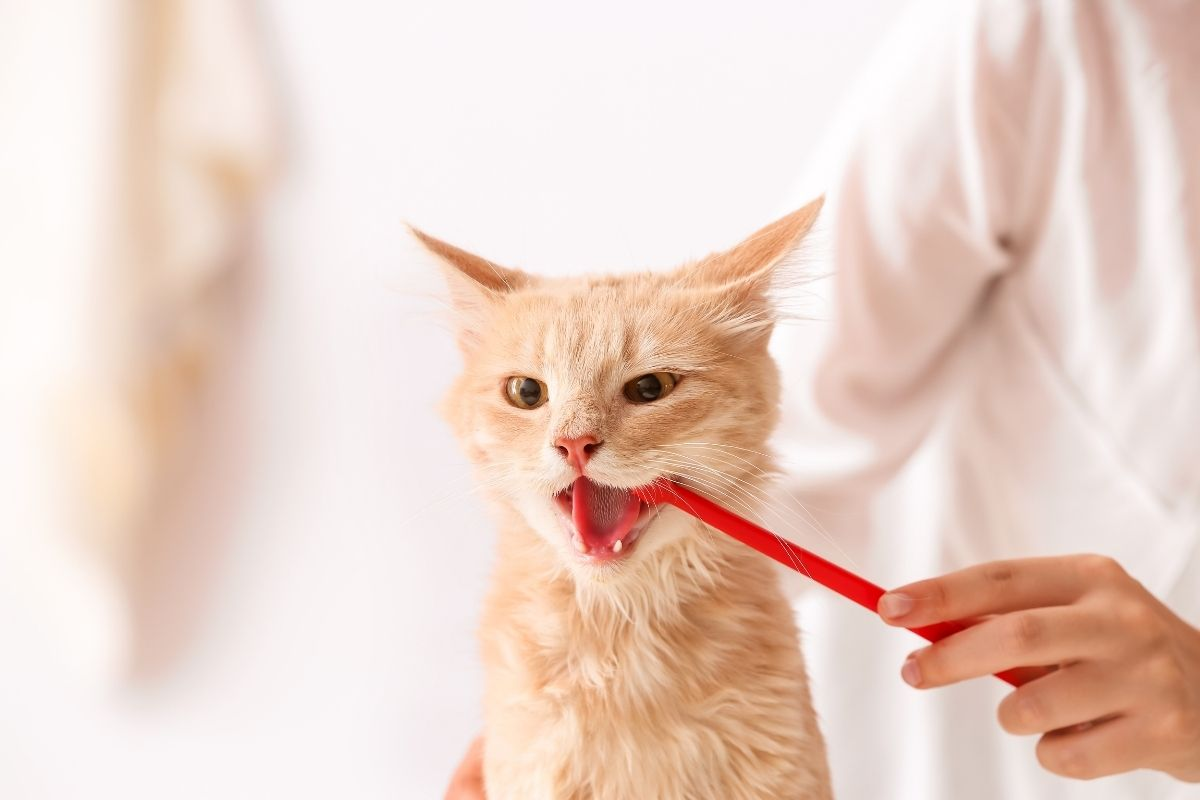
Did you know?
Many pets over three years old already show early signs of dental disease if dental care is not part of their routine.
Related articles



Anxiety in dogs and cats
Anxiety can affect pets in many ways, from hiding or shaking to chewing the furniture. It can be caused by loud noises, changes in routine, or being left alone.
Calming care helps pets feel secure and comfortable.
Common signs of anxiety in dogs and cats:
- Hiding, trembling, or pacing
- Excessive barking or meowing
- Chewing, scratching, or destructive behaviour
Causes of dog anxiety: Separation, noise, and change
Dogs may become anxious when left alone, during storms or fireworks, or when their routine changes. Some dogs are naturally more sensitive to stress than others.
Helping anxious dogs may include:
- Training to build independence and confidence.
- Calming aids like pheromone diffusers or anxiety wraps.
- Creating safe, quiet resting spaces.
Causes of cat anxiety: Territory stress and household changes
Cats thrive on routine and feel safest when their territory stays the
same. New pets, visitors, or moving house can make cats
anxious.
Helping anxious cats may include:
- Predictable feeding and play routines.
- Providing hiding spots, high perches, or safe rooms.
- Vet-recommended calming sprays or supplements.
Environmental triggers
Many pets become anxious due to unpredictable events like fireworks, thunderstorms, or noisy construction near home. Products like calming diffusers, wraps, and natural calming treats can help pets stay relaxed when life gets loud.
Ongoing stress and behaviour support
Some pets experience chronic anxiety that affects their health and wellbeing. Behaviour training, safe retreat areas, and vet-guided therapies — including calming diets or supplements — can provide long-term relief.