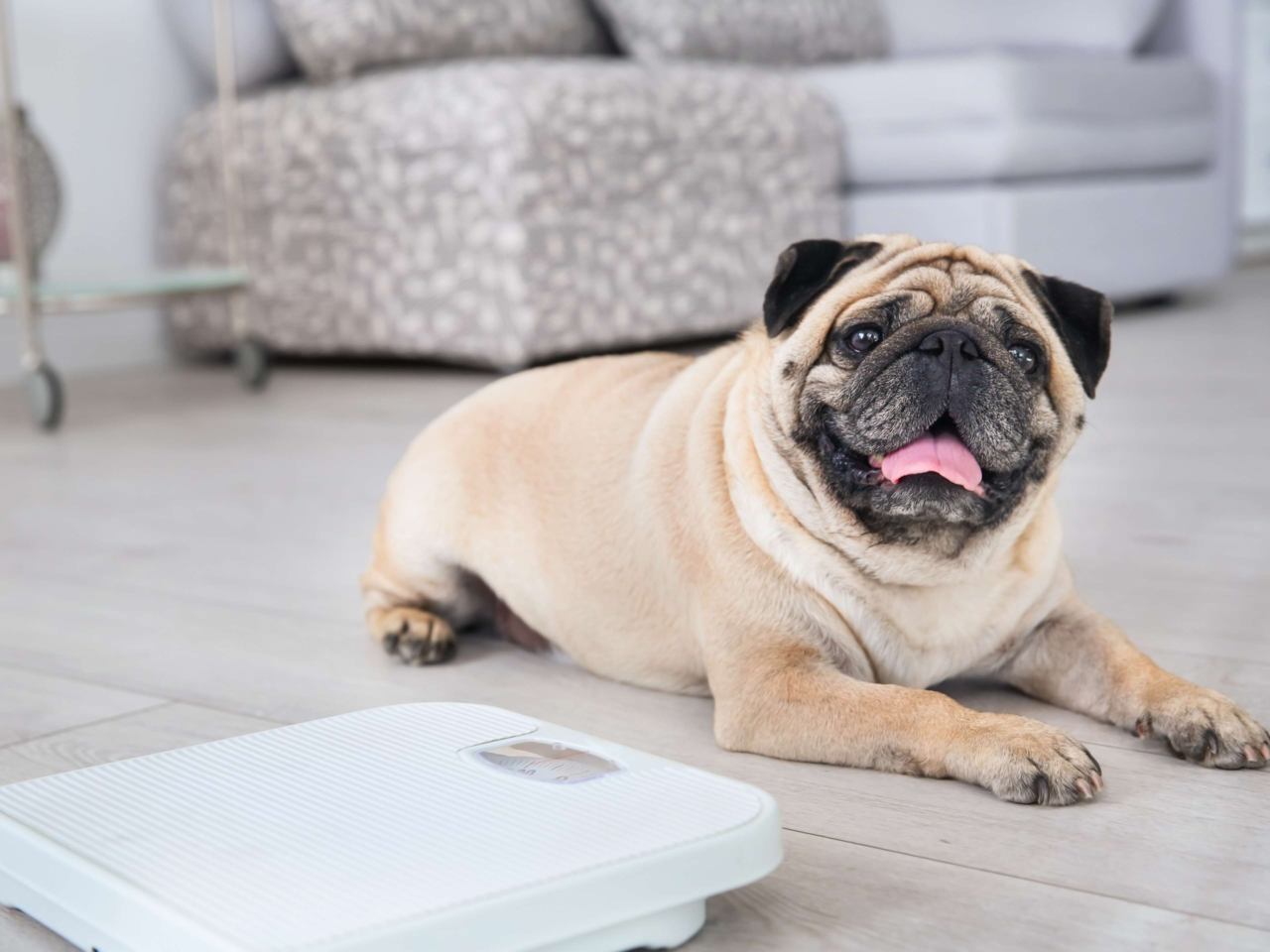
As pet parents, we want our furry friends to live long, happy, tail-wagging (or purring) lives. One way we can help is by keeping their weight in a healthy range. But unlike us, pets can’t step on the scales themselves or tell us when something feels off. So, how can you tell if your dog or cat is overweight?
In this guide, we’ll cover the telltale signs of excess weight in dogs and cats, why it matters, and practical ways to help get them back to their best. Because at Petdirect, We Get Pet, and we’re here to support every step of your pet’s health journey — no paw left behind!
Why A Healthy Weight Matters For Pets
Keeping your pet at a healthy weight is about much more than appearances. Extra weight can lead to serious health issues including diabetes, joint stress, arthritis, heart problems, and decreased lifespan. In New Zealand, vets report seeing increasing numbers of overweight pets — so you’re not alone if you’re facing this with your beloved companion.
Carrying even just 10% over their ideal body weight can impact your pet’s mobility and wellbeing. That’s why weight checks matter, especially if your pet is on the cuddly side. Regular monitoring helps identify issues early, giving you time to adjust food, exercise, or routine before bigger health issues emerge.
How To Tell If Your Dog Or Cat Is Overweight
Not sure what the ideal weight looks like for your pet? Here are three quick ways to check:
- Look from above: When viewed from above, your pet should have an hourglass shape. If their sides curve out or they look more oval, they could be carrying extra bulk.
- Feel their ribs: You should be able to feel but not see your pet’s ribs with a gentle run of your fingers. If you need to press in to find them, that’s a red flag for excess fat.
- Check for a waistline: When looking from the side, your pet should have a noticeable tuck behind their ribs. A flat or bulging waistline can indicate overweight or obesity.
These signs apply to both dogs and cats, but some breeds have unique builds — think stocky Bulldogs or fluffy Persians. If in doubt, consult your vet for an ideal weight range specific to your pet’s breed and age.
Common Causes Of Weight Gain In Pets
While treat spoiling may be part of the fun, too many calories and not enough movement can quickly tip the scales. Here are a few things that often contribute to pet weight gain:
- Free feeding: Leaving kibble in the bowl all day can lead to overeating. Try smart feeders to portion meals.
- Too many treats: Even healthy treats can add up fast. Explore our range of nutritious treats made with quality ingredients.
- Low activity levels: Indoor cats and senior dogs may not burn as much energy, leading to extra kilos over time.
- Medical conditions: Thyroid issues, arthritis, or medications could play a role. Always check with your vet if weight changes seem sudden or unexplained.
Weight Management Tips For Your Pet
If you’ve noticed signs that your dog or cat may be overweight, don’t worry — small changes can make a big difference. Here are some pet-friendly ways to help them reach their healthiest weight:
- Tailored diet: Switch to weight management pet food designed to support healthy metabolism. Options include Hill's Prescription Diet and Royal Canin Vet.
- Portion control: Measure meals and avoid second servings. Use a smart feeder to keep things consistent.
- Fun movement: Get tails wagging with playtime toys or go for daily walks. Cats love interactive toys and dogs enjoy fetch toys to burn energy safely.
- Weight supplements: Consider natural pet supplements that support digestion, mobility, or metabolism — especially for older pets.
When To Consult Your Vet
If your pet is significantly overweight, losing weight too quickly, or showing signs like fatigue, laboured breathing, or pain when moving, it’s time to see your trusted vet. They can recommend safe plans tailored to your pet’s needs, including a check of any underlying conditions that might be contributing to weight gain.
It’s important to make changes gradually — crash "diets" aren’t safe for pets, and especially not for cats, who are prone to liver issues if they lose weight too quickly.
We’re Here To Help You Every Step Of The Way
We know how much our cats and dogs mean to you — because we’re pet lovers too. At Petdirect, our expert team can help you find the best weight management solutions, from food and feeders to toys and supplements. Thanks to our Pet Perks loyalty programme keeping your pet healthy comes with even more tail-wagging bonuses.
Ready to support your pet's journey to better health? Explore our range of weight control essentials — because a healthy pet is a happy pet!