
Arthritis and joint stiffness are far more common in cats than most owners realise. Studies suggest that up to 90% of cats over 12 years of age have some degree of degenerative joint disease. The challenge is that cats are experts at hiding pain, so joint issues often go unnoticed until they are well advanced.
The good news is that there are effective supplements and support options available in New Zealand that can help keep your senior cat comfortable, mobile, and enjoying life. This guide covers how to spot joint issues in cats, the key ingredients to look for in a supplement, and the best options available at Petdirect.
Signs Your Cat May Have Joint Issues
Cats rarely limp or cry out in pain the way dogs do. Instead, they make subtle changes to their behaviour. Watch for these signs.
Jumping Less
A cat that used to leap onto benchtops, windowsills, or the top of the cat tree but now hesitates, uses intermediate steps, or avoids jumping altogether may be experiencing joint pain.
Reduced Grooming
Cats with sore joints may stop grooming hard-to-reach areas like their back, hips, and base of the tail. You might notice a dull, matted, or unkempt coat in these areas. Read more about signs your senior cat needs extra support.
Changes in Activity
Less interest in play, sleeping more, or spending more time in low, easy-to-reach spots rather than their usual high perches. Some cats become more withdrawn or irritable when touched around sore joints.
Litter Box Difficulties
If your cat is having accidents outside the litter box, it may not be a behavioural issue. Climbing into a high-sided litter box can be painful for cats with stiff joints. Switching to a low-entry tray can help.
Stiffness After Rest
Cats with joint issues may move stiffly or slowly after waking up, then loosen up after a few minutes of movement. This is especially noticeable in cooler weather.
Muscle Loss
Over time, cats with joint pain may lose muscle mass around the affected joints, particularly in the hind legs. You might notice their back legs looking thinner or less defined than before.
If you notice any of these signs, a check-up with your vet is a good first step. They can assess your cat's joints and advise on the best approach. For more on spotting early changes, see our guide to 6 subtle signs your cat is entering their senior years.
Key Ingredients in Cat Joint Supplements
Not all joint supplements contain the same ingredients. Here are the most effective ones to look for.
Glucosamine and Chondroitin
The most widely used joint ingredients. Glucosamine supports cartilage repair, while chondroitin helps cartilage retain water and elasticity. Together, they help slow cartilage breakdown and improve joint comfort.
Green-Lipped Mussel
A natural source of glucosamine, chondroitin, and omega-3 fatty acids all in one. New Zealand green-lipped mussel is one of the most effective natural joint ingredients available and is used in several NZ-made supplements.
Omega-3 Fatty Acids (EPA and DHA)
Found in fish oil and flaxseed oil, omega-3s have natural anti-inflammatory properties that help reduce joint swelling and pain. They also support skin, coat, and cognitive health in ageing cats.
Epiitalis (Plant-Based)
The active ingredient in 4CYTE supplements. Epiitalis stimulates the body to produce its own cartilage cells, taking a different approach to traditional glucosamine-based supplements.
MSM (Methylsulfonylmethane)
A natural sulphur compound that supports connective tissue health and has anti-inflammatory properties. Often included alongside glucosamine and chondroitin for broader joint support.
Hyaluronic Acid
Helps lubricate joints and maintain the viscosity of synovial fluid, the natural lubricant inside joints. This can improve joint mobility and reduce friction between bones.
Best Targeted Joint Supplements for Cats
These supplements are specifically formulated to support joint health in cats.
4CYTE Epiitalis Forte Cat uses a plant-based extract to stimulate cartilage production. It comes as a gel that can be given directly or mixed into food. VetSynova VF+ Core JC Joint Care Complex is a targeted joint formula designed specifically for cats. VetPlus Synoquin EFA Cat combines glucosamine, chondroitin, and omega-3s in a capsule that can be opened and sprinkled on food.
Best NZ-Made and Green-Lipped Mussel Supplements
These supplements use New Zealand green-lipped mussel and other natural ingredients to support joint health.
Nutreats Vitals Hip and Joint uses freeze-dried NZ green-lipped mussel as its key ingredient. Silberhorn PetMussel is a pure green-lipped mussel powder, while PetVel uses NZ deer velvet for joint and mobility support. RawMate Joint Health is a supplement and food topper in one. Coastal Canine Joint Health Chews are suitable for both cats and dogs. My Beau Bone and Joint is a liquid supplement with glucosamine and chondroitin.
Best Oil, Powder, and General Senior Supplements
These supplements provide broader support for ageing cats, including joint health, skin and coat, and overall vitality.
Fourflax Bone and Joint Oil is a flaxseed-based omega-3 oil for joint and coat support, also available as a powder. Fourflax Senior Cat is a comprehensive senior supplement covering joints, skin, coat, and overall health. EAC Animal Care flexi-paws MSM provides natural sulphur for connective tissue support. VetSynova VF+ Core Vitality is an everyday health supplement that supports overall wellbeing in ageing cats.
How to Choose the Right Supplement
By Severity
For mild stiffness or preventative support, a green-lipped mussel or omega-3 supplement is a good starting point. For more noticeable joint issues or diagnosed arthritis, a targeted option like 4CYTE or Synoquin may be more effective. Your vet can help you decide what is right for your cat.
By Format
Cats can be fussy about supplements. Oils and powders that mix into food are often the easiest to give. Gels (like 4CYTE) can be given directly or mixed in. Capsules (like Synoquin) can be opened and sprinkled on food. Chews may work for some cats but not all.
By Budget
Green-lipped mussel powders and freeze-dried supplements tend to be the most affordable per day. Targeted options like 4CYTE and Synoquin are a bigger investment but may deliver faster results for cats with significant joint issues.
Combining Supplements
In some cases, combining a joint-specific supplement with an omega-3 oil can provide broader support. For example, 4CYTE for cartilage health plus Fourflax oil for anti-inflammatory omega-3s. Always check with your vet before combining products.
Other Ways to Support Your Cat's Joints
Supplements work best as part of a broader approach to joint care. Here are some additional things you can do.
- Feed a senior-specific diet with added joint support nutrients. See our guide to the best senior cat food in NZ.
- Keep your cat at a healthy weight. Excess weight puts extra strain on joints and accelerates cartilage wear.
- Provide easy access to favourite spots with steps, ramps, or lower furniture arrangements.
- Switch to a low-entry litter box if your cat is struggling to climb in.
- Keep your home warm in cooler months, as cold weather worsens joint stiffness.
- Encourage gentle play and movement to maintain muscle strength and joint mobility.
- Provide a warm, supportive bed that cushions joints while resting.
Frequently Asked Questions
When should I start giving my cat a joint supplement?
Joint support can be beneficial from around 7 to 8 years of age, or earlier if your cat is showing signs of stiffness or reduced mobility. Starting before symptoms become obvious helps maintain cartilage health for longer.
How long do joint supplements take to work in cats?
Most joint supplements take 4 to 6 weeks of consistent daily use before you see noticeable improvements. Some cats respond faster, while others may take up to 8 weeks. Consistency is key.
My cat will not take tablets. What are my options?
Many cat joint supplements come in formats that are easier to give than tablets. Oils and powders can be mixed into wet food. Gels like 4CYTE can be given directly or stirred into food. Capsules like Synoquin can be opened and the contents sprinkled on food. Liquid supplements like My Beau can be added to water or food.
Can I give my cat a dog joint supplement?
Some joint supplements are labelled for both cats and dogs (like Silberhorn PetMussel and EAC flexi-paws), but always check the label and dosing instructions. Never give a cat a supplement that is only labelled for dogs, as the dosage and ingredients may not be safe for cats.
Is weight management important for cat joint health?
Yes, very. Excess weight puts additional strain on joints and accelerates cartilage wear. Keeping your cat at a healthy weight is one of the most effective things you can do to protect their joints. If your cat is overweight, your vet can help you create a safe weight loss plan. For more on senior cat nutrition, see our guide on how a senior cat's nutritional needs differ from an adult cat's.
Shop Joint Supplements for Cats
Browse joint supplements from trusted brands like 4CYTE, Nutreats, Fourflax, VetSynova, and more. Save with Autodeliver, unlock exclusive deals with Pet Perks, and enjoy free shipping on orders over $79.
SHOP CAT JOINT SUPPLEMENTSRelated Reading
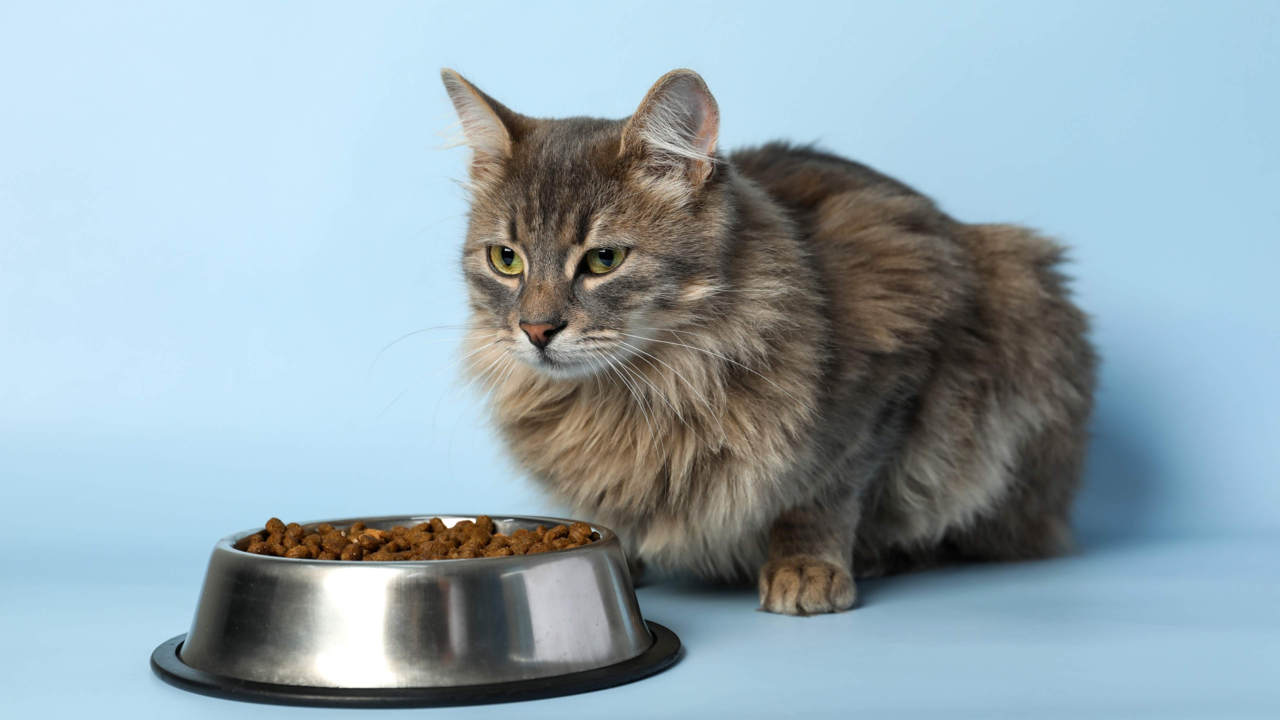
Best Food for Senior Cats in New Zealand
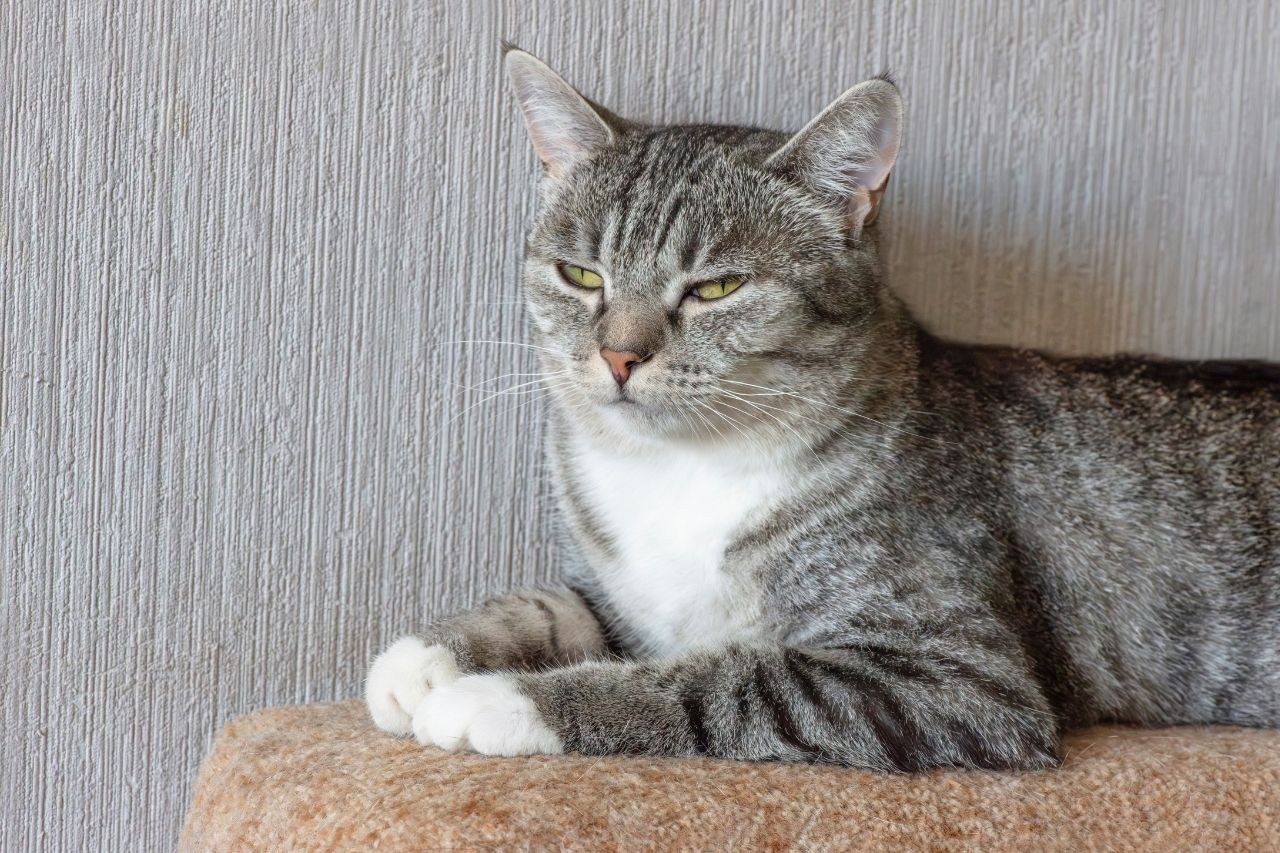
6 Subtle Signs Your Cat Is Entering Their Senior Years
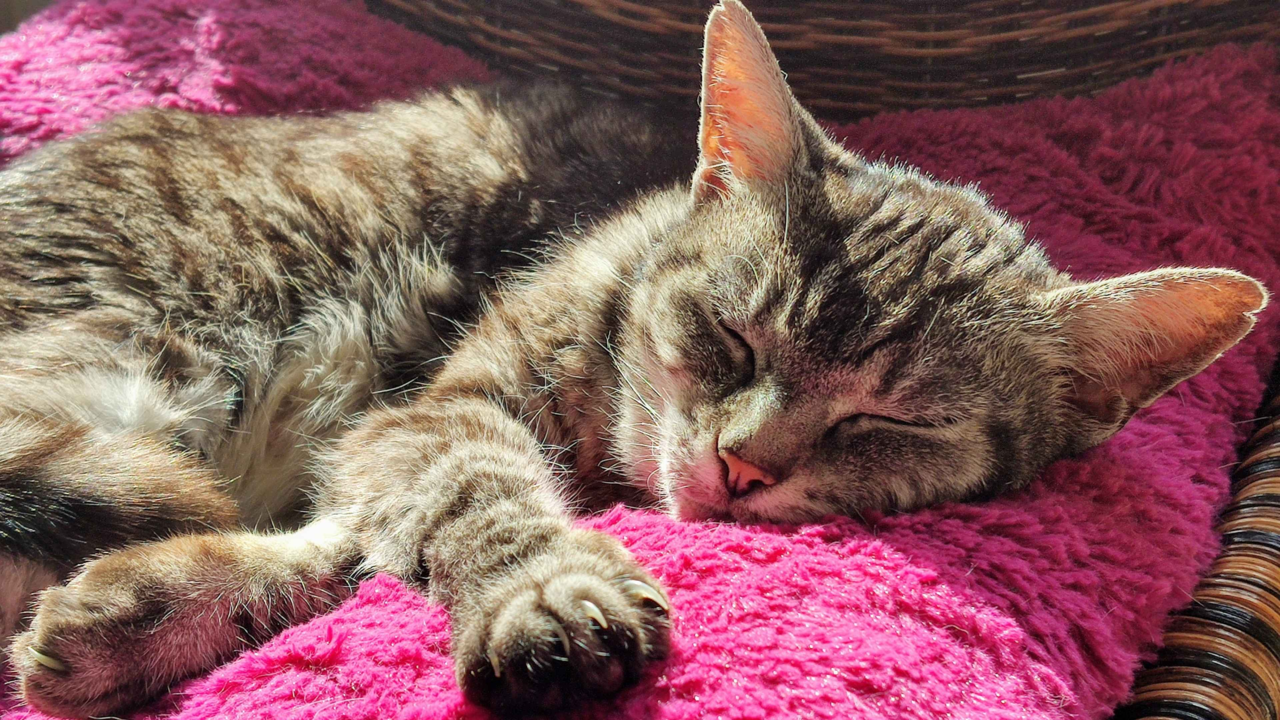
How a Senior Cat's Nutritional Needs Differ From an Adult Cat's
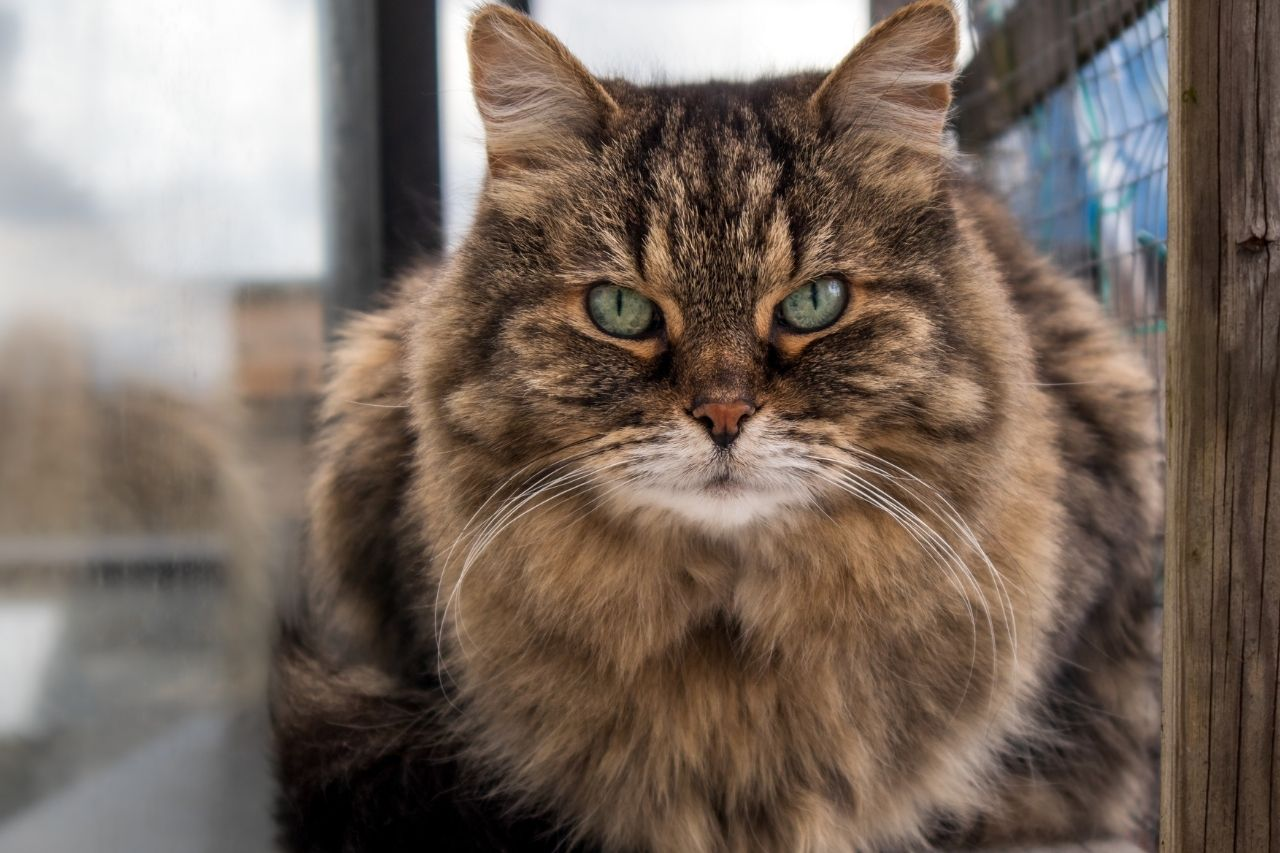
Why Your Older Cat Is Losing Weight: Causes and What to Do
7 Key Signs Your Senior Cat May Need a New Diet
Senior Cats: Signs of Ageing, Care Tips and How to Support Older Cats