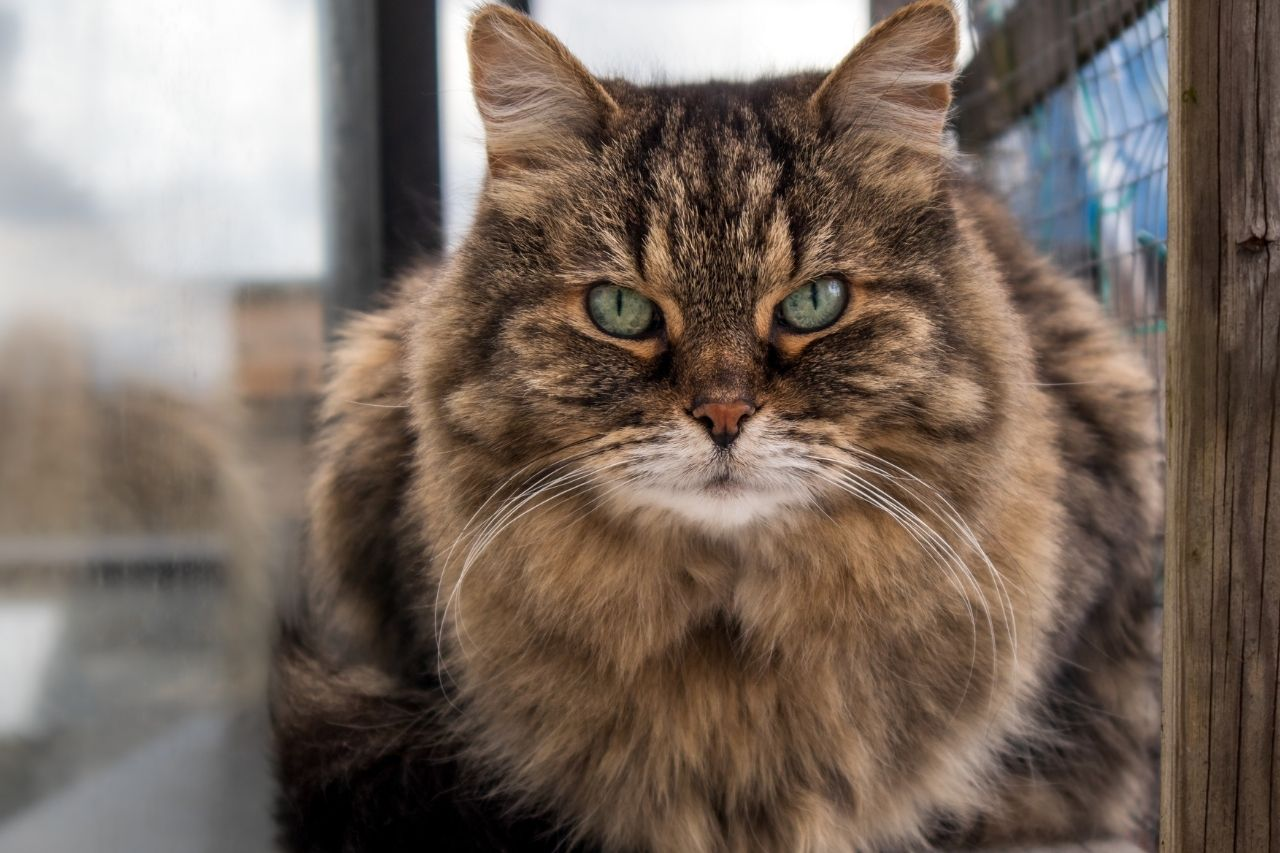
If your older cat is losing weight, it is natural to feel concerned. While some gradual changes in body condition are a normal part of ageing, unexplained or rapid weight loss in a senior cat is often a sign that something needs attention. The sooner you identify the cause, the sooner you can help your cat get back on track.
This guide covers the most common reasons older cats lose weight, what you can do at home to support them, and when it is time to see your vet.
Is Weight Loss Normal in Older Cats?
Some degree of muscle loss is common as cats age, particularly after 11 or 12 years. Older cats gradually lose lean muscle mass, a process called sarcopenia, even if they are otherwise healthy. However, noticeable or rapid weight loss is not a normal part of ageing and should always be investigated.
A good rule of thumb: if you can feel your cat's spine, ribs, or hip bones more prominently than before, or if their weight has dropped noticeably over a few weeks or months, it is worth a vet visit.
Common Causes of Weight Loss in Senior Cats
Weight loss in older cats can have many causes, ranging from dietary issues to underlying health conditions. Here are the most common ones.
Chronic Kidney Disease
Kidney disease is one of the most common conditions in senior cats. As kidney function declines, cats may lose their appetite, drink more water, urinate more frequently, and gradually lose weight. Early detection through blood and urine tests can help manage the condition and slow its progression.
Hyperthyroidism
An overactive thyroid gland speeds up your cat's metabolism, causing them to burn calories faster than they can take them in. Cats with hyperthyroidism often eat more than usual but still lose weight. Other signs include increased thirst, restlessness, a rapid heart rate, and a dull or unkempt coat.
Diabetes
Diabetes affects how your cat's body processes glucose. Cats with diabetes may eat well but lose weight because their cells cannot properly use the energy from food. Increased thirst and urination are common early signs.
Dental Disease
Painful teeth, gum disease, or oral infections can make eating uncomfortable or even painful. If your cat is eating less, dropping food, or favouring one side of their mouth, dental issues could be the cause. Dental disease is very common in cats over 7 years of age.
Gastrointestinal Issues
Inflammatory bowel disease (IBD), food sensitivities, or other digestive conditions can reduce your cat's ability to absorb nutrients from food. Symptoms may include vomiting, diarrhoea, or changes in stool quality alongside weight loss.
Reduced Appetite or Fussiness
As cats age, their sense of smell and taste can decline, making food less appealing. Stress, changes in routine, or simply becoming fussier with age can also lead to reduced food intake and gradual weight loss.
What You Can Do at Home
While a vet visit is essential for diagnosing the underlying cause, there are several things you can do at home to support your cat's weight and nutrition.
Switch to a Senior-Specific Diet
Senior cat foods are formulated with highly digestible protein, controlled phosphorus for kidney support, and adjusted calorie levels. If your cat is still on an adult formula, switching to a senior diet can make a real difference. See our guide to the best senior cat food in NZ for recommendations.
Increase Wet Food
Wet food is more palatable for many older cats, easier to eat (especially with dental issues), and provides extra hydration. Try offering a mix of wet and dry food, or switch to mostly wet food if your cat is struggling to maintain weight. Read more about hydration tips for senior cats.
Offer Smaller, More Frequent Meals
Instead of two large meals a day, try offering three or four smaller meals. This can be easier on your cat's digestion and may encourage them to eat more overall. Warming wet food slightly can also make it more aromatic and appealing.
Monitor Weight Regularly
Weigh your cat at home every week or two using a kitchen scale or baby scale. Keeping a simple log helps you spot trends early and gives your vet useful data. Even a loss of 200 to 300 grams in a cat can be significant.
Best Senior Cat Food for Weight Support
These senior cat foods are formulated to be highly digestible and nutrient-dense, helping older cats maintain a healthy weight.
Dry options from Hill's Science Diet and Royal Canin provide balanced senior nutrition with controlled phosphorus and added joint support. For wet food, Pro Plan Adult 7+ and Black Hawk Mature offer highly palatable options that help with both hydration and calorie intake.
Vet Diets for Cats with Kidney Disease
If your vet has diagnosed kidney disease as the cause of your cat's weight loss, they may recommend a prescription renal diet. These foods have restricted phosphorus, reduced sodium, and adjusted protein levels to support kidney function.
Royal Canin Vet Renal is one of the most widely prescribed kidney diets, available in both wet (chicken and fish flavours) and dry formulas. Hill's Prescription Diet k/d Kidney Care is another trusted option, available as a stew and a pate. Always consult your vet before starting a prescription diet.
Supplements for Senior Cats Losing Weight
Targeted supplements can support your older cat's overall health alongside a quality diet.
VetSynova KC Kidney Care Complex supports kidney function, while VetSynova Vitality provides everyday health support for ageing cats. Fourflax Senior Cat is a flaxseed-based oil rich in omega-3s for skin, coat, and joint health. 4CYTE Epiitalis Forte supports joint health, which can help keep older cats mobile and active. Always check with your vet before adding supplements.
When to See Your Vet
Book a vet appointment if your older cat is showing any of the following alongside weight loss.
- Eating less than usual, or refusing food entirely
- Drinking significantly more or less water than normal
- Vomiting, diarrhoea, or changes in stool
- Lethargy, hiding, or withdrawal from normal activities
- A dull, unkempt, or matted coat
- Bad breath, drooling, or difficulty eating
- Rapid weight loss (any noticeable drop over a few weeks)
Your vet can run blood tests, urine tests, and other diagnostics to identify the cause and recommend the right treatment plan. Early intervention makes a significant difference in managing conditions like kidney disease, hyperthyroidism, and diabetes.
Frequently Asked Questions
How much weight loss is concerning in an older cat?
Any unexplained weight loss should be taken seriously. In cats, even a loss of 200 to 300 grams can be significant, as they are small animals. If your cat has lost more than 5 to 10% of their body weight over a few months, see your vet.
My cat is eating normally but still losing weight. Why?
This is a classic sign of hyperthyroidism or diabetes, where the body burns calories faster than they are consumed or cannot properly use the energy from food. A vet blood test can quickly identify both conditions.
Should I feed my senior cat more food to stop weight loss?
Simply increasing the amount of food may not help if the underlying cause is a health condition affecting nutrient absorption or metabolism. It is better to switch to a highly digestible, calorie-dense senior food and see your vet to rule out medical causes.
Is wet food better for a senior cat losing weight?
Wet food is often a good choice because it is more palatable, easier to eat, and provides extra hydration. Many older cats who have gone off dry food will still eat wet food happily. Offering a mix of both is a practical approach.
Can I buy kidney diet food without a vet prescription?
Prescription renal diets from Royal Canin Vet and Hill's Prescription Diet are available at Petdirect. Some may require vet authorisation at checkout. Your vet can advise whether a renal diet is appropriate for your cat.
What are the signs of kidney disease in cats?
Common signs include increased thirst and urination, weight loss, reduced appetite, vomiting, lethargy, and a dull coat. Kidney disease is very common in cats over 10 years of age and can be managed effectively when caught early. Read more about signs your senior cat needs extra support.
Shop Senior Cat Food
Browse senior cat food from trusted brands like Hill's Science Diet, Royal Canin, Pro Plan, and more. Save with Autodeliver, unlock exclusive offers with Pet Perks, and enjoy free shipping on orders over $79.
SHOP SENIOR CAT FOODRelated Reading
Best Food for Senior Cats in New Zealand
7 Key Signs Your Senior Cat May Need a New Diet
Hydration Tips for Senior Cats and Dogs
Senior Cats: Signs of Ageing, Care Tips and How to Support Older Cats
Senior Indoor Cat Nutrition Guide for Healthy Ageing
Senior Cat Care: Signs Your Older Cat Needs Extra Support