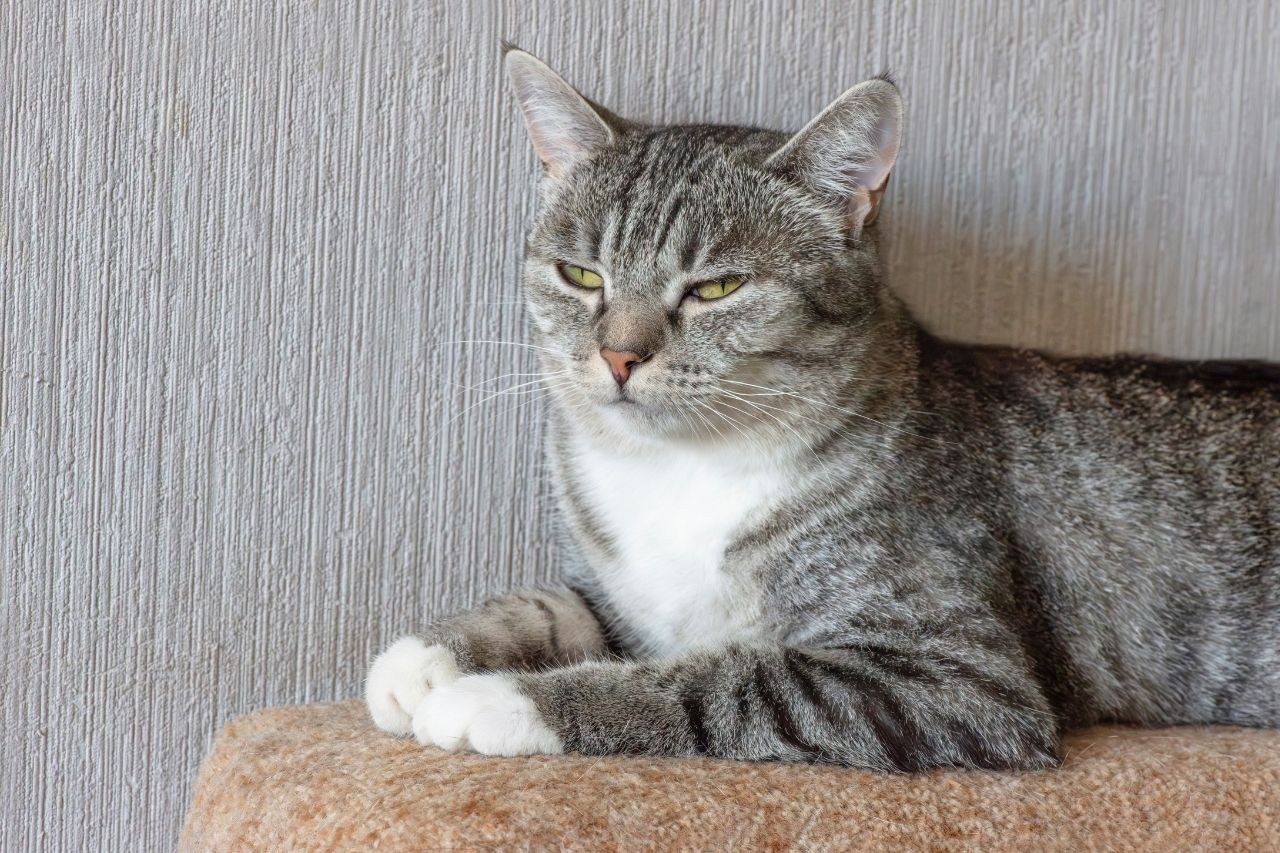
Cats are masters at hiding discomfort and change. Unlike dogs, who tend to show their age more obviously, cats can slip into their senior years so quietly that many owners do not realise it is happening until the signs become hard to miss.
Most cats are considered senior from around age 7 to 10, depending on their health and lifestyle. By recognising the early, subtle signs of ageing, you can make small adjustments to their diet, environment, and care that make a real difference to their comfort and quality of life.
Cats Hide Pain
As natural predators, cats instinctively mask weakness. Subtle behaviour changes are often the only clue that something has shifted.
Early Detection Matters
Catching age-related changes early means you can adjust nutrition, environment, and vet care before small issues become serious problems.
Senior Starts at 7
Cats are generally considered senior from around 7. Needs keep changing across the senior years, with the later years from around 11 often calling for gentler nutrition. Indoor cats often age more slowly than outdoor cats.
The 6 Subtle Signs
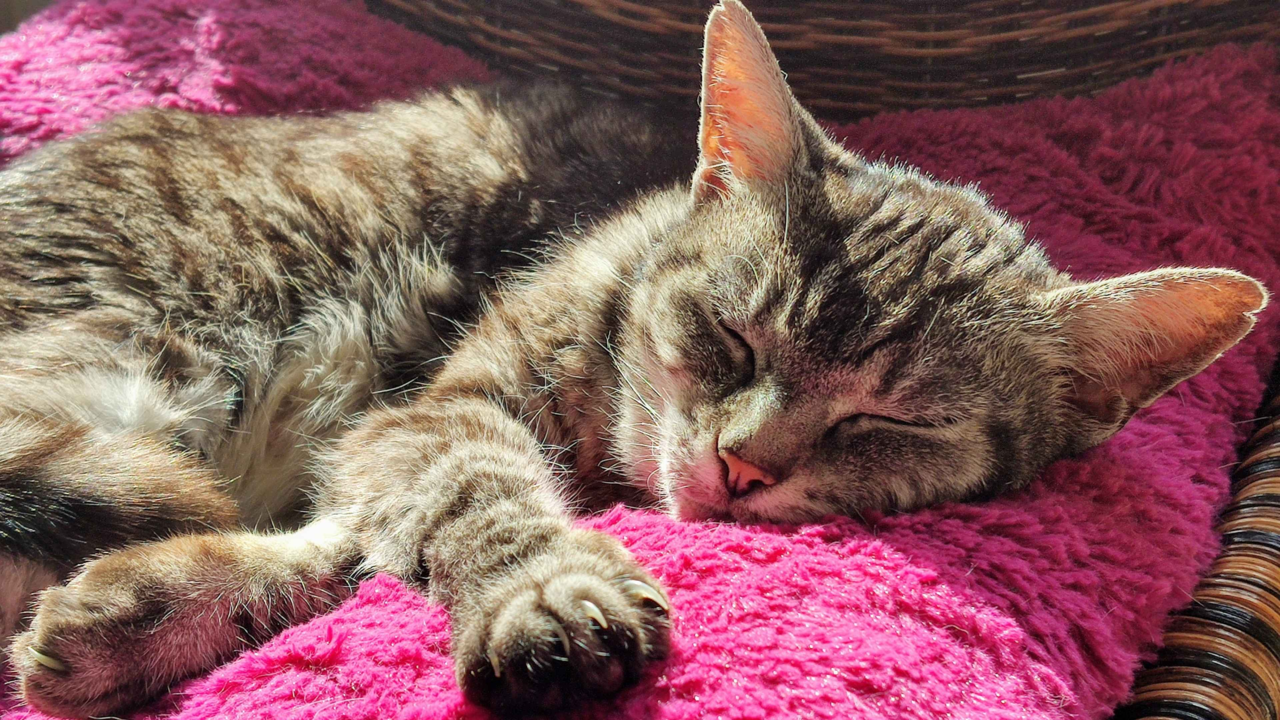
1. Sleeping More and Playing Less
All cats love a good nap, but if your cat is sleeping noticeably more than usual or has lost interest in toys and games they once enjoyed, it could be an early sign of ageing. Senior cats naturally conserve energy, but a significant drop in activity can also signal pain, arthritis, or the early stages of illness.
What to watch for: choosing to sleep instead of responding to play invitations, spending more time in one spot, or being less curious about what is happening around the house.
2. Jumping Less or Hesitating Before Jumping
One of the earliest signs of joint stiffness or arthritis in cats is a change in how they move vertically. You might notice your cat hesitating before jumping onto the bed, taking a longer route to reach a favourite perch, or no longer jumping to high spots they used to reach easily.
What to watch for: using furniture as stepping stones instead of jumping directly, landing awkwardly, or avoiding elevated surfaces altogether. Providing steps or ramps to favourite spots can help.
3. Changes in Grooming Habits
Cats are meticulous groomers, so any change in grooming is worth paying attention to. Senior cats may groom less frequently, leading to a dull, matted, or unkempt coat, particularly along the back and hindquarters where they can no longer reach comfortably. Some cats may also over-groom certain areas due to pain or skin irritation.
What to watch for: matted fur, dandruff, a greasy or rough coat, or bald patches from excessive licking in one area.
4. Subtle Weight Changes
Weight changes in cats can creep up slowly and are easy to miss, especially in long-haired breeds. Senior cats commonly lose muscle mass (even if their overall weight stays the same), or they may gradually gain weight as their metabolism slows and activity decreases. Both directions warrant attention.
What to watch for: a more prominent spine or hip bones, a sagging belly, or difficulty feeling the ribs. Regular weigh-ins at home or at the vet help catch gradual changes early.
5. Increased Thirst or Changes in Litter Box Habits
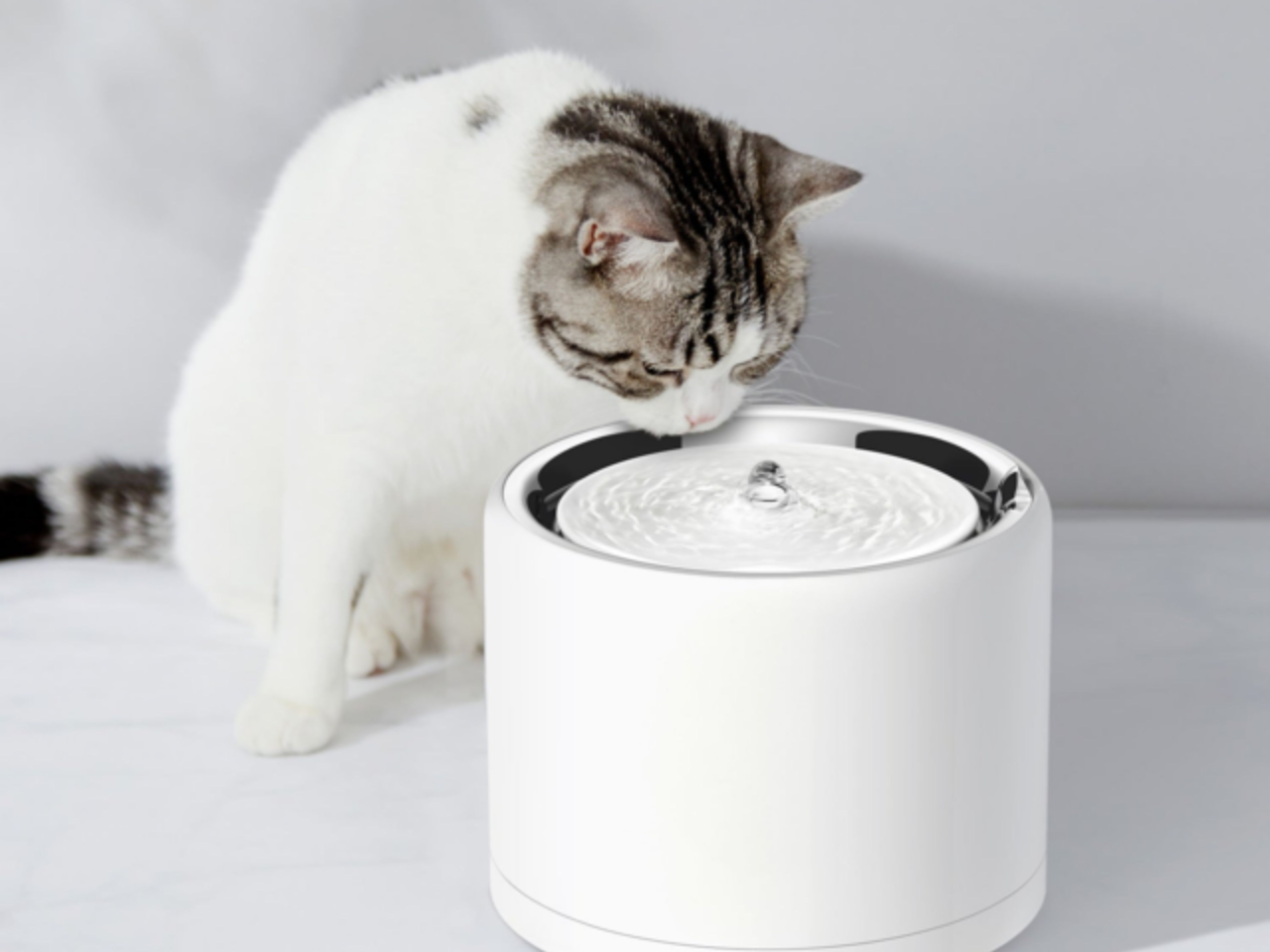
If your cat is drinking more water than usual, visiting the litter box more frequently, or producing larger clumps of urine, it could be an early sign of kidney disease, diabetes, or hyperthyroidism, all of which are more common in senior cats. Changes in stool consistency or occasional accidents outside the litter box can also indicate age-related issues.
What to watch for: a water bowl that empties faster than usual, more frequent litter box visits, larger or smaller urine clumps, or accidents outside the box.
6. Behavioural Shifts and Vocalisation Changes
Senior cats may become more clingy, more withdrawn, or more vocal than they used to be. Some cats develop confusion or disorientation, especially at night, which can be an early sign of cognitive decline. Others may seem more irritable when handled or less tolerant of changes in routine.
What to watch for: increased meowing (especially at night), staring into space, getting lost in familiar rooms, hiding more than usual, or becoming unusually affectionate or distant.
What to Do When You Notice These Signs
Spotting one or two of these signs does not necessarily mean something is wrong, but it does mean your cat is likely entering a new life stage that calls for some adjustments.
Steps to take
- Book a vet check-up. Cats over 7 should ideally see the vet twice a year. Blood work can catch kidney disease, thyroid issues, and diabetes early.
- Review their diet. Senior cats benefit from food with higher-quality protein, controlled calories, added joint support, and increased moisture. A senior-specific formula is designed to address these needs.
- Make their environment easier to navigate. Add steps to favourite perches, use a litter box with lower sides, and ensure food and water are easily accessible without jumping.
- Keep them mentally stimulated. Gentle play, puzzle feeders, and window perches help keep senior cats engaged and mentally sharp.
- Monitor their weight. Weigh your cat monthly and track any trends. Even small changes (200 to 300 grams) can be significant in a cat.
Best Food for Cats Entering Their Senior Years
Transitioning to a senior cat food is one of the most impactful changes you can make. Senior formulas are designed with adjusted calories, higher-quality protein, joint-supporting nutrients, and antioxidants to support ageing.
Dry Senior Cat Food
Hill's Science Diet Adult 7+ Senior is one of the most trusted senior cat foods in NZ, with balanced nutrition and antioxidants to support vitality. Royal Canin Indoor 7+ is tailored for indoor senior cats with controlled calories and kidney support. Addiction Grain-Free Chicken Supreme Senior is a natural option with no grains or artificial additives.
Wet Senior Cat Food
Wet food is especially valuable for senior cats because of the extra hydration it provides. Hill's Science Diet Adult 7+ Chicken is a balanced wet option with quality protein. Black Hawk Original Mature Chicken & Tuna in Gravy is a palatable choice for fussy older cats. Pro Plan Adult 7+ Chicken in Gravy delivers targeted senior nutrition in a highly appealing format.
Supplements for Ageing Cats
If your cat is showing signs of joint stiffness, reduced mobility, or a dull coat, a targeted supplement can provide additional support alongside their senior food.
4CYTE Epiitalis Forte Cat is clinically proven to support cartilage health and reduce joint inflammation. Fourflax Senior Cat is a NZ-made supplement with omega-3s, green-lipped mussel, and antioxidants designed specifically for ageing cats. Nutreats Vitals Joint & Skin Support provides glucosamine and omega fatty acids for joint and coat health.
Frequently Asked Questions
At what age is a cat considered senior?
Cats are generally considered senior from around 7 years of age. Needs continue to change through the senior years, with the later senior years from around 11 often calling for gentler, easy-to-digest nutrition. Indoor cats often age more slowly than outdoor cats, and individual health plays a big role.
How can I tell if my cat is in pain?
Cats hide pain instinctively. Look for subtle changes like reduced jumping, altered grooming habits, changes in appetite, increased hiding, or vocalisation changes. If you suspect pain, a vet visit is the best next step.
Should I switch my cat to senior food at age 7?
It depends on your cat's health and activity level. Some cats benefit from a senior formula from age 7, while others do well staying on their usual food a little longer. Your vet can help you decide based on your cat's individual needs.
Is it normal for older cats to sleep more?
Yes, senior cats naturally sleep more than younger cats. However, a sudden or dramatic increase in sleeping, combined with other changes like reduced appetite or weight loss, should be checked by a vet.
Why is my older cat drinking more water?
Increased thirst in senior cats can be a sign of kidney disease, diabetes, or hyperthyroidism. If you notice your cat drinking noticeably more than usual, book a vet appointment for blood work.
Do indoor cats age differently from outdoor cats?
Indoor cats generally live longer and may show signs of ageing later than outdoor cats. However, indoor cats can be more prone to weight gain and boredom, which can affect their health as they age.
Support Your Cat Through Their Senior Years
Save up to 25% on your first Autodeliver order and up to 15% ongoing, plus enjoy free shipping on orders over $79. Set up Autodeliver so your senior cat's food and supplements arrive right on schedule.
SHOP SENIOR CAT FOODRelated Reading
 When Is a Cat Considered Senior? Understanding Feline Life Stages
 Best Food for Senior Cats in New Zealand
 7 Key Signs Your Senior Cat May Need a New Diet
 Senior Cats: Signs of Ageing, Care Tips and How to Support Older Cats
 How to Keep Senior Cats Active: Enrichment, Nutrition and Play Tips
 Hydration Tips for Senior Cats and Dogs