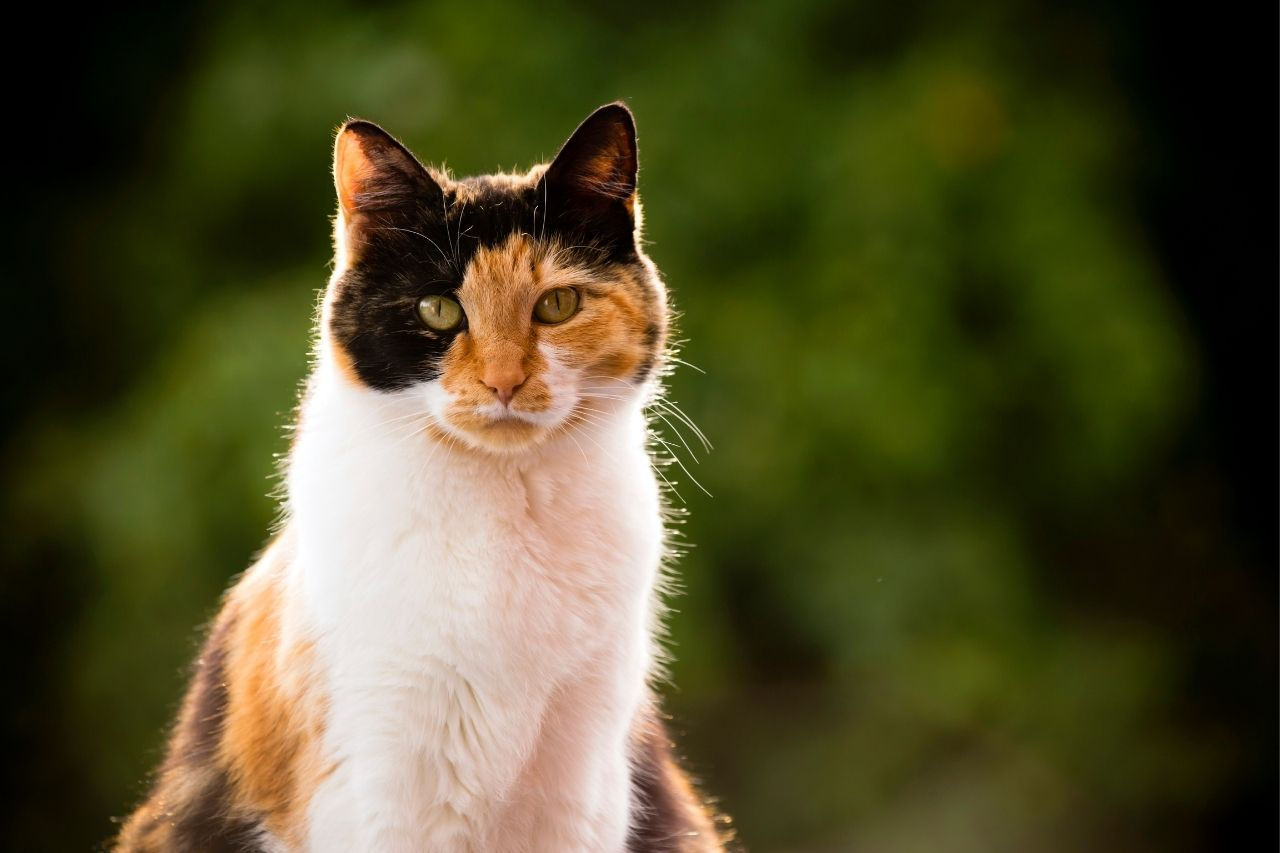
Has your cat started napping in spots they used to ignore? Turning their nose up at food they once loved? Maybe they are not leaping onto the bench with quite the same confidence. These little shifts can creep up on you, and it is natural to wonder: is my cat getting old?
The short answer is that "senior" means different things depending on who you ask. You will see cat food labelled for 7+ right next to products for 11+. We are going to clear up the confusion, walk you through each feline life stage, and help you figure out exactly where your cat sits so you can give them what they need.
The Feline Life Stages
At Petdirect we keep it simple with three life stages: kitten, adult and senior. Cats do not switch from one to the next overnight, but knowing roughly where your cat sits makes it easier to give them the right food and care.
Kitten
0 to 12 monthsAll energy, all the time. Growing fast, learning the ropes, and burning through calories like nobody's business.
Adult
1 to 7 yearsYour cat at their best. Settled personality, healthy weight, and a solid routine. This is usually the easiest stage to manage nutritionally.
Senior
7 years and overFrom around 7, subtle changes begin under the surface. Needs keep evolving through the senior years, which is why some foods are made for cats 7+ and others for the later senior years from 11+.
Cat Years to Human Years
The old "one cat year equals seven human years" rule does not quite hold up. Cats age rapidly in their first couple of years, then settle into a pace of roughly four human years for every cat year after that.
| Cat Age | Human Equivalent | Life Stage |
|---|---|---|
| 1 year | ~15 years | Adult |
| 2 years | ~24 years | Adult |
| 4 years | ~32 years | Adult |
| 6 years | ~40 years | Adult |
| 7 years | ~44 years | Senior |
| 10 years | ~56 years | Senior |
| 11 years | ~60 years | Senior |
| 14 years | ~72 years | Senior |
| 15 years | ~76 years | Senior |
| 18 years | ~88 years | Senior |
| 20 years | ~96 years | Senior |
So, When Is a Cat Considered Senior?
Cats are generally considered senior from around 7 years of age. You will still see plenty of "senior" formulas designed for cats from 7, alongside others made for the later senior years from 11. That is because needs keep changing across the senior stage, and getting ahead of those changes nutritionally can make a real difference.
Why the Two Numbers?
It comes down to how foods are formulated, not to a change in life stage. From around 7, your cat's metabolism starts to shift, they may put on weight more easily, and their joints are not as springy as they used to be. By 11, those changes are usually well underway, so a food designed for the later senior years can be genuinely helpful.
Our take: if your cat is 7 or older, it is worth having a look at what they are eating, even if they seem perfectly fine. A small dietary tweak now can pay off in a big way down the track.
Worth noting: indoor cats sometimes age a little more gracefully than outdoor cats, since they are not exposed to the same environmental wear and tear. Breed matters too. Larger breeds like Ragdolls can show signs of ageing earlier, while smaller moggies often stay surprisingly sprightly well into their teens.
Signs Your Cat Is Entering Their Senior Years
No two cats age in exactly the same way, but there are some common patterns. Here is what we hear about most from cat owners, and what to keep an eye on at home.
Less Activity and More Sleep
You might notice fewer zoomies, less interest in toys, and more time curled up in their favourite spot. Gradual slowing is normal, but a sudden drop in energy is worth checking with your vet.
Weight Changes
A rounder tummy or, on the flip side, noticeable weight loss can both happen as cats age. Weight gain is more common in the earlier senior years (around 7 to 10), while unexplained loss tends to show up later and is always worth investigating.
Changes in Appetite
If your cat has suddenly become pickier, is leaving food in the bowl, or seems hungrier than usual, their body may be telling you something. Sore teeth or a fading sense of smell are often behind these changes.
Coat and Skin Changes
A coat that used to gleam might start looking a bit dull or patchy. Older cats sometimes groom less, which can lead to matting or flaky skin. Omega-3 fatty acids in their diet can help.
Joint Stiffness
Hesitating before jumping onto the couch, avoiding stairs, or landing heavily are signs their joints might be feeling it. Arthritis is more common in cats than many owners realise.
Behavioural Changes
More meowing at odd hours, seeming a bit confused, missing the litter box, or wanting to be glued to your side (or the opposite) can all crop up as cats get older. These shifts are worth noting for your vet.
Increased Thirst
If you are refilling the water bowl more often than you used to, pay attention. Increased thirst is one of the first signs of kidney issues, and catching it early makes a real difference.
Dental Issues
Stinky breath, dropping food, or drooling are all red flags for dental problems. The older your cat gets, the more important those dental check-ups become.
Spotted a few of these? It does not necessarily mean something is wrong, but it is a good prompt to book a vet check-up. We have written more about this in Signs of Ageing in Senior Cats and Signs Your Older Cat Needs Extra Support.
What Should You Feed a Senior Cat?
What your cat needs from their food shifts as they get older. The good news is that senior cat food has come a long way, and there are some genuinely excellent options designed to tackle the specific challenges older cats face.
Key Nutrients for Senior Cats
- High-quality protein -- your cat needs it to hold onto lean muscle, which naturally starts to decline
- Controlled phosphorus -- takes pressure off the kidneys, which is a big deal for older cats
- Omega-3 fatty acids (EPA and DHA) -- good for joints, coat condition, and keeping the brain sharp
- Antioxidants like vitamins E and C to give the immune system a hand
- Easy-to-digest ingredients -- the gut gets less efficient with age, so quality matters more than ever
- Extra moisture from wet food to support hydration and kidney health (this one is a real game-changer)
Senior Dry Cat Food
These are some of our most popular dry food picks for cats aged 7 and over. Each one targets a different combination of needs, from weight management to hairball control.
Later Senior Years Dry Cat Food (11+)
As your cat moves into their later senior years, from around 11, their nutritional needs shift again. These formulas are designed with gentler nutrition and kidney-friendly profiles for the later years.
Senior Wet Cat Food
If there is one change that makes a noticeable difference for older cats, it is adding wet food. The moisture content supports kidneys, keeps them hydrated, and the softer texture is much kinder on ageing teeth. We have put together a full guide on hydration tips for senior cats and dogs if you want to dive deeper.
Want to compare more options? Our best senior cat food guide covers the full range available in New Zealand.
Supplements for Senior Cats
A good senior diet covers a lot of ground, but sometimes a targeted supplement can give your cat that extra edge, especially when it comes to joints, kidneys, or general get-up-and-go.
Joint Support
Arthritis is far more common in older cats than most people think. If your cat is slowing down or avoiding jumps, a joint supplement alongside their senior food can help them move more comfortably.
Kidney and General Health
Kidneys are the big one for older cats. Supporting kidney function early, alongside a kidney-friendly diet, can genuinely extend your cat's quality of life.
We cover supplements in much more detail in our guide to the best pet supplements in NZ.
How to Care for a Senior Cat
Good nutrition is only part of the picture. Here are practical ways to keep your senior cat comfortable, healthy, and happy.
More Frequent Vet Visits
From age 7, consider twice-yearly vet check-ups instead of annual visits. Blood tests can catch kidney disease, thyroid issues, and diabetes early, when they are most manageable.
Make Your Home Senior-Friendly
- Provide low-sided litter trays that are easy to step into
- Add ramps or steps to favourite resting spots so your cat does not need to jump
- Keep food and water bowls at a comfortable height
- Offer warm, padded beds in quiet spots away from draughts
Keep Them Active (Gently)
Senior cats still need mental and physical stimulation, just at a gentler pace. Short play sessions, puzzle feeders, and window perches all help. For ideas, check out our guide to daily enrichment for senior cats and keeping senior cats active.
Monitor Hydration
Senior cats are prone to dehydration, especially if they eat mostly dry food. A water fountain, multiple water stations around the house, and adding wet food to their diet can all help. Read more in our hydration tips guide.
Watch for Changes
You know your cat best. If something feels different, whether it is eating habits, energy levels, litter box use, or personality, trust your instincts and talk to your vet. Our guide on 7 signs your senior cat may need a diet change can help you spot the signals.
Never Run Out of Senior Cat Food
Save up to 25% on your first order and up to 15% ongoing when you set up Autodeliver on your cat's senior food. Choose your delivery frequency, and never run out of the food they rely on.
Set Up AutodeliverFrequently Asked Questions
At what age is a cat considered senior?
Cats are generally considered senior from around 7 years of age. Needs keep changing across the senior stage, which is why some foods are made for cats from 7 and others for the later senior years from 11.
How old is a 10-year-old cat in human years?
A 10-year-old cat is roughly equivalent to a 56-year-old human. They are well into their senior years, and may show subtle signs of ageing.
When should I switch to senior cat food?
Most vets recommend transitioning to a senior formula around age 7. If your cat has specific health concerns, your vet may recommend switching earlier or later.
Do indoor cats age differently from outdoor cats?
Indoor cats tend to live longer and may age more slowly, as they face fewer risks from traffic, predators, and environmental hazards. However, they are more prone to weight gain and boredom, which can affect their health.
What is the most common health issue in senior cats?
Chronic kidney disease is the most common condition in senior cats, affecting up to 30 to 40% of cats over the age of 10. Regular blood tests can detect it early.
Should I give my senior cat supplements?
Supplements can be helpful for senior cats, particularly for joint support, kidney health, and general vitality. Speak to your vet about which supplements are right for your cat's needs.
How can I keep my senior cat comfortable?
Provide warm, padded beds, low-sided litter trays, ramps to favourite spots, fresh water in multiple locations, and gentle play sessions. Regular vet check-ups will help catch any health issues early.
Related Reading
Shop Senior Cat Food
Browse our full range of senior cat food, from trusted brands like Hill's Science Diet, Royal Canin, and Pro Plan. All available with Autodeliver savings and free delivery over $79.
Shop Senior Cat Food