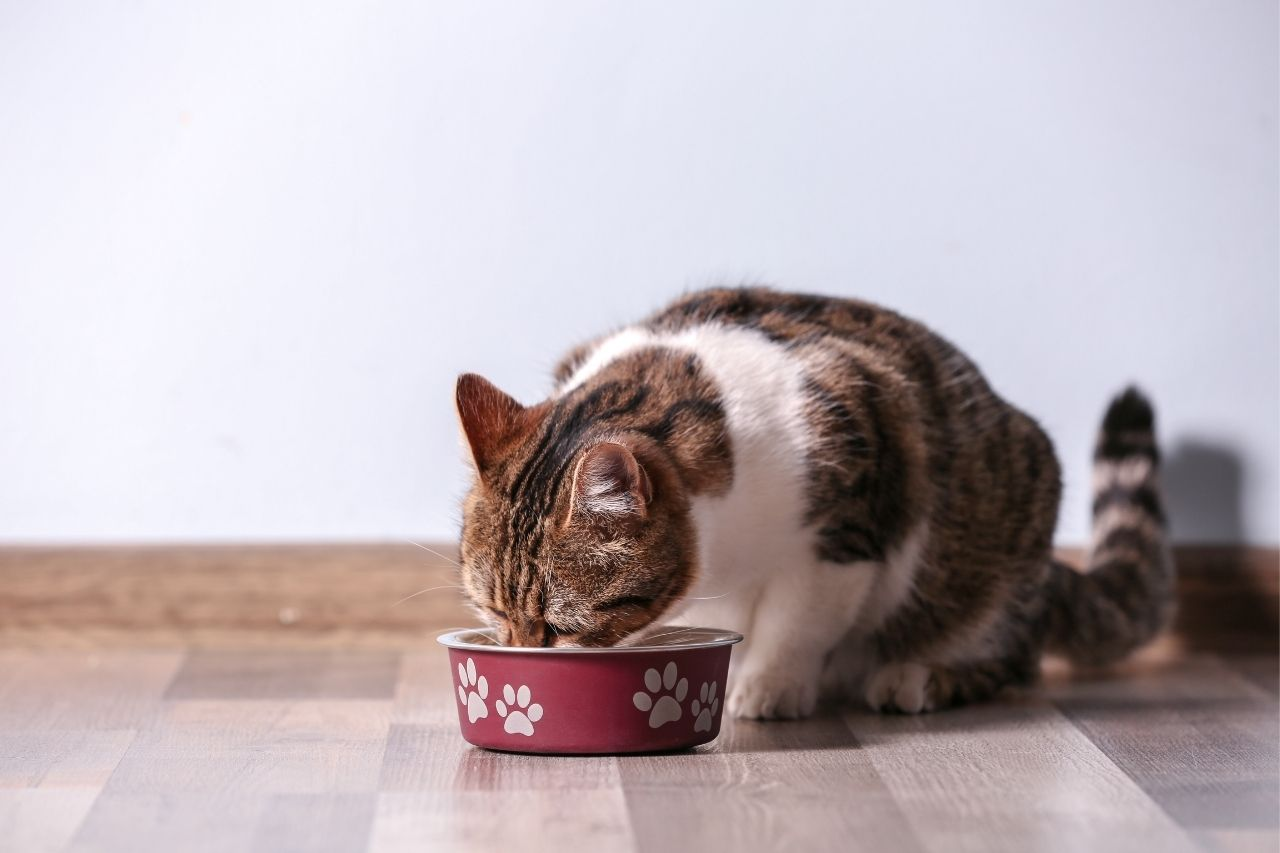
Cats are considered senior from around 7 years of age, and by the time they reach 11 or 12, they are well into their golden years. While your cat might still look and act the same, their body is changing on the inside. Their metabolism slows, their kidneys work harder, their joints stiffen, and their ability to absorb nutrients from food gradually declines.
That is why senior cats need a different nutritional approach to adult cats. Feeding the same food you gave your cat at age 3 may not be enough to keep them healthy at age 10. This guide explains exactly how a senior cat's nutritional needs differ from an adult cat's, and what to look for when choosing the right food.
When Does a Cat Become a Senior?
Most vets and pet food brands classify cats as senior from around 7 years of age. Some brands split the senior years further, with formulas aimed at cats in their early senior years and others for cats well into their later years, from around 11 and over. The exact age varies slightly by breed and individual health, but 7 is the widely accepted starting point for adjusting your cat's diet.
If you are unsure where your cat sits, our guide to senior cat care signs and support can help you recognise the early indicators of ageing.
Key Nutritional Differences: Senior vs Adult Cats
Here are the main ways a senior cat's dietary needs shift compared to a healthy adult cat.
Higher Quality Protein
Senior cats need highly digestible, quality protein to maintain lean muscle mass. As cats age, they lose muscle more easily, a condition called sarcopenia. A senior diet should provide enough protein to counteract this, without overloading the kidneys. Look for named animal proteins (chicken, fish, lamb) listed as the first ingredients.
Controlled Calories
Older cats tend to be less active, which means they burn fewer calories. Excess weight puts strain on joints, the heart, and other organs. Senior cat foods are typically formulated with slightly fewer calories than adult formulas to help maintain a healthy body weight without leaving your cat hungry.
Kidney-Friendly Formulation
Chronic kidney disease is one of the most common health issues in older cats. Senior diets often contain controlled levels of phosphorus and sodium to reduce the workload on ageing kidneys. This is one of the most important differences between adult and senior cat food.
Joint Support
Arthritis and joint stiffness affect a large number of senior cats, even if they do not show obvious signs of pain. Many senior cat foods include added glucosamine, chondroitin, or omega-3 fatty acids (EPA and DHA) to support joint health and mobility.
Enhanced Digestibility
As cats age, their digestive system becomes less efficient at absorbing nutrients. Senior formulas use highly digestible ingredients and often include added prebiotics or fibre to support gut health and ensure your cat gets the most out of every meal.
Increased Hydration
Senior cats are more prone to dehydration, which compounds kidney issues. Wet food becomes increasingly important for older cats because it provides moisture with every meal. Many vets recommend increasing the proportion of wet food in a senior cat's diet, or adding water to dry kibble.
What to Look for in a Senior Cat Food
When shopping for senior cat food, here are the key things to check on the label.
Named Animal Protein First
The first ingredient should be a named protein source like chicken, fish, or lamb. Avoid foods where the first ingredient is a grain, by-product, or filler.
Controlled Phosphorus
Lower phosphorus levels help protect kidney function. This is especially important for cats over 10 years of age.
Added Omega-3 Fatty Acids
EPA and DHA from fish oil support joint health, skin and coat condition, and cognitive function in ageing cats.
Appropriate Calorie Density
Not too high (to avoid weight gain in less active cats) and not too low (to prevent muscle wasting in cats who are losing weight). Your vet can help you find the right balance.
Best Senior Dry Cat Food
These are some of the most popular and trusted senior dry cat foods available at Petdirect, formulated specifically for cats aged 7 and older.
Hill's Science Diet offers multiple senior formulas targeting different needs: the standard Adult 7+ for general senior nutrition, a Hairball Control version, an Indoor formula for less active cats, and an Adult 11+ for cats in their later years. Royal Canin takes a similar approach with Indoor 7+, Outdoor 7+, and Ageing 11+ options. Addiction offers a grain-free senior option for cats who do better without grains.
Best Senior Wet Cat Food
Wet food is especially valuable for senior cats because of its high moisture content. These are the top-selling senior wet cat foods at Petdirect.
Wet food from Pro Plan, Royal Canin, Hill's Science Diet, and Black Hawk all offer senior-specific formulas. If your cat is a fussy eater, try offering a mix of textures like gravy, jelly, and pate to find what they prefer. For more options, see our guide to the best wet cat food in NZ.
Supplements for Senior Cats
Even with a quality senior diet, some older cats benefit from targeted supplements. These are the most popular options for supporting joint health, kidney function, and overall vitality in ageing cats.
4CYTE Epiitalis Forte is a vet-recommended joint supplement that supports cartilage health. VetSynova offers targeted formulas for joint care, kidney care, and everyday vitality. Fourflax Senior Cat is a flaxseed-based oil that provides omega-3s for skin, coat, and joint support. Nutreats Vitals Hip and Joint uses green-lipped mussel for natural joint support. Always consult your vet before starting a new supplement.
How to Transition Your Cat to a Senior Diet
Switching food suddenly can upset your cat's stomach. Follow this gradual transition plan over 7 to 10 days.
Days 1 to 3
Mix 25% senior food with 75% of your cat's current food. Watch for any digestive changes.
Days 4 to 6
Move to a 50/50 mix. Most cats adjust well by this stage.
Days 7 to 8
Increase to 75% senior food and 25% old food.
Days 9 to 10
Switch fully to the senior formula. If your cat is particularly fussy, extend the transition by a few extra days.
Frequently Asked Questions
At what age should I switch my cat to senior food?
Most vets recommend transitioning to a senior formula from around 7 years of age. Some cats may benefit from switching earlier or later depending on their health, weight, and activity level. Your vet can advise on the best timing for your cat.
Can I keep feeding my senior cat adult food?
Adult food is not harmful, but it may not provide the specific nutritional support an older cat needs. Senior formulas are designed with controlled phosphorus, added joint support, and adjusted calorie levels that adult food does not offer. Over time, staying on adult food could mean your cat misses out on important nutritional benefits.
Is wet food better than dry food for senior cats?
Wet food provides extra hydration, which is especially important for senior cats prone to kidney issues. Many vets recommend increasing the proportion of wet food as cats age. A combination of both wet and dry is often the best approach, giving your cat the hydration benefits of wet food and the dental benefits of dry kibble.
My senior cat is losing weight. What should I do?
Unexplained weight loss in an older cat should always be checked by a vet, as it can indicate kidney disease, hyperthyroidism, diabetes, or dental problems. Your vet may recommend a higher-calorie senior food or a prescription diet depending on the cause. Read more about signs your senior cat may need a new diet.
Does my senior cat need supplements?
Not all senior cats need supplements, especially if they are on a quality senior diet. However, cats with joint stiffness, kidney concerns, or dull coats may benefit from targeted supplements like glucosamine, omega-3 oils, or kidney support formulas. Always check with your vet first.
How much should I feed my senior cat?
Feeding amounts vary by brand, formula, and your cat's weight and activity level. Follow the feeding guide on the packaging as a starting point, and adjust based on your cat's body condition. Your vet can help you determine the ideal daily intake for your cat's specific needs.
Shop Senior Cat Food
Browse senior cat food from trusted brands like Hill's Science Diet, Royal Canin, Pro Plan, and more. Save with Autodeliver, unlock member benefits with Pet Perks, and enjoy free shipping on orders over $79.
SHOP SENIOR CAT FOODRelated Reading
Best Food for Senior Cats in New Zealand
7 Key Signs Your Senior Cat May Need a New Diet
Best Wet Cat Food in NZ: A Complete Buyer's Guide
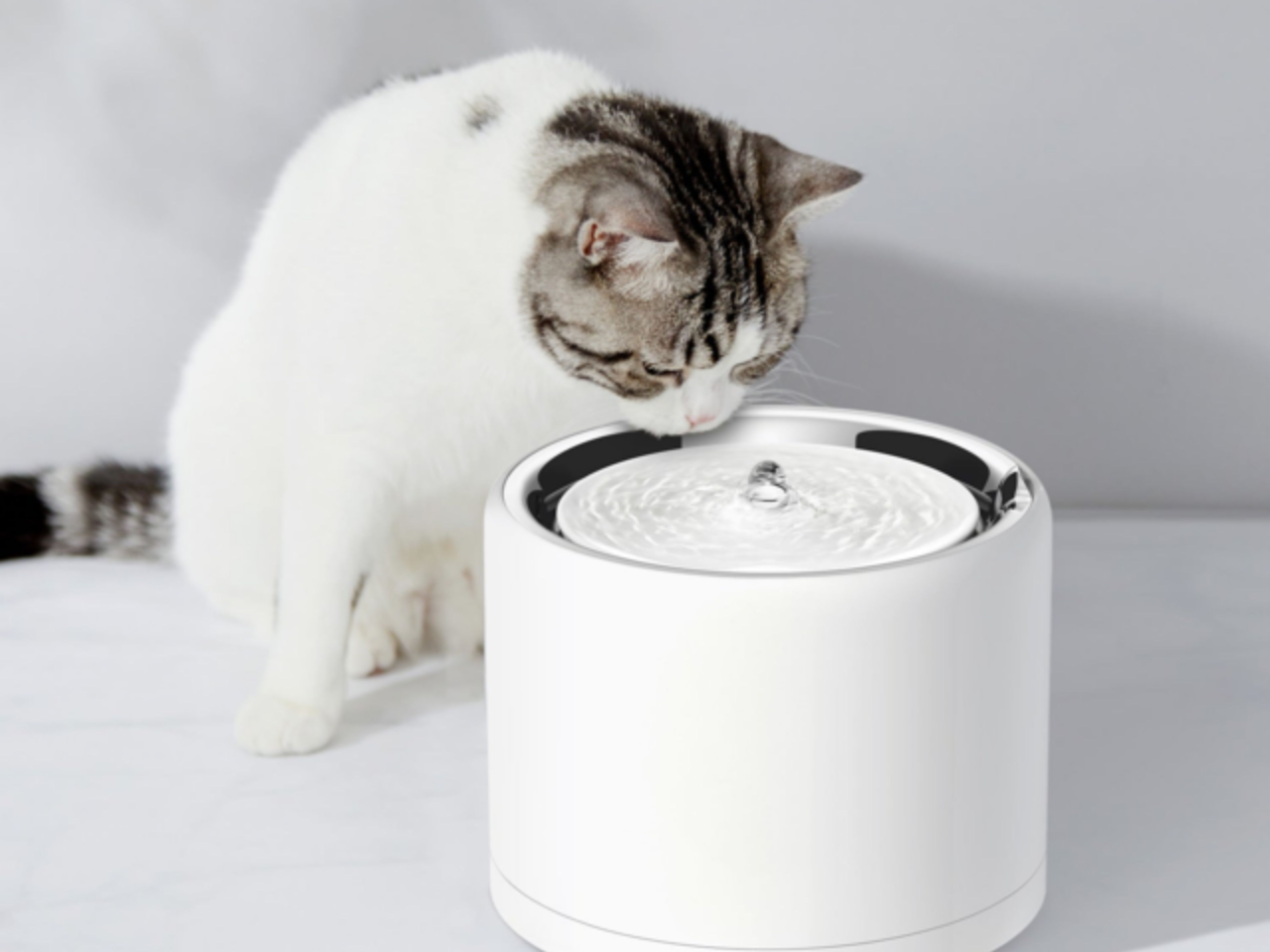
Hydration Tips for Senior Cats and Dogs
Senior Cats: Signs of Ageing, Care Tips and How to Support Older Cats
Senior Cat Care: Signs Your Older Cat Needs Extra Support