
Everything Winter
We get that when the temperature drops, your pet feels it too. The mornings are darker, the floors are colder, and that walk you both used to love now comes with sideways rain and a reluctant look from the front door.
This guide covers everything you need to get your dog or cat through winter comfortably. Warmer sleeping spots, the right gear for wet walks, joint and coat support for the colder months, and ways to keep them entertained when the weather keeps everyone indoors.
Everything winter
We get that when the temperature drops, your pet feels it too. The mornings are darker, the floors are colder, and that walk you both used to love now comes with sideways rain and a reluctant look from the front door.
This guide covers everything you need to get your dog or cat through winter comfortably. Warmer sleeping spots, the right gear for wet walks, joint and coat support for the colder months, and ways to keep them entertained when the weather keeps everyone indoors.
Warm the den
Gear up for the cold
Winter wellness
Beat the boredom
Your pet spends more time sleeping than you probably realise. Dogs average around 12 to 14 hours a day, and cats can push past 16. In winter, that number often creeps higher as the days get shorter and the house gets colder.
Cold floors pull heat away from your pet's body while they sleep. For older dogs and cats with stiff joints, lying on a hard, cold surface overnight can mean a slow, uncomfortable start to the morning. A few simple upgrades to their sleeping setup and your home can make a genuine difference through the cooler months.
Set up a warm sleeping spot
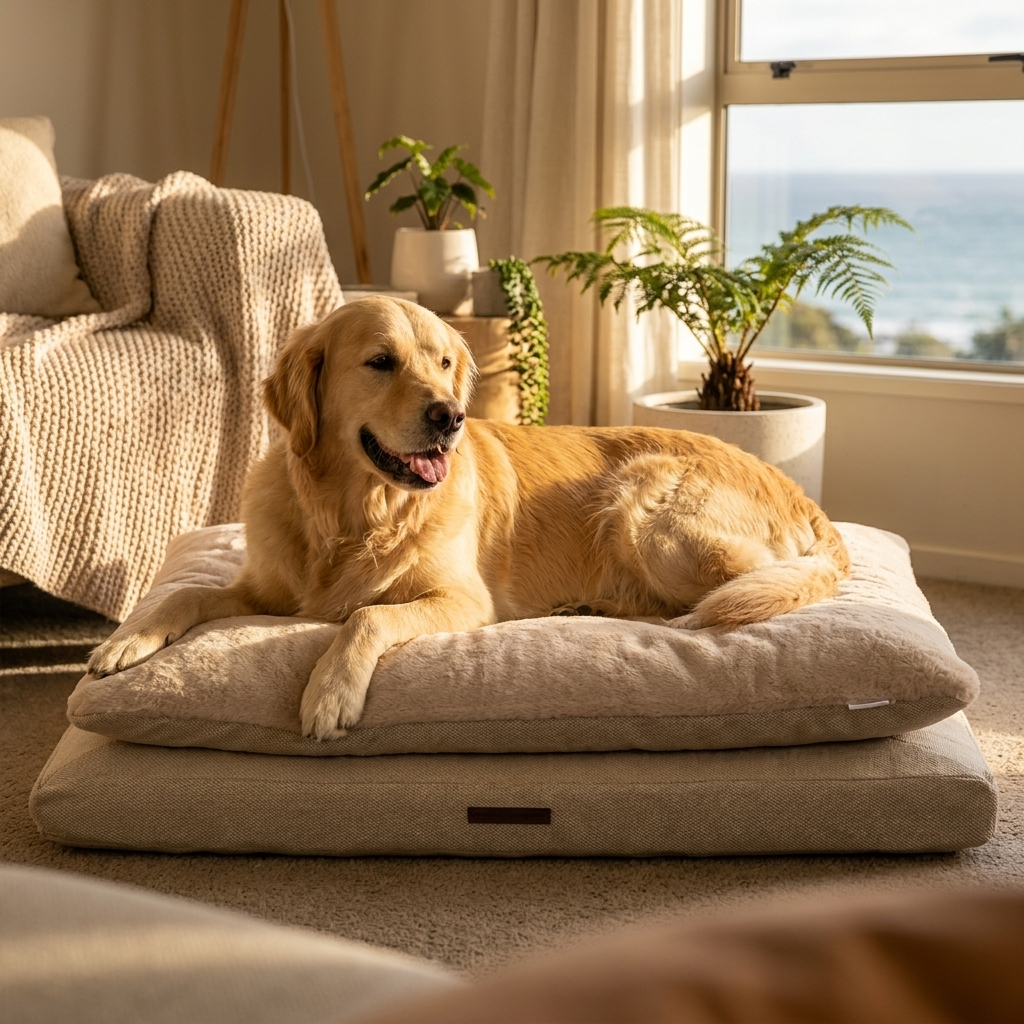
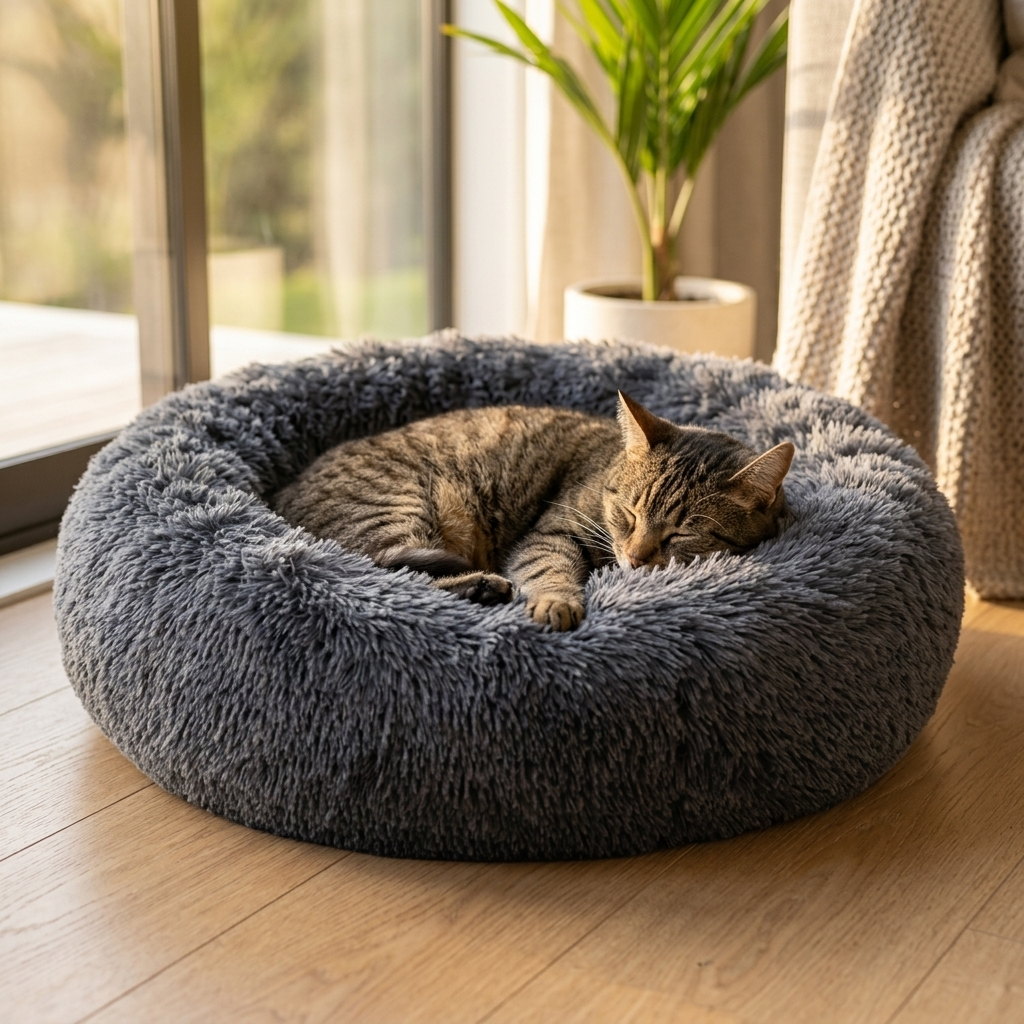
Not all beds are created equal when it comes to winter. A thin cushion on a tile floor is not going to cut it. Look for beds with raised edges that trap warmth, orthopaedic foam that supports joints, or bolster styles that let your dog curl up and nest. For cats, enclosed beds and igloo styles hold heat well and give them the cosy, tucked-away feeling they naturally look for in cold weather.
Pair the right bed with a blanket and you have a setup that holds warmth through the night. Fleece and sherpa blankets are popular because they are soft, warm, and machine washable. If your pet really feels the cold, a microwave heating pad placed under their blanket can add gentle warmth for a few hours without any cords or electricity to worry about.
Winter pet bedding
Get your home winter-ready
Winter changes your routine, and your pet's too. Shorter days mean earlier dinners, darker mornings, and more time spent indoors. A few pieces of pet tech can make the day-to-day easier for both of you.
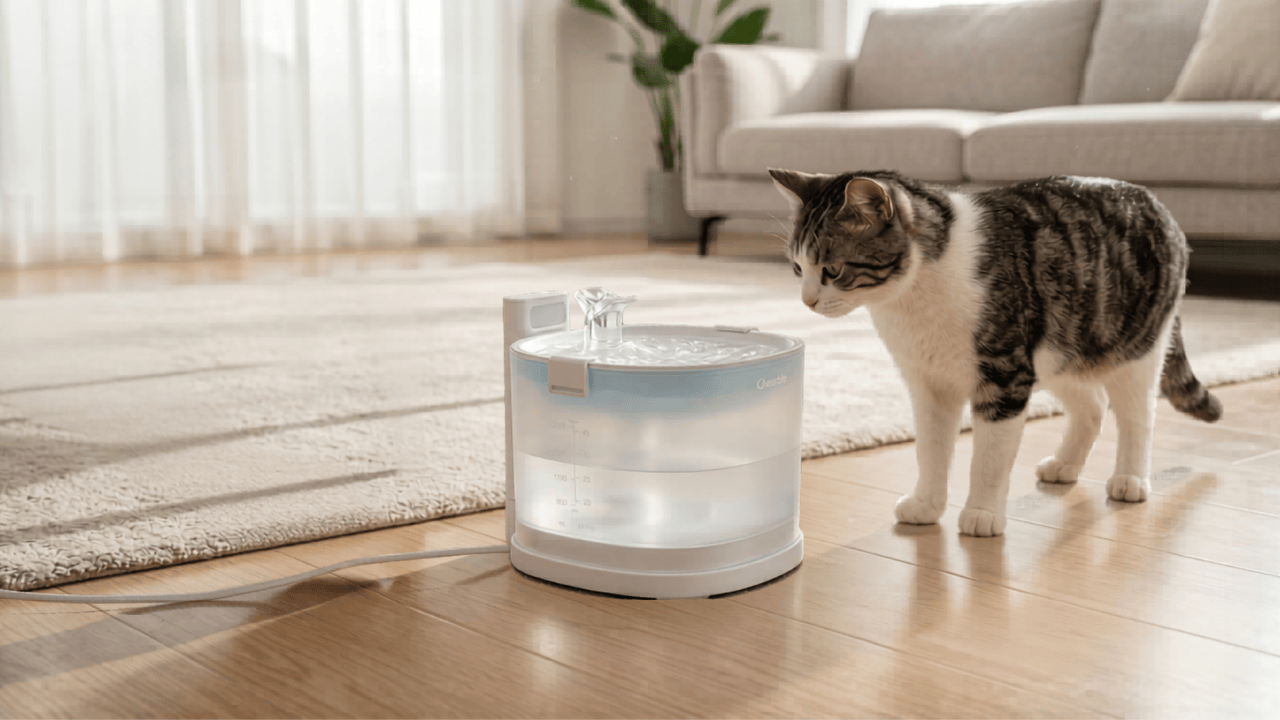
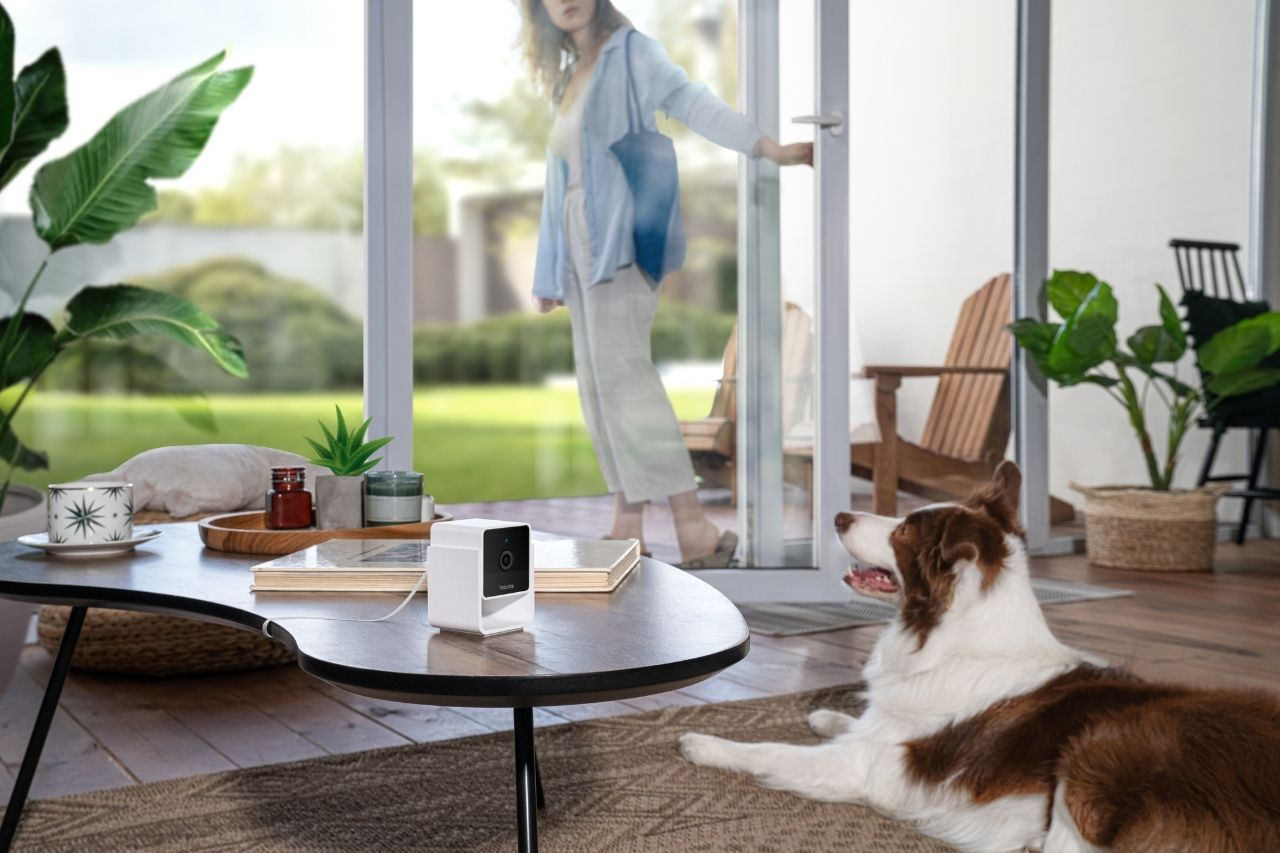
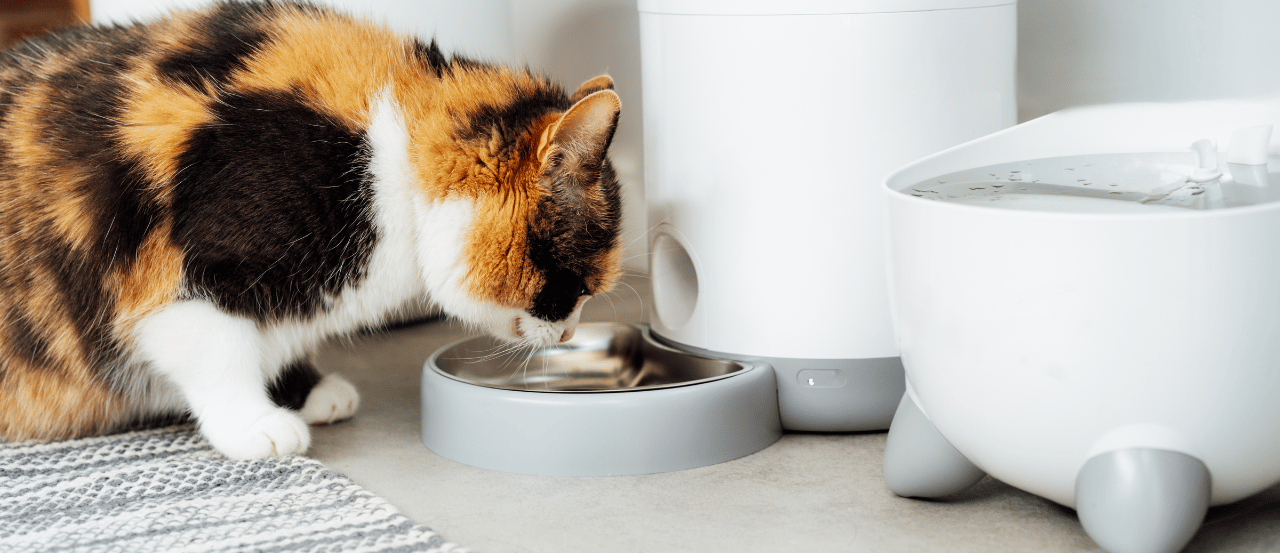
An automatic feeder keeps meal times consistent even when your schedule shifts. A water fountain encourages your pet to drink more, which matters when indoor heating dries out the air. And if you are out of the house during the day, a pet camera lets you check in without wondering what they are up to.
A pet door gives your dog or cat the freedom to come and go on their own terms, which is especially useful in winter when they might want a quick trip outside without waiting for you to open the door. Microchip and smart pet doors add a layer of security by only letting your pet through, keeping strays and cold air out. If you already have one, winter is a good time to check the seal and make sure the flap is still doing its job.
Smart feeders and water fountains
Pet doors
Worth a read


There is a particular look a dog gives you when you open the front door on a cold, wet morning. A mix of obligation and deep reluctance. They know the walk is happening, but they would really rather it was not raining.
Not every dog needs outerwear. Thick-coated breeds like huskies and retrievers are built for cold weather and will happily trot through a downpour. But short-haired breeds, small dogs, seniors, and pets recovering from illness or surgery lose body heat quickly. For them, a jacket or raincoat is not a fashion statement. It is the difference between a comfortable walk and a miserable one.
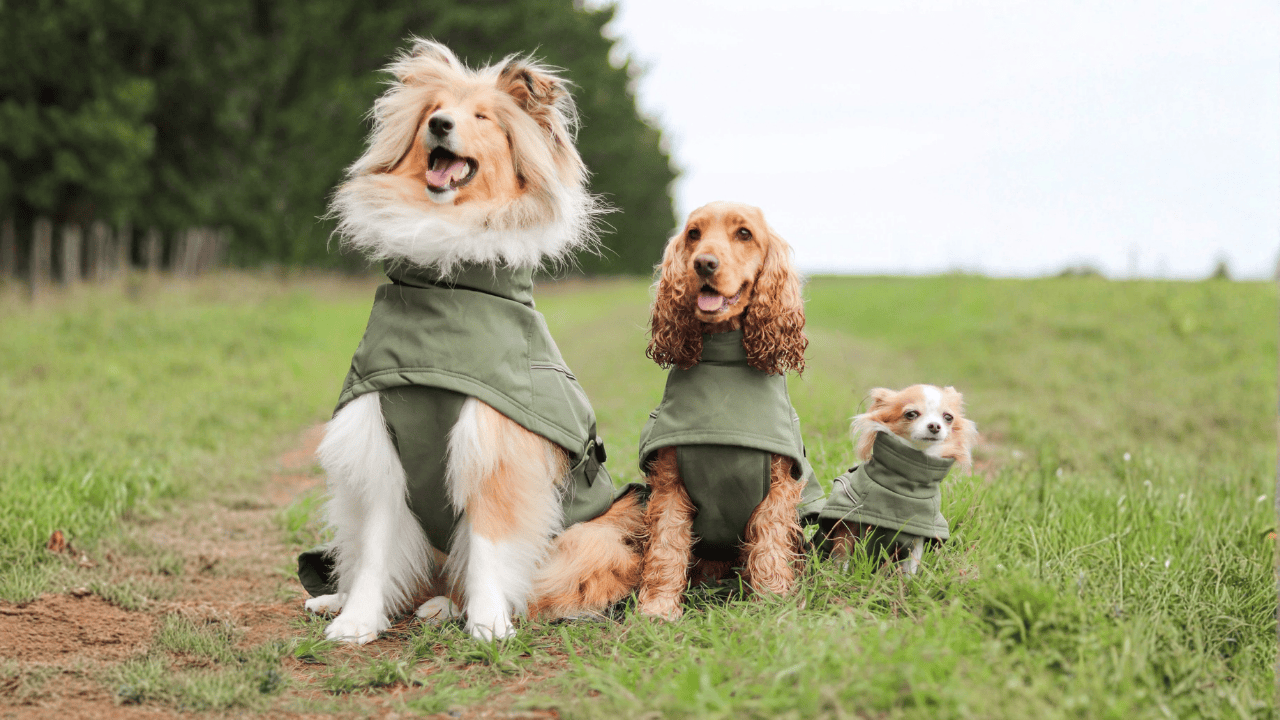
Jackets, coats, and rainwear
New Zealand winters are more wet than frozen, which means raincoats get more use than insulated puffer jackets in most parts of the country. A good raincoat keeps your dog dry without overheating them, and it means you are not spending 20 minutes towelling them down every time you get home.
For dogs who genuinely feel the cold, a fleece-lined jacket adds warmth without bulk. The key is fit. A jacket that is too loose flaps around and annoys them. Too tight and it restricts movement. Most brands have sizing guides based on chest girth and back length, so measure before you buy.
If your dog has never worn a coat before, introduce it indoors first. Let them wear it around the house for a few minutes before heading outside. Most dogs forget it is there within a walk or two.
Winter clothing
Be seen in the dark
In June and July, the sun does not come up until well after 7am and it sets before 5.30pm. If you walk your dog before work or after dinner, you are walking in the dark. Drivers, cyclists, and runners do not always see a dog on the footpath, especially a dark-coated one.
An LED collar light is one of the simplest safety upgrades you can make. It clips onto their collar or harness and makes them visible from a distance. Reflective leads and harnesses add another layer of visibility without needing batteries. Some jackets and raincoats come with reflective strips built in, which is worth looking for if you are buying new gear anyway.
It is a small thing, but it makes a real difference on those dark, wet evenings when visibility drops to almost nothing.
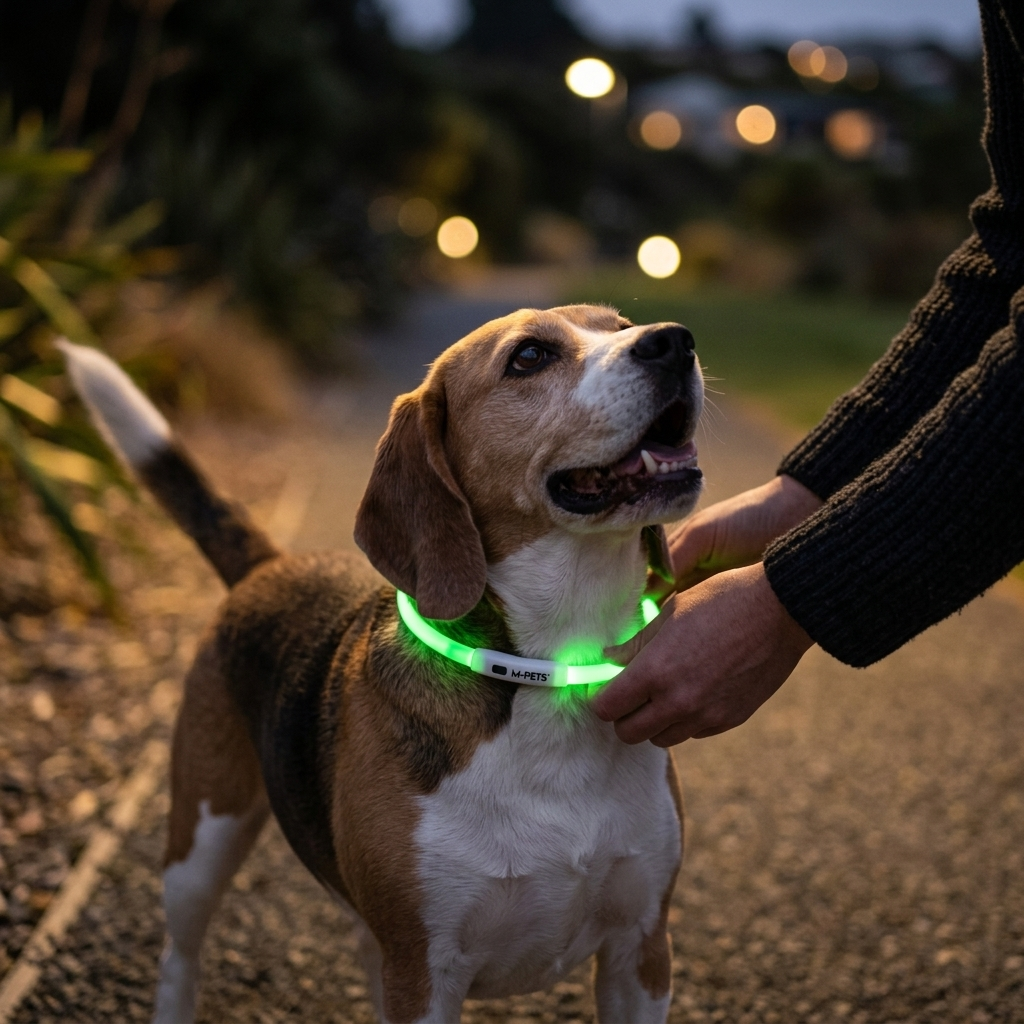
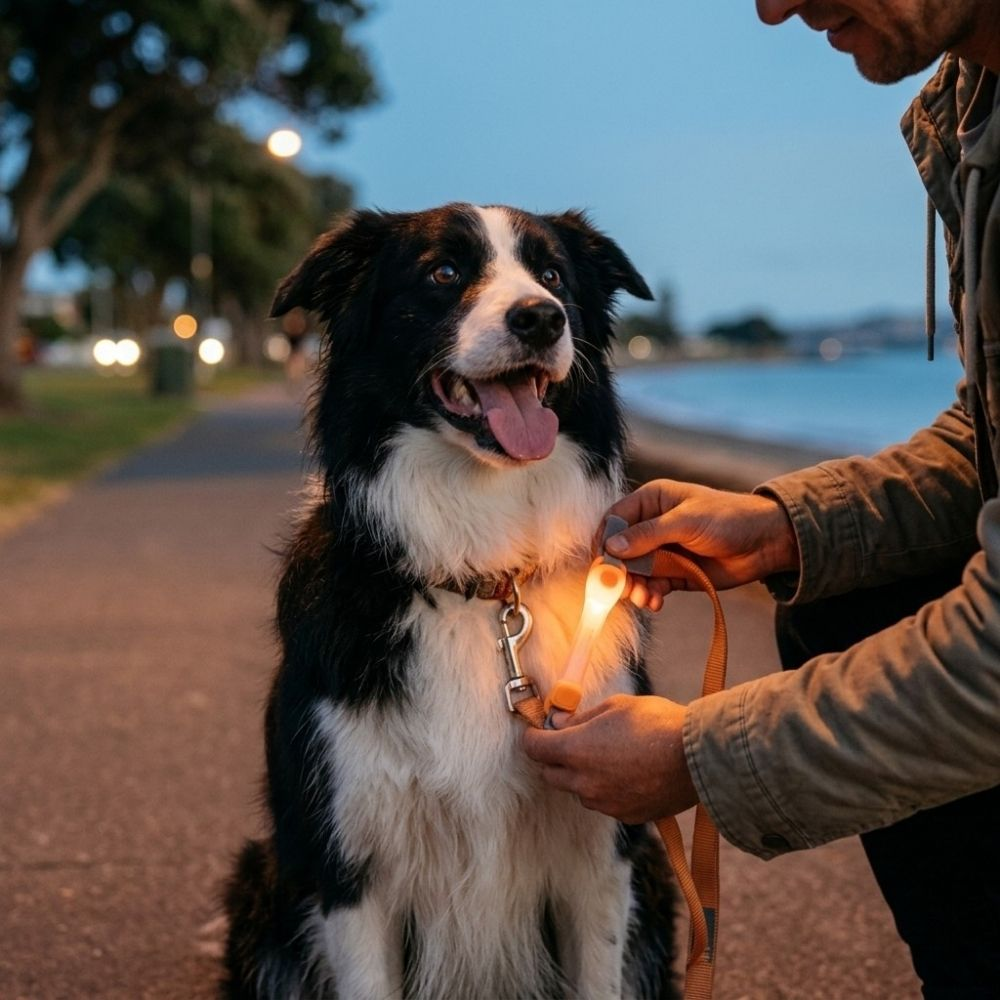
Lights and reflective gear
Worth a read
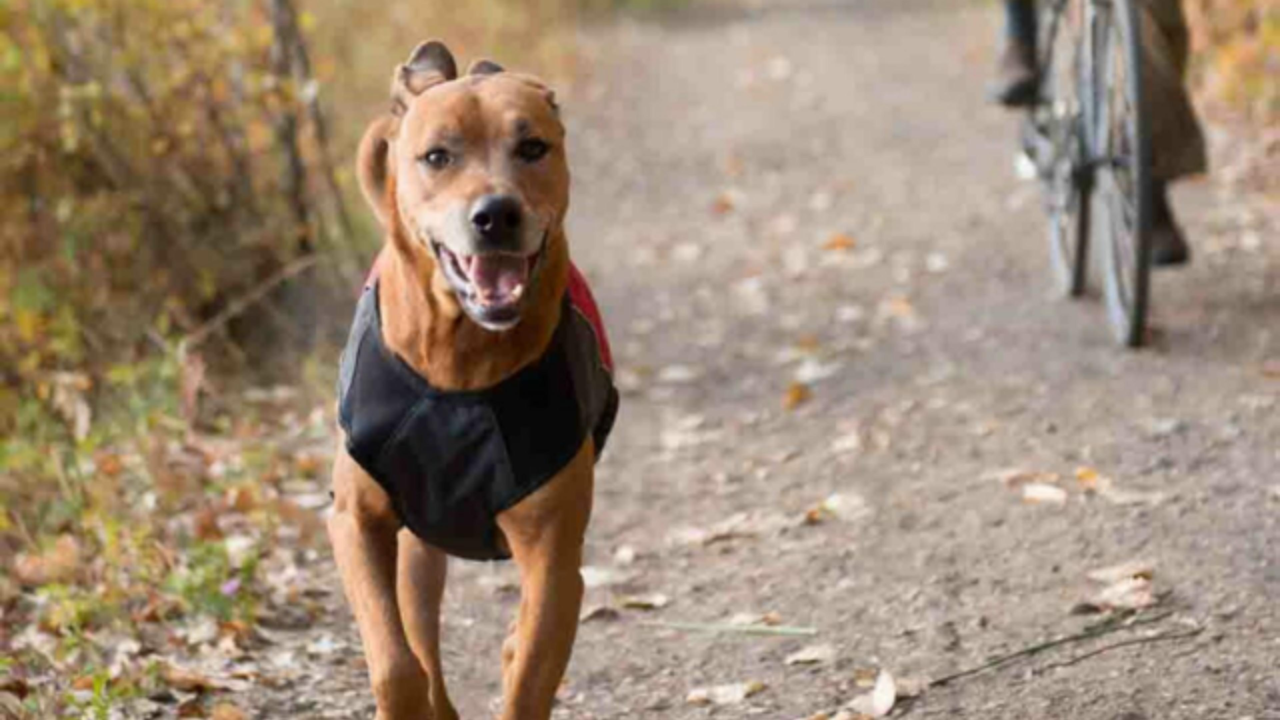


You might not notice the change straight away. It starts with small things. Your dog takes a bit longer to get up from their bed. Your cat stops jumping onto the windowsill they used to love. The walk that used to take 30 minutes now takes 40 because they are moving more carefully.
Cold weather does not create joint problems, but it makes existing ones harder to ignore. Muscles tighten, synovial fluid thickens, and inflammation that was manageable in summer becomes genuinely uncomfortable when the temperature drops. Older pets and larger breeds feel it most, but it can affect any dog or cat with underlying joint wear.
Supporting stiff joints through the cold
Joint supplements are not a quick fix, but for many pets they can help support comfort and mobility over time, especially when combined with a warm sleeping spot and gentle, consistent exercise.
The most common active ingredients you will see are glucosamine, chondroitin, and green-lipped mussel. Glucosamine and chondroitin are building blocks for cartilage and may help support the cushioning between joints. Green-lipped mussel, which is native to New Zealand, contains omega-3 fatty acids that can help support a healthy inflammatory response.
Most joint supplements take a few weeks of consistent use before you notice a difference. They work best as a long-term addition to your pet's routine rather than something you reach for only when symptoms appear.
Joint support
Skin, coat, and grooming through the cold months
Winter is tough on skin and coats. Your pet moves between cold outdoor air and warm, dry indoor heating multiple times a day. That constant shift strips moisture from their skin and can leave their coat looking dull, feeling rough, or producing more dandruff than usual.
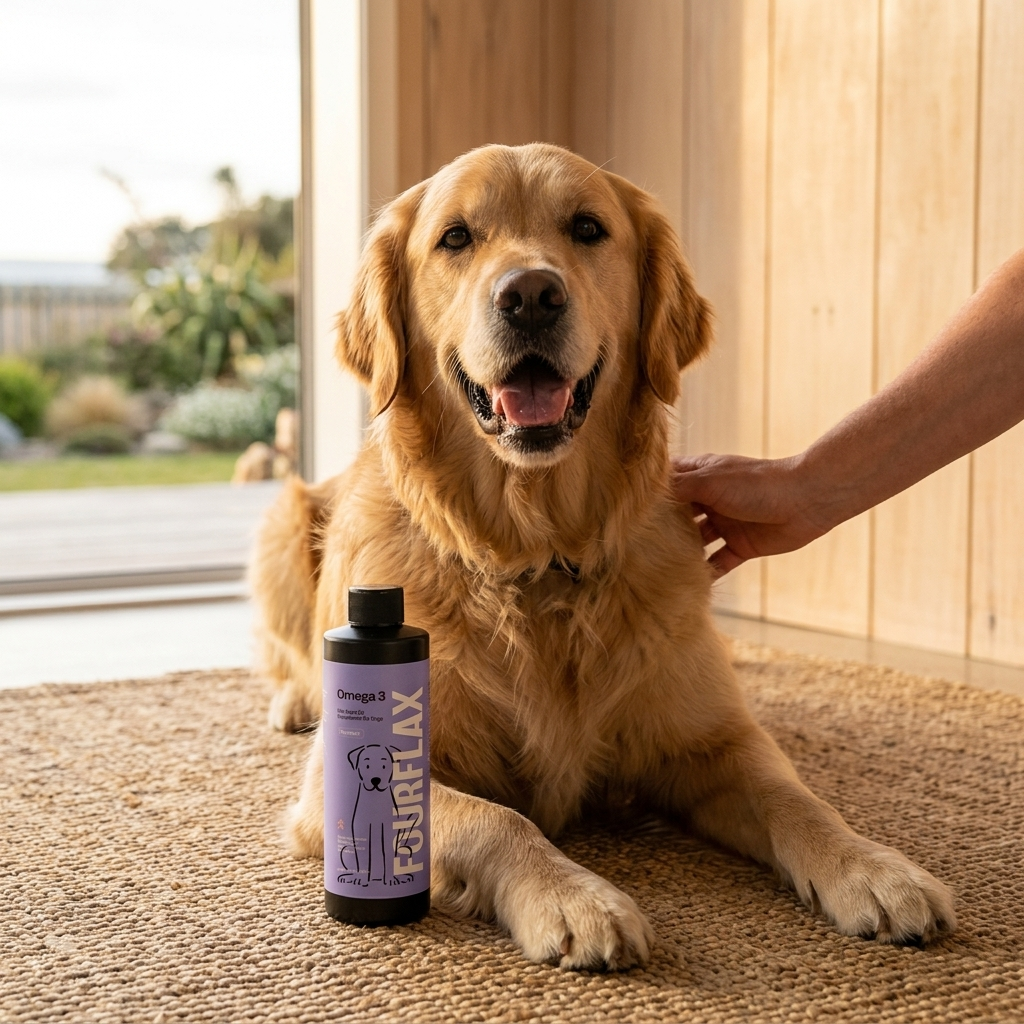
Omega-3 and omega-6 fatty acid supplements can help support skin hydration and coat condition from the inside. Fish oil is the most common source, but you will also find plant-based options.
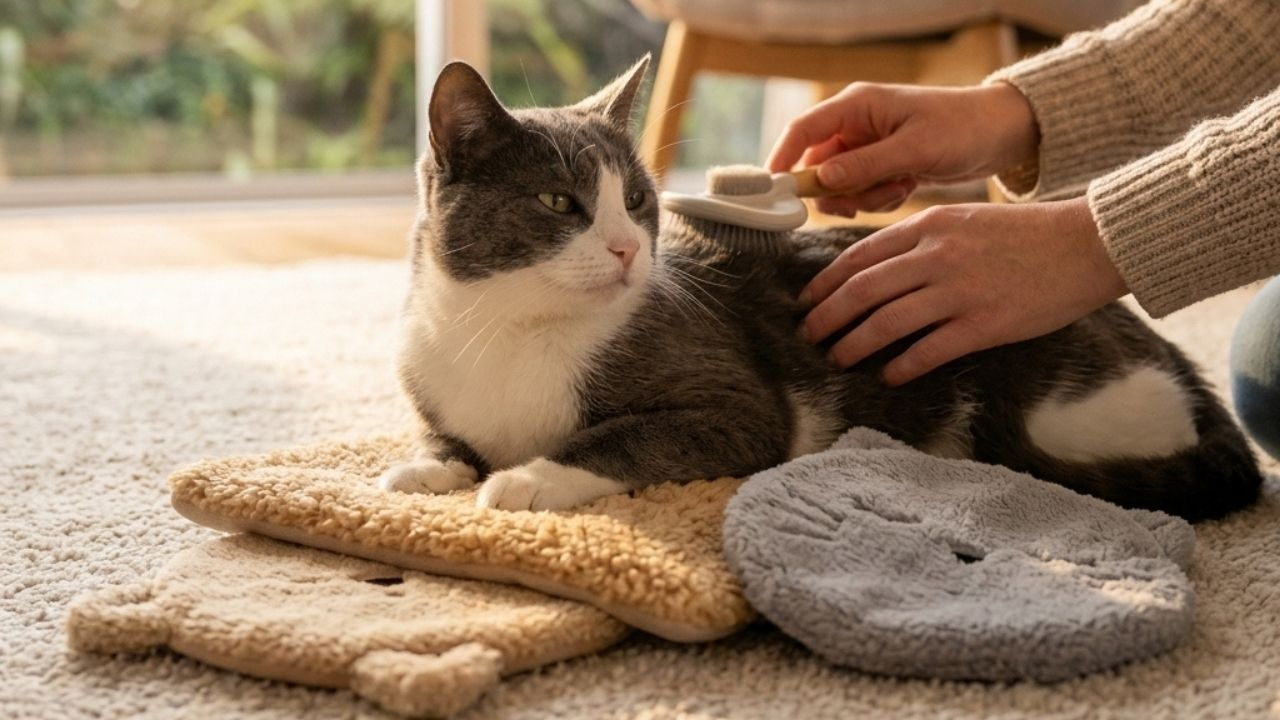
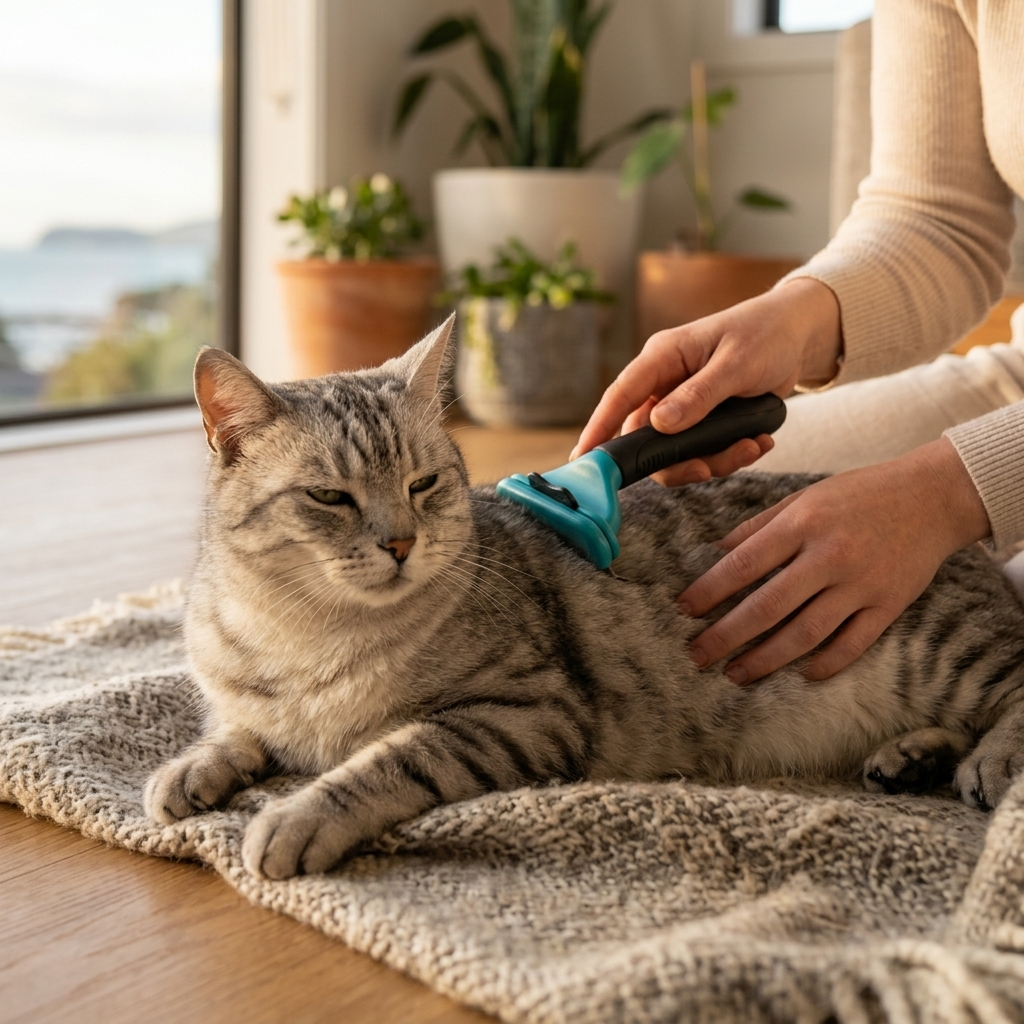
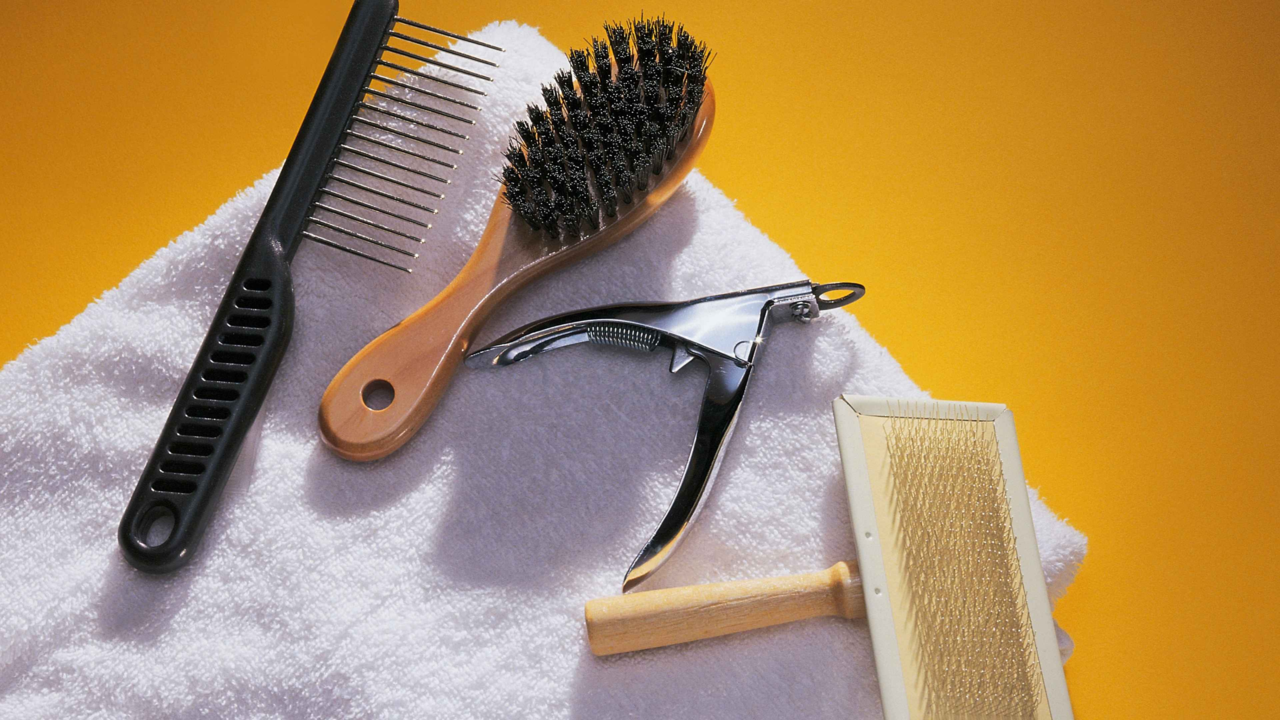
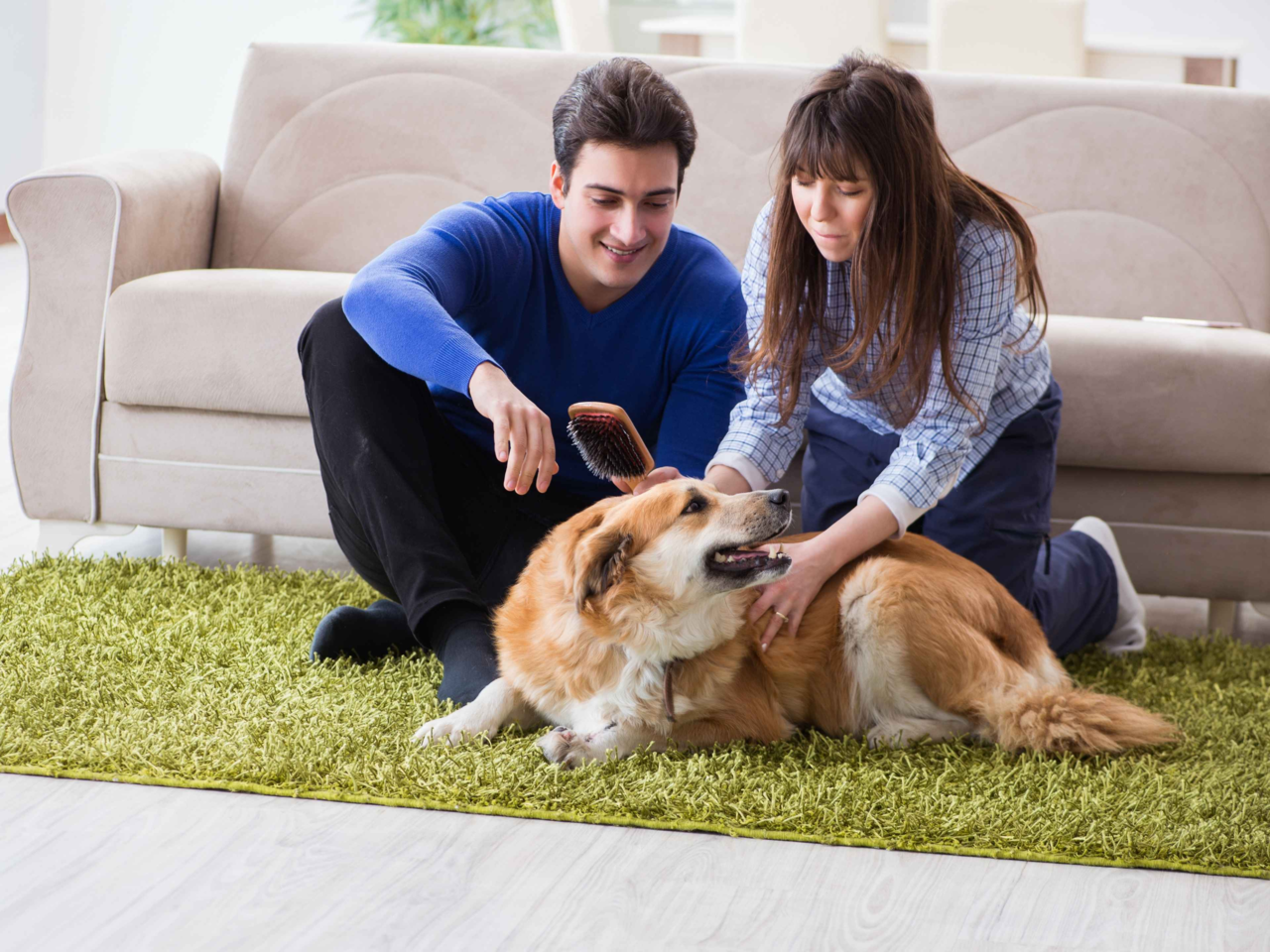
Regular brushing helps too. It removes loose undercoat, distributes natural oils through the fur, and gives you a chance to spot any dry patches or irritation early. A good deshedding brush or slicker brush used a couple of times a week can keep their coat in much better shape than waiting for a big groom every few months.
Skin and coat supplements
Grooming brushes
Keep an eye on the small changes
If your pet is limping, reluctant to move, losing weight, or showing any sudden change in behaviour or energy levels, it is worth getting them checked out by a professional. Some conditions that look like "just getting older" are actually treatable, and catching them early makes a real difference to your pet's quality of life.
Worth a read
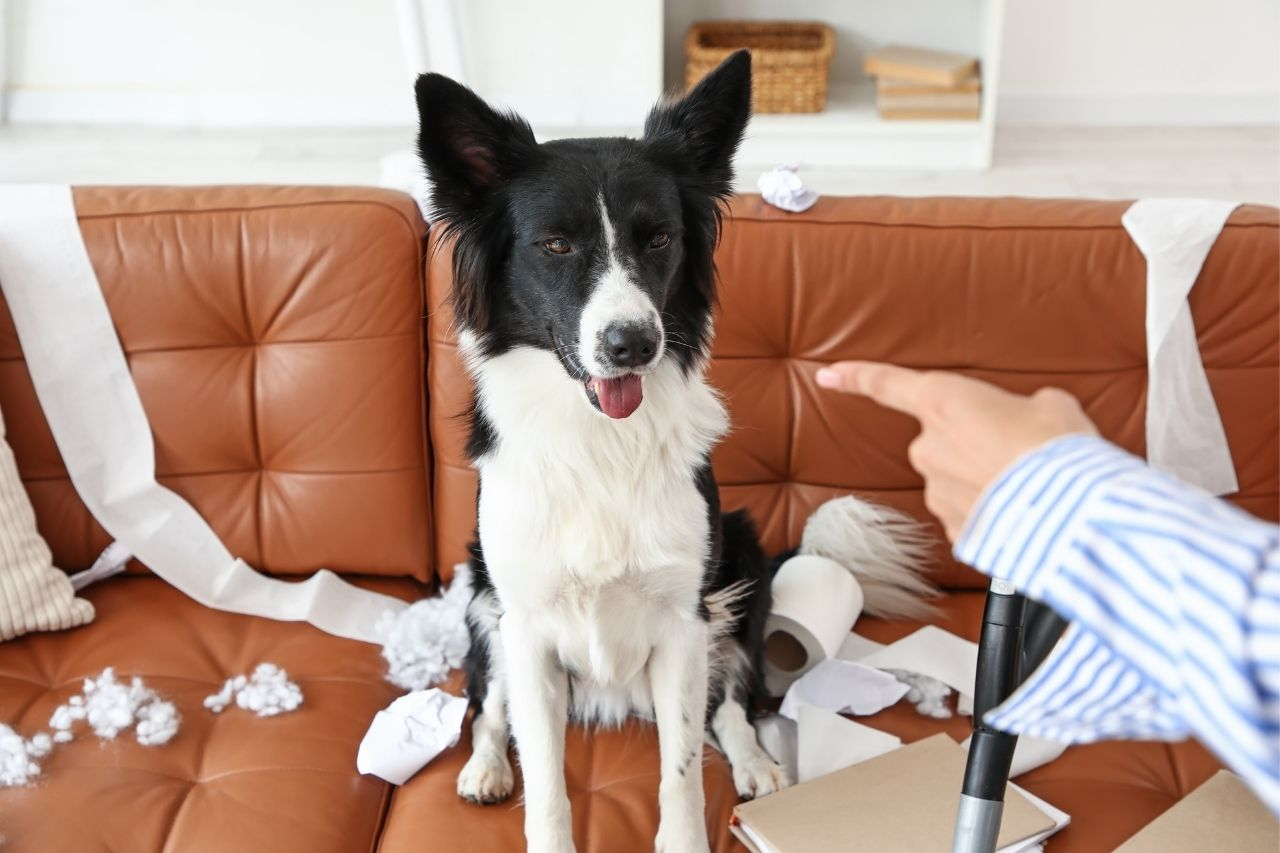
We get that a bored pet is a creative pet, and not in a good way. When the weather keeps them indoors and there is nothing to do, they will find their own entertainment. Shoes get chewed. Furniture gets scratched. The bin gets investigated. Your dog barks at nothing for 20 minutes straight.
The fix is not more exercise, although that helps. It is mental stimulation. A dog who spends 15 minutes working food out of a puzzle toy is often more satisfied than one who spent 15 minutes running around the garden. Their brain gets tired in a good way, and a mentally tired pet is a calm pet.
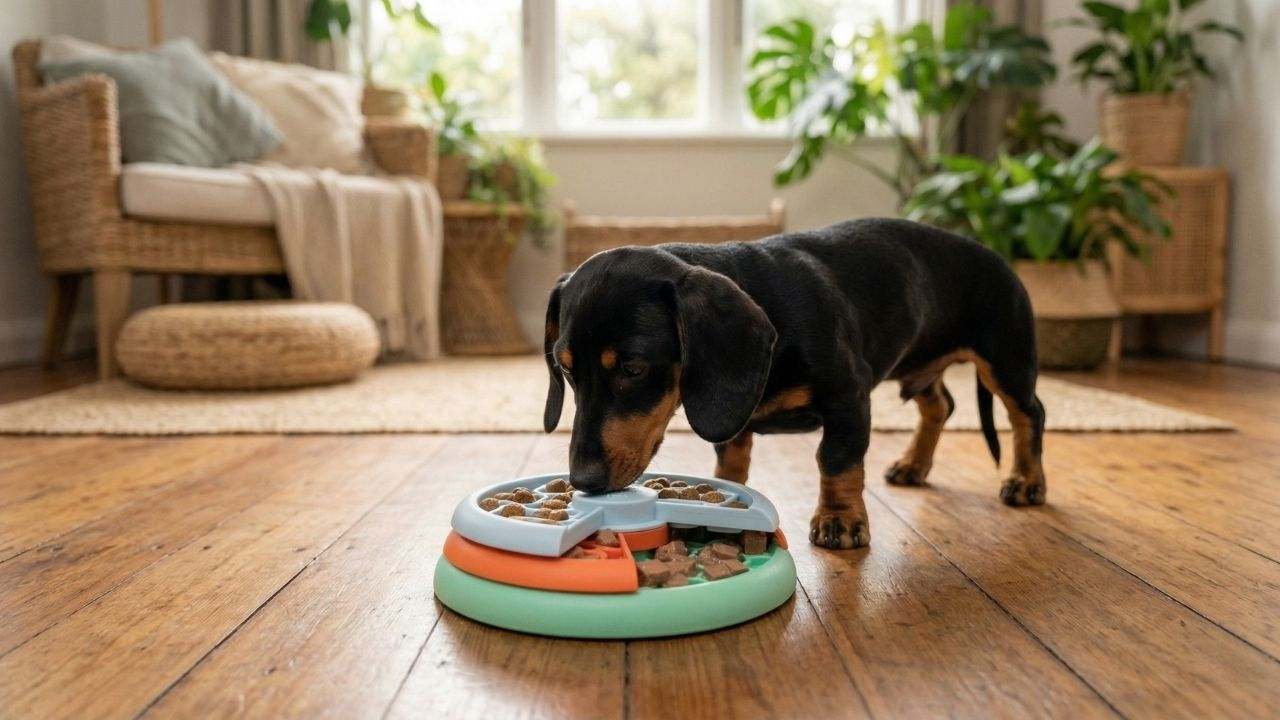
Puzzle toys and enrichment feeders
Puzzle toys turn meal time into a problem-solving session. Instead of inhaling their food in 30 seconds, your dog has to nudge, paw, or roll the toy to get the kibble out. It slows down fast eaters, reduces gulping, and gives them something to focus on that is not your skirting boards.
For cats, puzzle feeders tap into their natural hunting instinct. Cats are wired to work for their food, and a puzzle feeder that makes them bat, swipe, or reach for each piece keeps them engaged in a way that a bowl on the floor never will. It is especially valuable for indoor cats who do not get the stimulation of outdoor hunting.
Puzzle toys for dogs
Cat enrichment
Lick mats and snuffle mats
Lick mats are one of those products that sound too simple to work, but they do. Spread some wet food, peanut butter (xylitol-free), or yoghurt across the textured surface and your dog will spend 10 to 20 minutes licking it clean. The repetitive licking action releases endorphins, which can help reduce anxiety and settle restless dogs.
Snuffle mats work differently. You scatter kibble or small treats through the fabric folds and your dog uses their nose to find every piece. It is scent work in its simplest form, and it taps into one of the most satisfying activities a dog can do. Ten minutes of snuffling can be as tiring as a short walk.
Both are brilliant for rainy days when a proper walk is not happening, and they are easy to clean.
Lick mats and snuffle mats
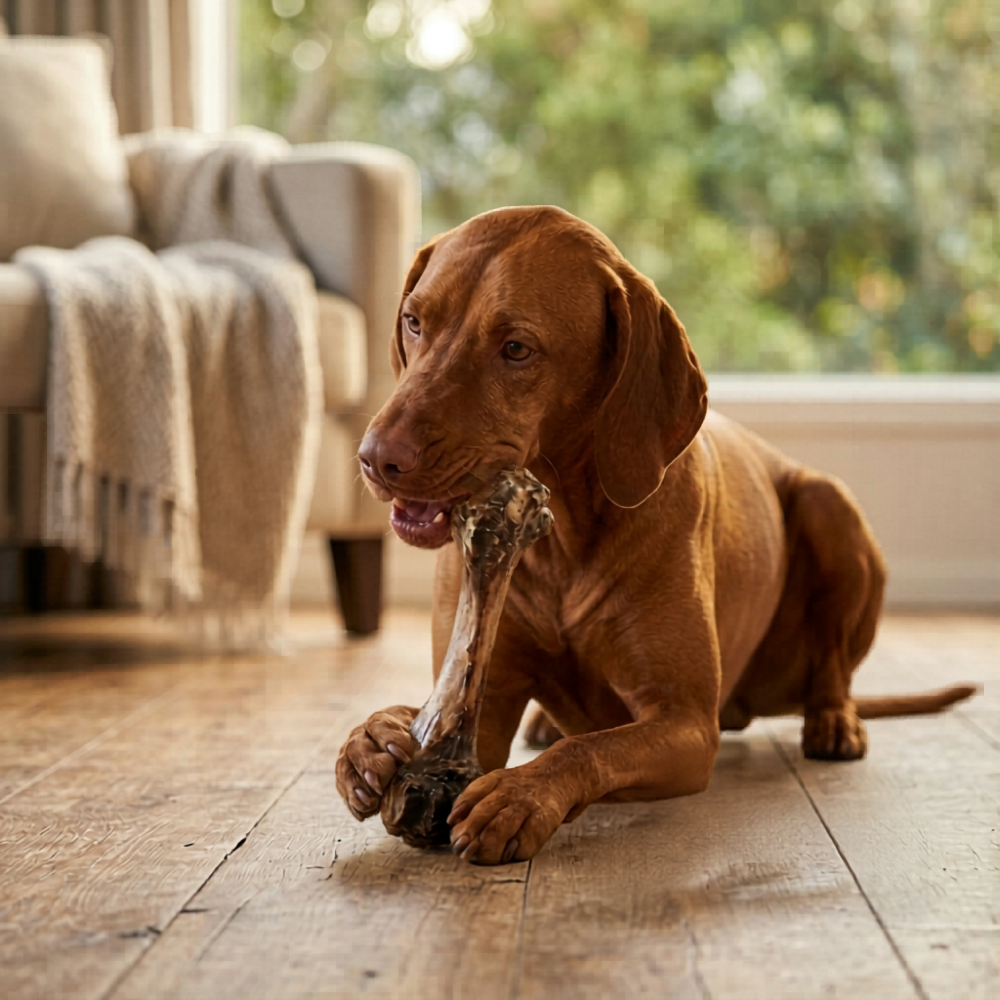
Long lasting chews
Some dogs just need to chew. It is not a behaviour problem. It is a biological need. Chewing releases serotonin, helps clean teeth, and gives them an outlet for energy that might otherwise go into destroying something you care about.
A good long-lasting chew can keep a dog occupied for an hour or more. Look for natural options that are appropriate for your dog's size and chewing style. Aggressive chewers need something dense and durable. Lighter chewers can enjoy softer options like dried tendons or fish skins. Always supervise with a new chew until you know how your dog handles it.
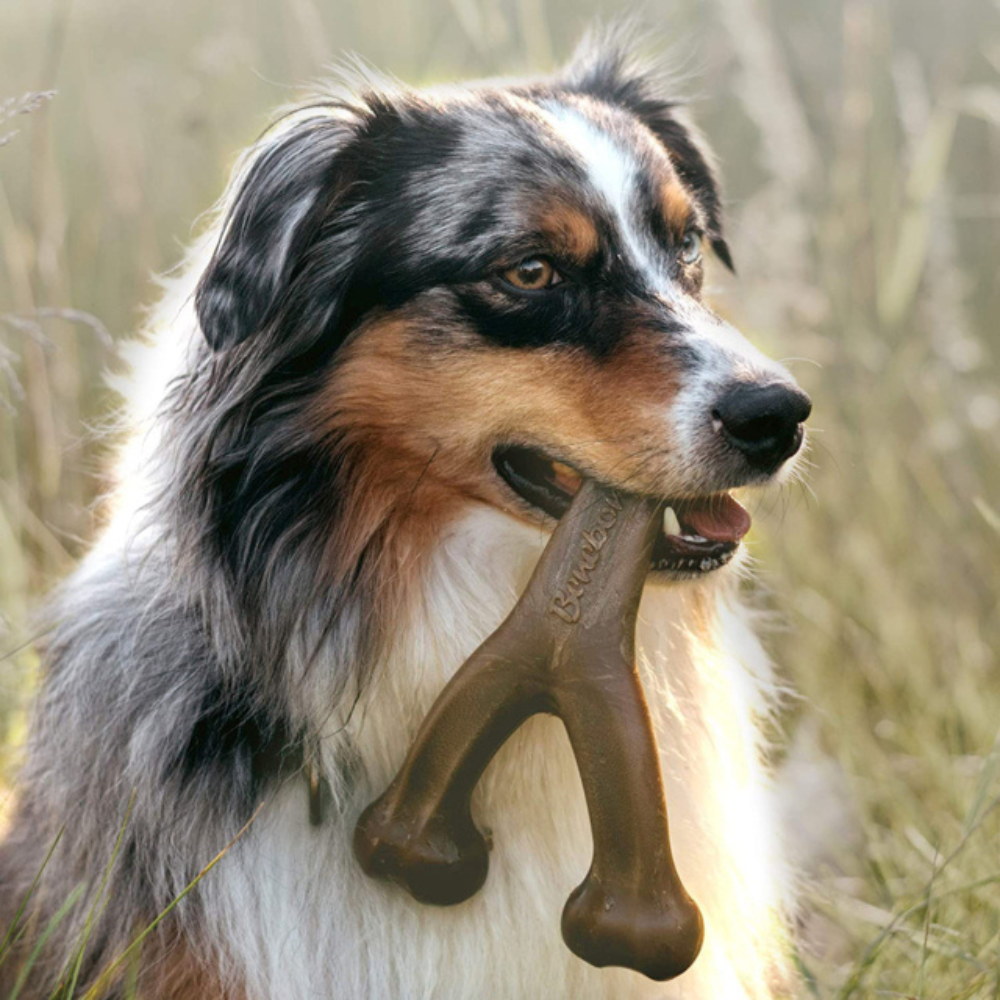
Long lasting chews
Worth a read
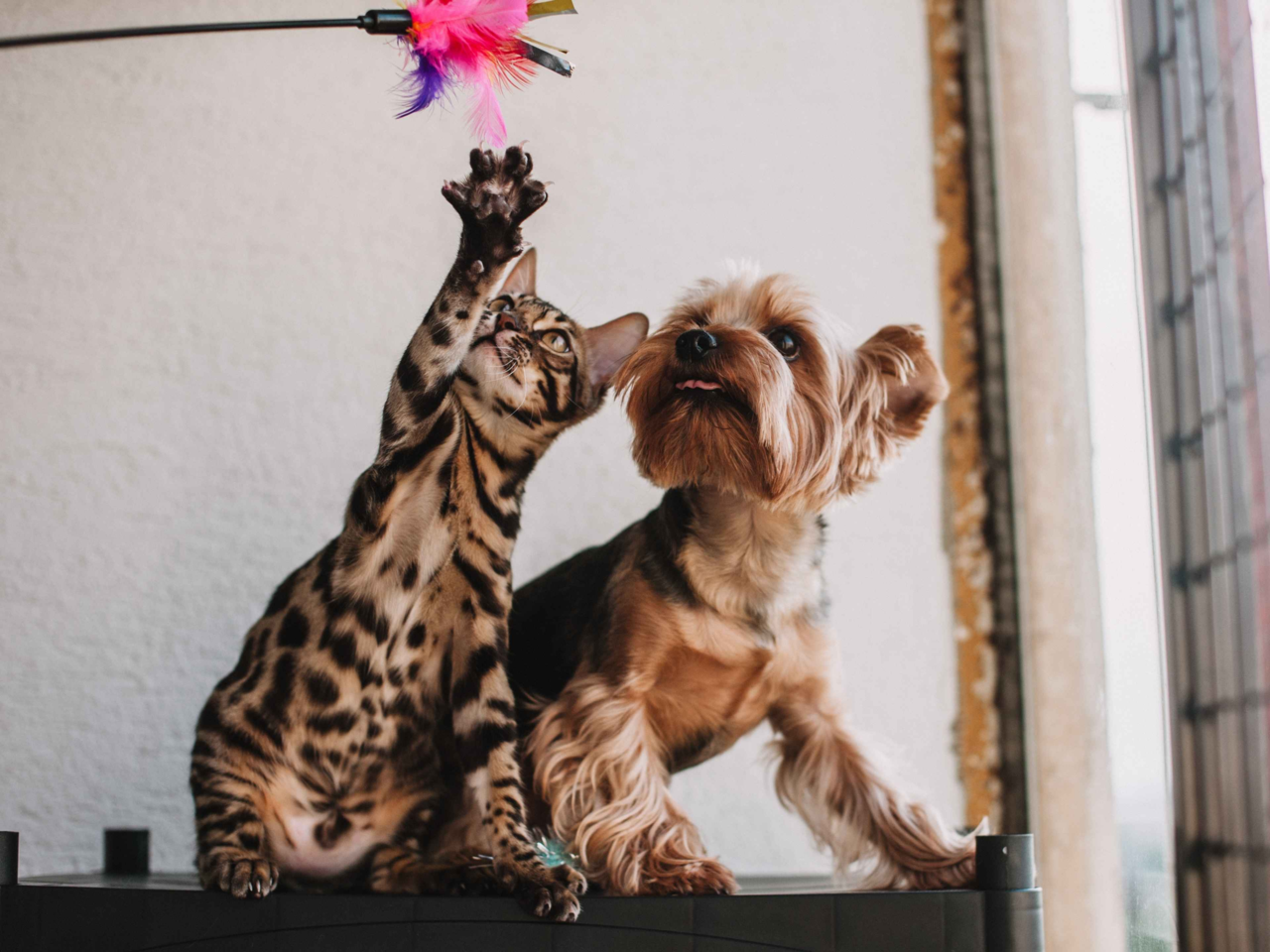
Build the perfect bowl: winter edition
Give your pet's meals a seasonal boost in a few simple steps.
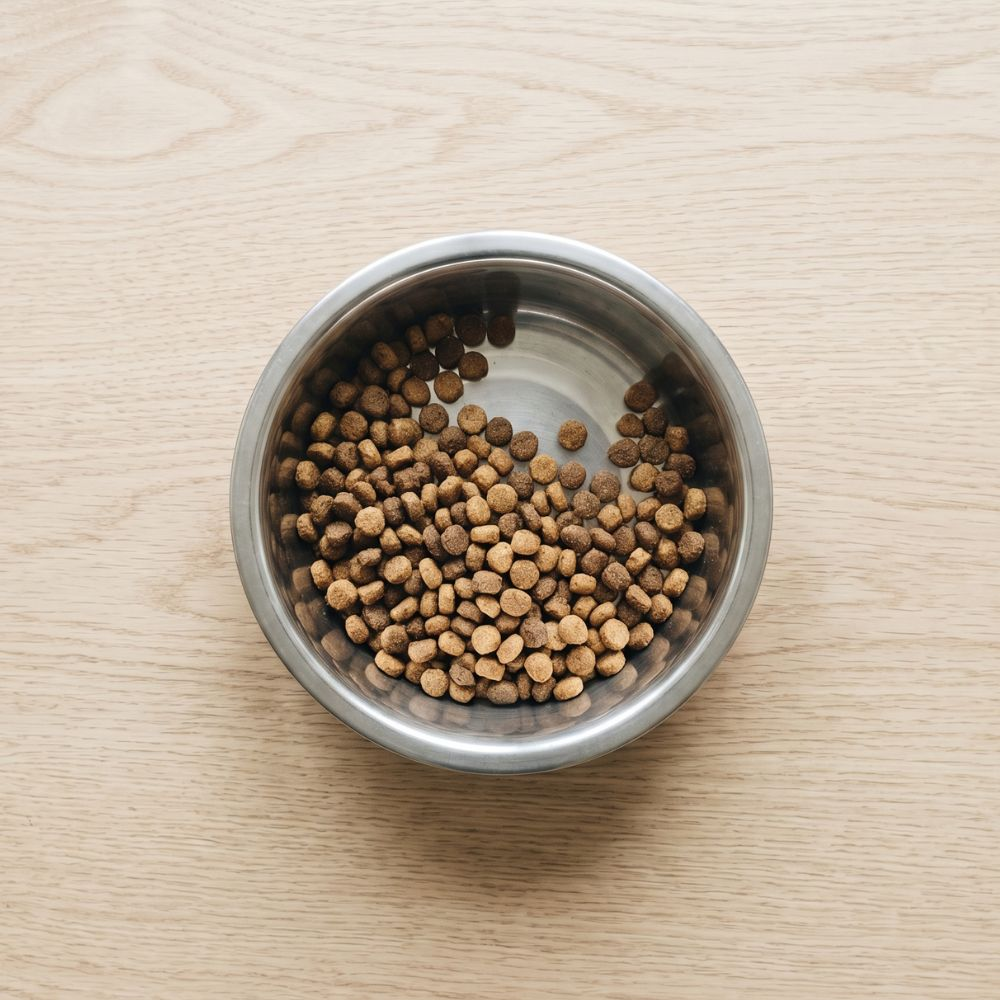
Choose your base
Start with a complete dry or wet food that suits your pet.
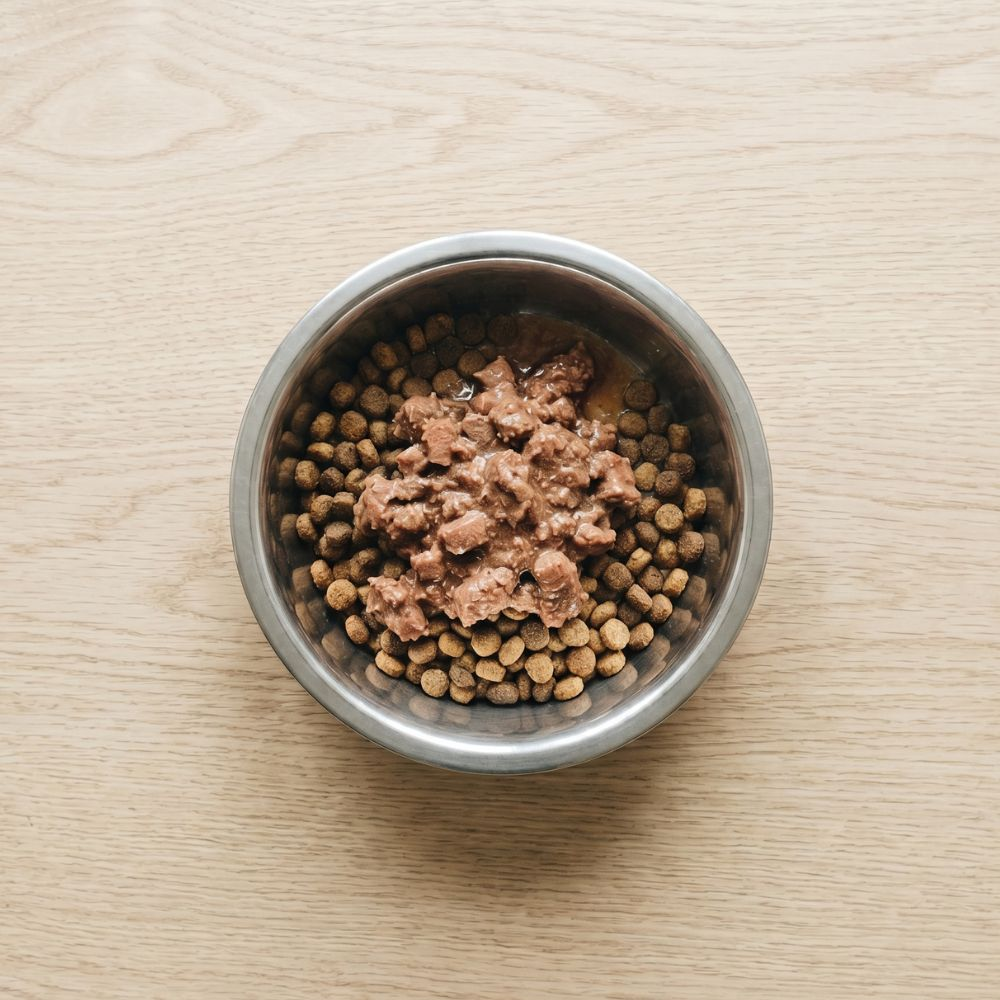
Add a protein boost
Mix in a fresh meat topper or freeze-dried protein for extra nutrition.

Support from within
Drop in a supplement for joints, skin, or overall wellness.
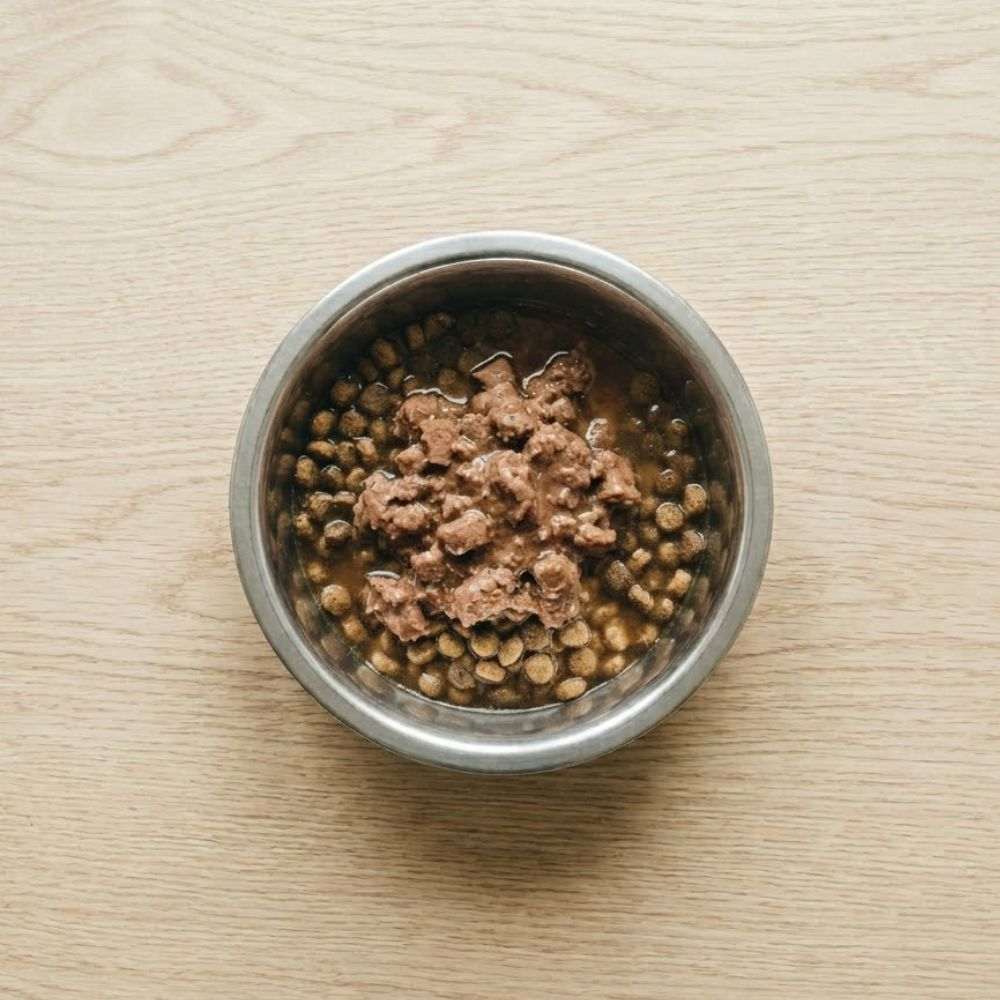
Warm it up for winter
Finish with a splash of bone broth to add warmth, hydration, and flavour.
Food Toppers and Broths
Shop all winter warmers
Everything you need to help your pet stay warm, well, and happy this season.