If your older cat has started having accidents outside the litter tray, it's easy to assume they're just being naughty or that they've forgotten their training. With senior cats, that's almost never the real story. Litter tray accidents in older cats are very often a sign that something physical is going on, not a behavioural issue.
This is a friendly guide to the common reasons senior cats start missing the litter tray, and why it's worth getting them checked rather than waiting it out. We're not a clinic, so this is a starting point for understanding what could be happening, not a diagnosis.
Quick answer
When older cats start having accidents outside the litter tray, it's most often a sign of something physical (urinary issues, kidney changes, thyroid issues, diabetes, arthritis or cognitive change), not a behaviour problem. The single most useful thing you can do is book a check-up at your clinic. Many of these are very treatable, especially when picked up early. In the meantime, multiple low-sided trays around the house and consistent routines can help.
Important
If your senior cat is straining to wee, going very frequently with little coming out, or you notice blood in their urine, treat it as urgent and contact your vet the same day. Urinary blockages can become serious quickly and need quick attention.
Why "Naughty" Is Almost Never the Right Answer
Cats are clean by nature and they take their toilet routine seriously. When a senior cat suddenly starts going somewhere else, in a corner, on a rug, or right next to the tray, it's their way of telling you something has changed. Common things that can be behind it:
- It hurts to wee or poo, so they associate the tray with discomfort
- They're going more often than they used to and can't always make it
- It hurts to climb in or squat in the tray they've always used
- They feel disoriented and can't quite remember where the tray is
- Their senses (smell, sight, hearing) are fading and the usual cues aren't as clear
None of those are about behaviour. They're physical changes that owners can help with once they know what's going on.
Common Medical Reasons Worth Checking
Below are some of the more common reasons clinics see for litter tray accidents in older cats. They're listed here so you have a picture of why a check-up matters, not as a way to self-diagnose. Your clinic is the only place that can work out what's actually going on.
Urinary tract issues
Infections, inflammation or stones can make weeing painful. Cats often start going outside the tray because they associate it with the discomfort. Signs can include straining, going little and often, or blood in the urine.
Kidney changes
Kidney issues are common in older cats and often mean drinking more water and weeing more often. A senior cat who's suddenly making bigger or more frequent puddles could have something kidney-related going on.
Thyroid changes
An overactive thyroid (hyperthyroidism) is something clinics see often in senior cats. It can lead to drinking more, eating more, weight loss and changes in toileting habits.
Diabetes
Diabetes can also cause increased thirst and urination, which often leads to accidents simply because the cat can't make it to the tray in time.
Arthritis and joint pain
If it hurts to step into a high-sided tray, or to squat once they're in, an older cat may start going just outside it. This one is really common and easy to miss because the cause is mobility, not toileting.
Cognitive change (cat dementia)
Some senior cats experience changes in how their brain works as they age (often called feline cognitive dysfunction). Forgetting where the tray is, or getting confused on the way, can be one of the signs.
Constipation or digestive issues
If your cat is straining or uncomfortable when they poo, they may start going elsewhere. Older cats can become more prone to constipation, often linked to hydration or diet.
Vision or hearing loss
A cat who can't see or hear as clearly may struggle to navigate to the tray, especially at night. Sometimes the tray simply isn't where they thought it was.
Two or more changes happening together (drinking more, weight loss, accidents, behaviour shifts) is a strong cue to get a check-up sooner rather than later.
What to Track Before Your Clinic Visit
If you can give your clinic a clear picture of what's been happening, they can usually work things out faster. A few things worth noting:
When it started
How long have the accidents been happening? Did anything in the house change just before (new pet, moved tray, new litter)?
Wee or poo
Are the accidents wee, poo, or both? Worth noting because the causes are quite different.
Frequency
Are they going more often than usual? More or less volume? Any straining?
Drinking and eating
Has water intake or appetite changed? More or less than normal? Any weight changes you've noticed?
Movement
Any signs of stiffness, hesitating before jumping, or moving more slowly than they used to?
Behaviour shifts
Any other changes (yowling, sleep schedule, hiding, getting confused at home)? Even small shifts can be useful clues.
A short note on your phone or even a few photos of the tray can be helpful for your clinic, especially if you can capture what's coming out.
Things You Can Try at Home
Alongside getting a check-up, a few changes at home can make a big difference for senior cats. None of these replace clinic advice, but they often help your cat feel more comfortable using their tray:
Multiple trays
One tray on each level of your home, or one in each main area. The general rule of thumb is one tray per cat plus one extra. Older cats benefit even more from having a tray close by.
Low-sided trays
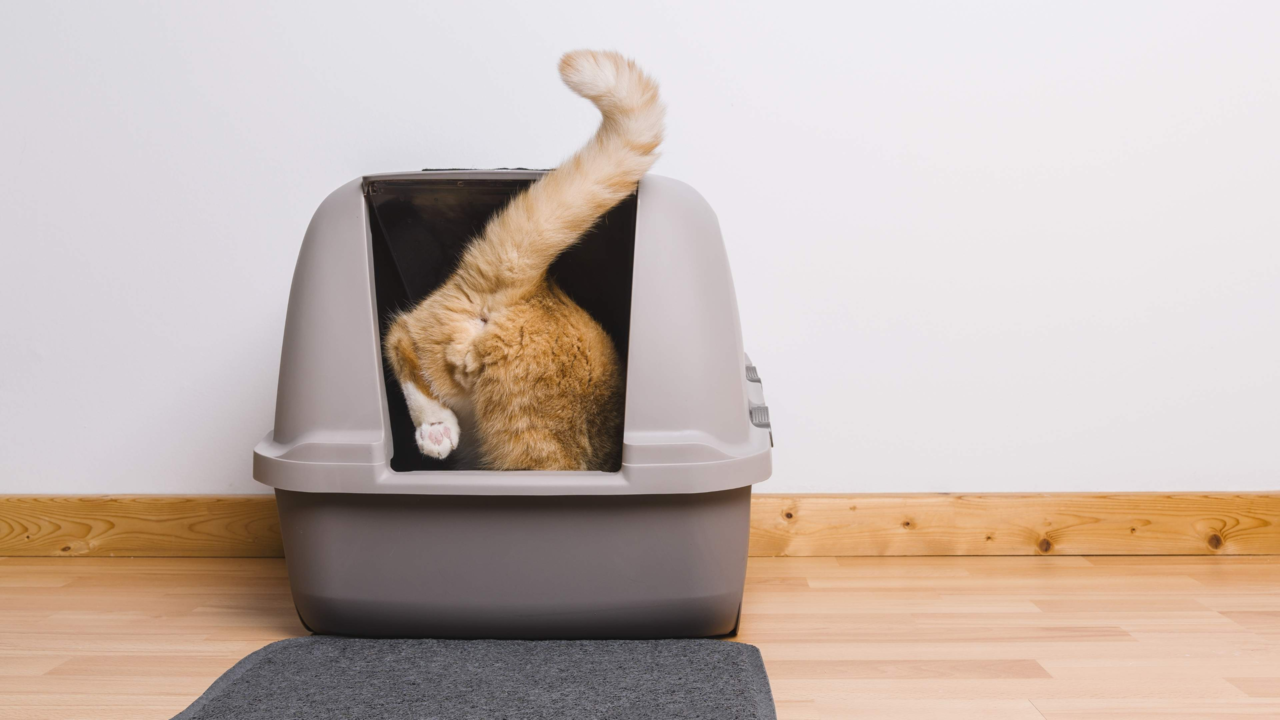
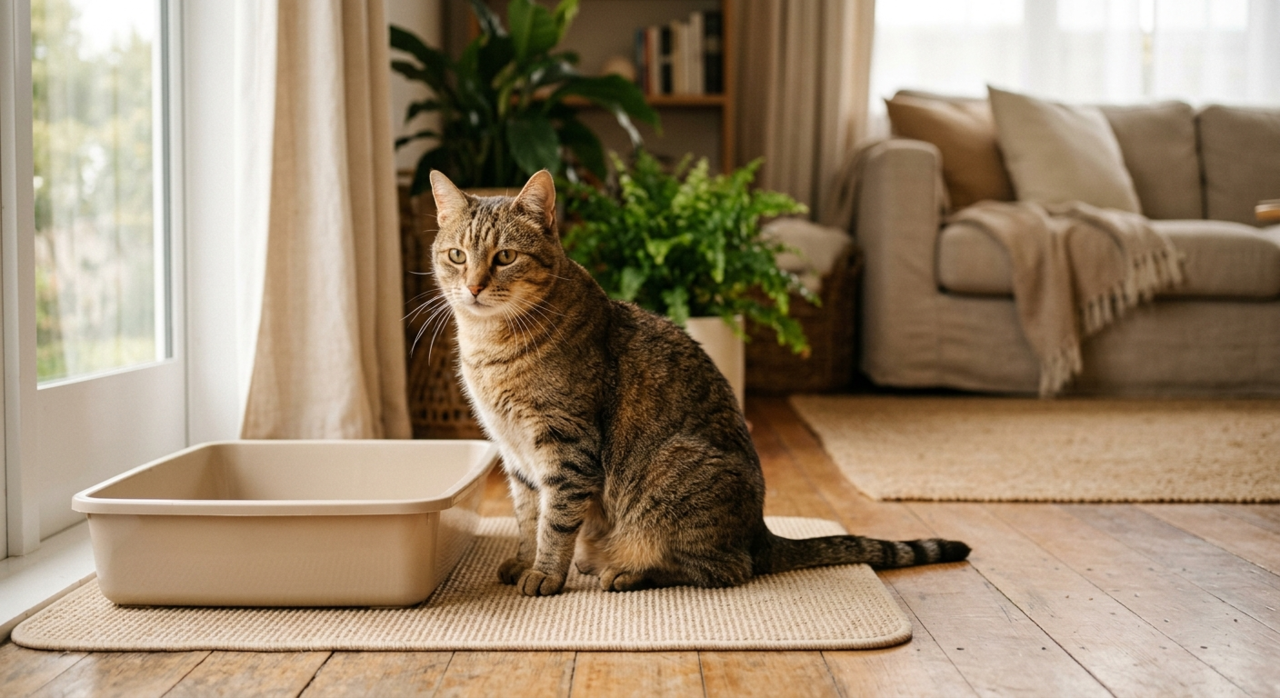
If your cat has any joint stiffness, swap a high-sided or hooded tray for a shallow open one with a low entry. Often resolves accidents that are mobility-related on their own.
Larger trays
Many older cats are more comfortable in a roomy tray where they can turn easily. Bigger and lower is usually better for senior cats.
Soft, fine litter
Softer or finer litters can be more comfortable on senior paws. If you've got a wood-pellet or hard pellet litter, try a clumping or soft sand-style litter for an older cat.
Quiet, well-lit spots
Trays in busy or noisy areas can put older cats off. So can dark corners. A quiet spot with a small nightlight can help.
Steady routine
Same wake times, meal times and tray-cleaning routine. Older cats settle better when their day is predictable.
Hydration
A water fountain often gets older cats drinking more, which is good for kidney and bladder health.
Senior-appropriate diet
Senior cat foods are often formulated with hydration and digestion in mind. Worth chatting to your clinic about whether a transition makes sense.
Clean accidents thoroughly
Use an enzyme-based cleaner where accidents have happened. A standard cleaner won't fully break down the smell, and any lingering scent can encourage repeat accidents.
Senior-Friendly Litter Trays and Litter
Lower-sided trays, larger options and softer litter can all make tray time more comfortable for older cats.
Softer, finer litter options
Hydration Help
Encouraging older cats to drink more can help with both kidney and urinary wellbeing. A water fountain is often the easiest way to get a cat drinking more, and pairing dry food with wet food adds extra moisture too.
Senior-Appropriate Cat Food
Senior diets are often formulated with kidney health, digestion and hydration in mind. Always check with your clinic before making a diet change, especially if there's a known health issue.
When to Call Your Clinic Sooner Rather Than Later
Some signs are urgent. Contact your clinic the same day if you notice:
- Straining to wee with little or nothing coming out
- Going to the tray very frequently in a short space of time
- Blood in urine
- Crying or yowling while toileting
- Sudden refusal to eat or drink
- Vomiting alongside any of the above
- Unusual lethargy or hiding
Urinary blockages in particular can become serious very quickly, especially in male cats. If you're unsure, it's always worth a phone call.
Frequently Asked Questions
Why is my older cat suddenly peeing outside the litter tray?
In senior cats, it's most often a sign of something physical rather than behavioural. Common reasons include urinary tract issues, kidney changes, thyroid issues, diabetes, arthritis making the tray hard to use, or cognitive change. A check-up at your clinic is the best first step.
Is litter box avoidance in senior cats always medical?
Not always, but in older cats it's the most common reason. Stress, a dirty tray, a recent change at home or new pets in the house can also play a role. Even when there's a behavioural reason, it's still worth ruling out a medical cause first.
Should my older cat have a different litter tray?
Often yes. As cats age, low-sided trays, larger trays and softer litter can make a big difference. If you've got a hooded or high-sided tray, swapping to an open shallow tray often resolves accidents that are mobility-related.
How many litter trays should a senior cat have?
The general rule is one tray per cat plus one extra. For senior cats, having a tray on each level of your home, or one in each main area, helps reduce accidents. Easy access matters more as cats age.
Can arthritis cause a cat to pee outside the litter box?
Yes, this is one of the most overlooked reasons. If it hurts to step into the tray, climb over the edge, or squat once inside, your cat may start going just outside it. A low-sided tray often helps.
Is my old cat just being naughty?
Almost certainly not. Cats are naturally clean and don't go outside the tray to make a point. It's their way of telling you something has changed. Look at it as a clue rather than a behaviour problem.
What can I do while waiting for a clinic appointment?
Add a second or third tray closer to where they spend their time, swap to a low-sided open tray if you don't have one, try a softer litter, and clean any accident spots with an enzyme cleaner. Keep their routine steady and gentle.
How urgent is it to see a clinic?
If your cat is straining, going very frequently with little coming out, has blood in their urine, or has stopped eating or drinking, it's same-day urgent. For other accidents in a senior cat, book a check-up as soon as you reasonably can rather than waiting it out.
Senior Cat Litter and Tray Essentials
Find low-sided trays, larger options and softer litter to make tray time more comfortable for senior cats. Save with Autodeliver on cat litter and enjoy everyday member pricing with Pet Perks.
SHOP CAT LITTER & ACCESSORIES