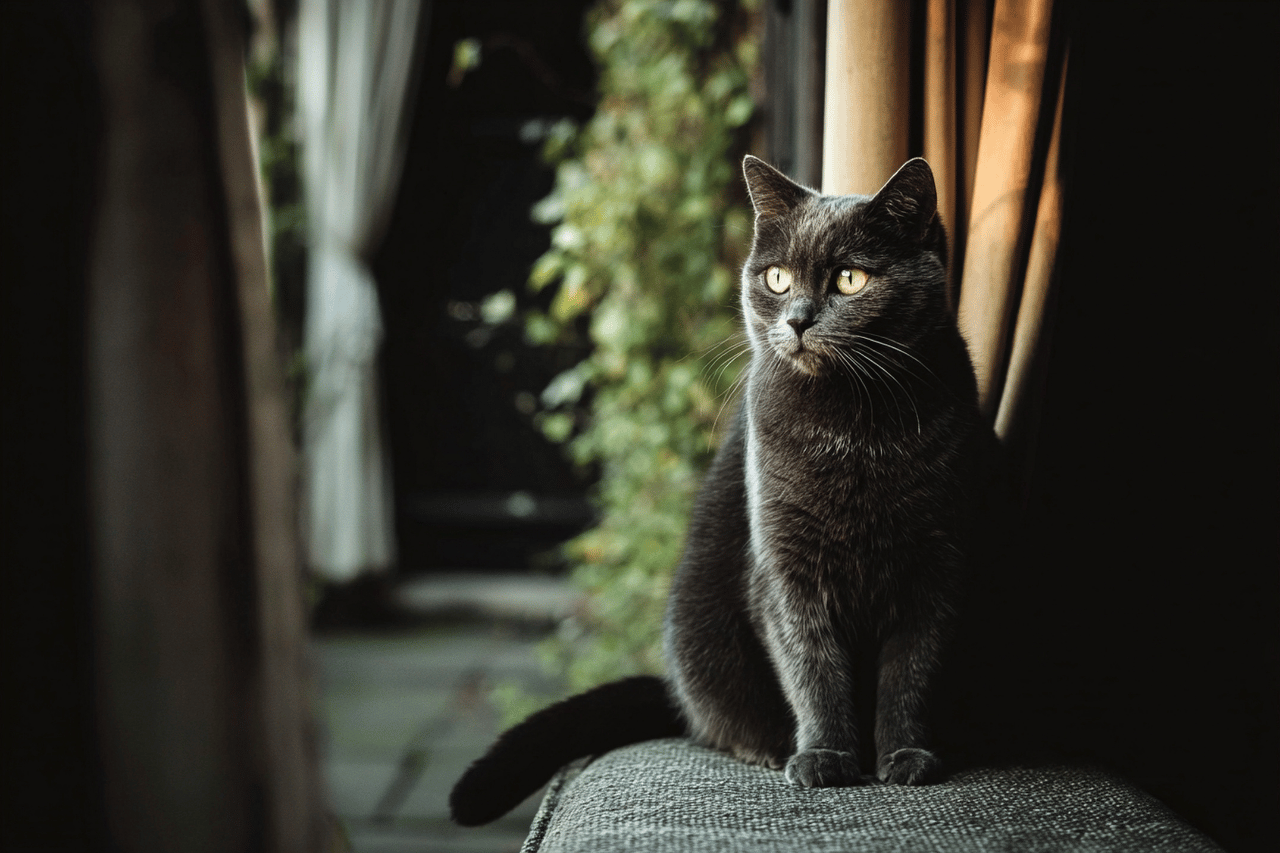
3am. The house is quiet, and then your senior cat lets out a long, mournful yowl from the hallway. It happens again the next night, and the next. If your older cat has started yowling, crying or vocalising at night, you're not alone. It's one of the most common (and exhausting) changes Kiwi cat owners notice as their cat ages.
The good news: there's usually a reason behind it, and once you understand what might be going on, there's a lot you can do to help. This is a plain-English guide to what night-time yowling in senior cats might mean and how to make their nights (and yours) more settled.
Quick answer
Senior cats may yowl at night for a few different reasons, including cognitive change, fading senses, anxiety, an underlying health issue, or just a disrupted routine. It's most common in cats over 11 and worth chatting through with your clinic, since some causes are treatable. A predictable bedtime routine, calming aids and a comfortable sleep set-up can all help in the meantime.
Why Senior Cats Yowl at Night
There's rarely just one reason. The most common things behind night-time yowling in older cats are:
Cognitive change
Older cats can experience cognitive changes (sometimes called feline cognitive dysfunction) that affect their sleep cycle and leave them feeling disoriented at night. Yowling is one of the most common signs.
Fading senses
Vision and hearing changes can leave cats feeling unsure of where they are at night. They might call out to check where their humans are, or because the world feels less familiar in the dark.
Anxiety or loneliness
Senior cats often become more attached as they age. If they wake at night and can't see or hear their family, they might call out for reassurance.
Underlying health changes
Conditions like an overactive thyroid, kidney changes, high blood pressure, joint pain or even hearing loss can all cause increased night-time vocalising. These are worth getting checked.
Hunger or thirst
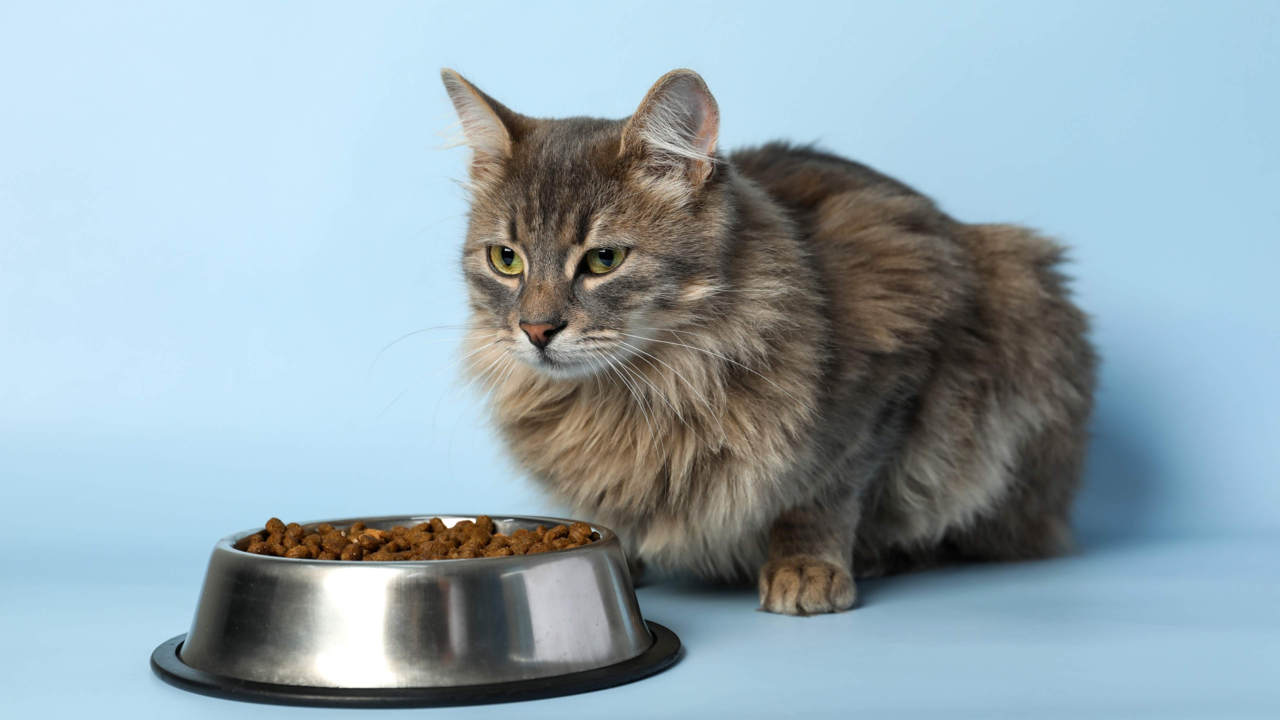
Older cats with shifting metabolism can wake up feeling hungry or thirsty. A late evening top-up of food and fresh water sometimes helps.
Disrupted routine
Cats are creatures of habit. A change in your schedule, a new pet, a recent house move or even a new bed can throw them off and lead to more vocalising.
Other Signs to Watch For Alongside
If your cat is yowling at night, look out for any of these too. The more you spot, the clearer the picture becomes for your clinic.
Disorientation in familiar places
Getting lost in rooms, staring at walls, or seeming confused about how to get to their food bowl or litter tray.
Changes in toileting
Accidents outside the litter tray, going more or less often, or trouble making it to the tray in time.
Weight or appetite changes
Eating more than usual but losing weight, or going off their food entirely. Both can point to underlying health changes.
Drinking more water than before
A noticeable increase in thirst is one of the most common early signs of kidney or thyroid changes in older cats.
Sleep changes during the day
Sleeping more during the day, or in unusual spots, especially if paired with restlessness at night.
Stiffness or hesitation
Hesitating to jump up, slower to settle, or stiffness after sleep can all signal joint discomfort that's worse at night.
How to Help a Yowling Senior Cat
Predictable bedtime routine
Same time each night, same place, same set-up. Routine reduces anxiety and gives your cat clear cues that it's sleep time.
Easy access to food, water and tray
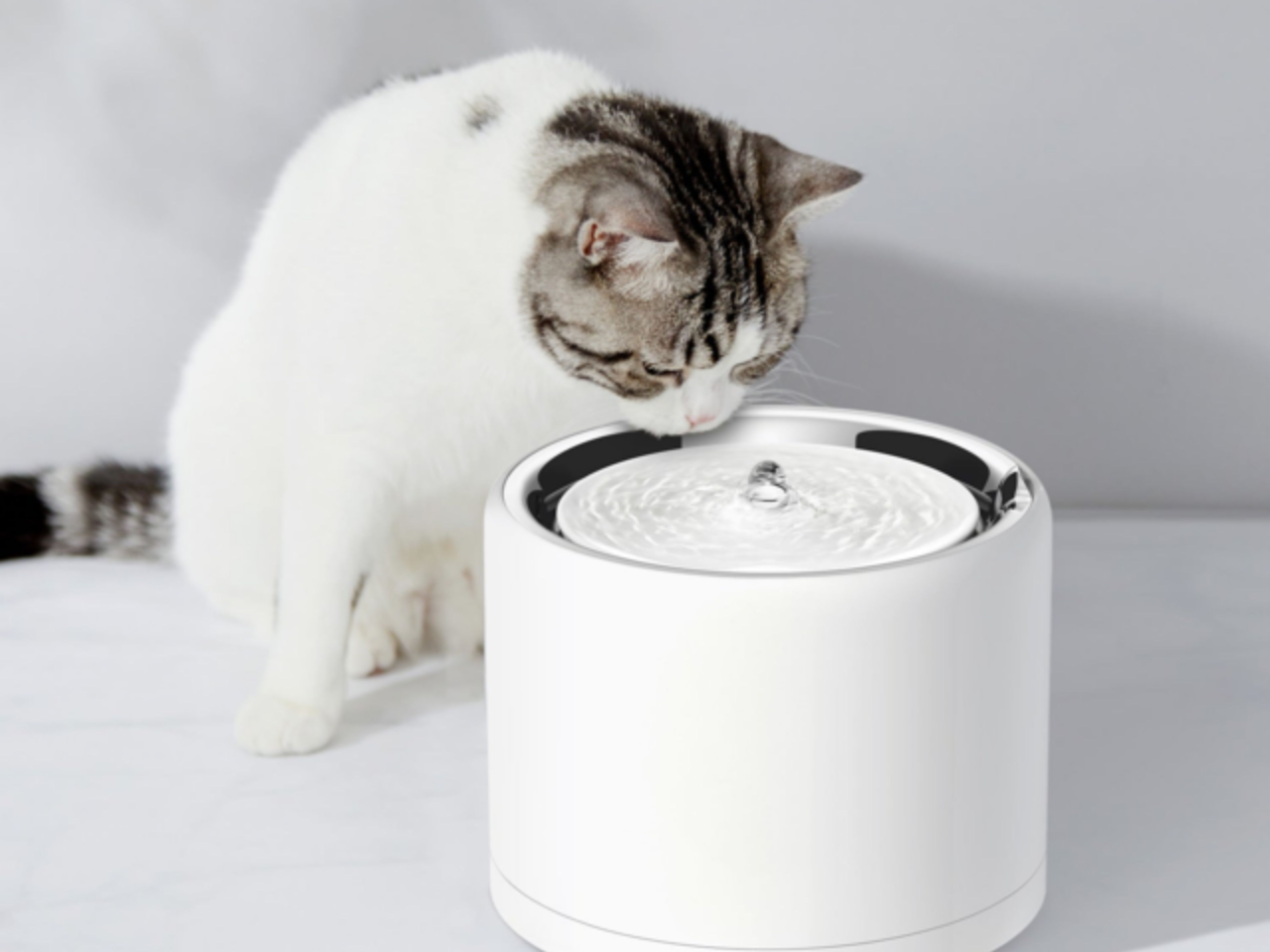
Make sure their food, water and litter tray are easy to find at night. A water fountain often gets older cats drinking more, especially in winter.
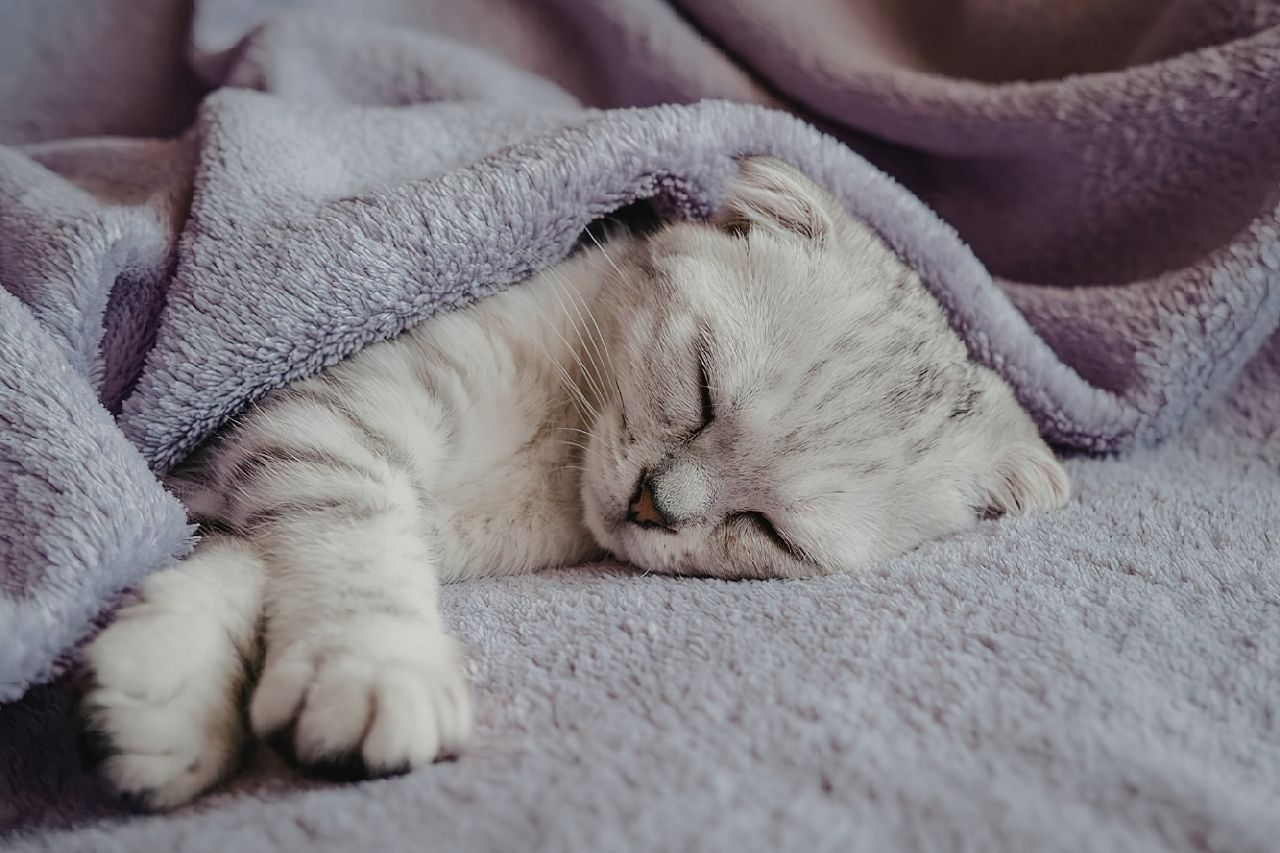
Soft warm sleep spot
A cosy bed in a quiet, familiar room helps them settle. Avoid moving it around, since consistency matters for older cats.
Nightlights along their path
A few low-watt nightlights help cats with fading vision navigate the house safely at night.
Calming pheromones
A pheromone diffuser like Feliway can help anxious or unsettled senior cats feel more secure. Plug one in near where they sleep.
Late evening play and meal
A short play session in the evening followed by a small meal mimics their natural hunt-eat-sleep pattern and often leads to better sleep.
Don't reward the yowling
Giving food, attention or letting them outside in response to yowling can reinforce the behaviour. Easier said than done at 3am, but worth keeping in mind.
Comforting voice from your room
A quiet "it's okay, go back to sleep" can sometimes settle them without rewarding them with food or out-of-bed attention.
Senior-appropriate diet
A senior diet supports overall wellness as your cat ages. Worth chatting to your clinic about a transition if they're still on adult food.
Calming Aids That May Help
Calming products are a sensible first step alongside a settled routine. Always check with your clinic before adding supplements, especially if your cat is on medication.
Senior Wellness Essentials
A few everyday changes can support overall senior cat wellness, which often pays off in better night-time settling.
When to Get a Check-Up
Yowling at night isn't always serious, but it's worth a check, especially if any of these are also happening:
- Sudden onset of yowling, especially in a previously quiet cat
- Drinking noticeably more or less water than usual
- Weight loss despite a good appetite
- Toileting changes or accidents
- Confusion or disorientation in familiar places
- Stiffness, hesitation to jump or signs of pain
- Yowling that's getting worse over time
Your clinic can help work out whether there's an underlying health issue (like thyroid or kidney changes) that needs treating, or whether it's more likely cognitive or behavioural. The earlier you get it checked, the more options you have.
Frequently Asked Questions
Why is my senior cat yowling at night all of a sudden?
A sudden change in night-time vocalising in an older cat is worth getting checked. It can be caused by cognitive change, anxiety, fading senses, or an underlying health issue like an overactive thyroid or kidney changes. Some of these are treatable, so getting a check-up early helps.
At what age do cats start yowling at night?
It's most common in cats over 11, although it can start earlier. Smaller and indoor cats often show signs of cognitive change later than larger or outdoor cats. If your cat is over 7 and yowling is new, mention it at their next check-up.
Can cats get dementia?
Yes. Cats can experience cognitive changes as they age, sometimes called feline cognitive dysfunction. Night-time yowling is one of the most common signs. It's similar in some ways to dementia in people, and although it can't be reversed, there's plenty owners can do to support their cat.
What can I give my senior cat to help them sleep at night?
Pheromone diffusers like Feliway, calming chews and a settled bedtime routine can all help. Always chat with your clinic before adding supplements, especially if your cat is on medication or has any health conditions.
Should I ignore my cat yowling at night?
Ignoring is the right approach for cats yowling for attention or food, since responding can reinforce the behaviour. But if you suspect anxiety, confusion or a health issue, ignoring won't fix it. A calm voice from your room and a chat with your clinic are better steps.
Is night yowling painful for my cat?
Not always, but pain or discomfort can be one of the causes. Joint stiffness, dental issues or other age-related changes can all contribute. If your cat is yowling and showing other signs of pain (stiffness, hesitation, less interest in food), get them checked.
Will a Feliway diffuser stop my cat yowling?
It can help, especially if the yowling is anxiety-related. Feliway uses pheromones to help cats feel more secure. It works best alongside a settled routine and quiet bedroom set-up. Some cats respond quickly, others take a few weeks. It's not a fix for medical causes, so a check with your clinic is still important if the yowling is sudden or severe.
Help Your Senior Cat Sleep Through the Night
From calming diffusers to senior-appropriate food and supplements, find everything you need to support your senior cat's night-time settling. Save with Autodeliver on regular orders and enjoy everyday member pricing with Pet Perks.
SHOP SENIOR CAT FOOD