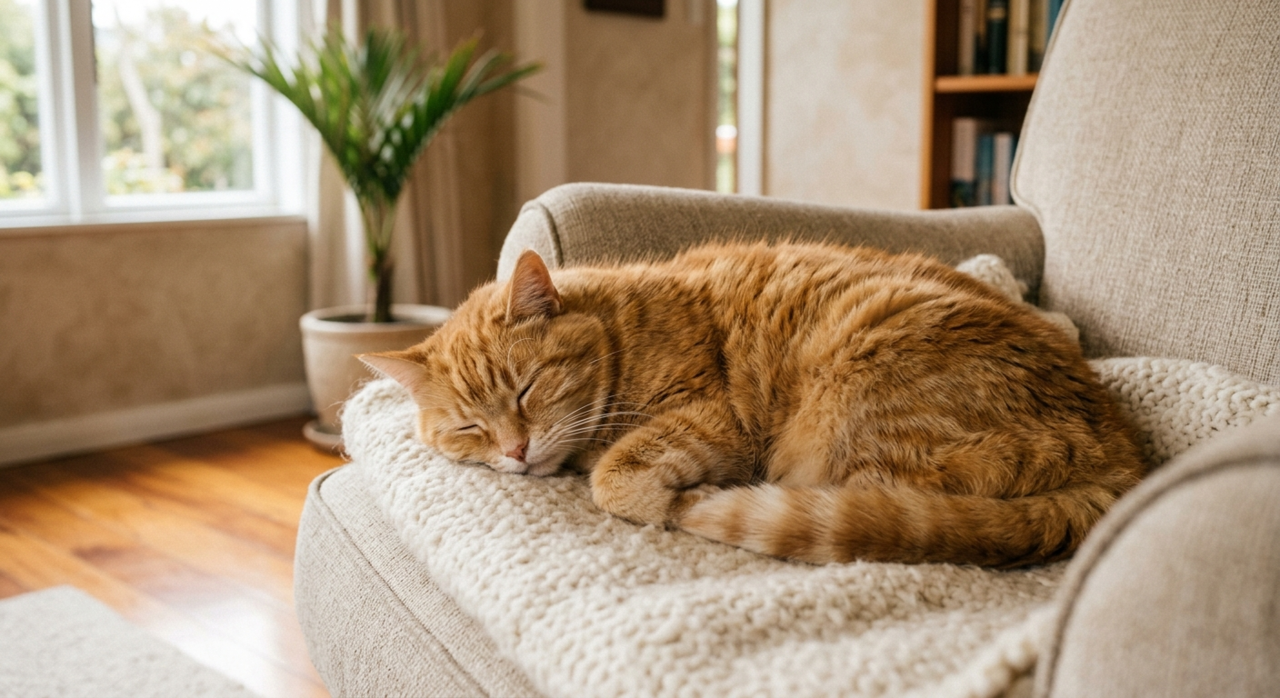
Senior cats are quiet about being uncomfortable. They don't usually pace, whine or follow you around like a stiff older dog might. They just find a corner, curl up smaller, and wait it out. Through a NZ winter, that quiet stoicism is part of what makes cold weather a real consideration for older cats. Some of the things that show up in winter aren't caused by cold, but they're often made more obvious or more uncomfortable by it.
Here's a friendly look at the health considerations cold weather can flare for older cats, what's worth keeping an eye on, and the simple things at home that help. We're not a clinic, so anything new, anything that's getting worse quickly, or anything that affects how your cat eats, drinks, moves or toilets is worth a chat with your clinic.
Quick answer
Cold weather doesn't cause health issues on its own, but it can make existing ones more obvious or uncomfortable for senior cats, especially joint stiffness, kidney and urinary issues, weight loss and respiratory niggles. Watch for changes in eating, drinking, toileting and willingness to move. Keep them warm, well hydrated and well fed, and have anything new checked at your clinic. Petdirect's Winter Hub has the seasonal kit in one place.
Why Senior Cats Feel Cold More
Older cats lose heat more easily than they used to. Less body fat, lower muscle mass, a thinner coat as they age, and slower circulation all play a part. They also move around less, which means they don't generate as much warmth through activity. A house that's perfectly comfortable for you can feel quite different to a 14-year-old cat sleeping on a tiled floor.
The first sign isn't usually that they look cold. It's that they go looking for warmth: closer to the heater, under the blanket, on top of the laundry pile, in the sunny spot on the windowsill. If you notice your old cat shifting their resting habits as the weather cools, take it as useful information.
Health Risks Cold Weather Can Flare
Joint stiffness and arthritis
Most cats over 11 have some level of joint change. Cold and damp tend to make stiffness more obvious: getting up slower, hesitating before jumping, or climbing rather than leaping.
Watch for: avoiding the litter tray they used to use, sleeping in lower spots, less grooming on the back end.
Kidney and urinary issues
Older cats are more prone to kidney concerns, and cold weather often means cats drink less from cold bowls. Less water in equals more concentrated urine, which can flare urinary niggles.
Watch for: peeing more or less than usual, accidents outside the tray, drinking from odd places, weight loss.
Weight loss
Older cats burn extra energy keeping warm. If their appetite drops at the same time (because food in a cold bowl smells less appealing) they can lose weight quickly.
Watch for: spine and hips feeling more prominent, food left in the bowl, slower at meals.
Respiratory comfort
Damp, cold air can be harder on cats with any history of respiratory issues. Living in a draft-prone room or coming in damp from outside doesn't help.
Watch for: sneezing, watery eyes, snuffly breathing, going off food.
Skin and coat condition
Indoor heating is drying. Combined with less self-grooming (which is common as joints get sore), older cats can develop a duller coat or flaky skin through winter.
Watch for: dandruff, matted patches near the back end, more visible shedding on bedding.
Outdoor risks
Senior cats with outdoor access can get caught out in cold snaps, lose body heat fast, or hesitate to come back if their usual route is wet. Hypothermia is a real risk in vulnerable older cats.
Watch for: shivering, coat damp through to the skin, very low energy, ears or paws cold to touch.
Signs Your Senior Cat Is Struggling With the Cold
- Sleeping more than usual, often in new spots closer to heat
- Reluctance to go outside, even for cats who normally love it
- Stiff first few steps after a long sleep
- Drinking less from their usual water bowl
- Eating slower, leaving food, or only finishing meals when food is at room temperature
- Less self-grooming (especially on the back, hips and tail)
- Weight loss you can feel through the spine and ribs
- Urine accidents outside the tray, or visible discomfort using the tray
- Coat looking flatter, drier or more shed than usual
- Hiding more than they used to
Any one of these on a cold morning is generally not a big deal. A pattern that builds through winter, or anything that affects eating, drinking or toileting, is worth raising with your clinic. The blog 6 Subtle Signs Your Cat Is Entering Their Senior Years covers the broader picture.
Warm, Easy-Access Bedding
The single biggest difference for most senior cats in winter is where they sleep. A soft, deep, raised bed in the warmest part of the house, well away from drafts, makes the day-to-day much easier. Cave-style beds are particularly popular with older cats because they hold warmth around the body.
Tip: place a second bed in the room you spend the most time in, so they don't have to choose between staying near you and lying somewhere warm. A blanket layered on top of the bed adds another layer of insulation.
Keep Hydration Going Through Winter
Cats often drink less in cold weather, which is exactly when older cats can least afford it. A few small changes can lift their water intake noticeably.
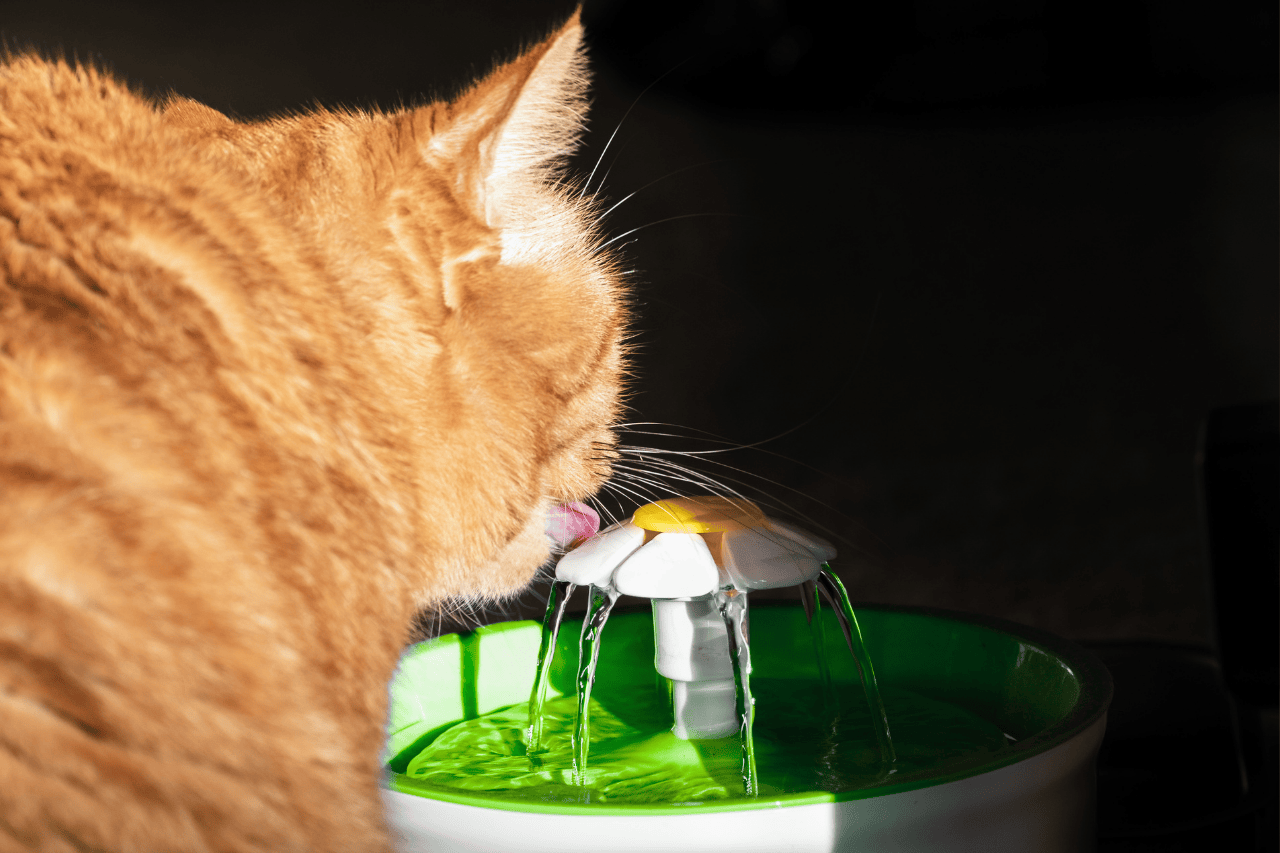
A water fountain
Moving water is more inviting than a still bowl, and many older cats happily drink from one once they get used to it.
Multiple water spots
One bowl in the kitchen isn't always enough. A second bowl near a sleeping spot, away from food, often helps.
Wet food at room temperature
Wet food adds moisture and tends to smell more appealing when slightly warmed (just to room temperature, not heated).
Top up the bowl
Senior cats often prefer a full bowl that doesn't touch their whiskers. A wide shallow ceramic bowl filled to the top is a small but real win.
For more on this, the dedicated guide Why Hydration Is Critical for Senior Cats goes deeper.
Senior-Appropriate Nutrition
Food does a lot of the heavy lifting through winter. Senior wet food adds moisture, helps with appetite, and gives older cats a meal they're more likely to finish. A senior dry food keeps the day-to-day balance right and supports a steady weight.
Many of these are great with Autodeliver so you don't run out mid-winter. The blog Best Food for Senior Cats in New Zealand compares the full range.
Joint Support and Calm
If your cat is showing more stiffness this winter, a daily joint supplement is the most popular at-home support. Calming supports can also help quietly anxious cats settle into shorter, colder, indoor days.
Joint supplements work best when given consistently every day, with a 4 to 6 week window before you'd judge whether they're helping. Joint Care for Senior Cats has more.
The Daily Winter Routine That Helps Most
Pulling it together, here's the simple shape of a senior-cat-friendly winter day:
- A warm bed in a draft-free spot, raised off cold floors, in the room you spend the most time in.
- A second resting spot near a heater or sunny window for daytime naps.
- Wet food at room temperature for at least one meal, plus a senior dry food top-up.
- A water fountain or two well-positioned bowls, refilled daily.
- Joint supplement with a meal (consistent timing helps build the habit).
- A short, gentle play session to keep them moving. A wand toy or a lick mat usually works without overdoing it.
- For outdoor cats, a dry, accessible coming-home spot with a clean towel and somewhere warm to settle straight away.
If you'd like to refresh the kit before the cold settles in, Petdirect's Winter Hub brings the seasonal essentials together in one place.
When to Get It Checked
Some of what we see in winter is just the season being uncomfortable, and it eases as temperatures lift. A few things are worth raising with your clinic sooner rather than later:
- Visible weight loss you can feel through the spine and ribs
- Drinking noticeably more or less than usual
- Peeing outside the tray, straining, or any sign of discomfort while toileting
- Going off food for more than a day, or food left consistently in the bowl
- Sneezing, watery eyes or snuffly breathing that's not clearing up
- Hiding for long stretches, especially if it's new behaviour
- Coming back from outside very damp, cold to touch, or low in energy
For a softer day-to-day check, the Senior Cat Care: Signs Your Older Cat Needs Extra Support guide is a useful reference.
Frequently Asked Questions
What temperature is too cold for a senior cat?
There isn't a single number, but most senior cats are most comfortable in indoor spaces around 20°C and start to look for extra warmth below 16°C. Older, thinner or short-coated cats feel it sooner. The clearer signal is usually their behaviour: where they sleep, how they move, whether they want to go outside.
Can older cats get hypothermia?
Yes, especially senior cats with outdoor access who get wet through. Signs to take seriously include shivering, very low energy, cold ears and paws, and the coat being damp through to the skin. Bring them inside, dry them gently with a towel, get them to a warm draft-free spot, and contact your clinic.
Should I let my senior cat outside in winter?
That's a personal call based on your cat's habits and your area, but most senior cats benefit from being out less in cold and wet weather. A litter tray indoors makes that much easier. If they do go out, make sure there's an easy, warm, dry route back in and check on them regularly.
Why is my cat drinking less in winter?
Cold water from a still bowl is less appealing, and cats sometimes don't want to walk across cold floors to reach it. A water fountain, multiple bowls in different spots, and at least one wet food meal a day all help.
Is heated bedding safe for older cats?
An ordinary insulated bed in a warm spot is generally a better starting point than electric heated bedding. Cats that can't easily get up and move away from heat can overheat, and older cats are more vulnerable to that. If you do use any heating product, choose one designed for pets, with a low setting, and let your cat decide whether to use it.
Why is my older cat losing weight in winter?
It can be the season alone (extra energy used staying warm, plus less appealing cold food), but it can also be a sign of something else going on. The blog Why Your Older Cat Is Losing Weight covers the full picture. Visible weight loss in a senior cat is always worth raising with your clinic.
How do I know if my cat is just cold or actually unwell?
Cold cats look for warmth and improve once they find it. Unwell cats often won't settle, go off food, change toileting habits, hide for long stretches, or look generally low in themselves. If you're unsure, get it checked.
What's the easiest single change I can make this winter?
For most older cats, a warm cave-style or raised bed in the main living area, paired with a water fountain, makes the biggest day-to-day difference for the smallest effort.
Senior Cat Winter Essentials
Find warm bedding, water fountains, joint supplements and senior wet food in one place. Save with Autodeliver on food and supplements, and enjoy everyday member pricing as part of Pet Perks.
SHOP THE WINTER HUBRelated Reading
Keeping Your Senior Cat Comfortable This Autumn
Joint Care for Senior Cats: Supplements and Support Options in NZ
Best Food for Senior Cats in New Zealand
Why Hydration Is Critical for Senior Cats and How to Encourage Drinking
6 Subtle Signs Your Cat Is Entering Their Senior Years
Keeping Your Senior Dog Warm This Winter