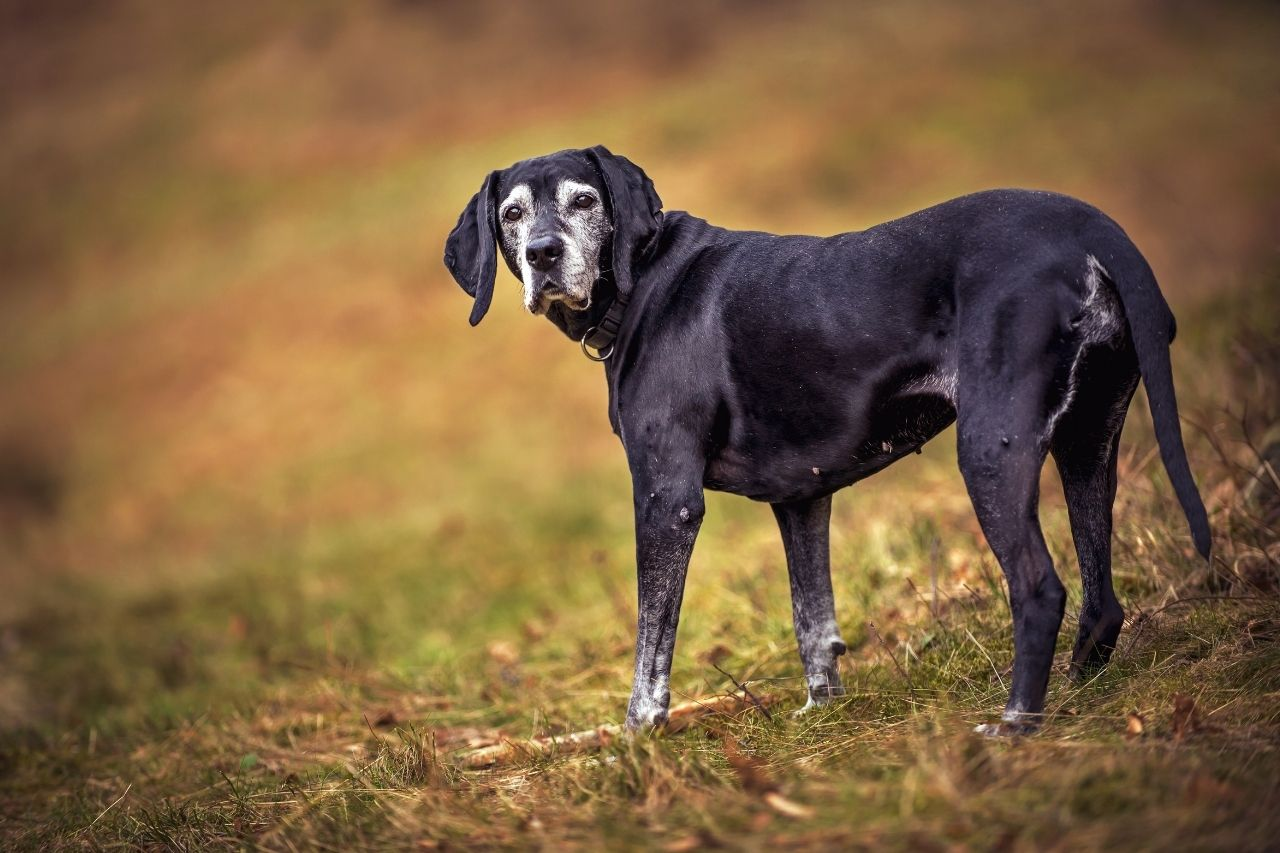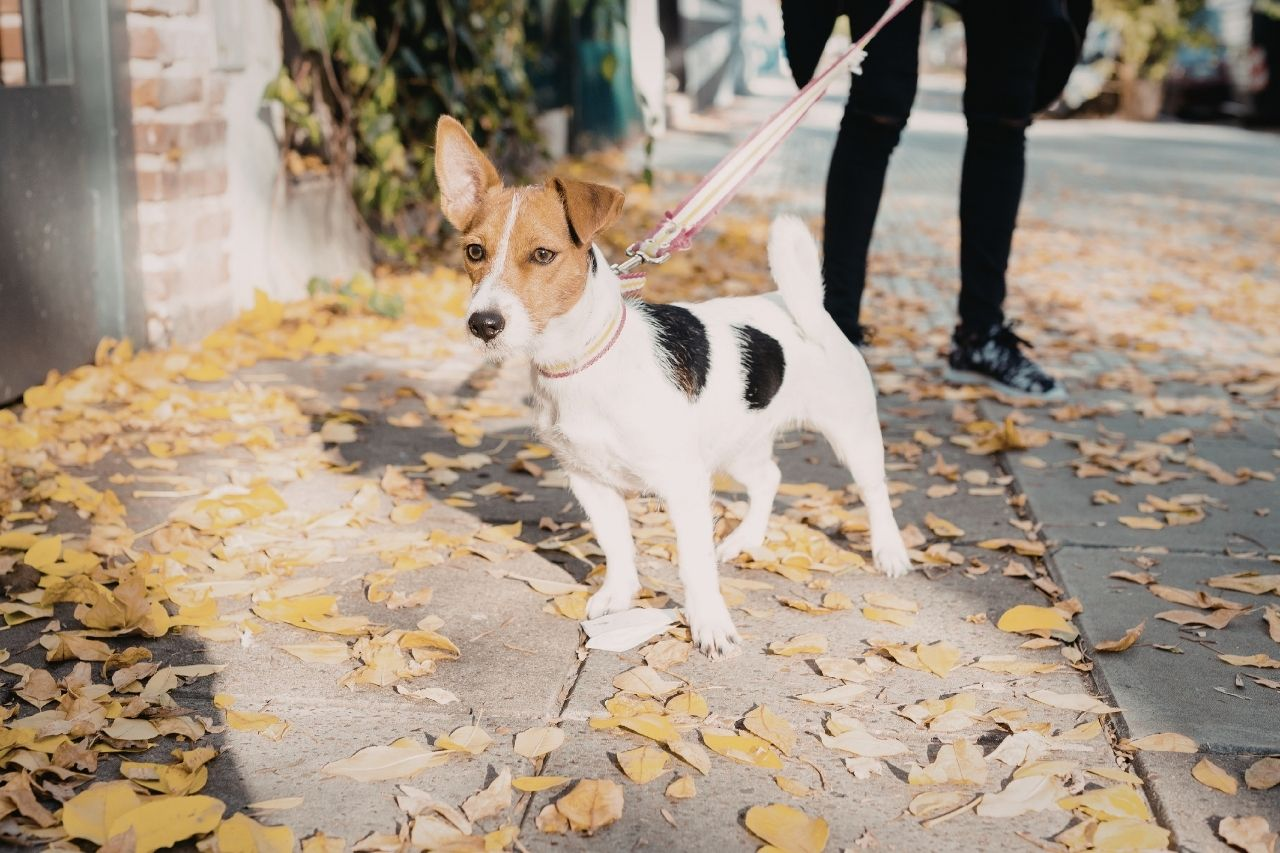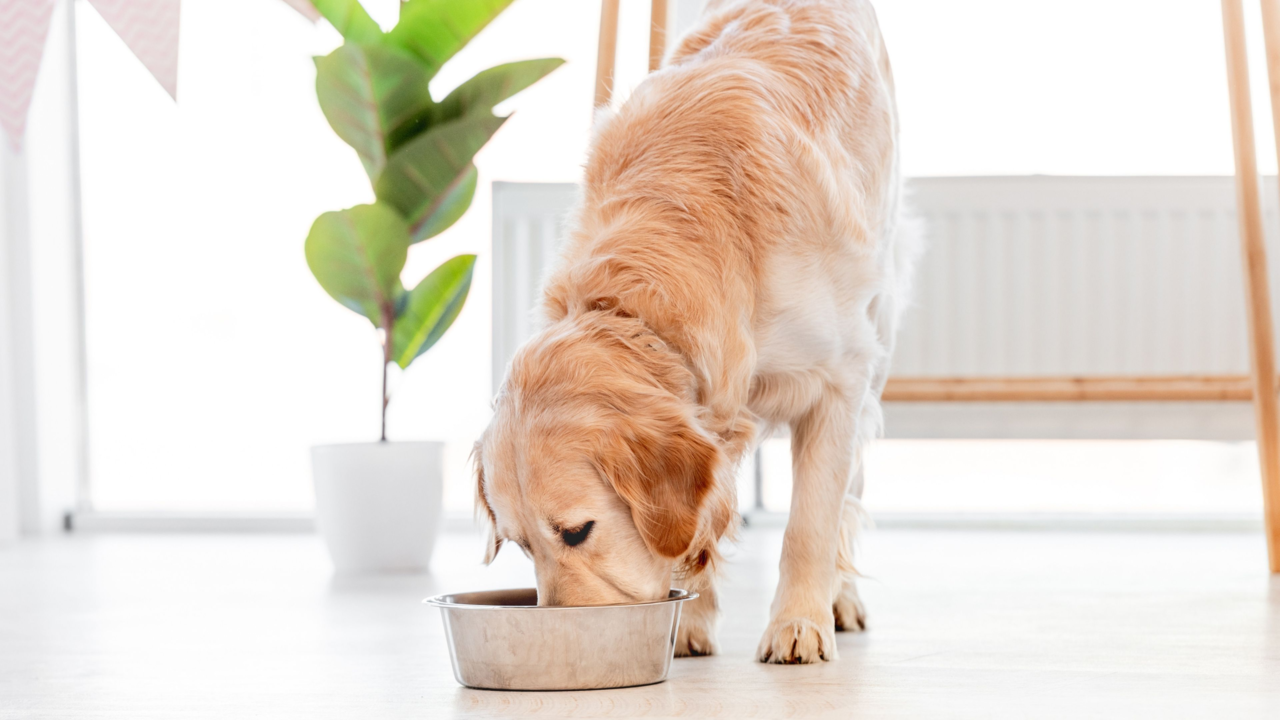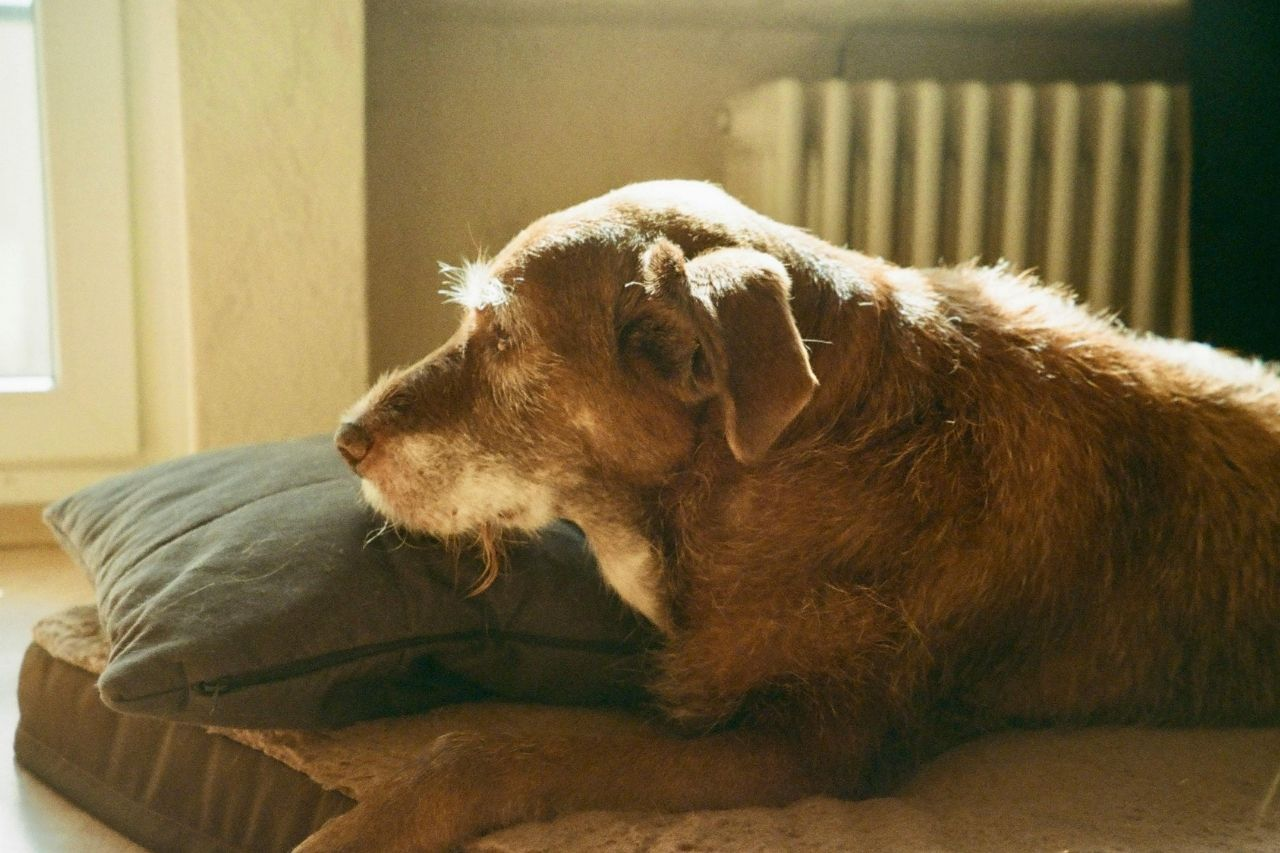
Older dogs feel the cold more than they used to. Less body fat, slower circulation, stiffer joints and a thinner coat all mean a Kiwi winter can hit your senior dog harder than it did even a year or two ago. The good news is that small changes to their bedding, gear and home set-up can make a big difference to how comfortable they are through the cooler months.
Here's a friendly guide to keeping your older dog warm and content this winter, with practical tips, product picks and a quick steer to our Winter Hub for everything seasonal in one place.
Quick answer
Senior dogs need extra warmth in winter because their bodies don't regulate temperature as well as they used to. The basics: a warm well-padded bed off the floor, a good winter coat for walks, joint support to ease cold-weather stiffness, and a steady warm spot at home. Indoor temperatures should stay around 18 to 20 degrees, and walks may need to shift to the warmer parts of the day.
Why Senior Dogs Feel the Cold More
It's not just your imagination if your older dog seems less keen on going outside this year. There are real reasons winter is harder on a senior body:
Slower temperature regulation
An older dog's body doesn't hold heat as efficiently as it did when they were younger. They cool down faster and warm up more slowly.
Less body fat and muscle
Many senior dogs lose a bit of body condition with age, which means less natural insulation against the cold.
Thinner coat
Some older dogs grow a sparser winter coat than they used to, especially smaller breeds and short-coated dogs.
Stiffer joints in the cold
Cold weather often makes joint stiffness more noticeable. A warm dog with well-supported joints moves more easily.
Lower activity levels
Senior dogs tend to move less, which means less heat generation. They warm up slower after rest.
Sensitive paws
Older paw pads can be drier, more cracked and more sensitive to cold concrete, frosty grass or wet footpaths.
Setting Up a Warm Sleeping Spot
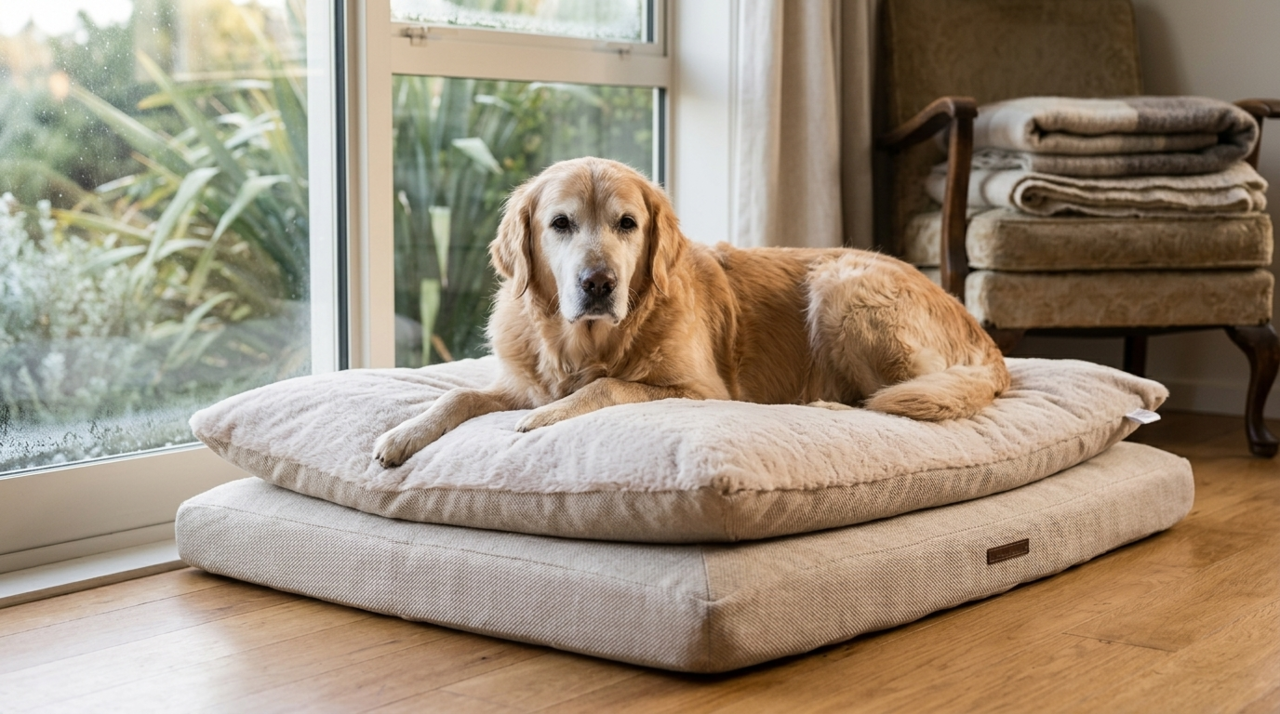
Where your senior dog sleeps matters more in winter. A bed that was fine in summer might suddenly feel cold and hard, especially if it's directly on a tiled or wooden floor. The right set-up makes the difference between a dog who shifts around all night and one who settles deeply.
Off the floor
Cold rises from concrete, tiles and timber. A bed with a proper base, or a bed on a low platform, keeps your dog out of the chill.
Memory foam or orthopaedic
Memory foam holds shape under a sleeping dog and supports stiff joints far better than thin filler. The right bed often eases morning stiffness too.
Walls or bolsters
A bed with raised sides retains heat and makes senior dogs feel more secure. Many older dogs sleep more soundly in a bolstered bed than a flat one.
A warm blanket on top
Layer a soft blanket over their bed for extra cosy. Easy to wash, easy to add and remove as the day warms up.
Position away from drafts
Move beds away from doorways, windows and chilly corners. Look for the warmest spot in the room and put the bed there.
More than one cosy spot
Older dogs love a few warm options around the house so they can settle near you wherever you are. A blanket on the couch, a bed in the kitchen, a cushion by the heater.
Beds and bedding to look at
Coats and Jackets for Walks
Most senior dogs benefit from a winter coat, especially if they're small, short-haired, low body condition, or just generally feeling the cold more than they used to. A good winter coat keeps them warmer, makes walks more enjoyable, and helps protect against rain on those classic Kiwi drizzle days.
Look for warm, not just stylish
Thermal lining and fleece interiors do the actual warming. Style is a bonus, warmth is the job.
Waterproof outer for rain
NZ winter is more wet than freezing, so waterproof or water-resistant fabrics matter more than super-thick padding.
Easy to put on and take off
Dogs with stiff joints can struggle with overhead pullovers. A back-fastening coat with a chest strap is usually easier on senior bodies.
Good fit around the neck and chest
Loose enough to move freely, snug enough that wind doesn't whistle through. Measure first if you can.
Reflective elements
Shorter days mean more walks in low light. Reflective trim or piping helps drivers see your dog from further away.
Self-heating options
Self-heating thermal coats reflect your dog's own body heat back at them. Useful for very cold days or for dogs who really feel the chill.
Joint Support Through the Cooler Months
If your senior dog seems stiffer first thing in the morning during winter, that's a really common pattern. Cold weather makes existing joint stiffness more noticeable. A warm bed plus consistent joint support is the most effective combination for keeping older dogs comfortable through winter.
Always chat with your clinic before adding a new supplement, especially if your dog is on other medication or has a known health concern.
Paw Care for Cold Wet Walks
Older paws can dry out and crack faster in winter. A simple paw balm before walks adds a protective layer against cold concrete, frost and wet pavements. After walks, towel-dry paws to remove any cold moisture.
Home Tips for a Comfortable Senior Dog
Keep the house at 18 to 20 degrees
Comfortable for humans and warm enough for older dogs. If you can see your breath inside, your senior dog is feeling it more than you.
Move walks to the warmest part of the day
Mid-morning to early afternoon is usually warmest in NZ winter. Skip 6am walks if your dog seems reluctant.
Shorter, more frequent walks
Two 15-minute walks beat one 30-minute walk for a senior dog in winter. Less time for them to get cold and stiff.
Towel them off after walks
A wet dog gets cold quickly and stiff joints suffer. A quick towel-down at the door makes a big difference.
Watch the bedding around heaters
Older dogs often migrate towards heat sources. Keep beds a safe distance from heaters and fires, and check for any singed fabric.
Stick to a steady routine
Older dogs do well with predictability. Same wake times, walk times and meal times helps them settle.
Mental stimulation indoors
Wet days mean less outdoor time. Lick mats, snuffle mats and easy puzzles fill the engagement gap without needing to brave the weather.
Easy access to water
Senior dogs don't always drink enough in winter. Keep multiple water bowls around and consider a fountain to encourage drinking.
Watch for shivering or reluctance
Shivering, hesitation to go outside, hunched posture or trembling means they're cold. Add a coat, a blanket, or just stay inside.
Everything Winter in One Place
Find every winter pet essential together in our seasonal hub: warm bedding, coats and jackets, joint support, indoor enrichment ideas and food toppers for the cooler months.
VISIT THE WINTER HUBWhen to Get a Clinic Check
Winter can also amplify smaller health issues that wouldn't be as obvious in warmer months. Worth a chat with your clinic if you notice:
- New or worsening stiffness, especially in the mornings
- Reluctance to go outside or up and down stairs
- Limping, hesitation to put weight on a leg, or yelping when getting up
- Shivering even in warm rooms
- Reduced appetite or drinking less water
- Loss of weight despite eating normally
- New behaviour changes (more clingy, more withdrawn, more anxious)
For senior dogs, a winter check-up is a really useful baseline so you and your clinic can track how they're going as the cold sets in.
Frequently Asked Questions
Do senior dogs need coats in winter?
Most do, especially if they're small, short-haired, lower body condition or showing signs of feeling the cold (shivering, hunched posture, reluctance to go outside). Even bigger senior dogs often appreciate a coat for longer walks or wet days.
What's the best bed for a senior dog in winter?
A memory foam or orthopaedic bed off the floor, ideally with raised sides and a warm blanket on top. Position away from drafts and as close to the warmest part of the room as you can.
How cold is too cold for an older dog?
Most senior dogs are comfortable down to about 7 to 10 degrees with a coat, depending on breed and body condition. Below that, indoor time and short outings only. If you're cold, your senior dog is colder.
Should I keep the heating on for my older dog?
Aim for 18 to 20 degrees indoors. Senior dogs feel cold houses more than younger dogs. Heat pumps on a timer or a low-overnight heater near their bed both work well.
Why is my senior dog stiffer in winter?
Cold weather makes joint stiffness more noticeable. Combine a warm bed, a winter coat for walks, joint supplements and short frequent walks rather than long ones, and most older dogs move much more easily through the cooler months.
How often should I walk my senior dog in winter?
Daily, but adjust the timing and length. Two short walks at the warmest part of the day works better for most senior dogs than one longer walk in the morning chill.
Are paw balms worth it?
Yes, especially for older paws that get drier and more sensitive in winter. A quick balm before walks adds a protective layer against cold pavement, frost and rain.
What can I do on rainy days?
Indoor enrichment fills the engagement gap. Lick mats, snuffle mats, easy puzzle toys and short training sessions all give senior dogs a brain workout without needing to go out in the wet. Our Winter Hub has more ideas grouped by category.