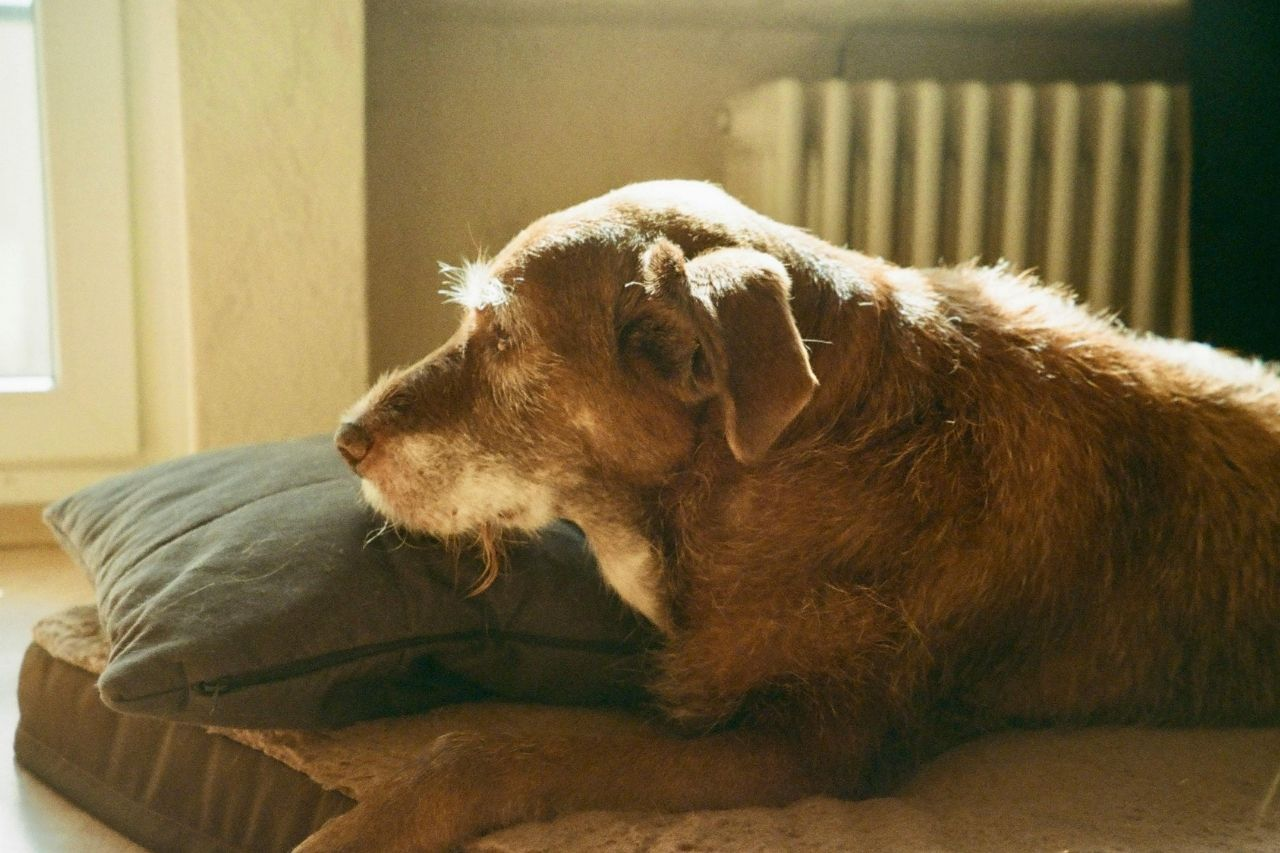
Most dog owners know their pet will slow down eventually, but the early signs of ageing are easy to miss. By the time you notice a limp or a greying muzzle, changes may have been happening for months or even years beneath the surface.
The good news is that catching these signs early gives you the best chance to slow things down, keep your dog comfortable, and make smart changes to their diet, exercise, and routine. Here are five warning signs that your dog may be ageing faster than you realise, and what you can do about each one.
When Does a Dog Become Senior?
There is no single age when every dog becomes "senior". It depends largely on breed size. Larger dogs age faster and tend to show signs of ageing earlier than smaller breeds.
| Size | Weight | Senior From |
|---|---|---|
| Small | Under 10kg | Around 11-12 years |
| Medium | 10-25kg | Around 10 years |
| Large | 26-44kg | Around 8 years |
| Giant | 45kg+ | Around 6-7 years |
This means a Great Dane at age 6 may already be experiencing the same internal changes as a Jack Russell at age 11. If you have a large or giant breed, it pays to start watching for these signs earlier than you might expect.
They Are Slower to Get Up or Hesitate Before Jumping
One of the earliest and most commonly missed signs of ageing is a subtle change in how your dog moves. You might notice they take a moment longer to stand after lying down, hesitate before jumping onto the couch, or seem stiff after a nap. These are not just signs of tiredness. They often point to early joint stiffness or the beginnings of osteoarthritis, which affects a significant number of dogs over the age of seven.
Joint cartilage wears down gradually, and by the time a dog is visibly limping, the deterioration is usually well advanced. The earlier you intervene with joint support, the more you can slow the progression.
What you can do
Start a joint supplement early, even before obvious symptoms appear. Look for products containing glucosamine, chondroitin, omega-3 fatty acids, or green-lipped mussel extract. Switching to a food formulated for joint health can also help. Read more about joint support for dogs.
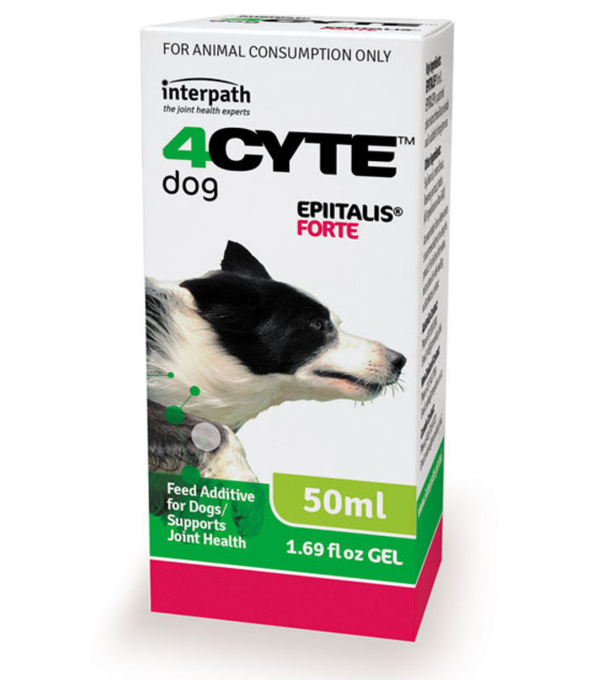
4CYTE Epiitalis Forte Gel
Clinically proven joint supplement that supports cartilage regeneration. Easy-to-use gel format you add to food daily.
SHOP NOW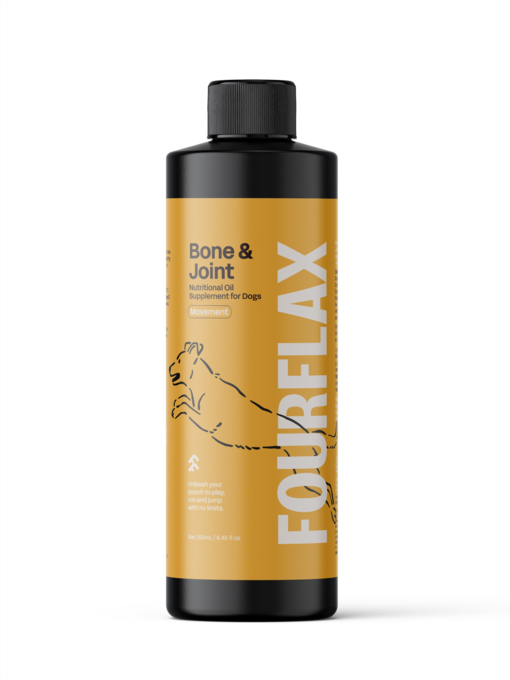
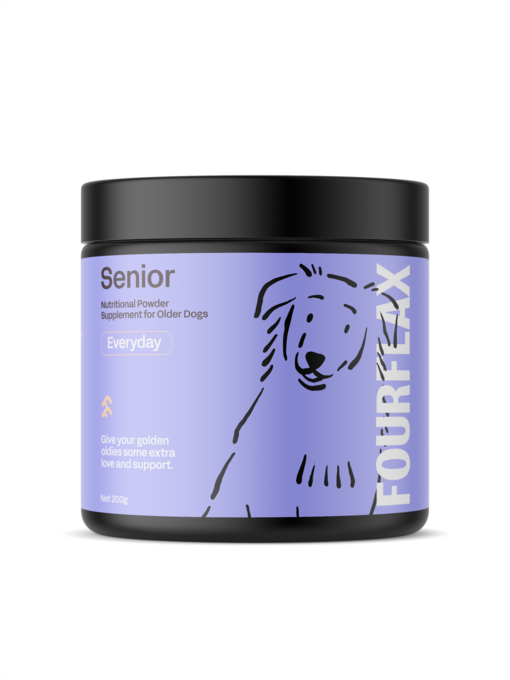
Fourflax Bone and Joint Oil
NZ-made oil supplement with flaxseed, green-lipped mussel, and turmeric. Supports joint mobility and reduces inflammation naturally.
SHOP NOW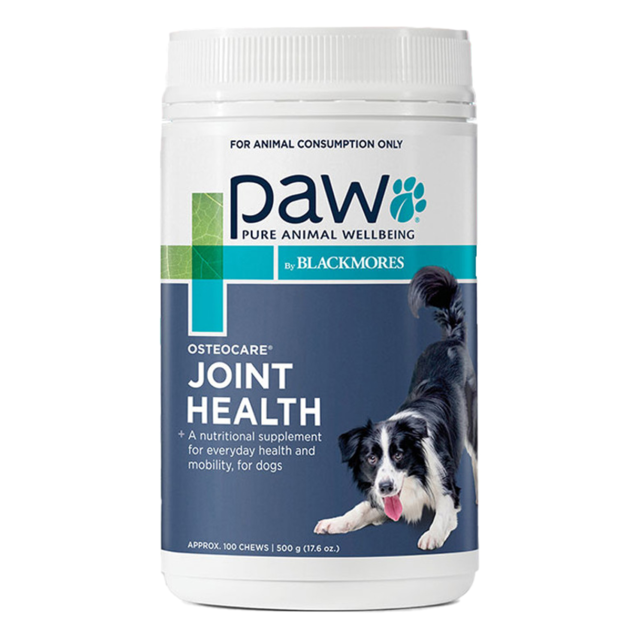
Blackmores PAW Osteocare Joint Health Chews
Tasty chews with glucosamine, chondroitin, and green-lipped mussel. A convenient daily joint support option most dogs enjoy.
SHOP NOWTheir Coat Has Lost Its Shine or They Are Shedding More
A dull, dry, or thinning coat is one of the most visible indicators that something is changing internally. As dogs age, their skin produces less oil, nutrient absorption becomes less efficient, and the coat often loses its lustre. You might also notice increased shedding, flaky skin, or a rougher texture to the fur.
While coat changes can have many causes, in an older dog they often reflect a decline in the quality of nutrition being absorbed, or a need for more omega fatty acids than their current diet provides.
What you can do
Add an omega-3 supplement to your dog's diet, or switch to a senior food that includes fish oil or flaxseed. Foods rich in EPA and DHA support skin barrier function and help maintain a healthy, glossy coat. If the coat change is sudden or severe, a vet check is a good idea to rule out thyroid or other underlying issues.

They Have Noticeably Bad Breath or Are Eating Differently
Dental disease is one of the most common health issues in older dogs, and bad breath is often the first clue. If your dog's breath has become noticeably worse, or if they are chewing on one side, dropping food, or showing less enthusiasm at mealtimes, dental problems may be developing.
By age three, most dogs already have some degree of dental disease, and it only progresses with age. Left untreated, bacteria from infected gums can enter the bloodstream and affect the heart, kidneys, and liver. Dental health is directly linked to overall longevity.
What you can do
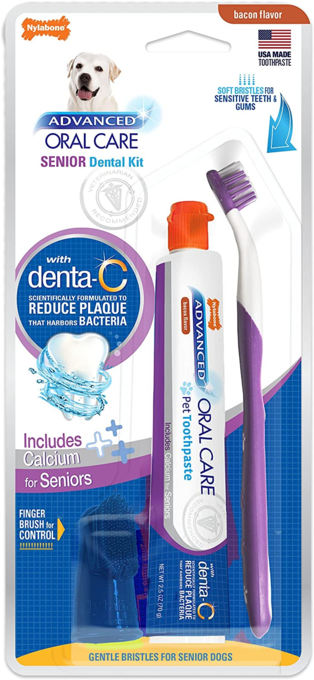
Start a dental care routine if you have not already. Dental chews, water additives, and enzymatic toothpaste can all help slow plaque build-up. If your dog resists brushing, dental wipes or chew-based solutions are a good alternative. Regular vet dental checks become increasingly important after age seven. Read our senior dog dental care guide.
They Are Gaining Weight Without Eating More
If your dog seems to be putting on weight despite no change in diet or portion size, their metabolism is likely slowing down. This is a natural part of ageing, but it is also one of the most damaging if left unchecked. Excess weight puts additional strain on already ageing joints, increases the risk of diabetes and heart disease, and can shorten your dog's lifespan significantly.
Many owners do not realise their dog is overweight because the change happens gradually. A good test is to run your hands along their ribcage. You should be able to feel the ribs without pressing hard. If you cannot, your dog may be carrying more weight than is healthy.
What you can do
Switch to a senior-formulated food with controlled calories and higher protein to maintain lean muscle mass. Reduce treat portions and replace high-calorie snacks with healthier alternatives. Maintain regular, gentle exercise suited to your dog's ability. See our guide to low-impact exercises for senior dogs.
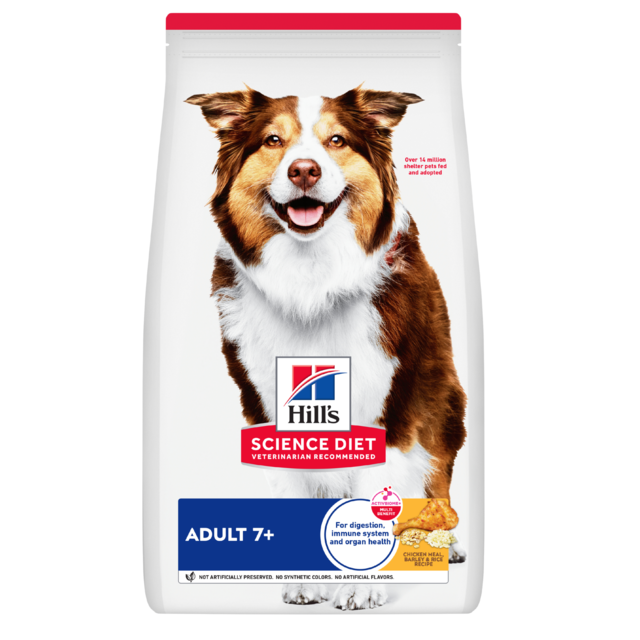
Hill's Science Diet Adult 7+ Senior
Clinically researched senior formula with controlled calories and high-quality protein to support lean muscle and healthy weight management.
SHOP NOW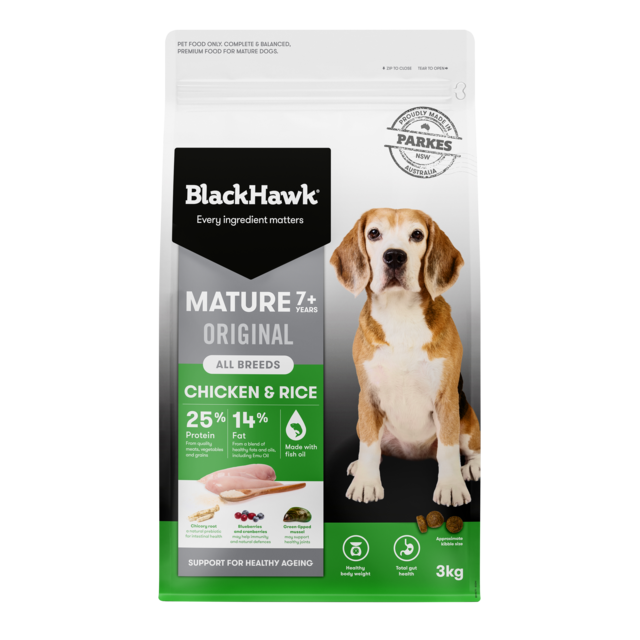
Black Hawk Mature Chicken and Rice
Australian-made senior formula with controlled fat, prebiotics for digestion, and green-lipped mussel for joint support. Great value.
SHOP NOW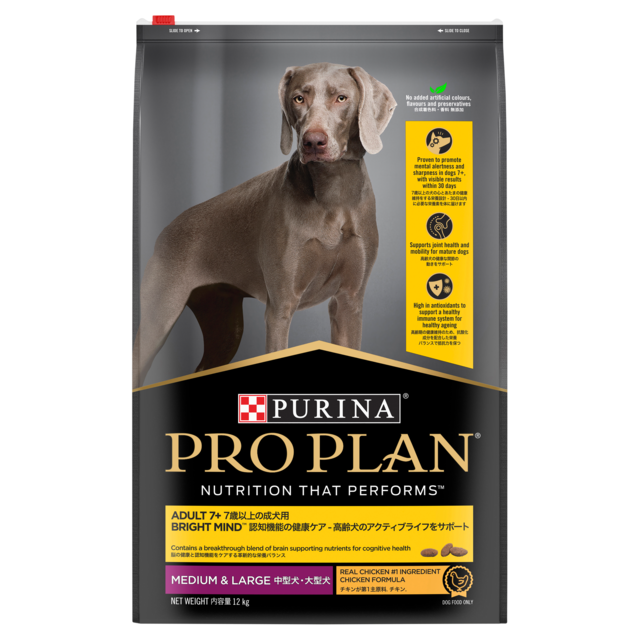
They Seem Less Interested in Play or Are Sleeping More
It is normal for older dogs to sleep a bit more, but a noticeable drop in enthusiasm for walks, play, or interaction can signal more than just tiredness. Reduced energy can be linked to pain (especially joint pain that is not yet obvious), cognitive decline, or simply that their body is working harder to maintain basic functions.
Cognitive decline in dogs, sometimes called canine cognitive dysfunction, can also show up as confusion, restlessness at night, staring into space, or forgetting familiar routines. These changes are gradual and easy to dismiss as "just getting old", but they are worth paying attention to.
What you can do
Keep your dog mentally stimulated with puzzle toys, gentle training sessions, and new (but low-intensity) experiences. A senior-specific food with antioxidants and omega-3s can support brain health. If you notice significant behavioural changes, talk to your vet about cognitive support options. Browse our senior dog toy guide.
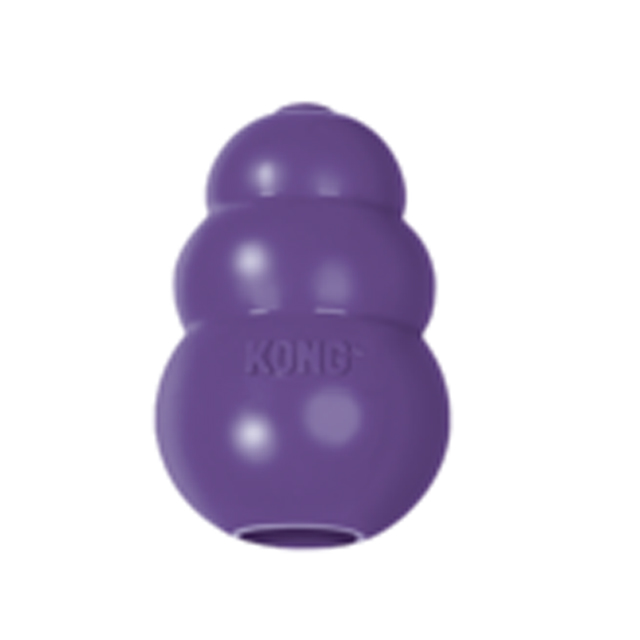
KONG Classic Senior Dog Toy
Made with a gentler rubber formula for ageing jaws. Stuff with treats or peanut butter for mental stimulation that keeps older dogs engaged.
SHOP NOW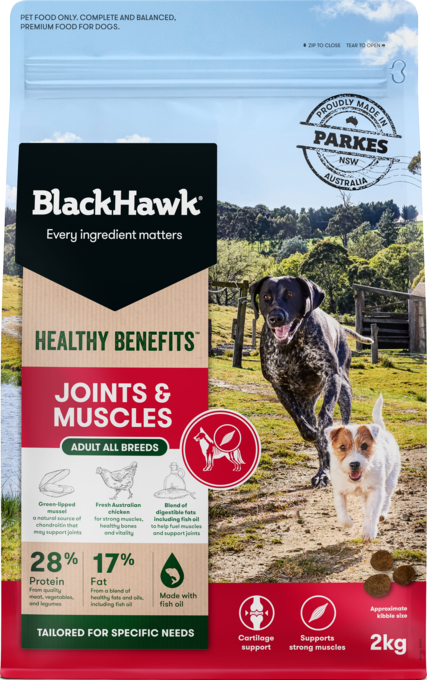
Black Hawk Healthy Benefits Joints and Muscles
Targeted formula with glucosamine, chondroitin, and fish oil to support mobility. Helps dogs stay active and comfortable for longer.
SHOP NOWThe bottom line
Ageing is not something that happens overnight. It is a gradual process, and the earlier you spot the signs, the more you can do to keep your dog comfortable, healthy, and happy for longer. Small changes to diet, supplements, exercise, and routine can make a meaningful difference to your dog's quality of life in their later years.
If you are unsure whether your dog is showing early signs of ageing, a vet check-up is always a good starting point. Many vets recommend six-monthly health checks for dogs over the age of seven. Read our complete senior dog care guide.
Save on Senior Dog Essentials with Autodeliver
Senior food, joint supplements, and dental care are ongoing costs. With Autodeliver, you can get up to 20% off orders. Orders over $79 ship free across New Zealand. Set your schedule and your dog's essentials arrive on time, every time.
Frequently Asked Questions
At what age should I switch my dog to senior food?
It depends on breed size. Small dogs can often wait until 10-11 years, medium dogs around 8-10, large dogs around 7-8, and giant breeds as early as 5-6. Your vet can help you decide the right time based on your dog's individual health.
Are joint supplements worth it if my dog is not limping?
Yes. Joint supplements work best as a preventative measure. By the time a dog is visibly limping, significant cartilage damage has usually already occurred. Starting a supplement early can help slow deterioration and maintain mobility for longer.
How can I tell if my dog is in pain?
Dogs are good at hiding pain. Subtle signs include reluctance to jump or climb stairs, licking a specific area, panting at rest, changes in posture, reduced appetite, or being less social than usual. If you suspect pain, consult your vet.
Is it normal for older dogs to sleep more?
Some increase in sleep is normal, but a significant change in energy or enthusiasm warrants attention. It could indicate pain, cognitive decline, or an underlying health issue. If your dog's sleeping habits change noticeably, a vet visit is a good idea.
Can diet really slow down ageing in dogs?
Diet cannot stop ageing, but it can significantly influence how well your dog ages. Senior-formulated foods with antioxidants, omega-3s, controlled calories, and joint-supporting ingredients help maintain organ function, brain health, and mobility.
How often should a senior dog see the vet?
Most vets recommend twice-yearly check-ups for dogs over seven. These visits can catch issues like dental disease, weight gain, joint problems, and organ changes early, when they are most treatable.
Related Reading
Support Your Dog Through Every Life Stage
From senior food and joint supplements to dental care and gentle toys, Petdirect has everything your ageing dog needs. Save with Autodeliver and enjoy free shipping on orders over $79.
Shop Senior Dog Food