Cats are notoriously poor drinkers. They descend from desert-dwelling ancestors who got most of their moisture from prey, so they're wired to drink less than other pets. That works fine for a young healthy cat, but as cats get older it becomes one of the biggest sneaky issues in their care.
Hydration in senior cats has a direct link to kidney health, urinary health, energy levels and overall wellbeing. The good news: small changes to how you offer water, food and set up their space can make a real difference. This is a practical guide to why hydration matters so much in older cats, and exactly how to help them drink more.
Why Hydration Matters Even More for Senior Cats
Kidney health
Kidneys work harder and become less efficient with age. Good hydration helps them flush out waste and keeps them working as well as possible for longer.
Urinary health
Concentrated urine can lead to crystals, stones and infections. Senior cats benefit from more dilute urine, which means drinking and peeing more regularly.
Digestive comfort
Constipation is common in older cats. More water means a more comfortable digestive system and fewer litter tray struggles.
Thirst drive can drop
Some older cats feel thirsty less often, even when they need water. Others drink more than usual. Both are worth keeping an eye on.
They rely less on food for moisture
As appetites change or cats switch to dry food, they can miss out on the moisture they used to get from wet meals. That gap needs to be filled from the water bowl.
Mobility barriers
Jumping onto a bench or walking across a cold floor in winter can be harder for a stiff older cat. If water feels like a hassle to reach, they'll skip it.
Most senior cats should be drinking around 50 to 70ml of water per kg of body weight per day, including the moisture in their food. A 4kg cat eating mostly dry food needs a lot of trips to the bowl.
Signs Your Senior Cat Might Be Dehydrated
Skin tent test
Gently pinch the skin between the shoulders. It should spring back almost instantly. If it stays tented or returns slowly, your cat may be dehydrated.
Dry gums
Healthy gums are moist and slightly shiny. Tacky or dry gums can be a dehydration sign.
Sunken eyes
Eyes that look less bright or slightly sunken can indicate fluid loss, especially alongside other signs.
Lethargy
Low energy, hiding more than usual, or less interest in food can all signal a hydrated cat feeling under par.
Hard, small poos
Drier stools, straining in the litter tray or constipation can indicate they're not getting enough water.
Changes in drinking or peeing
Drinking noticeably more or less than usual, or peeing more or less, are all worth taking seriously. A sudden change in either direction deserves a check.
Any combination of these warrants a call to your clinic, especially if your cat is over 10 years old.
10 Ways to Encourage Your Senior Cat to Drink More
Every cat is different, so try a few of these and see what sticks. Small changes often work better than one big overhaul.
Switch to or add wet food
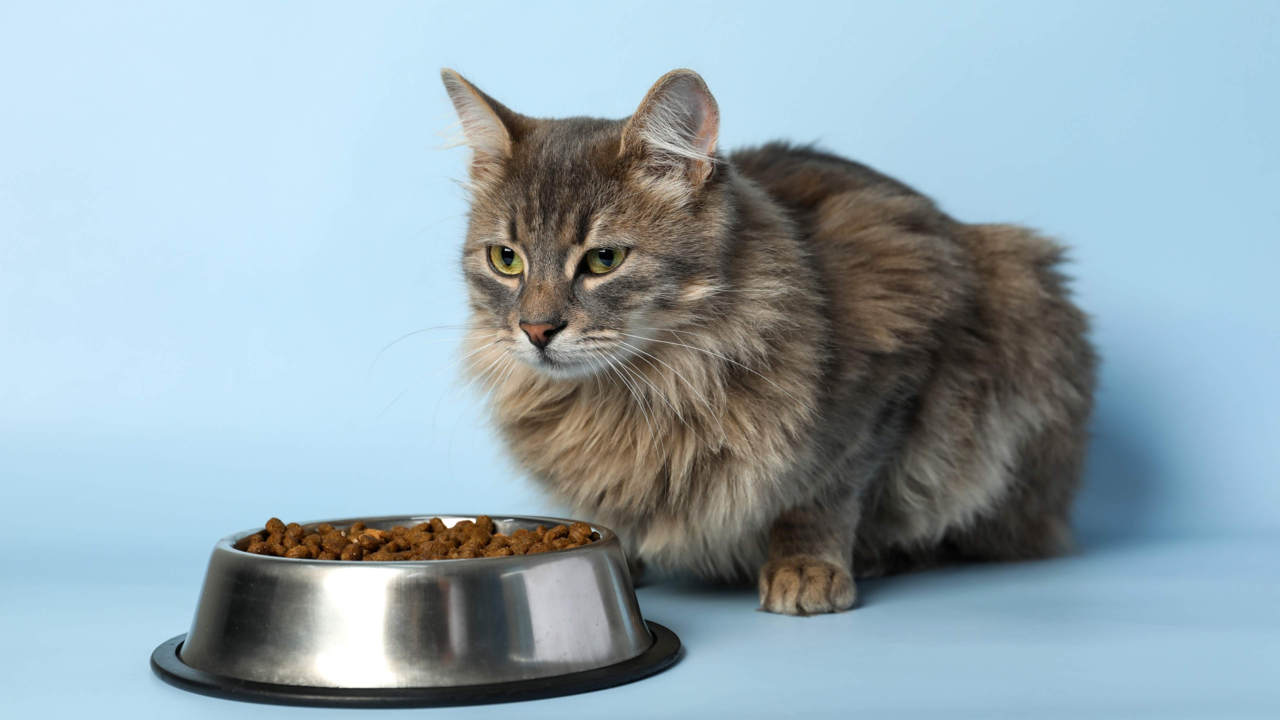
Wet food is around 70 to 80 percent water, compared to dry food which is usually under 10 percent. Adding a wet meal once or twice a day is one of the easiest ways to boost your senior cat's total water intake.
Try a pet water fountain
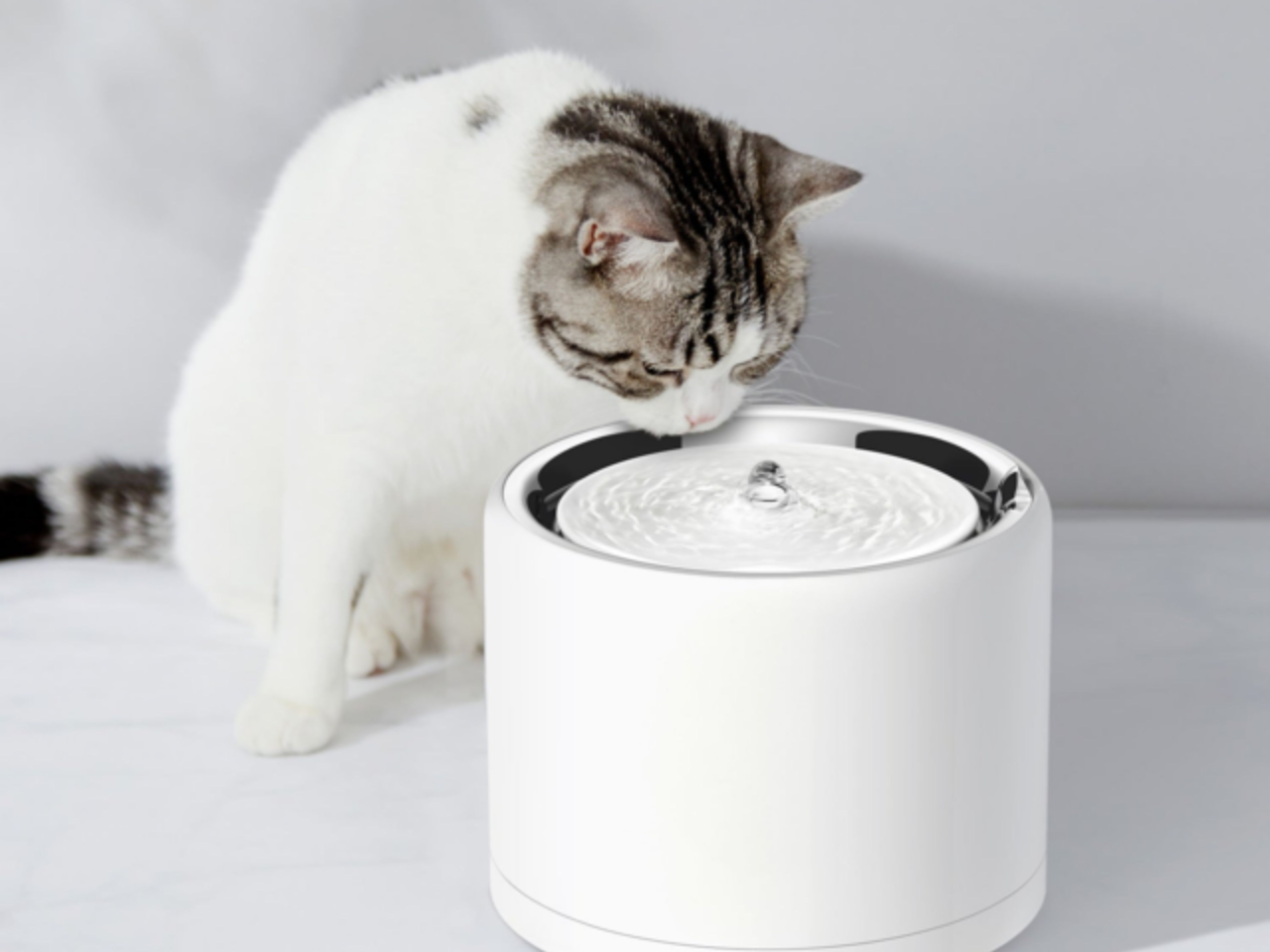
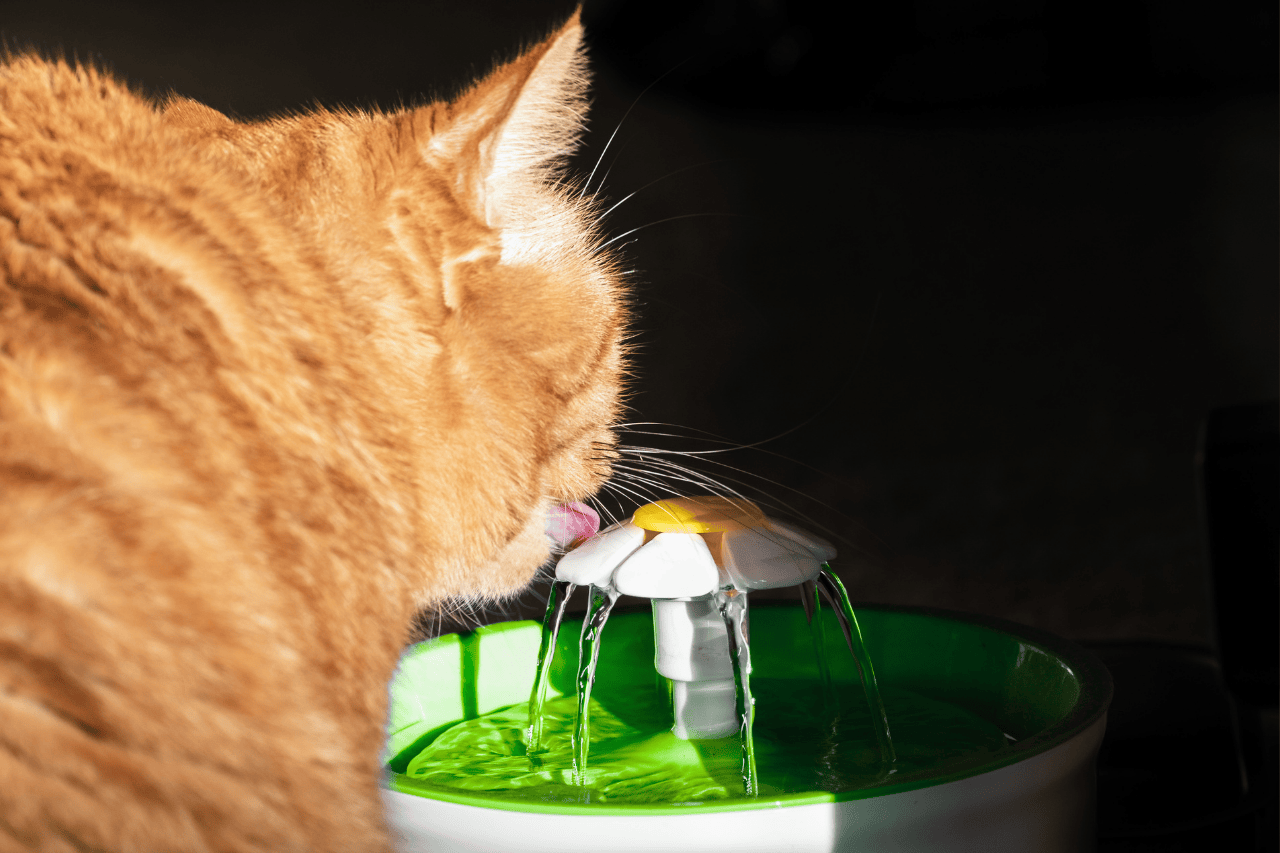
Cats are instinctively drawn to moving water. A filtered fountain often gets cats drinking up to twice as much as they would from a still bowl, and the filter keeps water fresher and tastier.
Use wide, shallow bowls
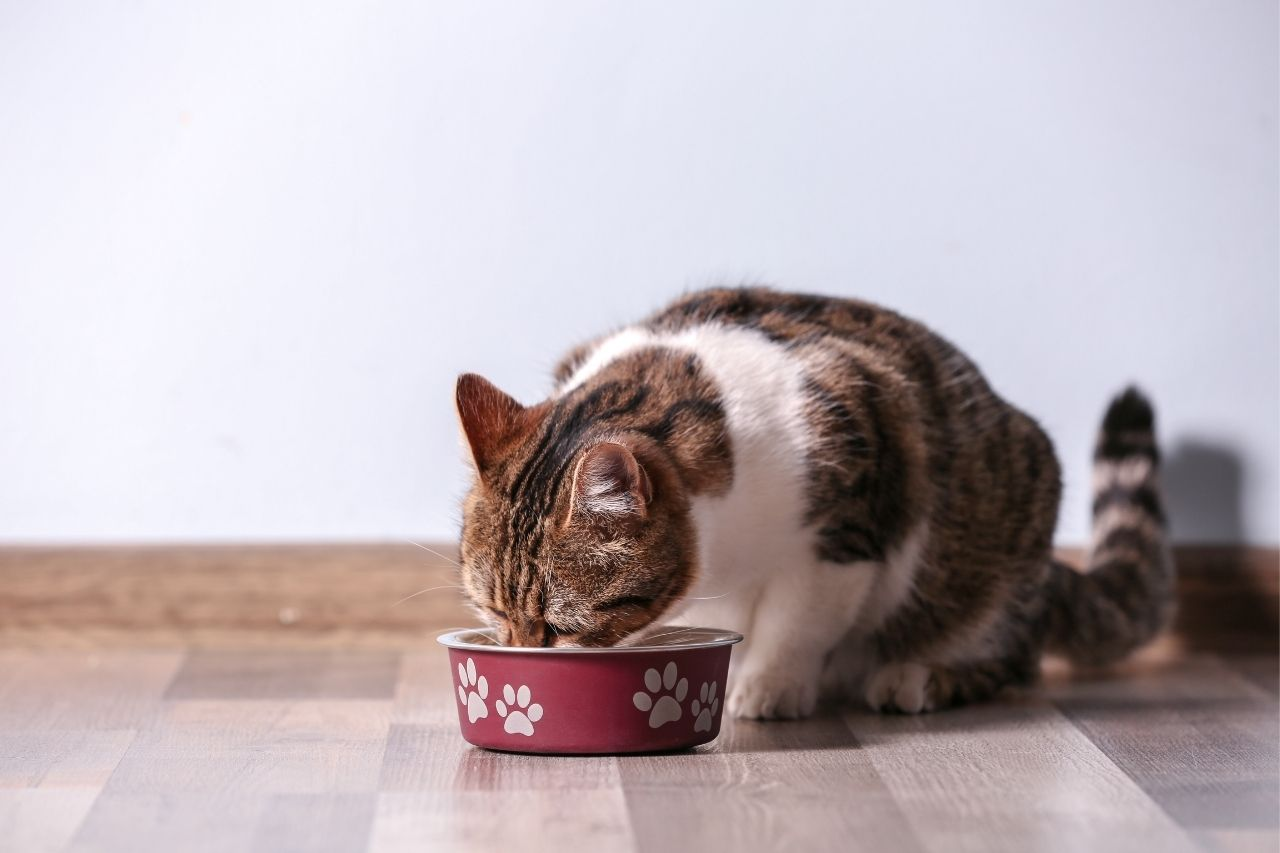
Many cats hate whisker fatigue, which is the feeling of whiskers brushing the sides of a narrow bowl. Switch to a wide, shallow ceramic or stainless steel bowl and watch how much more comfortable they look.
Set out multiple water stations
Don't make your cat walk to the kitchen every time they're thirsty. Put water bowls in 2 to 3 different rooms, especially where they nap. Easy access beats a single "perfect" bowl.
Keep water away from food and litter
Cats prefer their water separate from their food and far away from their litter tray. It's an instinct left over from not wanting to drink near potential contamination.
Refresh water daily
Stale water gets ignored. Rinse bowls and fountain reservoirs daily and refill with fresh cold water. If you're using a fountain, change the filter on schedule.
Add water or broth to meals
A splash of warm water on wet or dry food turns it into a soupier meal that boosts hydration without any extra effort. Unsalted bone broth or a little tuna water (from tuna in spring water, not oil or brine) is a tasty option.
Use a lick mat with wet food
Spreading wet food or a little plain yoghurt on a silicone lick mat makes them work for it and sneaks more moisture in. Great for cats who like to graze.
Try different water sources
Some cats prefer cold filtered water, others like room temperature, and some surprisingly love ice cubes added to the bowl. Experiment and see what gets them drinking.
Warm water during winter
Senior cats often drink less when water is cold, especially during NZ's cooler months. A splash of just-warm water can make the bowl more appealing.
The Role of Water Fountains
If there's one change that makes the biggest difference for most senior cats, it's switching from a still bowl to a pet water fountain. Flowing water taps into their natural preference for fresh, moving sources, and the filters remove hair, dust and debris that put cats off.
The PETKIT Eversweet Solo SE is whisper-quiet, great for cats who are easily startled by the pump noise. The PetSafe Drinkwell has been a classic for years and is very easy to clean. The Trouble & Trix Cat Water Fountain is a reliable, simple option at an accessible price. Replacement filters matter, so switch them every 2 to 4 weeks depending on use.
Best Wet Food Options for Senior Hydration
If your senior cat is mostly on dry food, adding a wet meal once or twice a day is the simplest way to lift their daily water intake. These are popular senior wet food options.
Lick Mats for Sneaky Hydration
Lick mats are a brilliant way to slow down eating and get more moisture into your cat at the same time. Spread wet food, a little pâté, or plain yoghurt across the mat and your cat has to lick for every mouthful.
Everyday Routine Tips
Observe their normal pattern
Know roughly how much your cat drinks on a normal day. Big shifts either way are your early-warning signal.
Weigh the bowl
If you want to track intake more precisely, weigh the water bowl in the morning and evening. It's the most accurate way to know how much they've had.
Watch the litter tray
Clump size is a rough guide to hydration. Very small or very large clumps, or sudden changes, are worth noting.
Warmth helps
A cosy resting spot near a water station often tips the scales. Older cats who are comfortable drink more.
Don't flavour the water
Tempting as it is, avoid adding flavouring, milk or salt to water. Keep the main water source plain and offer flavoured alternatives (like bone broth) in a separate bowl.
Check in with your clinic
Senior cats benefit from twice-yearly check-ups. If hydration or thirst changes, ask about a hydration and kidney check at your next visit.
Frequently Asked Questions
How much water should a senior cat drink per day?
A rough guide is 50 to 70ml per kg of body weight per day, including moisture from food. A 4kg senior cat needs about 200 to 280ml daily. Cats on wet food can drink less from the bowl, because they're getting moisture from their meals.
Do cats drink more water as they get older?
It varies. Some older cats drink more than they used to (which can be an early sign of kidney or other changes), while others drink less as their thirst drive fades. Sudden changes in either direction are worth a check-up.
Are water fountains really better for cats?
For most cats, yes. Moving, filtered water is fresher and more appealing, and most cat owners notice an increase in drinking after switching. If your cat has never used one, introduce it alongside a still bowl for a week so they can choose.
Should senior cats only eat wet food?
Not necessarily, but adding wet food to their routine is one of the best hydration moves you can make. Many senior cats do well on a wet-and-dry mix. Choose what works for your cat's preference and needs, or talk to your clinic if you're unsure.
Can I flavour my cat's water?
Keep their main water plain, but you can offer extras like unsalted bone broth or tuna water (from tuna in spring water, not oil or brine) in a separate bowl for flavour variety. Never add salt, milk or sweeteners.
My cat suddenly started drinking more. Is that good?
It depends on the context. A small increase during hot weather is normal. A noticeable, ongoing increase in drinking is one of the most common early signs of kidney, thyroid or diabetes-related changes in older cats. Best to get it checked.
Shop Senior Cat Hydration Essentials
Water fountains, wet food, lick mats and filters. Everything you need to keep your senior cat well hydrated. Save with Autodeliver on the wet food they love and enjoy everyday member pricing with Pet Perks.
SHOP SENIOR CAT FOOD