
Taking Your Cat to the Bach: Summer Holiday Travel Tips NZ
Taking a cat to a New Zealand bach can be manageable when the trip is planned around familiar routines and a secure arrival. The most important part is not only the journey: it is setting up a contained, quiet space before your cat explores an unfamiliar property.
Use this guide to prepare your cat’s carrier and travel routine, plan a safe room at the bach, and check doors, windows and outdoor access before letting your cat settle in.
Quick answer: how do you prepare a cat for a bach holiday?
Condition your cat gradually to their carrier, travel with them contained, and take the carrier straight into a prepared safe room when you arrive. Keep doors and windows secured, provide familiar litter and essentials, and allow your cat to explore at their own pace. Do not let your cat roam outside at an unfamiliar property unless you have made a separate, carefully considered plan for their safety.
Start with a calm, secure travel setup
Leave the carrier open at home well before your trip, with familiar bedding or treats nearby. Short, positive sessions can help your cat become more comfortable entering and resting in it. Avoid making the carrier appear only when it is time to leave.
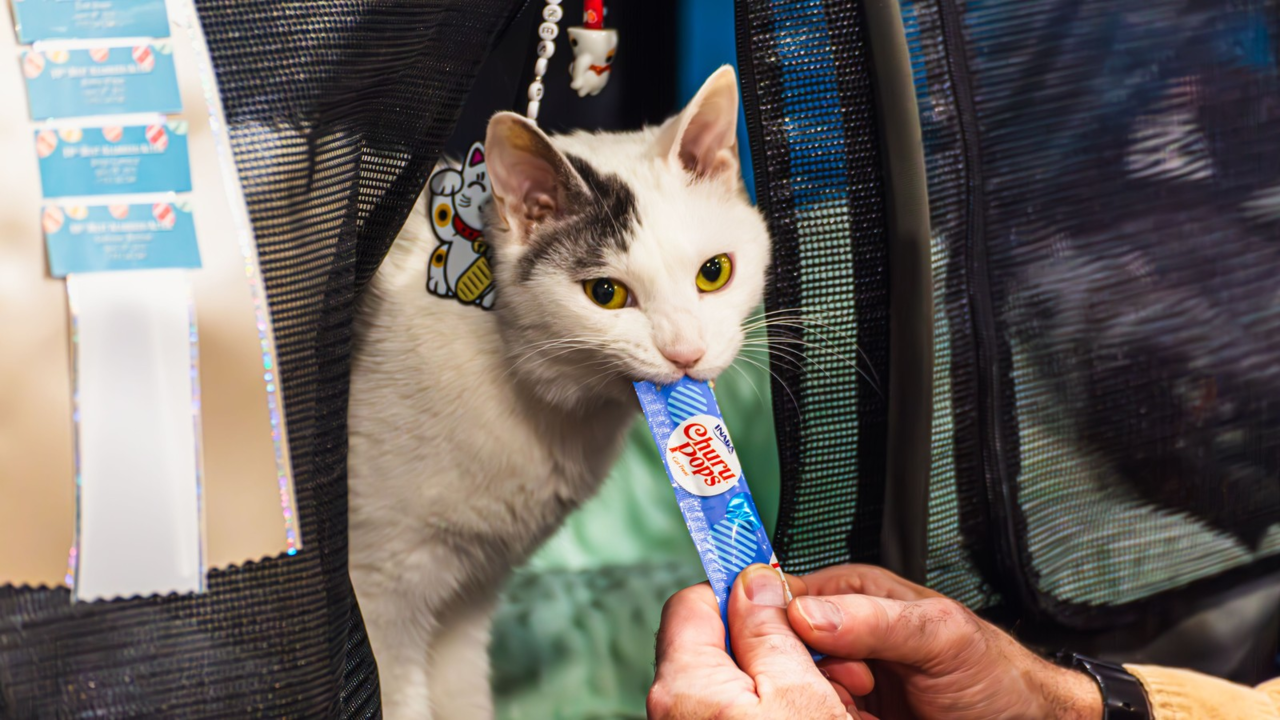
For the journey, choose a carrier that gives your cat enough room to sit, turn and lie down while remaining secure. Keep the carrier closed and secured during travel. The Brooklands Airline Cat and Dog Carrier offers a range of sizes, while the M-PETS Viaggio Cat and Dog Carrier and Brooklands Top-Opening Cat and Dog Carrier are other options to compare.
Secure the carrier so it cannot slide or tip. Keep the temperature comfortable, avoid leaving your cat unattended in a parked vehicle, and take breaks only when you can keep your cat safely contained.
Use harnesses and collars only when they suit your cat
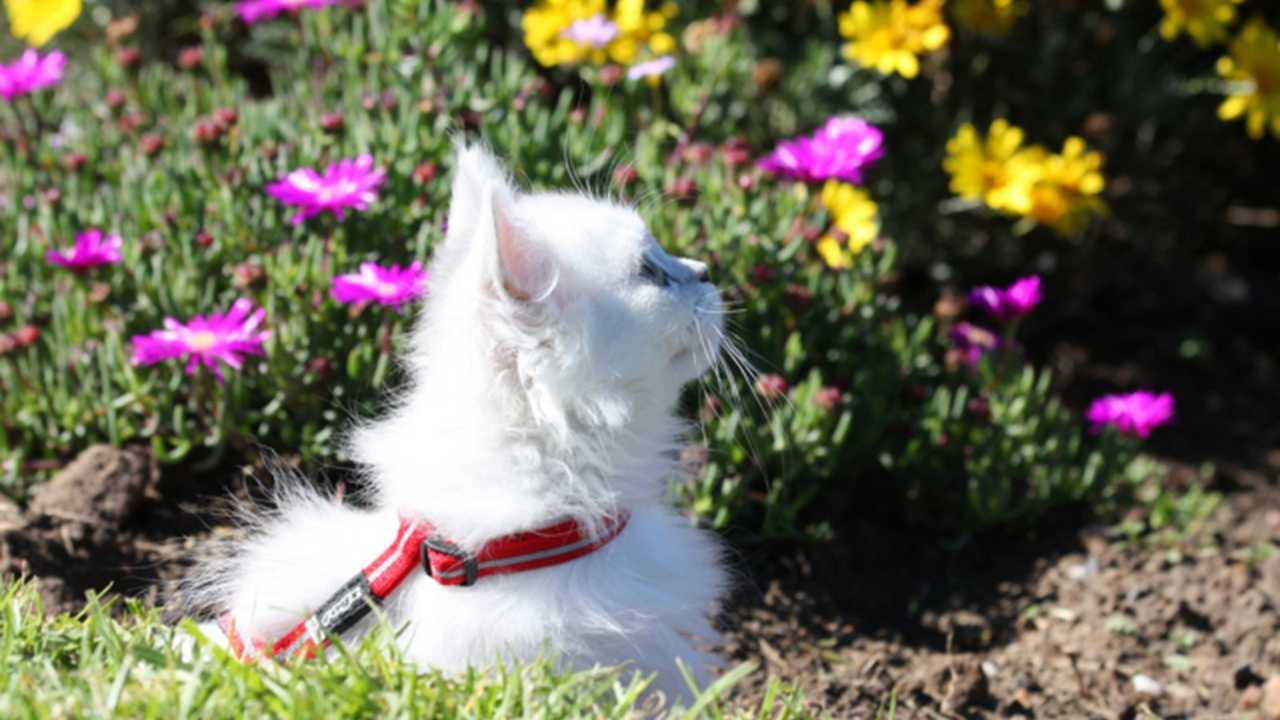
Some cats tolerate a harness after gradual conditioning, while others find it stressful. Introduce it indoors for brief periods, check the fit, and stop if your cat shows signs of distress. A harness is not a substitute for a secure carrier during travel.
For cats that are comfortable wearing one, compare the M-PETS Gentle Cat Harness and Leash Set with the Rogz Alleycat Cat Harness & Lead Set. For identification around unfamiliar accommodation, the Rogz Alleycat Safeloc Cat Collar is another option to consider. Check that any collar is correctly fitted and designed for cats.
Set up a safe room before opening the carrier
Choose a small, quiet room away from busy entrances. Before you arrive, or before opening the carrier, check the room carefully:
- Close and secure windows, doors and any pet doors that lead outside.
- Look for gaps behind appliances, under decks or through damaged screens.
- Remove string, toxic plants, cleaning products and other hazards from reach.
- Place food, water, a familiar bed or blanket and a litter tray in the room.
- Keep the carrier closed until the room is secure, then open it and let your cat come out when ready.
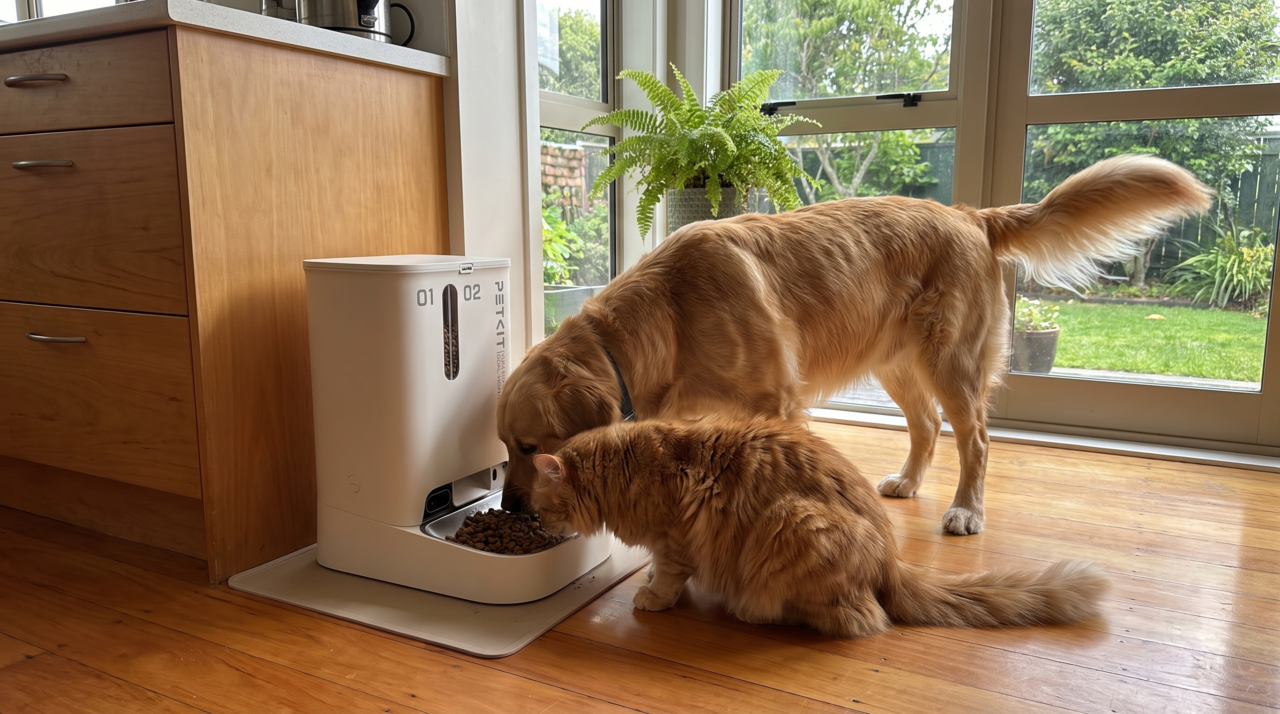
If the bach has a pet door, do not assume it is suitable for your cat or secure for the property. A SureFlap Microchip Connect Pet Door for Cats and Small Dogs or SureFlap Microchip Connect Cat Door may suit some households, but installation, access settings and the property owner’s permission need to be considered first.
Keep the litter routine familiar
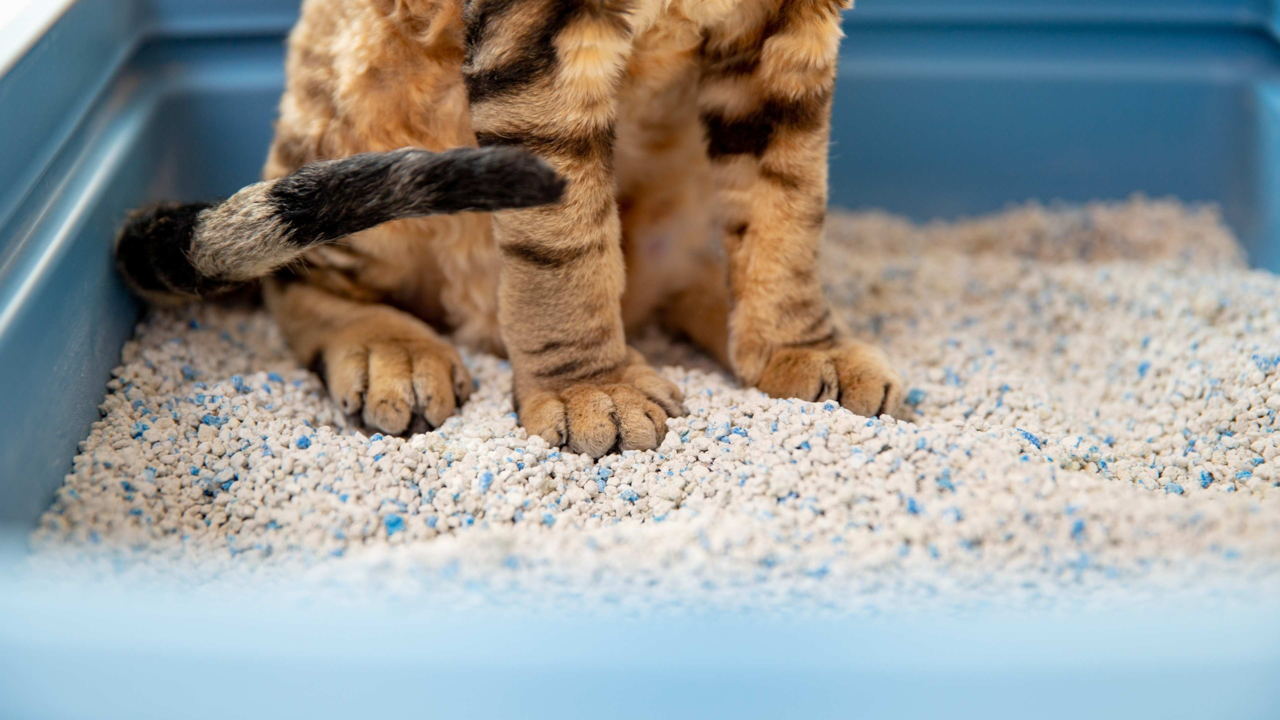
Travel can be easier when your cat’s toileting setup feels familiar. Bring the same type of litter and, where practical, the same tray or a similar-sized one. Place it away from food and water in the safe room, with a clear route to it.
The Kitty Fresh Activated Charcoal Clumping Cat Litter and Calibre Tofu Cat Litter are options to compare for a destination setup. A familiar litter is usually the better choice for the trip, so pack enough for the whole stay rather than relying on a new product being available near the bach. If your cat is sensitive to changes, avoid switching litter immediately before travel.
A Tidy Tails Odour Control Extra Large Stainless Steel Cat Litter Tray is another option when you want to prepare the safe room with a roomy tray before arrival.
Keep the safe room available until your cat is relaxed and you have checked the rest of the property. Some cats may prefer to stay in that room for much of the holiday, and that is fine if their basic needs are met.
Check the bach for escape routes and hazards
Unfamiliar buildings can contain small openings and doors that are easy to overlook. Walk through the property before your cat explores, including bedrooms, cupboards, garages, sheds and outdoor areas.
Make a simple arrival rule for everyone: doors to the outside stay closed, visitors do not open windows, and nobody carries the carrier through an open doorway. Ask guests to let you know before entering the safe room so your cat is not startled.
At the end of the stay, check the room and property again before packing the carrier. Cats can hide quietly, especially in unfamiliar places.
Give your cat time to settle
Keep feeding, play and quiet time as close as possible to your cat’s usual routine. Let your cat choose when to leave the carrier and safe room. Familiar bedding, a favourite toy and the same food can make the new setting feel less overwhelming.
Do not force your cat to interact with people, wear a harness or explore outdoors. If your cat becomes unwell, has difficulty breathing or shows another concerning change, contact your vet promptly.
Frequently asked questions
Can I let my cat roam outside at the bach?
An unfamiliar property can create a higher risk of escape, traffic encounters and getting lost. Keeping your cat indoors is the simplest option. If you are considering outdoor access, plan it carefully rather than relying on your cat to recognise the property.
How long should my cat stay in the safe room?
There is no single timetable. Keep your cat there until they are settled and the rest of the property has been checked. Some cats will want to explore quickly, while others need more time.
Should the carrier stay in the safe room?
Yes. Leaving the carrier open can give your cat a familiar hiding place and makes it easier to contain them again for the return journey.
Can I use a harness for the first time at the bach?
It is better to introduce and practise with a harness at home first. A new environment is not the right place to discover that your cat dislikes wearing one.
What should I pack for my cat?
Pack the carrier, familiar bedding, usual food, water and bowls, litter and a tray, medication if prescribed, identification details, cleaning supplies and a favourite toy. Bring more litter and food than you expect to need in case your plans change.
How can I make the return trip easier?
Keep the carrier open in the safe room during the stay, maintain familiar routines and allow enough time to settle your cat before departure. Close the room securely before opening the carrier.
Prepare for a more settled summer stay
Explore cat doors and carriers, cat leads and collars, and cat litter before your holiday.
Shop pet travel essentialsRelated reading

Cat travel: the essentials for a calm and comfortable journey
Best cat harnesses in NZ: how to choose and fit one
Senior cat carrier setup for comfortable vet trips

How to choose the right cat litter box or tray
Best cat litter types in NZ: compare clumping, crystal and natural options
Top pet tech: smart microchip cat doors, water fountains and cameras