A vet trip can be a bigger ask for an older cat, especially if getting into the carrier means lifting, awkward turns or a rushed dash out the door. A few small changes at home can make the carrier feel like familiar furniture rather than a signal that a stressful trip is coming.
Set it up for everyday comfort, practise at your cat’s pace, then make the journey secure and predictable. These ideas are suitable for senior cats and can be adapted to what your individual cat finds easiest.
Quick answer
For comfortable vet trips, leave a stable, well-ventilated carrier open in a quiet part of the home, add familiar non-slip bedding, and reward your cat for choosing to explore it. Practise in short, calm steps, then secure the closed carrier in the car and keep it closed until you are safely indoors at your destination.
Make the carrier part of home life
Put the carrier somewhere your cat already likes to rest, with the door open or removed if the design allows. Keep it out between appointments instead of bringing it down only on travel days. A familiar blanket or bed liner can add a known scent; keep it thin and secure so it does not bunch up or block ventilation.
Start with curiosity
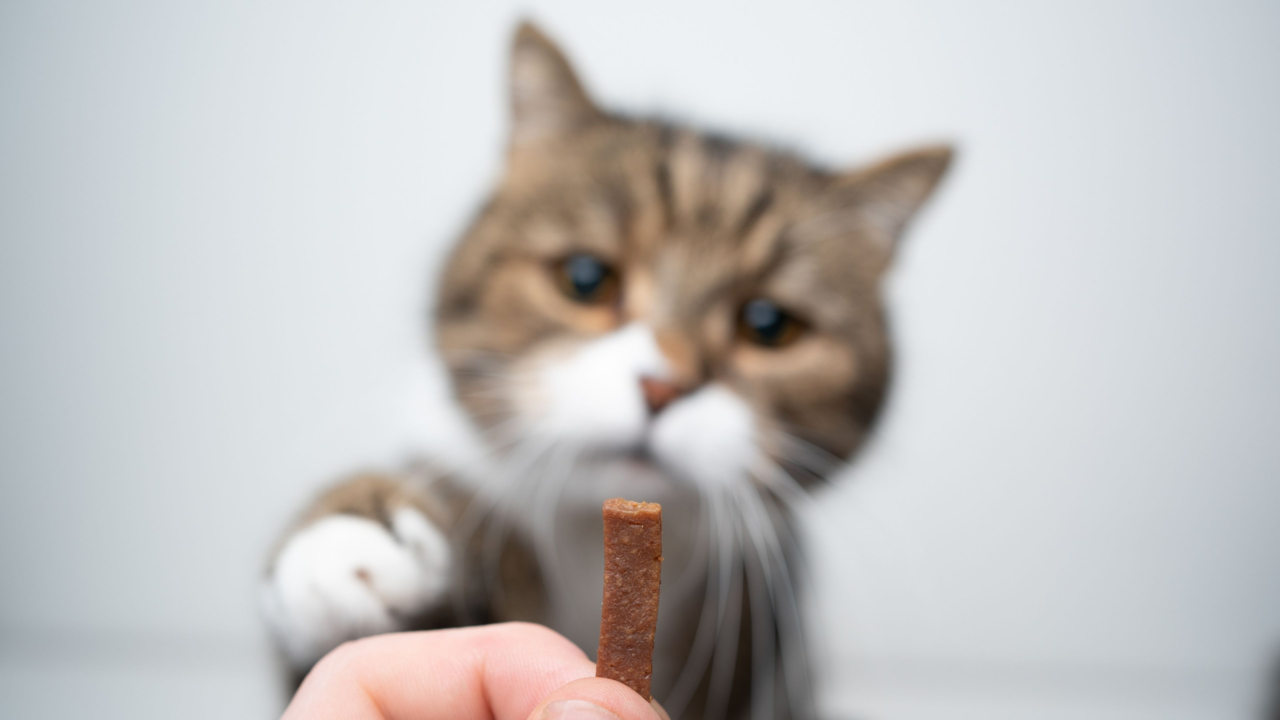
Let your cat look, sniff and walk away freely. Place a few treats near the entrance, then gradually move them further inside if your cat is comfortable.
Keep practice brief
Try a minute or two at a time and finish while your cat is still settled. Build towards touching the door, closing it briefly, and lifting the carrier only when earlier steps are easy.
Let your cat set the pace
Do not push or pull a reluctant cat into the carrier. If they back away, make the next session simpler and allow them to approach again on their own.
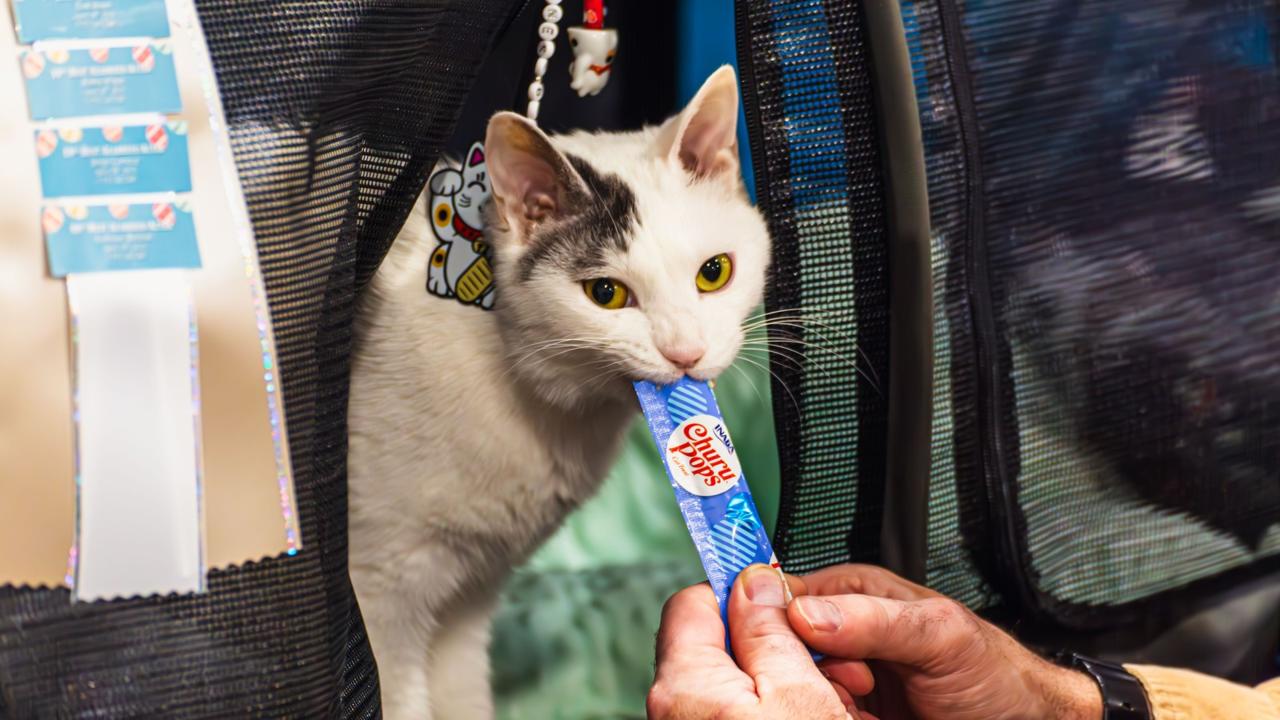
Reward calm choices with a treat, gentle praise or a favourite interaction. If food is not a good motivator for your cat, use something else they enjoy. The aim is familiarity, not a perfect training session.
Choose a carrier that suits your cat
A good fit gives your cat room to stand, turn around and lie down, without so much spare space that they slide about. Look for secure closures, steady construction and ventilation. For an older cat, also consider how you will place them inside and lift the carrier without twisting or knocking their joints.
Think about the set-up at home as well as the carrier itself. Put it on a steady, low surface with a clear route to the door, so you are not lifting it down from a shelf or moving around clutter. If your cat finds a high step difficult, avoid asking them to jump up into the entrance. A removable top can help some cats settle in the base, but only use that feature if the carrier is designed for it and the base remains stable.
A top-opening design can make gentle placement easier for some cats, while a front-entry carrier may suit a cat who already walks in willingly. Compare the opening style and size before deciding. For instance, the Brooklands Airline Cat and Dog Carrier and M-PETS Viaggio Cat and Dog Carrier offer options to compare, while the Brooklands Top-Opening Cat and Dog Carrier gives you a top-entry style to consider.
Whichever style you choose, check the carrier’s size guidance against your cat, and practise lifting it when empty first. When carrying your cat, keep the base level and support it with both hands where possible.
Set up a softer, steadier journey
Before you leave, make sure the bedding is dry, familiar and not slippery. A washable liner or absorbent layer can be useful, but keep it flat so your cat has secure footing. A light towel over part of the carrier may reduce visual bustle for some cats; leave plenty of airflow and check that your cat remains comfortable.
- Place the carrier on a stable surface and close every latch before moving it.
- In the car, secure the carrier so it cannot slide or tip. Follow the carrier and vehicle instructions for safe positioning.
- Keep the door closed during the journey, even if your cat is vocal. Opening it in a car or an unfamiliar place can create an escape risk.
- At the destination, take the carrier into a secure indoor space before opening it.
For a longer outing, pack a spare liner and a small towel. If your cat has a toileting accident, keep them contained and comfortable rather than opening the carrier somewhere unsecured.
Before leaving, check that the carrier is latched and that the route from your home to the car is clear. Carry it level, supporting the base rather than holding it by the handle alone if the design allows. At the appointment, keep the carrier covered only as much as your cat seems to prefer, and make sure air can still circulate.
When comfort needs a different plan
Some cats remain worried despite gradual practice. Keep sessions low-pressure and ask your veterinary team for advice before the appointment if travel distress is significant. If your cat has a new difficulty walking, appears painful when handled, or their behaviour changes suddenly, contact your vet rather than assuming it is simply part of getting older.
For senior-cat support beyond travel, explore Gold Paws and The senior scoop.
Frequently Asked Questions
When should I start getting my older cat used to a carrier?
Start well before the next planned trip if you can. Leave it open in a quiet place and let your cat investigate without pressure. Small, positive sessions are easier to fit into ordinary days.
Should I leave the carrier out all the time?
Yes, if you have space and your cat is comfortable with it. An accessible carrier can become a familiar resting or exploring spot, rather than appearing only before travel.
What should I put inside a cat carrier?
Use a familiar, secure blanket or thin bedding that gives your cat grip. Avoid bulky items that reduce usable room or cover vents. Bring a spare liner for longer trips.
Is a top-opening carrier easier for a senior cat?
It may be easier for some cats because it can allow a gentler placement, but preferences vary. Consider your cat’s mobility and how they respond to each opening style, and practise at home before travel.
How can I stop the carrier sliding in the car?
Secure it according to the carrier and vehicle instructions so it cannot tip or move freely. Keep the carrier closed throughout the journey and do not place it where it blocks the driver.
Can I open the carrier if my cat is upset on the way?
No. Keep it closed in the car and in other unsecured places. Wait until you are in a secure indoor room before opening the door.
What if my cat still will not enter the carrier?
Pause and return to an easier step, such as rewarding them for being near it. If a trip is urgent or travel distress is severe, contact your vet for guidance rather than forcing repeated attempts.
Find a carrier for your cat
Compare cat carriers by size and style, then set yours up at home well before the next trip.
SHOP CAT CARRIERS