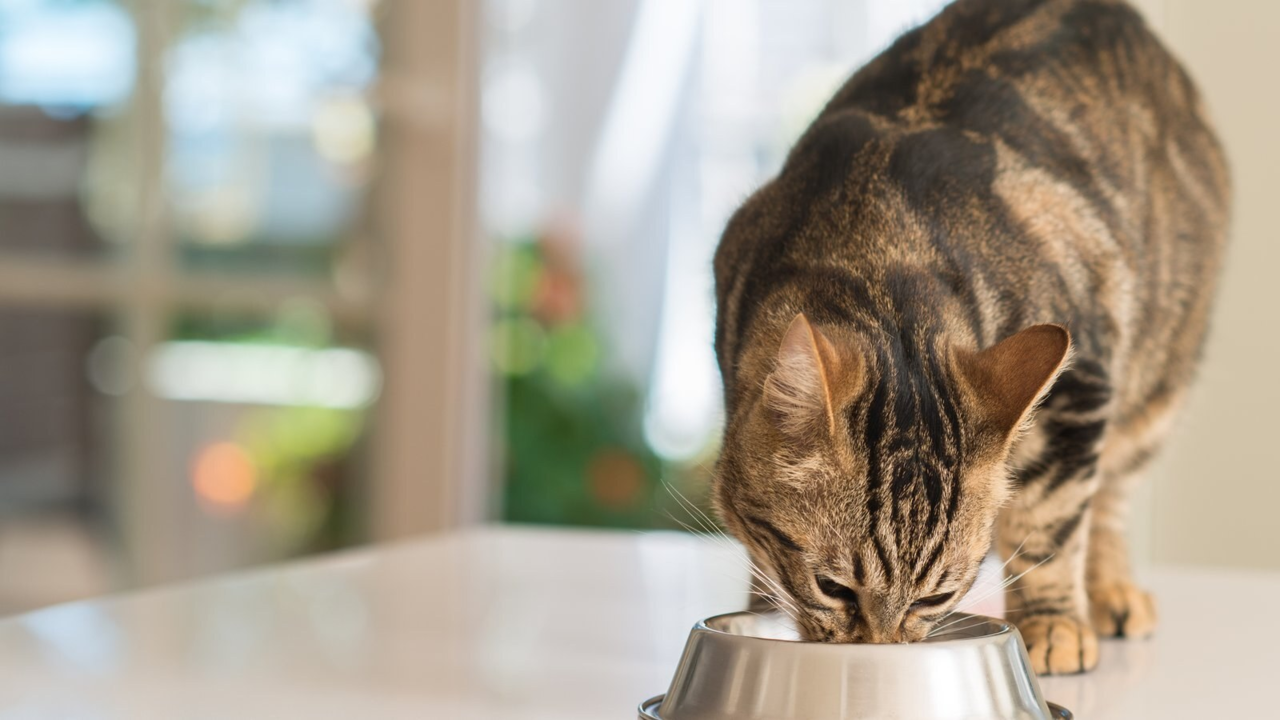
Older cats often eat a little differently to how they did in their younger years. Some start grazing in smaller amounts through the day, some become fussier about texture, and some quietly slow down at the bowl in a way that is easy to miss until you stop and watch. If your cat is 7 or older, these shifts are a normal part of getting on in life, but knowing what is typical helps you spot the times when a change is worth a closer look.
This guide walks through how appetite tends to change with age, what counts as normal, and the gentle ways you can keep mealtimes appealing. We are not a clinic, so think of this as a starting point for observing your cat at home rather than a diagnosis.
Quick answer
From around 7 years of age, cats commonly eat smaller, more frequent meals, show a softer interest in food, and may prefer warm, soft or strong-smelling options as their sense of smell fades. A steady, slightly lighter appetite is usually normal. A sudden refusal to eat, eating far more or less than usual, or weight change alongside the appetite shift is worth a vet check.
Why appetite changes as cats age
A senior cat's relationship with food is shaped by lots of small changes happening at once. None of these are alarming on their own, and most can be supported at home.
A keener nose fades
Cats rely heavily on smell to decide if food is worth eating. As that sense softens with age, a meal that once smelled irresistible can seem less interesting, so warm or aromatic food often lands better.
Slower metabolism, then a turn
Many cats need slightly fewer calories through their middle senior years, so a gently smaller appetite can be normal. Some very old cats then swing the other way and need more support to hold their weight.
Teeth and gums
Sore teeth or gums can make crunching biscuits uncomfortable. A cat that approaches the bowl keenly then backs away, or chews on one side, may be telling you their mouth needs a look.
Comfort and routine
Stiff joints can make it harder to settle at a low bowl, and older cats can be more sensitive to a busy or noisy feeding spot. Small comfort tweaks often bring the appetite back.
What is normal, and what is worth watching
The pattern matters more than any single meal. Cats skip the odd meal, and a warm day or a quiet mood can put them off briefly. Use this as a rough guide, and always weigh it against what is usual for your own cat.
| You might notice | Usually normal | Worth watching |
|---|---|---|
| Meal size | Slightly smaller meals, eaten more often through the day | A sudden, lasting drop in how much they eat, or finishing nothing for a day |
| Fussiness | Preferring softer, warmer or stronger-smelling food | Turning away from foods they have always loved, or refusing every option |
| Speed | Grazing slowly, returning to the bowl a few times | Approaching the bowl hungry then backing off, or dropping food |
| Weight | Holding steady, or a very gradual change over months | Noticeable weight loss or gain over a few weeks |
| Thirst | Steady drinking, a little more in warm weather | A clear, ongoing increase in drinking alongside the appetite change |
Gentle ways to keep meals appealing
If your older cat is eating a little less or getting fussier, a few simple swaps can make food more tempting. Warming wet food slightly and choosing softer, gravy-rich textures both help when a cat's sense of smell has faded. Senior-specific wet foods are formulated to be easy to eat and easy to digest.
Meal toppers are a low-effort way to lift interest in a bowl without overhauling the whole diet. A spoonful of something aromatic over their usual food can be enough to get a hesitant senior started.
Hydration goes hand in hand with appetite
Older cats are prone to drinking less than they should, and good hydration supports a healthy appetite. Many cats drink more readily from moving water, so a fountain placed away from the food bowl can encourage steady sipping through the day.
Comfort at the bowl
Sometimes the appetite is fine but the setting is not. A calm, easy-to-reach spot makes a real difference for an older cat. A raised, shallow dish can ease the strain of bending down, joint support can keep them moving comfortably, and a calming diffuser can settle a cat who feels unsettled at mealtimes in a busier home.
When to check in with your vet
Cats are very good at hiding when something is wrong, and appetite is one of the first things to shift. Book a check if you notice any of the following, especially more than one together:
- Your cat eats nothing for a full day, or far less than usual for several days
- A clear change in weight over a few weeks, up or down
- Eating alongside increased thirst, vomiting, or changes in the litter tray
- Approaching food hungry then backing away, dropping food, or pawing at the mouth
- A sudden swing to eating much more than normal
A simple at-home routine
Keeping a light eye on the everyday makes it much easier to notice when something shifts.
Feed little and often
Smaller meals spread through the day suit most senior cats better than one or two large servings.
Serve at room temperature or warmer
Take wet food off the chill and warm it gently to lift the aroma. Never serve it hot.
Keep mealtimes calm
A quiet, low-traffic spot away from the litter tray and water helps an older cat relax enough to eat.
Watch the pattern, not the meal
A skipped meal now and then is normal. A trend over days is the thing to act on.
Frequently Asked Questions
At what age is a cat considered senior?
Cats are generally considered senior from around 7 years of age. There is no overnight change, so you will usually see appetite and habits shift gradually rather than all at once.
Is it normal for an older cat to eat less?
A gently smaller appetite can be normal as activity and metabolism ease off. What is not normal is a sudden, lasting drop, refusing food they usually love, or eating less alongside weight loss. Those are worth a vet check.
Why has my senior cat become fussy about food?
A fading sense of smell is a common reason. Older cats often prefer warm, soft and aromatic food. Sore teeth or gums can also make them picky, particularly with dry biscuits, so it is worth watching how they chew.
Should I switch my older cat to wet food?
Many seniors do well on wet or mixed feeding because it is easy to eat, often more appealing, and adds moisture to their day. If you change foods, do it gradually over a week or so to let their stomach adjust.
How can I tempt a senior cat that is not interested in food?
Warm the food slightly, try a strong-smelling topper, offer smaller portions more often, and serve in a calm spot. If the lack of interest lasts beyond a day or comes with other changes, check in with your vet rather than waiting it out.
My old cat is suddenly eating a lot more. Is that a problem?
A sudden, marked increase in appetite in an older cat, especially with weight loss or more drinking, is worth a vet check. It is one of the patterns that should not be put down to age alone.
Make senior mealtimes easy
Stock up on senior-friendly wet food, toppers and treats and have them arrive on your schedule with Autodeliver (up to 20% off orders). Members also get everyday savings with Pet Perks.
SHOP SENIOR CAT FOODRelated Reading
Why Your Older Cat Is Losing Weight: Causes and What to Do
Best Food for Senior Cats in New Zealand
Digestive Health for Senior Cats: An NZ Owner's Guide
Why Hydration Is Critical for Senior Cats and How to Encourage Drinking
Vomiting in Older Cats: Hairballs or Something More?
6 Subtle Signs Your Cat Is Entering Their Senior Years