If you have ever stood in the cat aisle feeling a little overwhelmed by shelves of options, you are not alone. Choosing the best type of cat litter is rarely a one-size-fits-all decision. From clay to crystals, recycled paper to wood pellets, each type suits a different cat, a different home and a different budget.
At Petdirect we get pets, and that means thinking about what cats actually want as well as what makes life easier for you. This guide walks through the main cat litter types you will find in New Zealand, so you can match the right one to your cat and your household. Browse the full cat litter range as you read.
Quick answer
There is no single best cat litter, but clumping clay is the most popular all-rounder for its strong odour control and easy scooping. Recycled paper and wood or plant pellets are the go-to for eco-minded homes and cats with sensitive paws, while crystal litter suits people who want the lowest-maintenance box. The best choice is the one your cat will happily use, so pick a type that fits your cat's preferences, then match it to your budget and how often you want to clean.
Clumping clay litter: the practical all-rounder
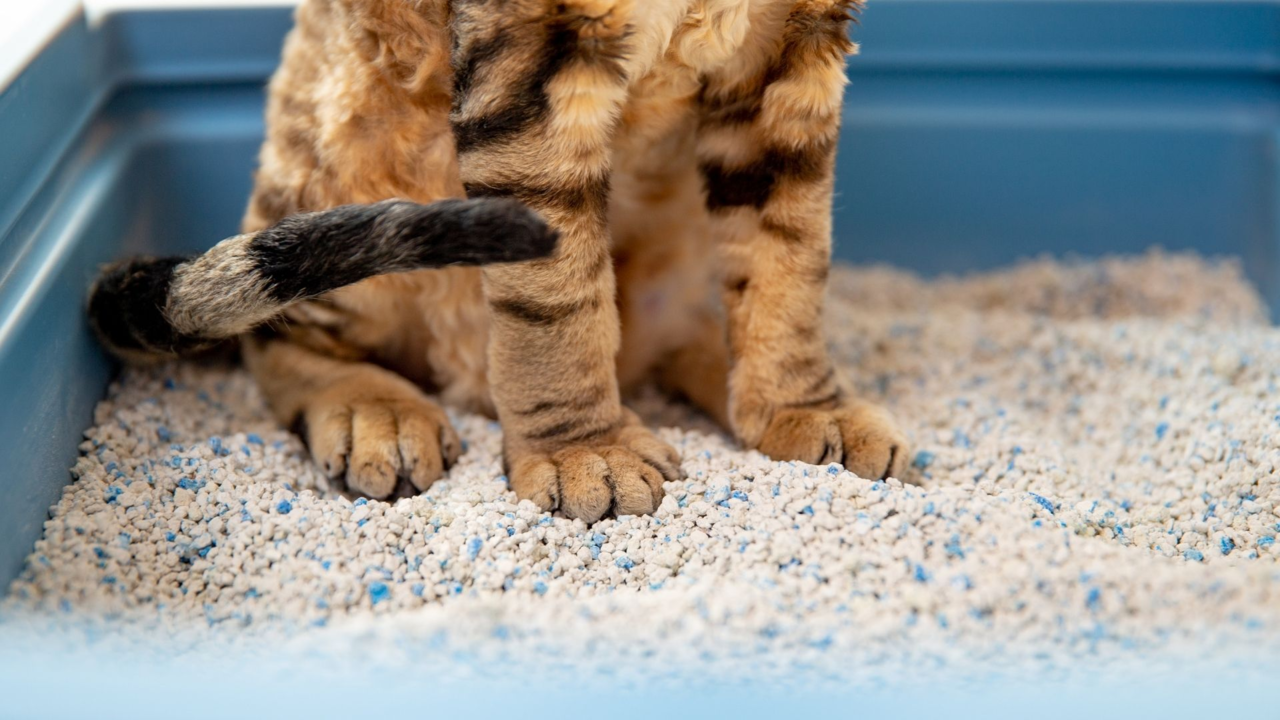
Clumping litter is the most widely used option for good reason. Made from bentonite clay, it forms solid clumps the moment it meets moisture, so you can scoop out waste daily and keep the rest of the tray fresh for longer.
Pros
- Excellent odour control
- Quick and easy to scoop daily
- Widely available in most sizes
Cons
- Can be dusty
- Heavier to carry and dispose of
- Not biodegradable
If your cat likes a consistent routine and you are happy with daily scooping, clumping clay is hard to beat. For a budget-friendly pick, look at Calibre.
Crystal litter: low maintenance and super absorbent
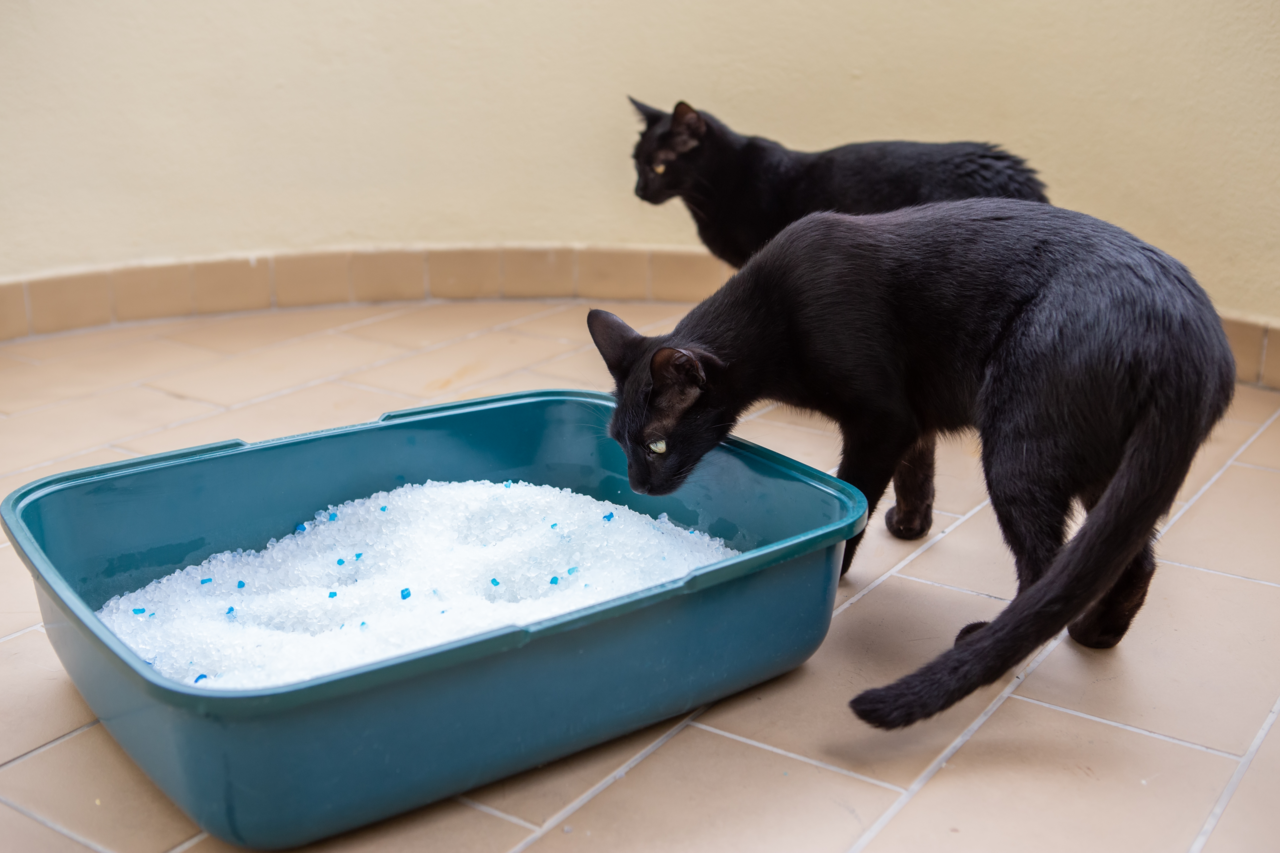
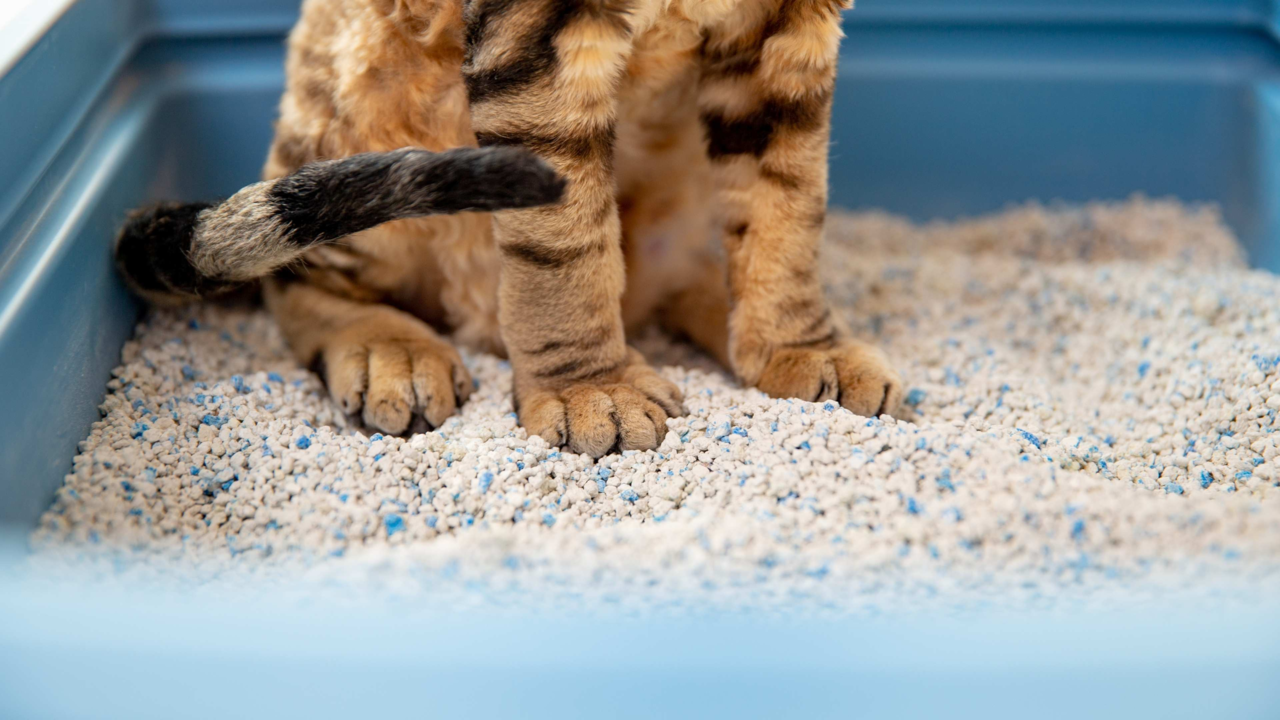
Crystal litter is made from silica gel beads that lock away moisture and trap odours without clumping. It is a favourite for anyone wanting a lower-maintenance box, since you simply remove solids and stir the crystals rather than scooping wet clumps every day.
Pros
- Very absorbent and long lasting
- Low dust and lightweight
- Strong odour control between full changes
Cons
- Higher upfront cost per bag
- Some cats dislike the texture underfoot
- Not biodegradable
Recycled paper litter: gentle and eco-friendly
Recycled paper litter is made from compressed pellets of reclaimed paper. It is soft, low dust and highly absorbent, which makes it a popular choice for kittens, cats recovering from surgery and anyone wanting a more sustainable option.
Pros
- Low dust and soft on paws
- Made from recycled materials
- Gentle for kittens and post-surgery cats
Cons
- Does not clump, so needs fuller changes
- Odour control is milder than clay
- Can track if pellets are lightweight
Wood and pine pellet litter: natural and biodegradable
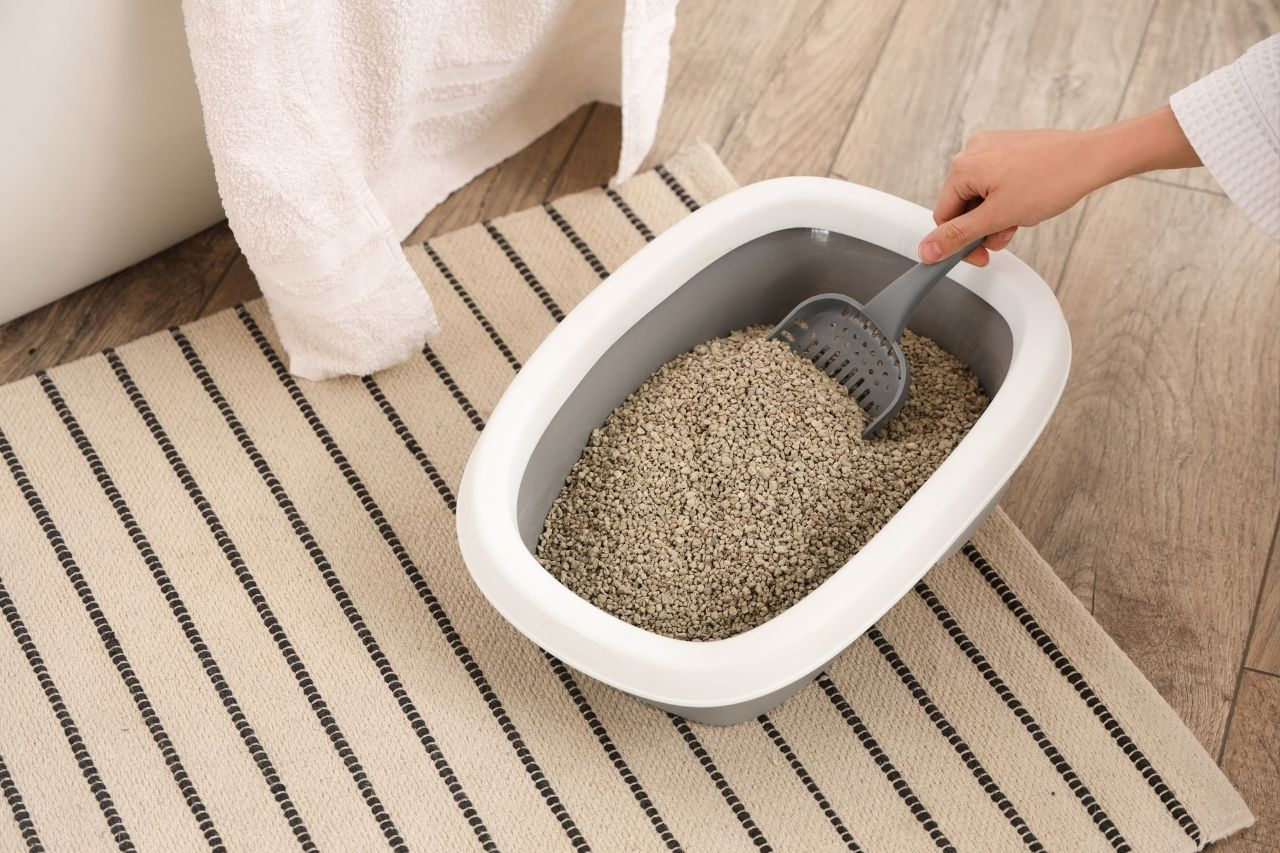
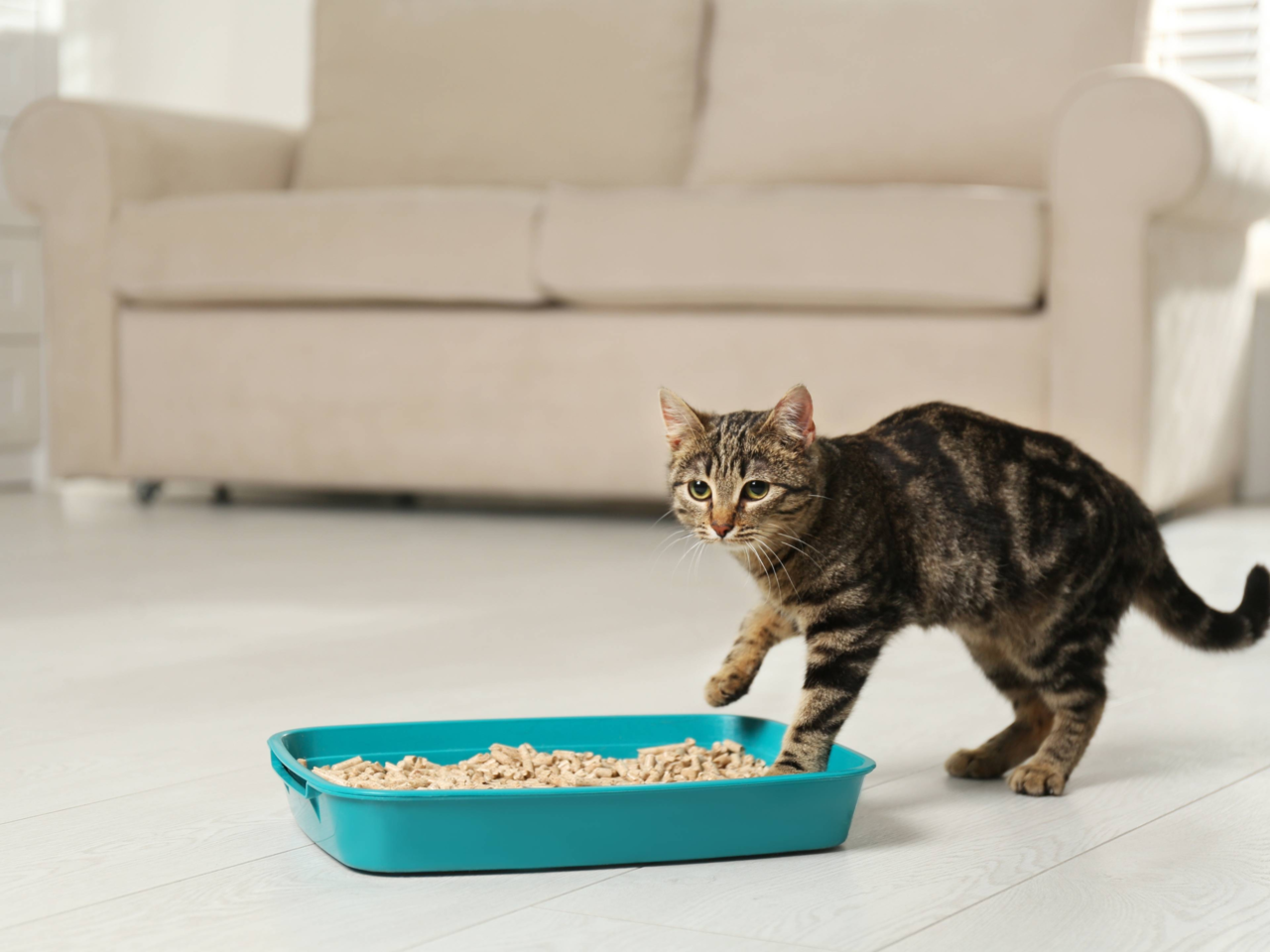
Wood and pine pellet litters are made from compressed timber offcuts. They carry a natural fresh scent, break down into sawdust as they absorb moisture and are fully biodegradable, so they are a strong pick for eco-minded homes.
Pros
- Natural pine scent masks odours
- Biodegradable and compostable
- Low tracking with larger pellets
Cons
- Pellet texture takes some cats time to accept
- Needs a sifting tray to get the most from it
- Not clumping in the traditional sense
Plant-based and multi-cat litter: clumping without the clay
Plant-based litters use materials such as corn or other natural fibres to clump like clay while staying lighter and more sustainable. Because they clump firmly and control odour well, they are often the pick for busy multi-cat homes where the tray gets heavy use.
Pros
- Clumps firmly for easy scooping
- Lighter to carry than clay
- Made from renewable plant materials
Cons
- Usually a higher price per bag
- Can track more than heavier litters
- Availability varies by formula
How to choose the right litter for your cat
Once you know the main types, a few practical questions will narrow it down fast:
- Scented or unscented: many cats prefer unscented, since strong fragrances can put them off the tray. Try unscented first if your cat is fussy.
- Dust and tracking: low-dust litters suit cats and people with sensitive airways, while larger pellets track less across the floor.
- Clumping or non-clumping: clumping lets you spot-clean daily, while non-clumping types like paper and pellets are changed more fully but less often.
- Eco-friendly: recycled paper, wood, pine and plant-based litters all break down more kindly than clay or crystal.
- Multi-cat homes: more cats means more waste, so lean towards firm clumping and strong odour control, and add an extra tray.
The golden rule is that the best litter is the one your cat will use. If you switch types, do it gradually by mixing the new litter into the old over a week so your cat can adjust.
Litter trays and accessories
The right litter works best with the right setup. A well-sized tray, a good scoop, tray liners and an odour deodoriser all make the box easier to keep clean and more inviting for your cat.
Never run out of litter again
Litter is one of those essentials you always need on hand. Set it up on Autodeliver and your chosen litter arrives on a schedule that suits you, with a discount for going hands-free. You will also earn rewards through free Pet Perks membership.
Shop cat litterFrequently asked questions
What is the best cat litter overall?
Clumping clay is the most popular all-rounder thanks to its strong odour control and easy daily scooping. That said, the best litter for your home depends on your cat's preferences, your budget and how eco-friendly you want to be.
Is clumping or non-clumping litter better?
Clumping litter lets you scoop out waste daily and top up the rest, which many people find easier day to day. Non-clumping types like recycled paper and pellets are changed more fully but less often, and are often gentler and more sustainable.
What litter is best for kittens?
Soft, low-dust, non-clumping litters such as recycled paper are usually recommended for young kittens, as they are gentle on paws and safer if a curious kitten investigates the tray. You can move to other types as your kitten grows.
How do I switch my cat to a new litter?
Change gradually. Mix a small amount of the new litter into the old and increase the ratio over about a week so your cat has time to adjust. A sudden switch can put some cats off the tray.
Which litter is most eco-friendly?
Recycled paper, wood, pine and plant-based litters are the most sustainable, as they use renewable or reclaimed materials and break down more readily than clay or crystal.
How much litter should I use?
Aim for a depth of around five to seven centimetres so your cat can dig and cover comfortably, and clumping litters have enough depth to form solid clumps. Top up as you scoop and do a full change based on the litter type.