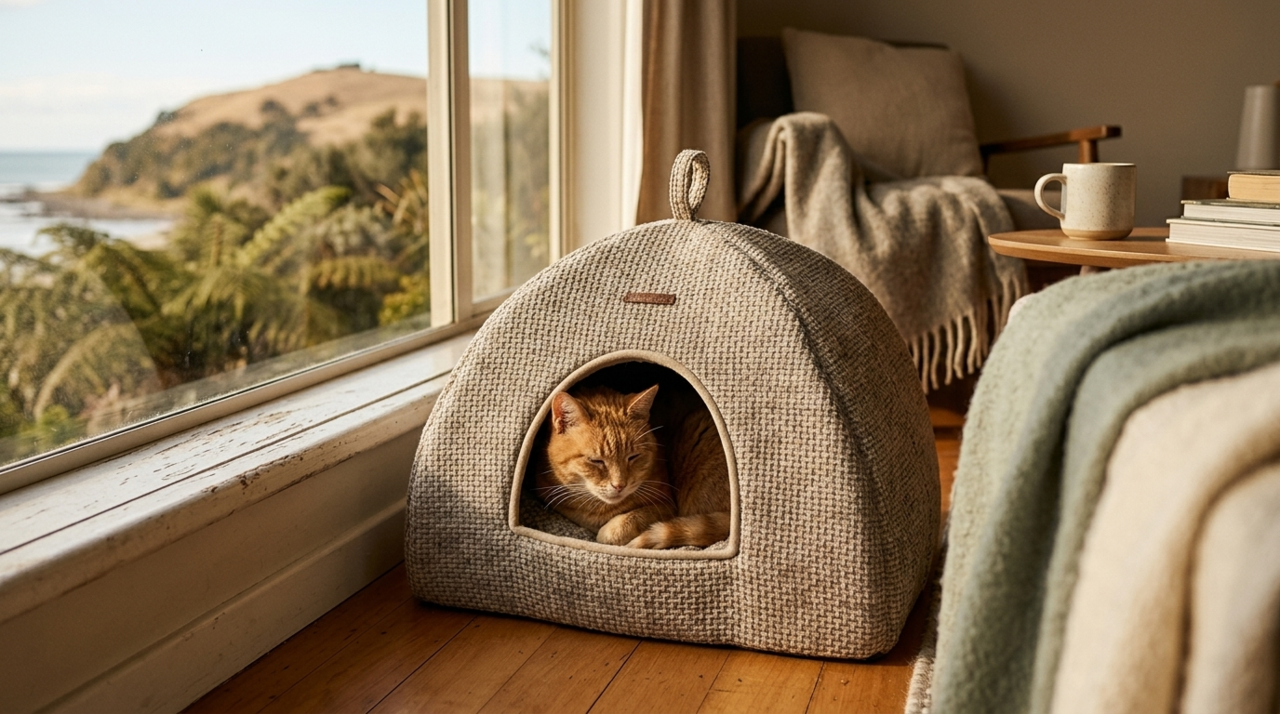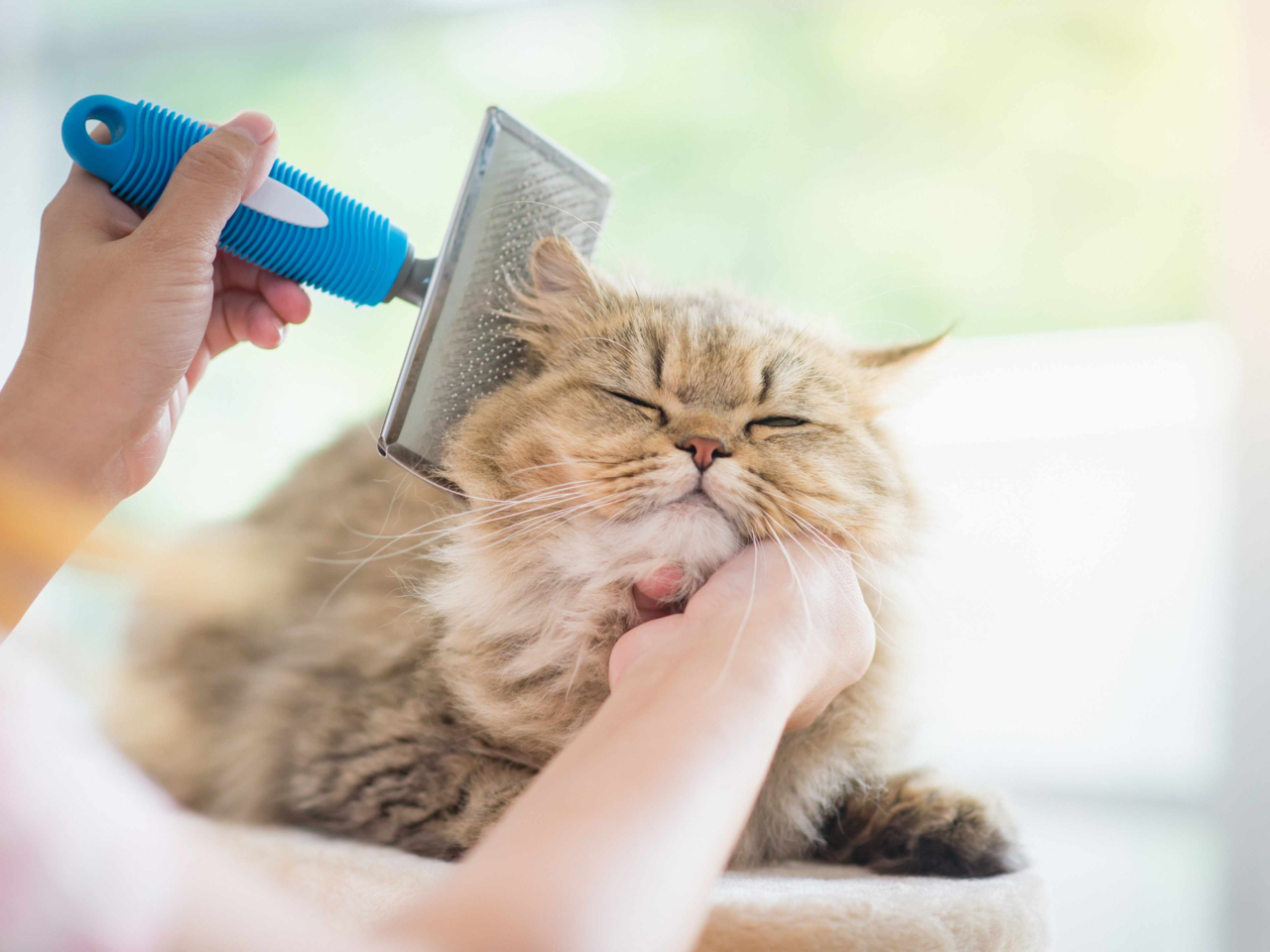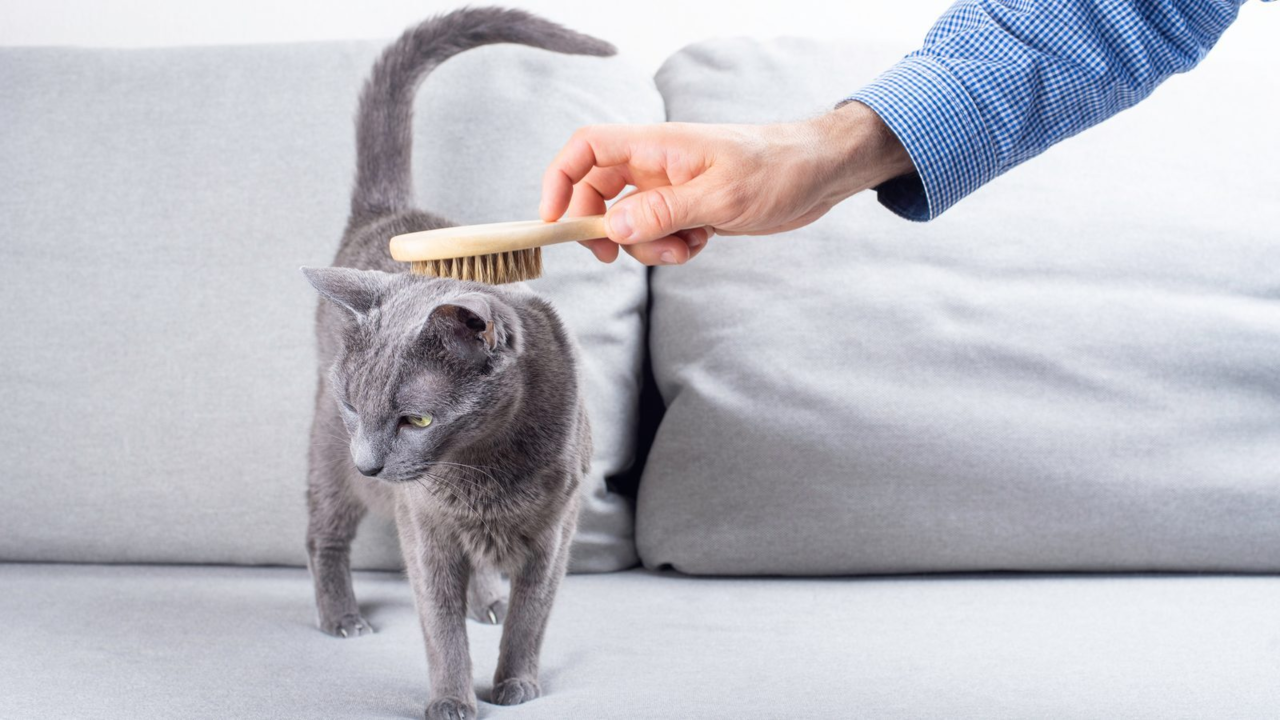
Cats are famously fastidious self-groomers, but as they move into their senior years that careful daily wash-and-tidy often slips. Stiffer joints make it harder to twist and reach the back, the base of the tail and the hind end, so loose hair builds up and the coat can start to look flat, greasy or flaky. Winter makes it more noticeable again, with a denser coat, more time curled up indoors and drier skin from heaters.
The answer is not a big salon session. It is a gentle, regular once-over that you do together, on your senior cat's terms. Here is a warm, unhurried NZ guide to keeping an older cat comfortable, clean and mat-free through the cooler months.
Quick Answer
Older cats often groom themselves less because stiff joints make twisting and reaching harder, so their coat needs a helping hand in winter. Aim for a short, gentle brush every day or two using a soft slicker or grooming glove, working with the coat and watching for mats around the back, tail base and armpits. Keep sessions brief and warm, use no-rinse wipes or foams instead of baths, and tidy the eyes, ears and nails as needed. If you notice sudden matting, dandruff or a change in your cat's coat, treat it as a prompt to book a gentle grooming catch-up.
Why Senior Cats Need a Grooming Hand in Winter
Understanding what changes with age makes the once-over much easier to get right. A few gentle adjustments cover almost everything.
Stiffer joints, shorter reach
Older cats find it harder to twist around and groom the back, tail base and hind legs. These are the first areas to look dull or start knotting.
Coat and skin change
Senior coats can turn coarser, greasier or flakier, and the skin gets thinner and drier. Heated rooms in winter can add to the dryness and dandruff.
Mats form more easily
Less self-grooming plus a thicker winter coat means loose hair tangles quickly, especially in the armpits, behind the ears and around the bottom.
More time indoors
Cats curl up inside more during winter, so shed hair collects on the coat rather than dropping outdoors, and hairballs can pick up as they swallow it.
Baths become stressful
Full baths are chilly and unsettling for a stiff older cat. No-rinse foams, wipes and a warm towel do the job with far less fuss.
Grooming is a health check
A regular once-over is your chance to notice lumps, sore spots, overgrown nails or matting early, while giving your cat gentle, reassuring contact.
Your Gentle Senior Cat Grooming Kit
Keep the kit simple and soft. For an older cat, the goal is comfort, not a show clip, so gentle tools that glide through the coat win every time.
Soft brushes and de-shedding tools
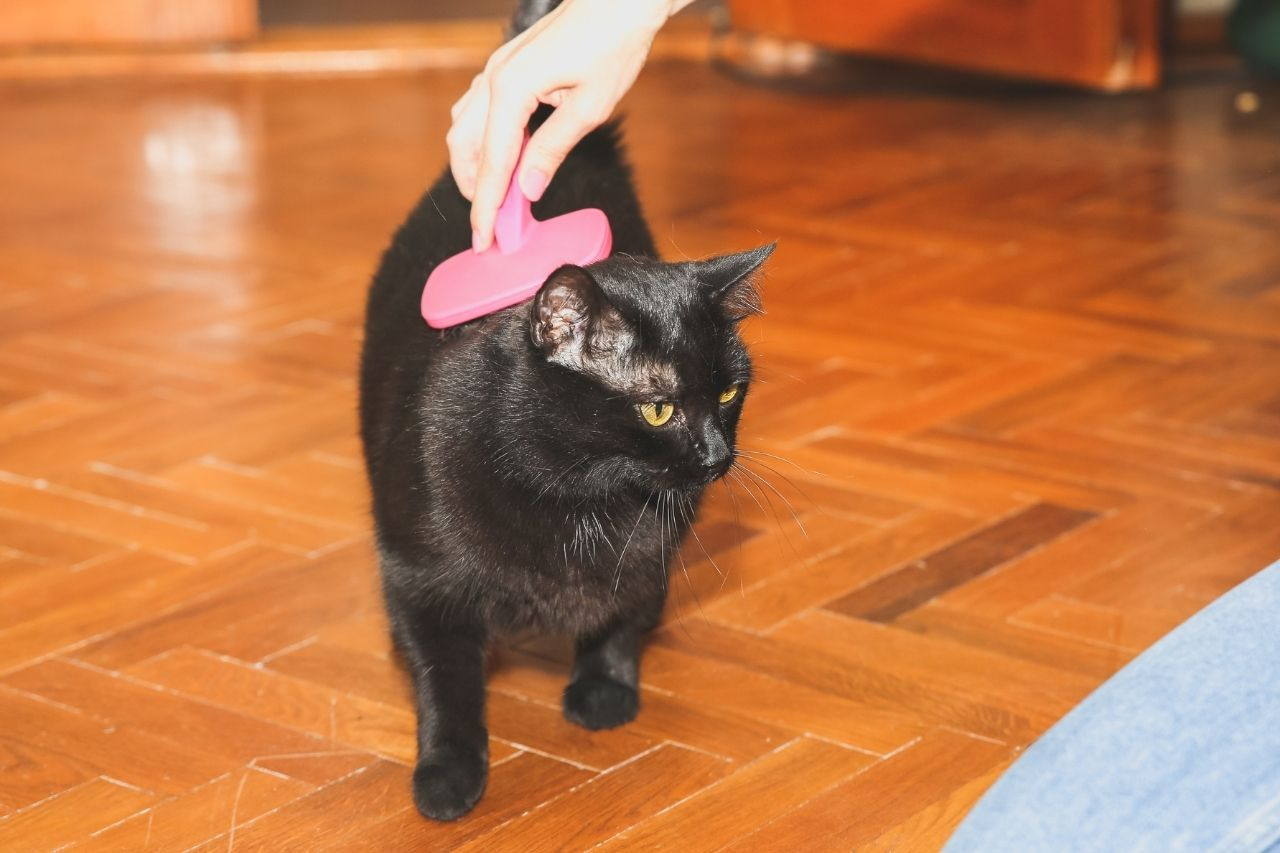
A soft slicker brush or a grooming glove is the kindest way to lift loose hair without pulling on thinner senior skin. A gentle de-shedding tool is handy for a thick winter coat, but use it lightly and briefly rather than digging in.
Combs for mats and tangles
A comb is your honesty check after brushing, and a de-matting comb helps ease apart small knots before they tighten. Work slowly and hold the fur at the base so you never tug at the skin.
No-rinse washing and wipes
Most senior cats do far better with a waterless foam shampoo or a pack of gentle grooming wipes than a full bath. They freshen a greasy patch or a mucky back end in seconds, with no cold water and no stress.
Eyes, ears and nails
Older cats often need a little help keeping the face clean and the nails in check, as less scratching and climbing means claws grow long and can catch. A soft eye wipe, an ear wipe, a tear stain wipe and a good pair of nail clippers finish the kit.
Hairball and coat support
With more shed hair being swallowed in winter, a little hairball support and a healthy coat go hand in hand. A malt paste or hairball treat can help things pass through comfortably. These are everyday items you can pop on Autodeliver so you never run out.
The Gentle Once-Over, Step by Step
Pick a warm moment
Choose a warm spot and a time when your cat is already relaxed, like after a meal or a nap. A cosy room takes the chill out of grooming and helps a stiff older cat settle.
Start where they love it
Begin with the cheeks, chin and along the back where most cats enjoy a brush. Use slow strokes in the direction the coat grows so it feels like a familiar pat, not a procedure.
Check the tricky zones gently
Ease over the tail base, hind legs, armpits and behind the ears, where older cats miss and mats form. If you find a knot, tease it apart with your fingers or a comb rather than pulling. Never cut a mat out with scissors.
Freshen without a bath
For a greasy patch or a grubby back end, use a no-rinse foam or a grooming wipe, then blot with a warm towel. It keeps your cat clean and comfortable with none of the cold-water stress.
Tidy face and nails
Wipe gently around the eyes and ears, then check the nails. Older cats scratch less, so claws can grow into the pad. Take off just the sharp tips, staying well clear of the pink quick.
Keep it short and sweet
Stop while your cat is still enjoying it, even if you have not finished. A few short sessions across the week are far kinder than one long one, and they keep grooming a positive part of your routine.
How Often Should You Groom a Senior Cat in Winter?
Little and often is the golden rule. Short, gentle sessions prevent the mats and greasy patches that would otherwise need a stressful catch-up later.
| Task | Shorthaired senior | Longhaired senior |
|---|---|---|
| Brush and comb | Every 2 to 3 days | Every day |
| Mat check (tail base, armpits) | Twice a week | Daily |
| No-rinse freshen up | As needed | Weekly, or as needed |
| Eye and ear wipe | Weekly | Weekly |
| Nail check and trim | Every 2 to 3 weeks | Every 2 to 3 weeks |
Go gently, always
- Keep sessions short and stop while your cat is still happy.
- Work with the coat, holding fur at the base so you never pull the skin.
- Tease mats apart by hand or comb. Never cut them out with scissors.
- Skip full baths. No-rinse foams and wipes are warmer and calmer.
- Keep the room warm and draught-free for stiff winter joints.
Winter Care Beyond the Brush
Grooming is one lovely part of caring for an older cat through winter, and it pairs naturally with keeping them warm, well fed and settled. If you have added your cat to their pet profile on Petdirect, they will unlock Gold Paws once they reach their senior years, a free part of Pet Perks made for older pets.
More senior-pet advice
For seasonal tips, gentle care ideas and everything from coat changes to cosy winter routines, visit Gold Paws and The senior scoop, our home of advice for senior cats and dogs. It is a warm place to turn when you want to keep your older cat comfortable through the cooler months.
Frequently Asked Questions
Why has my senior cat stopped grooming itself?
Age-related stiffness in the joints and spine makes it harder to twist around and reach the back, tail base and hind end, so those areas get missed. Dental discomfort and simply feeling less energetic can play a part too. A gentle daily once-over helps pick up the slack. For more on this, see our guide on why older cats stop grooming.
How often should I groom my senior cat in winter?
Aim for a short, gentle brush every day for longhaired cats and every two to three days for shorthaired cats, with a quick mat check over the tail base and armpits. Little and often prevents tangles and keeps each session calm and comfortable.
How do I get mats out of an older cat's coat?
Work slowly with your fingers or a de-matting comb, holding the fur at the base so you never pull the skin. Small mats often ease apart with patience. Never cut a mat out with scissors, as a cat's skin is thin and lifts easily. If the coat is badly matted, book a professional groomer for a gentle sort-out.
Can I bath my senior cat in winter?
Most older cats do not need a full bath, and a cold, stressful wash is best avoided in winter. A no-rinse foam shampoo or a pack of grooming wipes freshens a greasy or grubby patch in seconds, followed by a blot with a warm towel.
Why is my senior cat getting more hairballs in winter?
A thicker winter coat and more time curled up indoors means more shed hair gets swallowed during self-grooming. Regular brushing removes loose hair before your cat does, and a malt paste or hairball treat can help things pass through comfortably.
Should I trim my senior cat's nails?
Often yes. Older cats scratch and climb less, so their nails grow long and can curl into the pad. Check them every couple of weeks and take off just the sharp tips, staying well clear of the pink quick inside the nail.
What is the best brush for a senior cat?
A soft slicker brush or a grooming glove is gentlest on thinner senior skin while still lifting loose hair. Add a comb to check for tangles, and use a de-shedding tool lightly on a thick winter coat rather than pressing hard.
Gentle Grooming Essentials at Petdirect
From soft slicker brushes, grooming gloves and combs to no-rinse foams, wipes, nail clippers and hairball support, find everything you need for a comfortable senior cat this winter. Pop your regulars on Autodeliver to save, with everyday member pricing as part of Pet Perks.
SHOP CAT GROOMING