A senior cat's coat tells a quiet story about how they're getting on. The soft, glossy fur of their younger years gradually becomes a little drier, a little finer, sometimes a little patchier in the spots they can no longer twist around to reach. None of this is a problem to fix. It's just your cat's coat catching up with the rest of them, and it's a lovely cue to slow down and help with the grooming they used to do entirely on their own.
This guide walks through what changes to expect, the gentle routine that suits an older cat, and the small home and food choices that keep their coat soft and comfortable.
Quick answer
Senior cats often develop drier, thinner, or slightly matted coats because they self-groom less as joints stiffen and skin produces less oil. A short, daily brush with a soft tool, plus omega-rich nutrition and a calm grooming environment, keeps their coat comfortable. Focus on hard-to-reach spots like the lower back and tummy, and follow your cat's lead on how long sessions should last.
What changes in a senior cat's coat
Cats are designed to groom themselves several times a day, but as they reach their senior years the act of twisting around to reach the lower back, tail base and tummy becomes less comfortable. They simply spend less time grooming those areas, and the coat starts to reflect it. Skin also produces a little less oil with age, so the fur can look drier or less shiny than it used to.
Less self-grooming
Stiffer joints mean older cats often skip the lower back, hips and base of the tail. These are the spots where mats tend to start.
Drier, finer fur
Skin produces less oil with age, so the coat may feel less plush and shed in a more patchy pattern, especially through winter.
Subtle colour shifts
Some senior cats develop a sprinkle of white hairs around the face and chest. It's a lovely sign of a life well-lived.
The gentle grooming kit
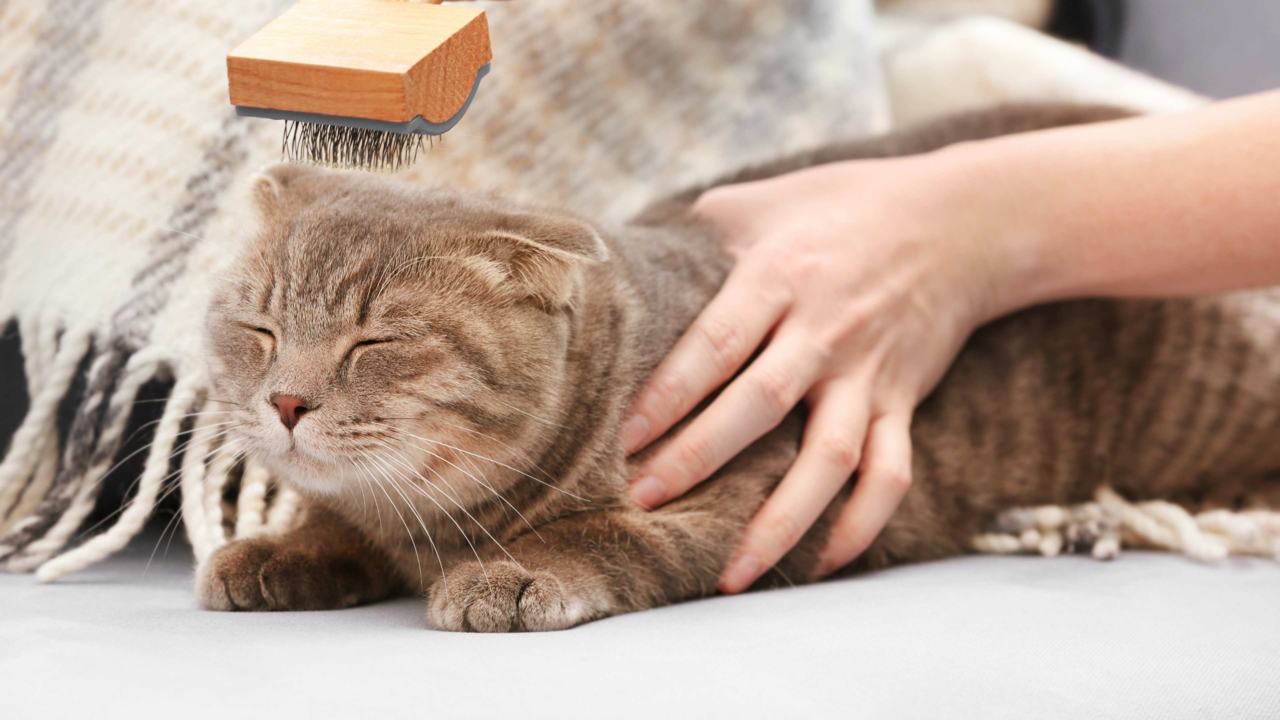
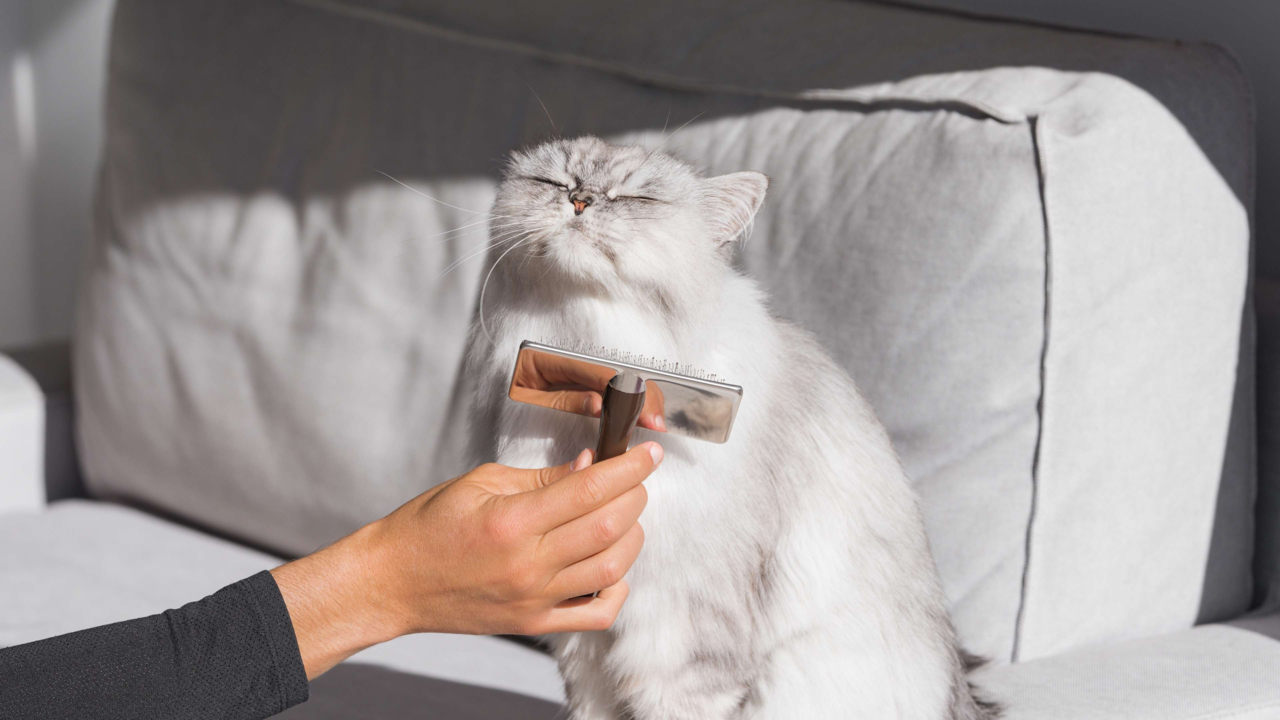
Older cats appreciate soft tools and short sessions. A slicker brush, a soft pin brush, and a grooming glove cover most senior coats nicely. The glove in particular is brilliant for cats who used to enjoy brushing but have become a little touch-sensitive with age. It feels like a long, steady stroke rather than a brush, and most cats melt into it.
A nail grinder is also worth keeping handy. Senior cats wear their claws down less because they climb and scratch less, and overgrown claws can catch in soft beds or get sore.
A short daily routine that works for older cats
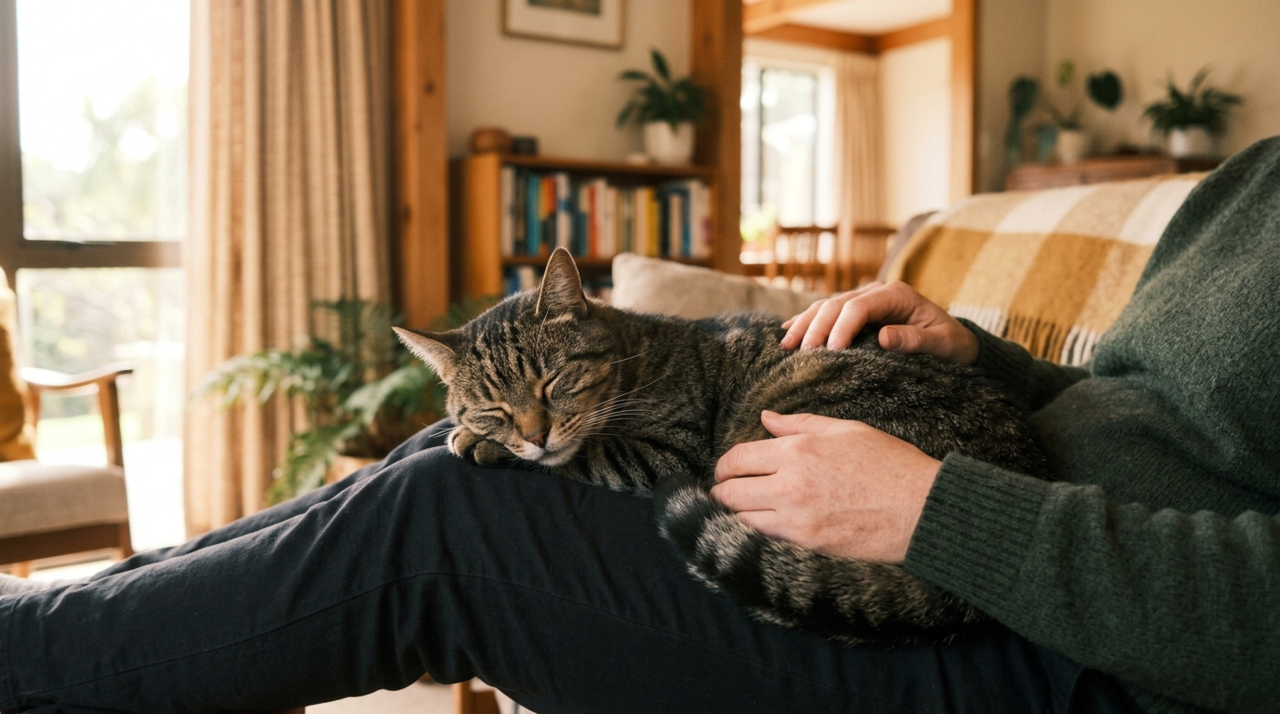
Five quiet minutes is usually more than enough. The trick is consistency and following your cat's lead, not duration.
Pick the same time each day
Right before dinner is a classic winner. Many older cats start anticipating the routine and settle in for a brush more readily.
Start with the easy spots
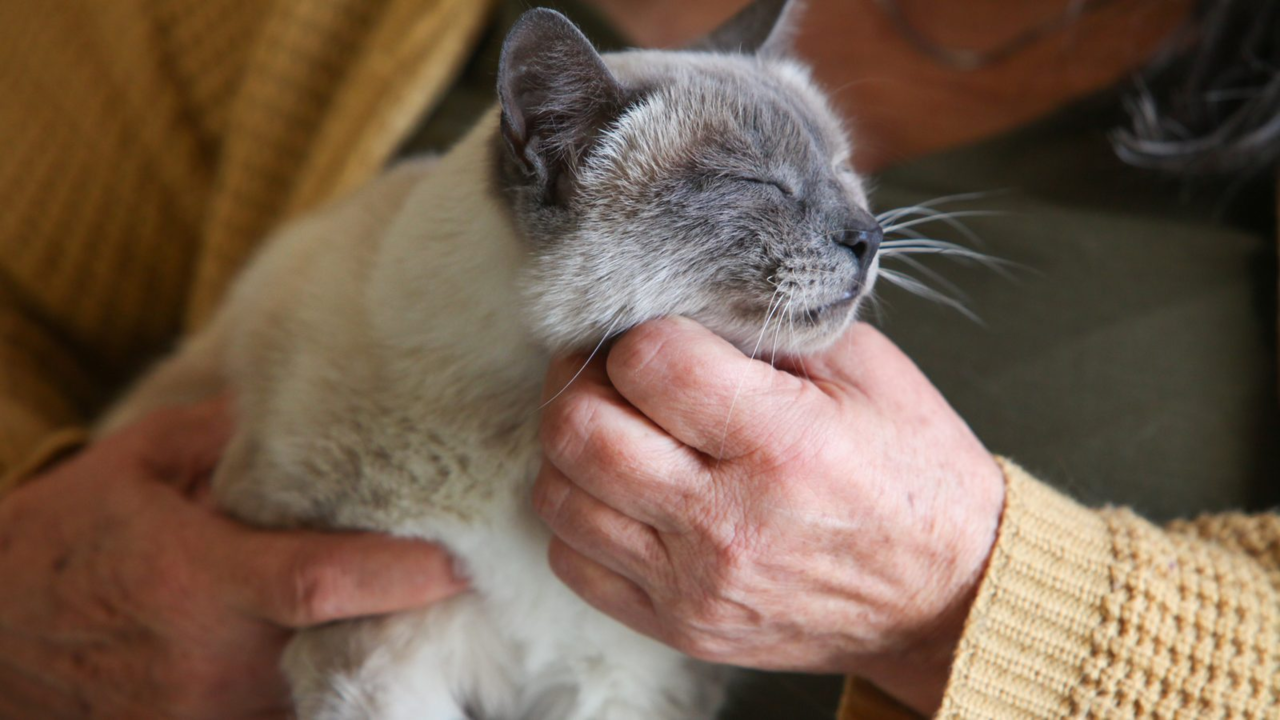
Cheeks, chin, shoulders and the top of the head. Most cats love these areas and will start purring within a stroke or two.
Then the missed zones
Lower back, hips, tail base and tummy. Use shorter, lighter strokes here and stop sooner than you think you need to.
If you spot a small mat forming, work it out gently with your fingers first, then a soft slicker. Avoid scissors at home if you can. The skin underneath a mat is often thinner and looser on a senior cat than it looks.
Bathing: usually a no, sometimes a yes
Most cats don't need a full bath, and many senior cats find them genuinely stressful. A waterless shampoo or a soft pet wipe is plenty for the occasional refresh, especially for cats who have missed a spot near the tail base or got something sticky on their tummy.
If a full bath is needed, keep the water shallow and warm, talk in a low steady voice, and have a soft fleece ready so they can dry somewhere warm and quiet straight after.
Feeding a healthy senior coat
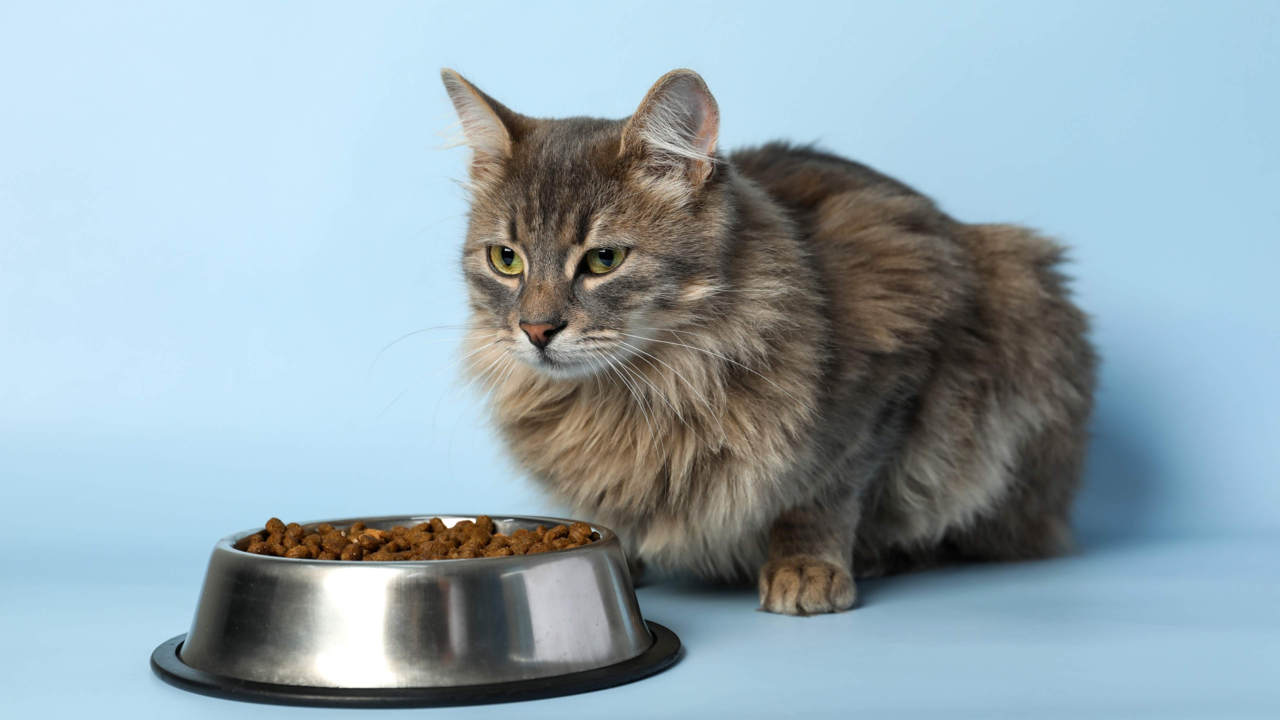
What goes in the bowl shows up in the coat. Senior-appropriate foods often include extra omega-3 and omega-6 fatty acids to support skin condition, and a topper or supplement can be a nice way to add a little extra shine without changing the main meal.
Hairball-focused options are particularly useful for older cats. Their digestion can slow a little with age, and the extra grooming you do now means more loose fur passing through their system.
Small home tweaks that help the coat
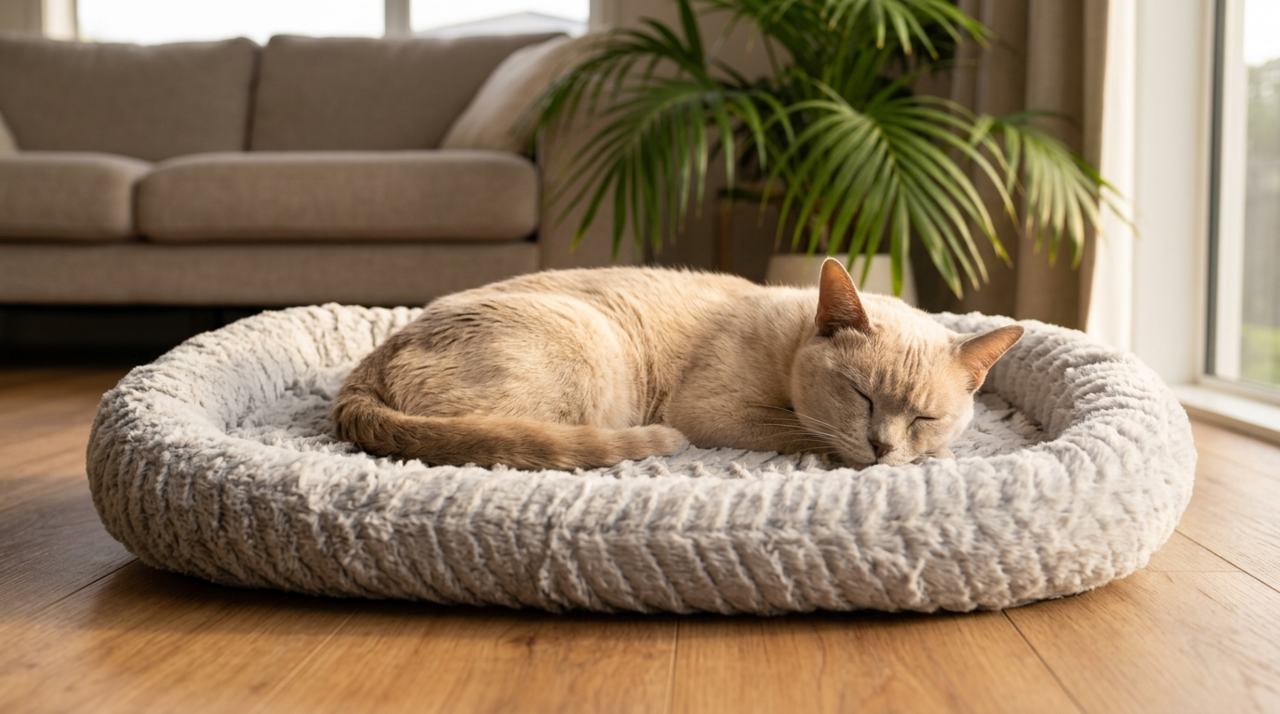
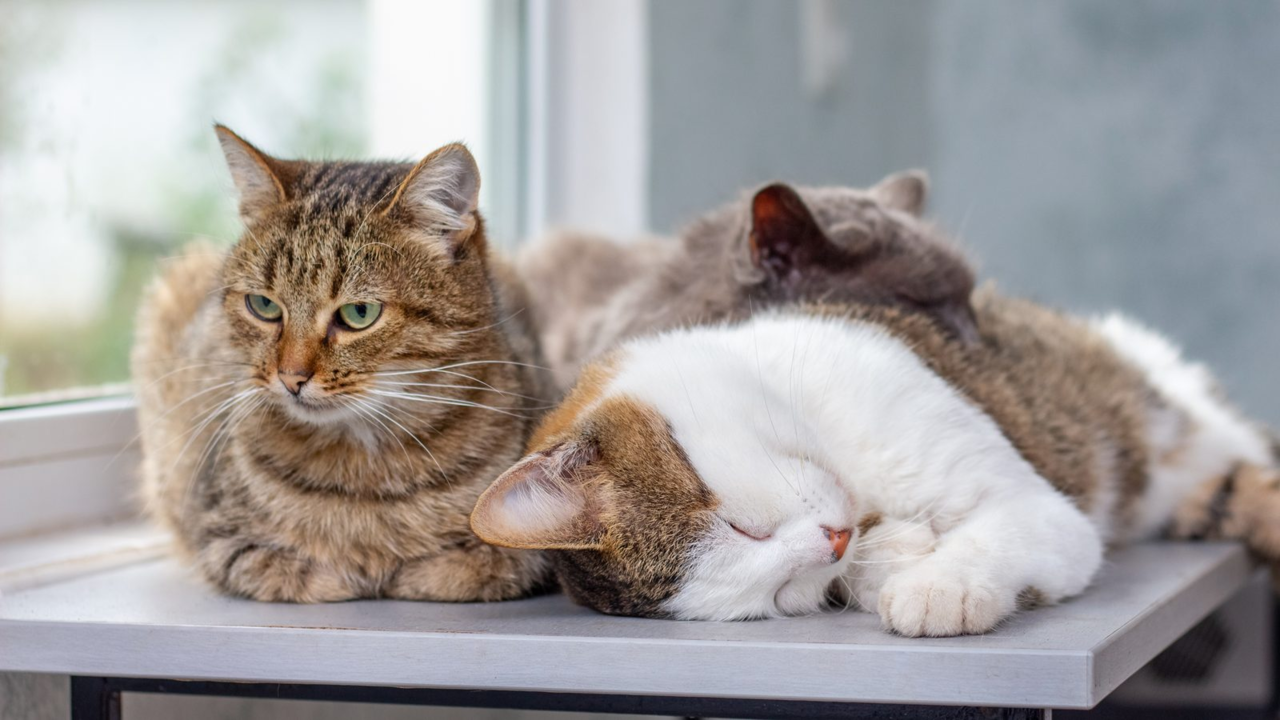
A warm, draft-free napping spot keeps the skin supple, and soft bedding is gentler on fine senior fur than older, flattened cushions. Make sure your cat has a few low-effort routes to their favourite spots so they're not landing heavily and rubbing the coat as they jump.
Coat-friendly habits
- Brush at the same calm time each day. Right before dinner works for most cats.
- Keep sessions to 3 to 5 minutes. Stop while they're still enjoying it.
- Pop a fleece or soft blanket on their favourite spots. Coat oils transfer to the bedding, not your couch.
- Keep the home a steady temperature. Big swings can flare dry skin.
- Top up fresh water often. Hydration shows in the coat too.
Frequently asked questions
How often should I brush my senior cat?
A short daily brush is ideal for most older cats. Short-haired cats can manage every other day, while longer-haired cats benefit from a daily once-over to keep mats from forming.
My older cat used to love being brushed and now hates it. Why?
Touch sensitivity often increases with age, especially around the lower back and hips where joints are stiffer. Switching to a soft glove, shorter sessions, and starting with the cheeks and shoulders usually wins them back.
Is it normal for my senior cat's coat to look duller?
Yes. Older cats produce less skin oil and groom themselves less, so the coat naturally loses some of its shine. A daily brush and an omega-rich diet help keep it as glossy as it can be.
Can I shave a matted senior cat at home?
Best to avoid it. Senior cat skin is often thinner and looser, and home clippers can nick easily. Gently tease small mats out with your fingers and a soft slicker, and book a professional groomer for anything stubborn.
Do older cats need a different brush?
Often, yes. Softer pin brushes, fine slickers and grooming gloves tend to feel better on thinner, more sensitive coats than stiff-bristle brushes do.
Will adding salmon oil really help?
For many cats, yes. Omega-3 fatty acids support skin condition and coat shine. Start with a small daily amount mixed into food and build up gradually.
Gentle grooming essentials for senior cats
Soft brushes, calming wipes, omega-rich toppers and cosy bedding. Everything you need to keep an older cat's coat soft, comfortable and shiny.
Shop cat grooming