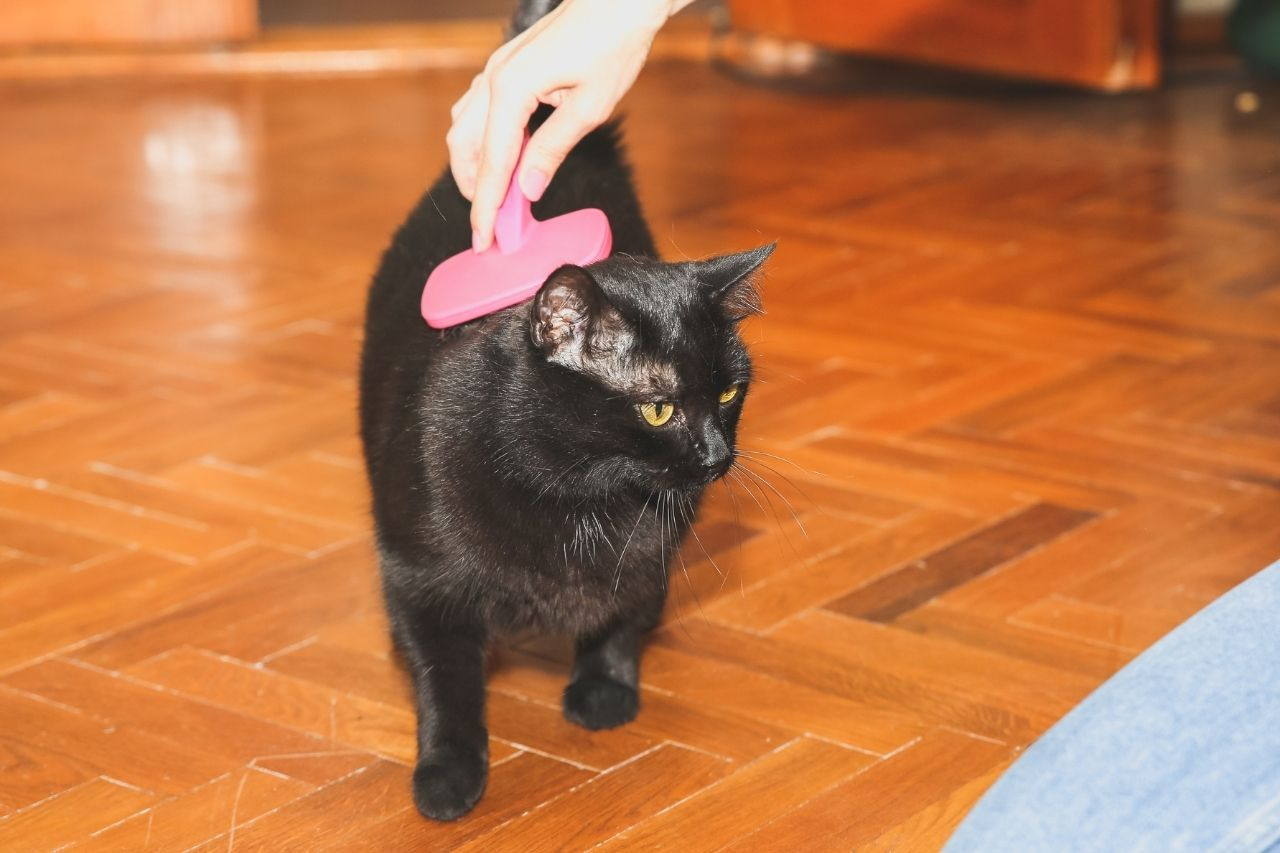
Cats are famously clean animals. They spend a good chunk of their day grooming themselves, keeping their coat smooth, their skin healthy, and their scent in check. So when an older cat starts to let their grooming routine slip, it is easy to brush it off as laziness or just getting old. But a cat that has stopped grooming is almost always trying to tell you something.
Reduced grooming in older cats can be a sign of pain, illness, or simply that they can no longer reach the spots they used to. The good news is that once you understand why it is happening, there are simple things you can do to help your cat stay clean, comfortable, and feeling like themselves again.
Why Grooming Matters So Much for Cats
Grooming is not just about looking good. For cats, it serves several important purposes.
Coat and skin health
Grooming distributes natural oils across the coat, keeping it waterproof, shiny, and free of tangles. It also removes loose fur and debris that can cause matting and skin irritation.
Temperature regulation
By licking their fur, cats help regulate their body temperature. In warm weather, the saliva evaporates and cools them down. In cooler weather, a well-groomed coat provides better insulation.
Comfort and wellbeing
Grooming is a self-soothing behaviour. Cats groom when they feel relaxed and content. A cat that has stopped grooming may be uncomfortable, stressed, or unwell.
When grooming drops off, the effects show up quickly. You might notice a dull, greasy, or matted coat, dandruff, or an unusual smell. These are all signs that something has changed and your cat could use some help.
6 Common Reasons Older Cats Stop Grooming
There are several reasons why a senior cat might groom less. Some are straightforward, others need a closer look.
1. Arthritis and joint pain
This is the most common reason. Cats with stiff or sore joints struggle to twist and bend into the positions needed to groom their back, hips, and hind legs. You might notice matted patches in exactly those hard-to-reach areas. For more on this, see our guide to joint care for senior cats.
2. Dental pain
Cats groom with their mouths, so dental problems like gum disease, broken teeth, or mouth ulcers can make grooming painful. If your cat is also eating less, drooling, or pawing at their mouth, dental issues could be the cause.
3. Weight gain
Overweight cats physically cannot reach certain parts of their body. If your cat has put on weight as they have aged, they may simply be unable to groom their belly, lower back, or base of the tail properly.
4. Illness or feeling unwell
Cats that are feeling unwell often stop grooming as one of the first signs. Kidney disease, hyperthyroidism, diabetes, and other conditions common in older cats can all cause a drop in grooming. If the change is sudden, a vet visit is a good idea.
5. Cognitive decline
Just like people, older cats can experience cognitive changes. A cat with cognitive dysfunction may forget to groom, seem confused, or lose interest in their usual routines. This is more common in cats over 15.
6. Stress or environmental changes
A new pet, a house move, changes in routine, or even rearranging furniture can cause stress in older cats. Some cats respond by grooming less, while others may over-groom in certain areas.
What to Look For
If your older cat has reduced their grooming, you might notice some of these changes.
Matted or tangled fur
Especially along the back, hips, belly, and behind the ears. Mats can pull on the skin and become painful if left untreated.
Greasy or dull coat
Without regular grooming, natural oils build up and the coat loses its shine. The fur may feel oily or clumpy to the touch.
Dandruff or flaky skin
Dead skin cells that would normally be removed during grooming can accumulate, leading to visible flakes in the fur.
Staining around the face or rear
Cats that are not cleaning their face or bottom properly may develop staining, crustiness, or a noticeable smell in those areas.
Increased hairballs or none at all
A cat that is not grooming may produce fewer hairballs. Alternatively, if they are grooming unevenly, they may swallow more loose fur from the areas they can still reach.
Longer or overgrown claws
Cats that groom less may also be less active, which means their claws are not being worn down naturally. Check their claws regularly and trim if needed.
How to Help Your Cat at Home
You cannot replace your cat's own grooming entirely, but you can step in to keep them comfortable and their coat in good condition.
Brush them regularly
A gentle brushing session a few times a week helps remove loose fur, prevent mats, and distribute natural oils. Start slowly and keep sessions short, especially if your cat is not used to being brushed. A soft slicker brush or a rubber grooming glove works well for most cats. For more tips, see our cat brush guide.
Use grooming wipes for quick clean-ups
Grooming wipes are a gentle way to clean your cat's face, paws, and rear without the stress of a bath. They are especially useful for cats that are not cleaning those areas themselves.
Try a waterless shampoo for deeper cleaning
If your cat's coat is looking greasy or has a noticeable smell, a waterless shampoo can freshen things up without the stress of running water. Simply spray or foam onto the coat, massage in, and towel off.
Deal with mats carefully
Never try to cut mats out with scissors as it is very easy to nick the skin. Instead, use a mat splitter or a wide-toothed comb to gently work through small tangles. For severe matting, a professional groomer or your vet can help safely remove them.
Support their joints
If arthritis is making it hard for your cat to groom, supporting their joint health can make a real difference. Joint supplements and a senior-appropriate diet can help improve mobility over time.
4CYTE Epiitalis Forte Cat supports cartilage health with a plant-based gel. VetSynova JC Joint Care Complex combines glucosamine, chondroitin, and green-lipped mussel. VetSynova Vitality is a daily all-rounder that supports overall health in ageing cats.
Feed for coat health
A good diet plays a big role in coat condition. Senior cat foods from brands like Hill's Science Diet and Royal Canin include omega fatty acids and nutrients that support skin and coat health from the inside out. Adding an omega-3 supplement like Omega Plus King Salmon Oil can also help improve coat quality. For more on choosing the right food, see our guide to signs your senior cat may need a new diet.
Frequently Asked Questions
Is it normal for older cats to groom less?
A slight reduction in grooming can be a normal part of ageing, but a noticeable drop usually points to an underlying issue like joint pain, dental problems, or illness. It is always worth investigating rather than assuming it is just old age.
How often should I brush my senior cat?
Two to three times a week is a good starting point for most cats. Long-haired cats may benefit from daily brushing. Keep sessions short and gentle, and stop if your cat seems uncomfortable.
Can I bathe my older cat?
Most cats do not need regular baths, and bathing can be stressful for older cats. Waterless shampoos and grooming wipes are usually a better option. If a bath is necessary, keep the water warm, use a gentle cat-specific shampoo, and dry them thoroughly afterwards.
What if my cat will not let me brush them?
Start with very short sessions and use a soft brush or grooming glove. Brush in the direction of the fur and avoid sensitive areas. Offering a treat afterwards can help build a positive association. Some cats prefer being brushed while they are relaxed or sleepy.
Should I cut out mats myself?
It is best to avoid using scissors on mats as cat skin is very thin and easy to nick. Use a mat splitter or wide-toothed comb for small tangles. For severe matting, take your cat to a professional groomer or your vet.
Could reduced grooming be a sign of something serious?
It can be. Conditions like kidney disease, diabetes, hyperthyroidism, and cognitive decline can all cause a cat to stop grooming. If the change is sudden or accompanied by other symptoms like weight loss, increased thirst, or behavioural changes, see your vet.
Keep Your Senior Cat Looking and Feeling Their Best
From gentle brushes and grooming wipes to joint supplements and senior food, find everything you need to support your older cat.
SHOP CAT GROOMINGRelated Reading
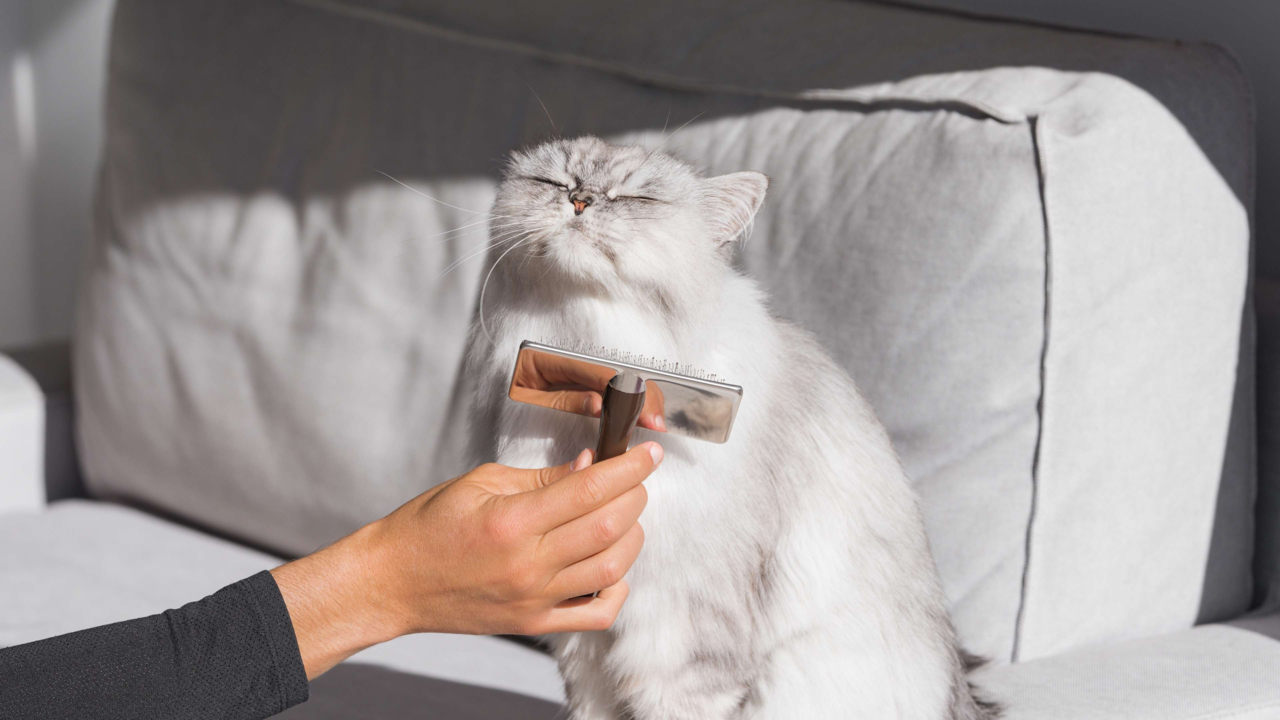
Best Cat Grooming Products in NZ: Brushes, Shampoos and Tools
Joint Care for Senior Cats: Supplements and Support Options in NZ
Senior Cat Care: Signs Your Older Cat Needs Extra Support
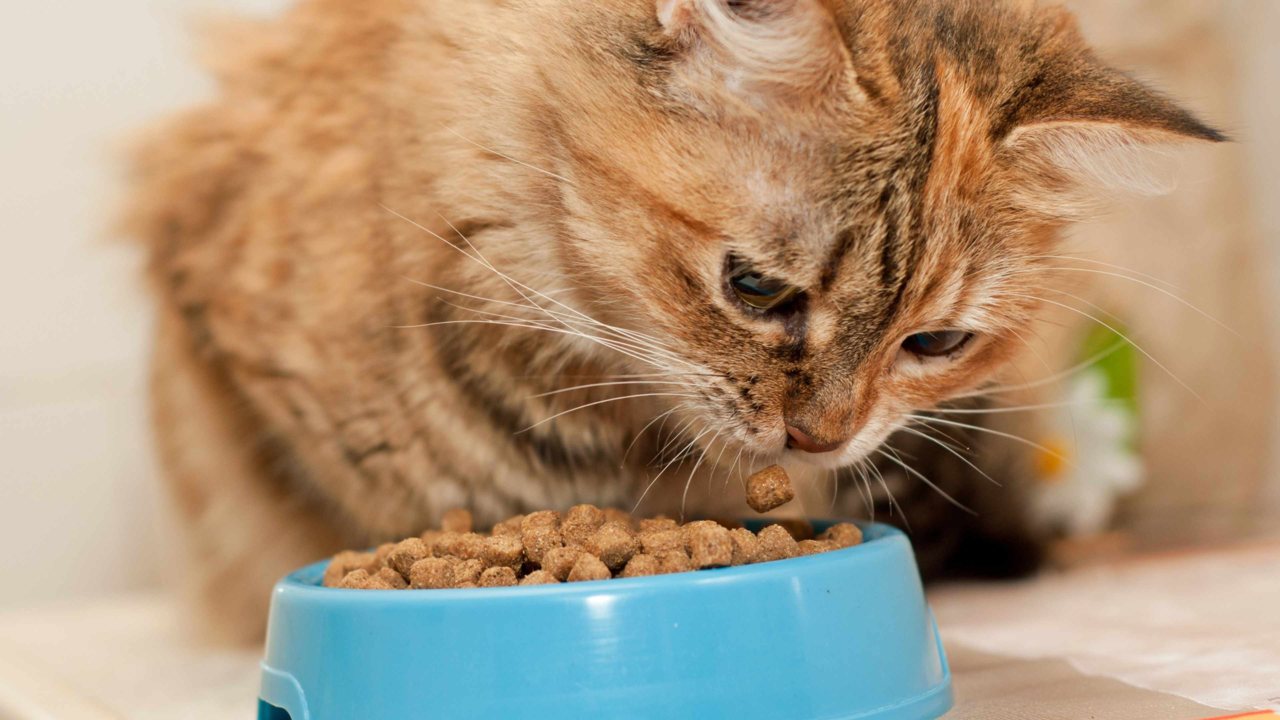
7 Key Signs Your Senior Cat May Need a New Diet
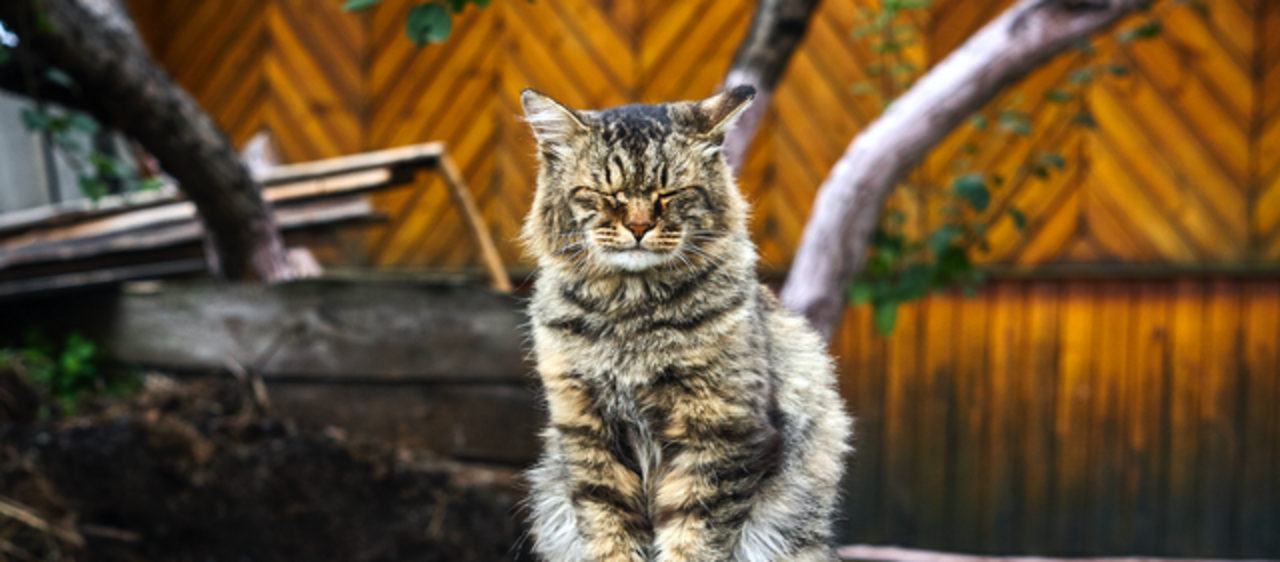
Care Guide for Your Senior Cat
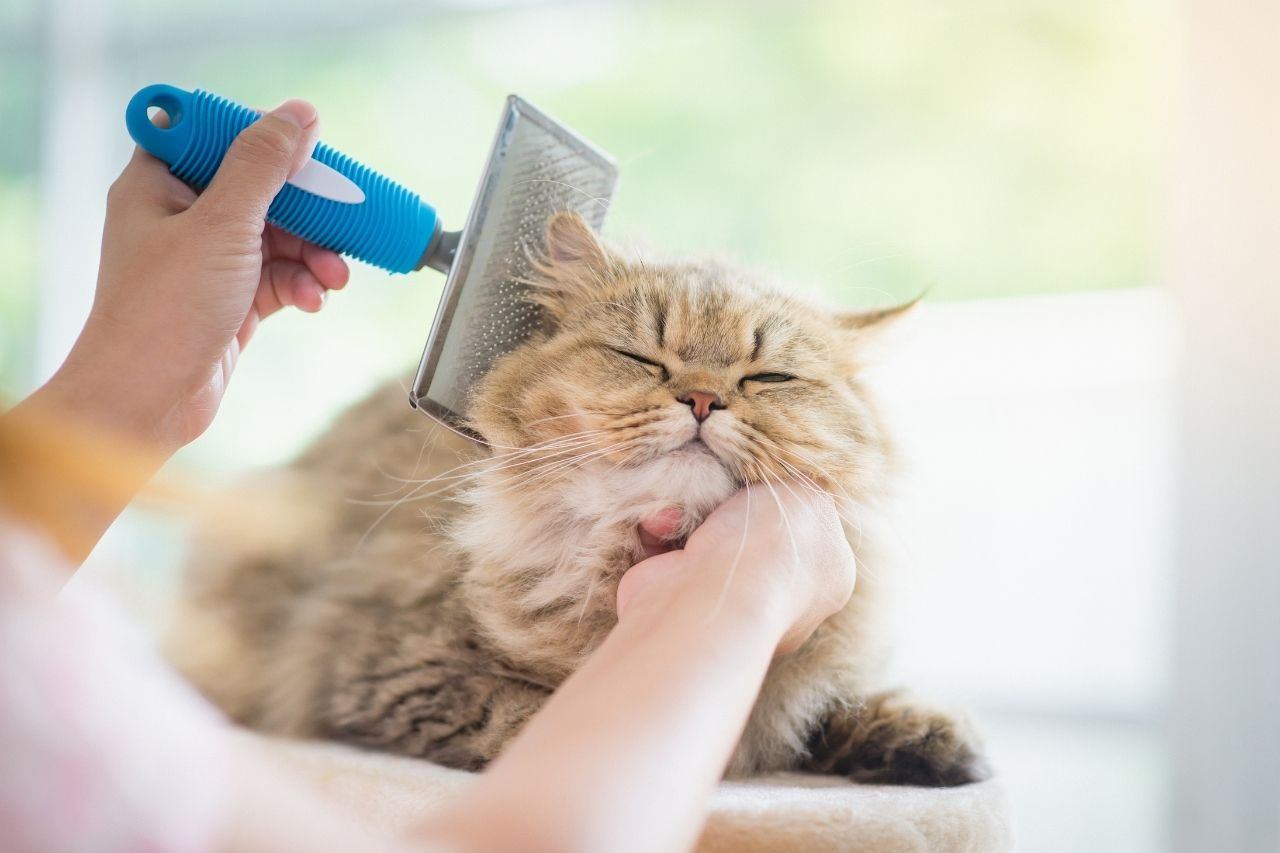
Best Cat Brush Guide and Grooming Tips for NZ Cat Owners