You've noticed it for a few days now. The water bowl is empty more often. Your cat is at the tap when you're brushing your teeth. Or you've spotted them drinking from the shower, the bath, a plant saucer, anywhere that isn't their actual bowl. Something has changed.
A cat drinking more water than usual is one of the most useful little signals a cat can give you. Sometimes the answer is simple, like warmer weather, a recent food change or more salty treats than usual. Other times it points to a longer-term hydration story that's worth supporting properly. Either way, this guide is here to help you make sense of the change, work out what's worth doing at home, and set your cat up for great hydration going forward.
Quick answer
Cats normally drink around 50 to 60 ml of water per kilogram of body weight per day, with most of that coming from food if they're on wet food. A sudden or sustained increase in drinking can have simple explanations like heat, dry food or salty treats. It can also be linked to longer-term factors like kidney health, diabetes or thyroid changes. Note when the change started and what else has shifted (litter tray, weight, appetite, energy). Water fountains, wet food and good hydration habits help in almost every situation. If the change has been going for more than a few days, or you're noticing other things alongside it, it's worth flagging at your next clinic visit.
How Much Water Should a Cat Drink?
A rough guide for a healthy adult cat is around 50 to 60 ml of water per kilogram of body weight per day. For a 4 kg cat, that's roughly 200 to 240 ml a day total. Most of that water doesn't come from the bowl.
Cats on wet food
Wet cat food is around 70 to 80% water. A cat eating mostly wet food gets a huge chunk of their daily water from meals and often drinks very little from the bowl. That's completely normal.
Cats on dry food
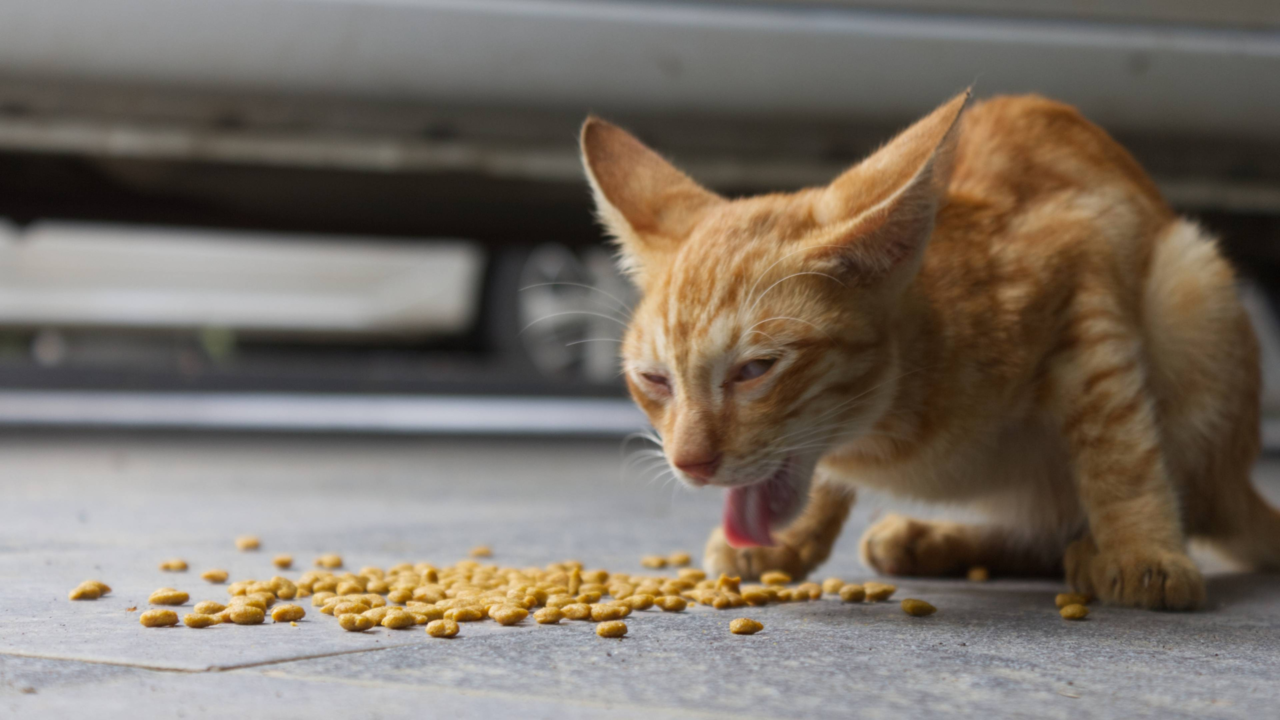
Dry kibble is around 8 to 10% water. A cat on mostly dry food needs to drink considerably more from the bowl to make up the difference. That's also normal, and it's why fountains and water access matter more for dry-fed cats.
Hot weather
NZ summers, indoor heating in winter, and warm sunny windowsills all push water needs up. Cats can easily double their drinking on a hot day, that's not a red flag on its own.
The honest answer
Most cat owners don't measure water. The change you're noticing is usually relative: more visits to the bowl, more time at the tap, drinking from new places. That relative change is what matters more than an exact daily ml figure.
The Most Common Reasons Cats Drink More
This isn't a diagnostic list, increased drinking can have lots of overlapping causes and we aren't a clinic. But these are the categories most cat owners will recognise once they start thinking about it.
Diet change
Switched from wet food to dry food, or added more kibble? Your cat needs to drink more to compensate. Same goes for a recent change to a treat with more sodium, or a new fish-based food. Often the first thing to check.
Heat and environment
Warm rooms, sunny weather, indoor heating, a new spot near a heat pump, a recent move to a sunnier house. Environmental factors lift water needs without anything being wrong.
Kidney change
One of the most common longer-term factors in older cats. As the kidneys work less efficiently, the body holds onto less water, which means the cat drinks more to keep up. A fountain and a wet-food-led diet often become part of the daily routine for cats with kidney changes.
Diabetes
Feline diabetes causes excess sugar in the blood, which pulls water with it when the body tries to flush it out. Cats with diabetes typically drink a lot more, wee a lot more, and often have changing appetite or weight. The combination of these signs is the useful pattern to spot.
Thyroid changes
Hyperthyroidism is common in older cats and speeds up everything in the body, including thirst, hunger and metabolism. Often paired with weight loss despite a big appetite, restlessness, or a slightly scruffy coat. The cluster of signs together is what to watch for.
Urinary tract issues
Cystitis, bladder infections and urinary crystal issues can change drinking and weeing patterns. Often paired with straining at the tray, weeing in odd places, or visible discomfort. If you're seeing any of these signs together, it's worth getting checked sooner rather than later, especially in male cats.
Medication side effects
Some medications (steroids and certain anti-seizure drugs in particular) increase thirst as a side effect. If your cat has recently started or changed medication and is drinking more, that's usually the explanation.
Stress or anxiety
Less common but real. Big household changes (new pet, new baby, renovation, moving house) can shift drinking patterns. Usually paired with other behaviour changes like hiding, less appetite, or litter tray changes.
What to Note When You Notice the Change
Before deciding what to do next, take a moment to capture the basics. It's the most useful little record you can build, both for keeping an eye on the change over time and for sharing with anyone helping with your cat's care.
The 5-point thirst note
Pop these on your phone. They're the things worth noting now, and what you'll want to compare against in a few weeks.
- When it started: roughly when you first noticed more drinking. Even an approximate date helps.
- How much more: the bowl emptying twice as fast? Three times? Just a bit more? You don't need exact ml.
- Where they're drinking: bowl only, or also the tap, shower, plant saucer, garden puddles? Drinking from new places is a useful signal.
- What else has changed: appetite (more or less), weight, energy levels, litter tray output (more wees, bigger wees), grooming, mood. The pattern matters more than any single sign.
- Any recent changes: food switch, new treats, new medication, new household member, hotter weather, moved house. Context helps explain what you're seeing.
If you'd rather measure water properly, the simple method is filling the bowl to a marked line, topping up at the same time each day with measured amounts, and noting it for three or four days. That gives you a real baseline to compare to.
When the Change Is Worth Flagging
Lots of drinking changes settle on their own. The weather cools, the new food beds in, the salty treats run out and the bowl goes back to normal. Other times the change keeps going, or there's a second or third thing happening alongside it. Those are the moments when it's worth mentioning to your local clinic so they can take a proper look.
The most useful pattern to spot is increased drinking plus something else: more wees too, weight changing without you doing anything, a different appetite, lower energy, a scruffier coat, or straining at the tray. Any of those clusters of signs are worth raising. Same goes for sustained increased thirst in a cat over 11, even on its own. Older cats tend to give earlier and quieter signals, so it's a useful one to mention.
None of this is a reason to panic. Many of the longer-term factors that cause increased thirst are very manageable when they're picked up early.
Supporting Hydration at Home
Water fountains
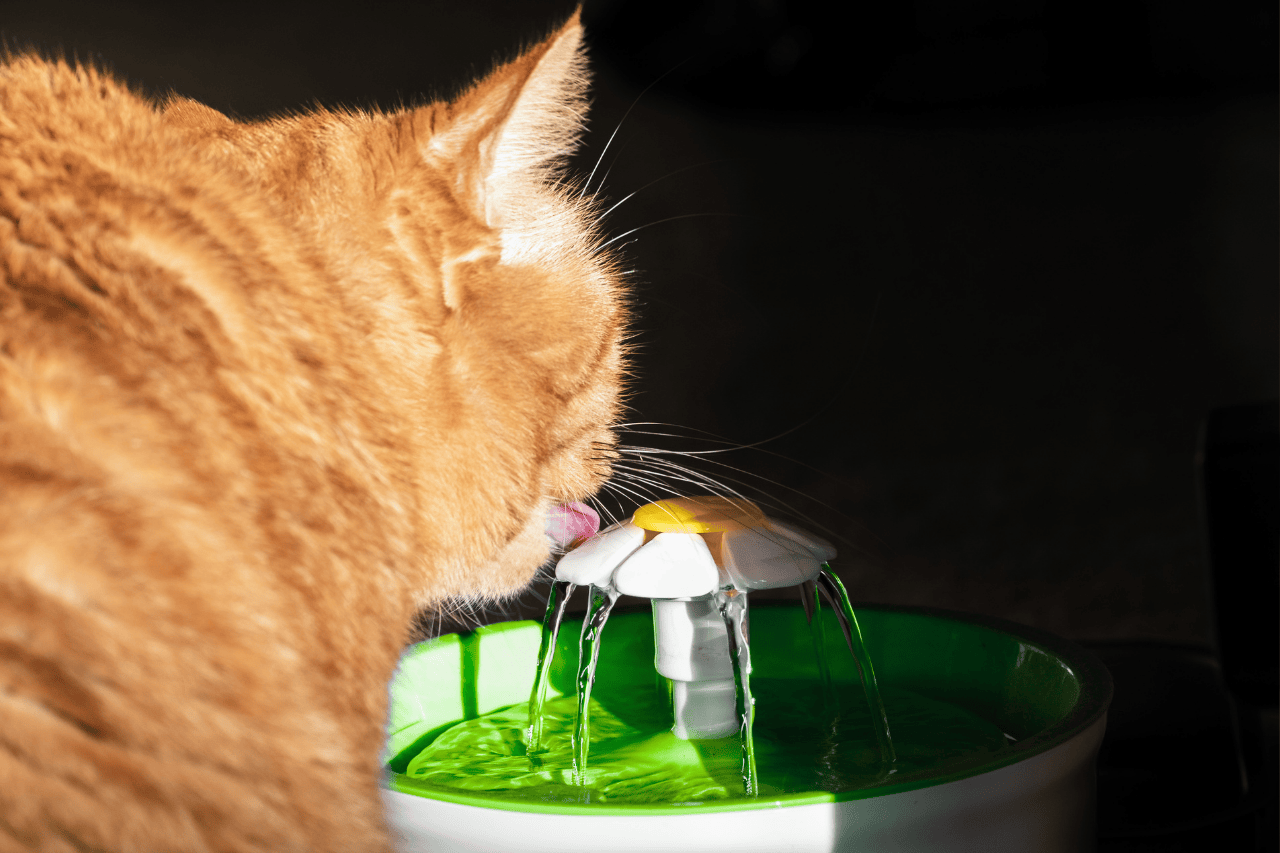
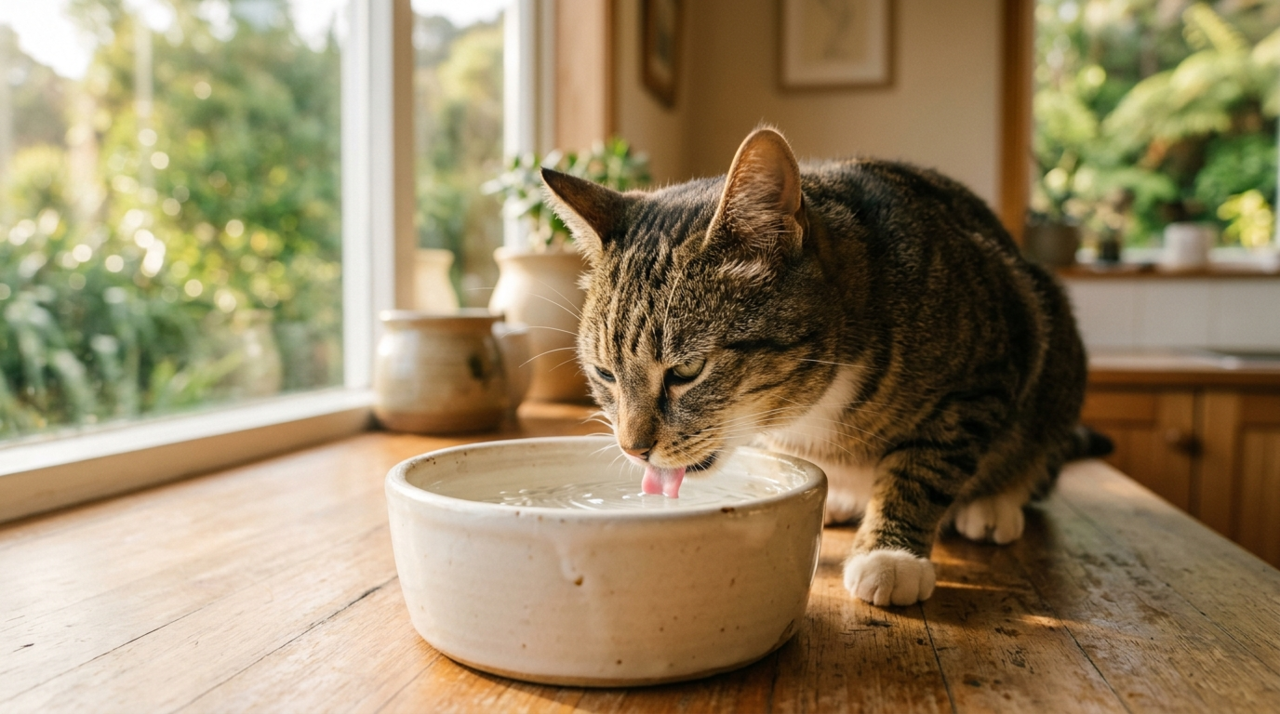
If there's one product that consistently boosts how much a cat drinks, it's a fountain. Cats are wired to prefer moving water, it triggers more interest, more visits and more total intake. Fountains are useful whether your cat is healthy, on a senior food, or already being managed for kidney or urinary issues.
Look for a quiet pump, a filter system, and an easy-to-clean design (because they need a wipe-out every few days). Keep one going as a daily habit, not just when a problem appears.
Wet food
Switching some or all of a cat's diet to wet food is the single most effective way to get more water into them, since wet food is 70 to 80% water. For cats with kidney or urinary issues, this is often part of the home routine recommended by your clinic.
Many cats happily eat one wet meal a day and dry the rest, others move fully to wet. Senior-formulated wet foods are often the best place to start, since they're designed for older cats whose water needs are higher anyway.
Other ways to boost intake
Lickimats spread with wet food or a meat-based broth give cats a tasty way to take in extra water (and slow down fast eaters). Adding a splash of water or unsalted bone broth to wet meals adds more without changing the routine. Multiple water stations around the house can encourage drinking too, especially in a multi-cat home.
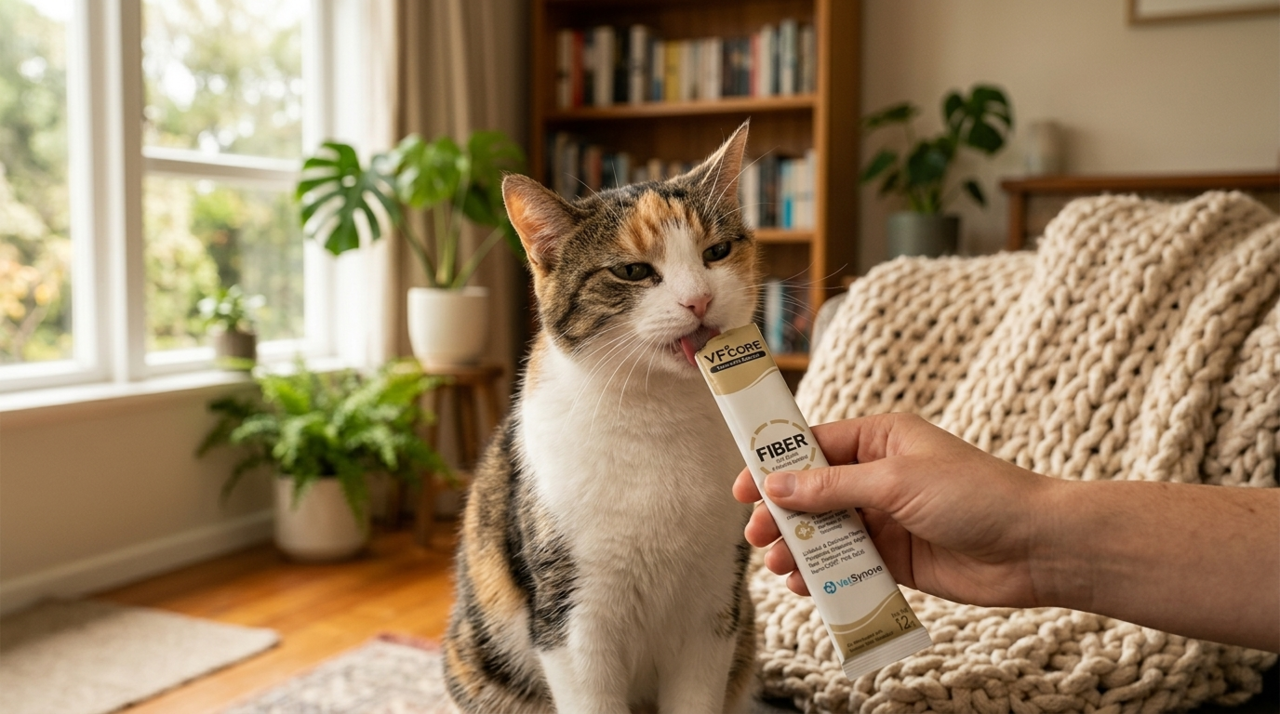
For cats already being managed for kidney issues, a kidney-care supplement is often part of the daily routine alongside the food and water changes.
Frequently Asked Questions
How much water is normal for a cat?
Around 50 to 60 ml per kilogram of body weight per day for a healthy adult cat, but most cats get most of their water from food rather than the bowl. A cat on mostly wet food might barely visit the water bowl and still be perfectly hydrated. A cat on dry food will drink considerably more from the bowl. The most useful measure is what's normal for your cat compared to a few weeks ago.
How can I tell how much my cat is drinking?
The easiest method is filling the bowl to a marked line and topping it up at the same time each day with measured amounts. Do this for three or four days and you'll have a real baseline. The fancier option is a smart fountain with intake tracking. The simplest option is just paying attention to how often the bowl needs refilling compared to before.
What if my cat is drinking more but everything else seems fine?
Note the change, look at the obvious explanations first (food change, weather, treats, recent medication, household stress), and keep an eye on it. Set up a fountain if you haven't already and add a bit more wet food to the routine. If the increased drinking sticks around for more than a few days without an obvious reason, mention it next time you're at the clinic, especially if your cat is over 11. Sustained thirst is often the very first sign of things that are much easier to manage when caught early.
Is increased drinking always a sign of kidney disease?
No. It's the most well-known cause in older cats, but diabetes, thyroid changes, urinary issues, medication side effects, diet changes, hot weather and stress can all cause the same change. "Drinking more" on its own isn't a diagnosis, it's a signal worth noting, and the wider pattern (other changes, your cat's age, how long it's lasted) is what gives it context.
My cat drinks from the tap, the shower, even the plant pot. Is that normal?
Cats often prefer moving water and fresh sources, which is why taps and showers get attention. On its own this is usually a preference quirk rather than a problem, lots of cats have always done it. What matters is whether the total amount of drinking has increased recently, and whether the tap obsession is new versus long-running.
Will a water fountain help?
For most cats, yes. Cats consistently drink more from fountains than still bowls because moving water is more interesting and easier to detect. Fountains are a useful daily habit for any cat, and especially helpful for cats on mostly dry food, senior cats, or any cat already being managed for kidney or urinary issues. Keep them clean (a wipe-out every few days) and change the filter on schedule.
Should I switch my cat to wet food?
Adding wet food, or moving fully to wet, is the most effective way to boost a cat's daily water intake because wet food is 70 to 80% water. Many cats do well with one wet meal a day and dry the rest, others move fully to wet. If your cat already has kidney or urinary issues, your clinic may already have recommended wet food as part of the care plan.
How quickly should I expect drinking to settle?
It depends on what's behind it. If a food change or hot weather explains things, drinking usually settles within a couple of weeks of fixing it. If something longer-term is involved, your cat may stay on an ongoing care plan that includes wet food, a fountain, and possibly medication or supplements. Many cats live happily for years with these conditions when they're picked up early and managed well at home.
What about an older cat who's drinking less than usual?
The opposite change matters too. A cat who's suddenly drinking less than normal can be dehydrated, off their food, or feeling under the weather. Sustained drinking changes in either direction are worth keeping an eye on. Our Why Hydration Is Critical for Senior Cats guide covers low-intake scenarios in more depth.
Supporting Your Cat's Hydration
Find fountains, wet foods, senior-specific options and supplements all in one place. Save with Autodeliver on food and consumables your cat needs every day, and enjoy everyday member pricing as part of Pet Perks.
SHOP CAT WET FOOD