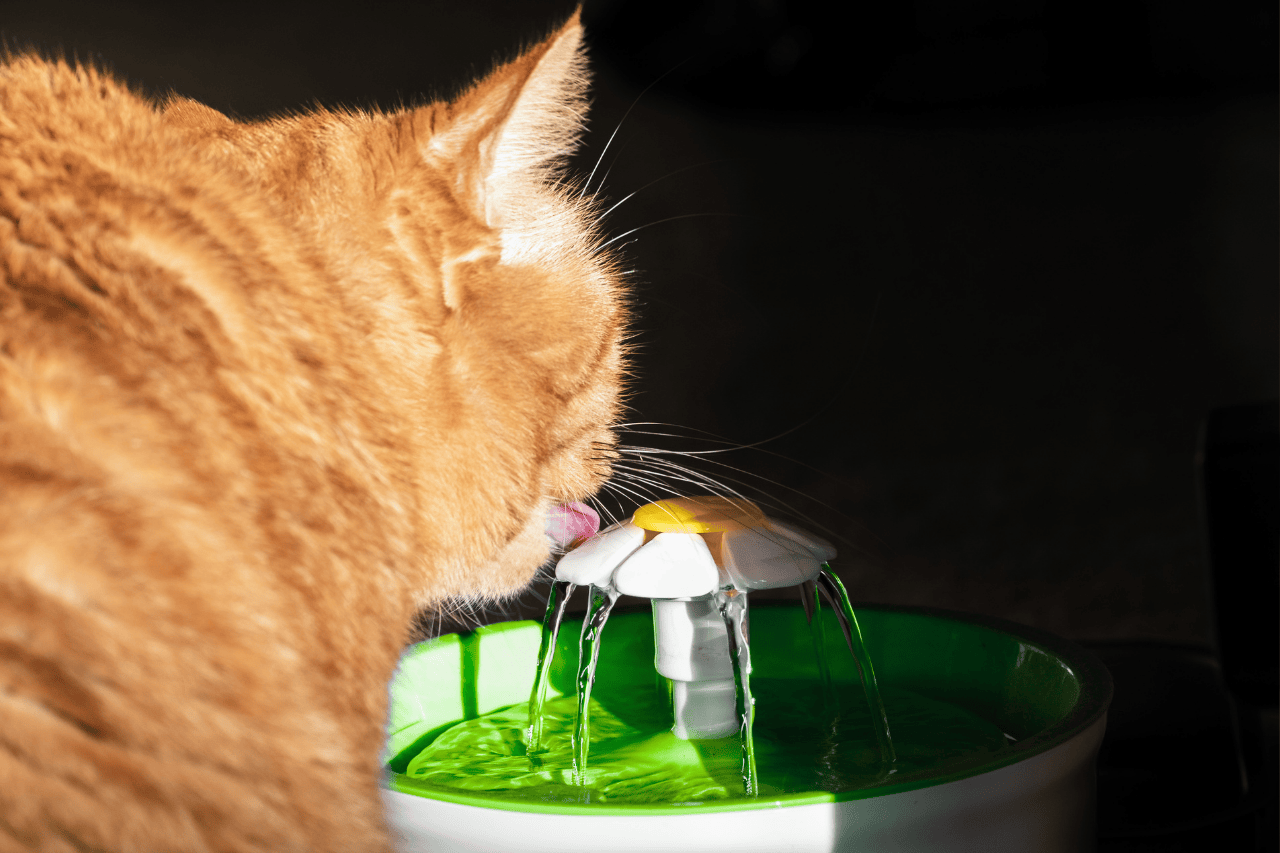
Supplements for senior cats are a slightly different beast to supplements for senior dogs. Cats age differently, the issues that show up first are different, and what you can realistically get into a cat is more limited than what a Labrador will happily swallow. Done well, though, supplements can play a really useful role in keeping an older cat comfortable, well-hydrated and switched-on.
Below: the seven supplement categories worth knowing for senior cats in NZ, what each one is for, what to look for on the label, and the picks our customers buy most. We're not a clinic, so anything new or worrying is worth a chat with your local clinic, especially with cats where small changes can mean a lot. Otherwise, you can absolutely build a sensible supplement routine at home.
Quick answer
The seven supplement categories worth knowing for senior cats are hairball and gut health, kidney support, joint and mobility, skin and coat / omega-3, cognitive and brain support, calming and stress, and whole-body daily support. For senior cats specifically, kidney and hairball support are the two most useful add-ons to a good senior food. Most need 4 to 6 weeks of daily dosing before you'll see a change. Cat-friendly formats matter more than for dogs: paste, oil-on-food, water additive and tasty chews all beat capsules. Many senior cats are on a routine for years, so most of these pair well with Autodeliver.
How to Pick the Right Supplement for Your Senior Cat
Cats aren't small dogs, so the rules are slightly different. A quick filter before you scan the shelves.
1. What's actually changed?
More hairballs and a bit constipated → hairball and gut. Drinking more water → kidney support. Jumping less or hesitating before a leap → joint. Dull coat → omega-3. Bumping into things or yowling at night → cognitive. New anxiety → calming. The change you're seeing points at the supplement type that fits.
2. Will your cat actually take it?
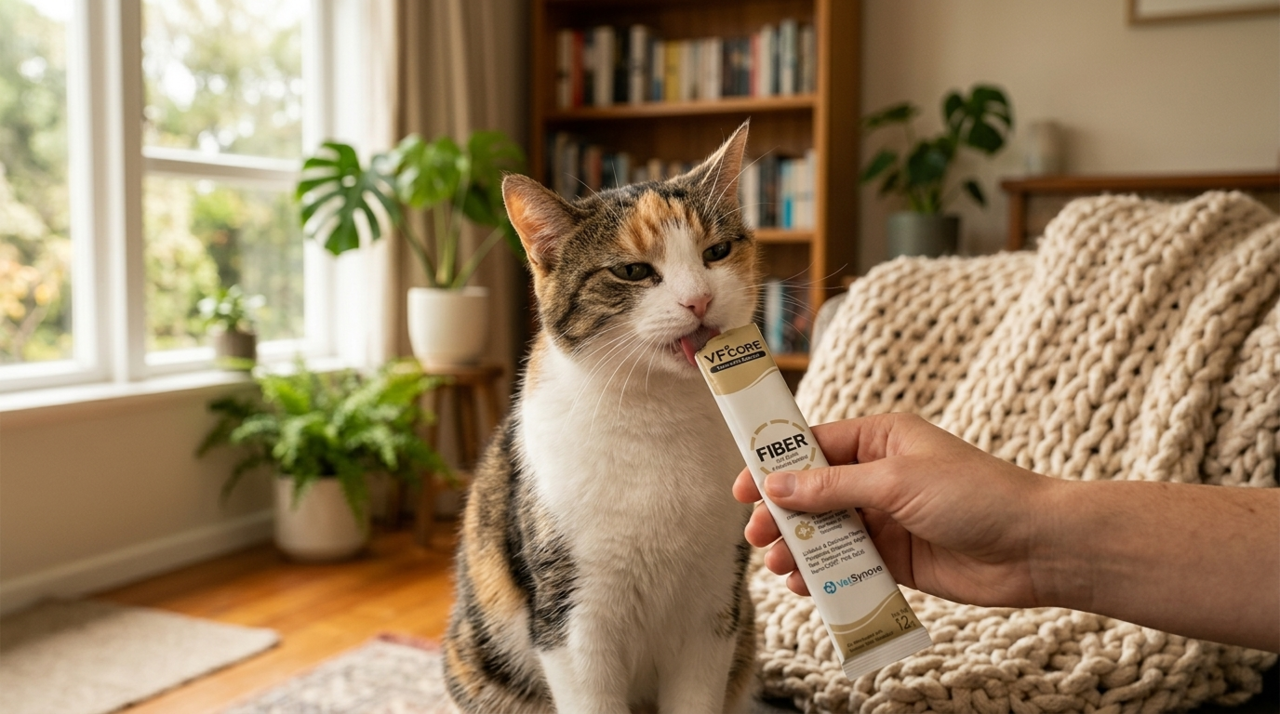
This is the make-or-break question. Look for tasty soft chews, gravy-style toppers, oils that mix into wet food, malt pastes that cats lick straight off a finger, or water additives. Capsules and tablets are last resort for most cats.
3. Will you keep giving it?
Supplements only work when given consistently. With cats that often means picking the format that fits into the existing feeding routine, like a sachet on the wet food or a couple of chews at the same time every day.
4. How long before you judge?
Joint, omega-3 and cognitive supplements all need 4 to 6 weeks of daily dosing before you'd judge whether they're helping. Hairball and gut supplements often show up sooner (1 to 2 weeks). Calming supplements need 2 to 4 weeks. Don't write a supplement off after a fortnight.
1. Hairball and Gut Health
What it does
Hairball and gut supplements help move swallowed fur through the gut, support healthy digestion, and ease occasional constipation, all common issues in older cats. As cats age, grooming gets harder, gut motility slows down, and the microbiome shifts. A targeted supplement can help across all three.
What to look for: a fibre-based supplement formulated for cats (psyllium, beet pulp), a malt-paste hairball remedy that cats lick willingly, or a probiotic blend designed to support feline digestion.
Best for: senior cats with frequent hairballs, occasional constipation, fussy or off-and-on appetite, or generally to support gut health as the baseline routine.
2. Kidney Support
What it does
Kidney support supplements use ingredients like omega-3, antioxidants, B vitamins and phosphate binders to help support kidney function as cats age. Kidney change is one of the most common health shifts in older cats, which is why it's worth knowing this category early.
What to look for: a kidney-care supplement formulated for cats. If your cat has already been diagnosed with kidney disease, the supplement choice and the food choice should be made together with your clinic.
Best for: older cats showing early signs of kidney change (drinking more, weeing more, losing condition), cats already on a prescription kidney diet who would benefit from extra support, or as a general baseline for cats over 11.
If your older cat is drinking more or losing weight, our guide to Why Your Older Cat Is Losing Weight is worth a read alongside this one.
3. Joint and Mobility
What it does
Joint supplements help support the cartilage cushioning the joints and the connective tissue around them. Feline arthritis is much more common than most owners realise, and because cats hide pain well, the signs are subtle: jumping less, hesitating before a leap, sleeping in lower spots, less grooming around the back end.
What to look for: a feline-formulated joint supplement. Look for green-lipped mussel, glucosamine, chondroitin, or the newer Epiitalis ingredient. Format is everything, look for tasty soft chews, oils, or pastes rather than tablets.
Best for: senior cats who are jumping less, no longer using their favourite high perch, sleeping in odd low places, or showing reduced grooming around the lower back and tail.
Our Joint Care for Senior Cats guide goes deeper if you want a fuller breakdown.
4. Skin, Coat and Omega-3
What it does
Omega-3 fatty acids support the skin barrier, coat shine, the joints and the brain. For older cats, a coat that's looking duller, flakier or more matted often points to less efficient grooming plus less efficient skin barrier function, both helped by omega-3 support.
What to look for: an oil formulated for cats. NZ king salmon oil and fish-derived omega-3s are most directly bioavailable. Oils that mix into wet food are usually the easiest format for cats.
Best for: senior cats with a duller or flakier coat, dry skin, or as a baseline daily supplement for any older cat, since omega-3 is one of the most universally useful supplements.
5. Cognitive and Brain Support
What it does
Cognitive supplements typically combine omega-3 DHA, antioxidants and B vitamins to help support brain function as cats age. Feline cognitive dysfunction is a real thing, with signs like disorientation, night-time yowling, changes in social behaviour, and changes in sleep-wake cycle.
What to look for: a feline-formulated cognitive supplement, an omega-3 oil with DHA, or a senior cat food with brain-support nutrients built in.
Best for: older cats who are yowling at night, getting "lost" in familiar rooms, sleeping more during the day and more active at night, or seeming generally less switched-on than they used to.
For more on cognitive change, see our guide on Feline Cognitive Dysfunction.
6. Calming and Stress Support
What it does
Calming products use either feline pheromones (Feliway) or ingredients like L-tryptophan, L-theanine, alpha-casozepine and B vitamins (chews and capsules) to help support a calm state. Senior cats often become more sensitive to change, more easily startled, or more anxious in multi-cat homes as the social dynamics shift.
What to look for: a pheromone diffuser for ongoing background support, or a daily-dose chew or paste for cats whose anxiety needs more direct support. Sprays and travel formats are useful for specific stressful events.
Best for: senior cats who are hiding more, more easily startled, unsettled by changes in routine, or anxious in multi-cat households.
7. Whole-Body Daily Support
What it does
Multivitamin and everyday-health supplements give your senior cat a broad-spectrum boost across multiple systems. They're useful as a baseline alongside the more targeted supplements, or as the starting point if you're not sure where the issue lies yet.
What to look for: a cat-specific everyday-health supplement with a balanced ingredient list. Format matters more for cats than dogs, look for a paste, oil or tasty soft format your cat will accept.
Best for: senior cats who are generally a bit "off" without one specific issue, picky eaters who need encouragement, or as a daily baseline alongside more targeted supplements.
How to Build a Senior Cat Supplement Routine
You don't need to give your senior cat every supplement above. A practical starting point looks something like this.
The baseline two
A hairball / gut support and a daily omega-3 cover the two most common senior cat needs. Most older cats benefit from at least one of these, often both.
Add when you see a change
Drinking more → add kidney support. Jumping less → add joint. New night-time yowling or disorientation → add cognitive support. New anxiety → add calming. Don't add three things at once or you won't know what's helping.
Give for at least 4 to 6 weeks
Most senior cat supplements need 4 to 6 weeks of daily dosing before changes become visible. Hairball and gut supplements often show up sooner. Don't write a supplement off after a fortnight.
Format is half the battle
The best supplement for your cat is the one you can actually get into them. If a tablet is being refused or hidden, swap to a paste, an oil-on-food, a tasty chew or a water additive. There's almost always a format that works.
Frequently Asked Questions
What's the best supplement for an older cat?
For most senior cats, the two most useful supplements are a hairball / gut support and a daily omega-3. They cover the most common everyday senior cat issues. From there, add targeted supplements based on what you're seeing: kidney support, joint support, cognitive support, or calming.
How long before I see a difference?
Joint, omega-3 and cognitive supplements need 4 to 6 weeks of daily dosing before changes become noticeable. Hairball and gut supplements usually show up faster (1 to 2 weeks). Calming supplements need 2 to 4 weeks. Pheromone diffusers like Feliway often start working within a week.
Can I give my cat more than one supplement at a time?
Yes, in most cases. Hairball, joint, omega-3, kidney support, calming and multivitamins all generally combine fine. The thing to avoid is doubling up the same active ingredient. If your cat is on prescription medication, mention any supplements at your next clinic visit so they have the full picture.
When should my cat start a senior supplement?
Cats are generally considered senior from 7, and super senior from 11. Hairball and omega-3 supplements are useful at any age and can start whenever you notice the issue. Kidney and joint support are most relevant from 10 to 11 onwards, especially if you're seeing the early signs.
How do I actually get a supplement into a fussy cat?
This is the biggest practical question with cats. The easiest formats: oil-on-food (a few drops over wet food), paste hairball remedies (most cats lick straight off a finger), water additives (mix into the bowl), and soft chew treats that look like regular treats. Capsules and tablets are last resort. If your cat refuses one format, almost every supplement has an alternative format worth trying.
Are senior cat supplements safe long-term?
Most quality cat supplements are safe for long-term daily use, and many work better the longer they're given. The exceptions are anything specifically labelled short-term, or anything where the active ingredient is also in another product your cat is on. If your cat is on prescription medication or a prescription diet, mention any supplements at your next clinic visit.
What's the difference between a senior cat food and a senior supplement?
Senior cat foods are formulated with senior-friendly nutrient profiles (easier-to-digest proteins, joint-support nutrients, kidney-friendly phosphate levels, often added antioxidants). Senior supplements add specific extras on top of whatever food your cat is eating. Many senior cats do well on a senior food + a hairball or omega-3 supplement, which together cover most of the bases.
Do I really need to give a senior cat anything extra at all?
Some senior cats sail through their later years on a good senior food and nothing else. Others benefit visibly from supplement support, especially around hairballs, joints and kidney function. The best approach is to start with a good senior food, then add a supplement only when you see a change the food alone isn't solving.
Are human supplements safe to give cats?
Best avoided. Some human supplements have ingredients that aren't safe for cats (the liver processes things differently to ours), dosing is wrong for cat bodyweight, and the format is rarely cat-friendly. Cat-specific supplements are formulated, dosed and flavoured for cats, which means you'll actually get them into your cat reliably and safely.
Senior Cat Supplements at Petdirect
Find hairball, kidney, joint, omega-3, cognitive, calming and everyday-health supplements in one place. Save with Autodeliver on supplements your cat takes daily, and enjoy everyday member pricing as part of Pet Perks.
SHOP SENIOR CAT ESSENTIALS