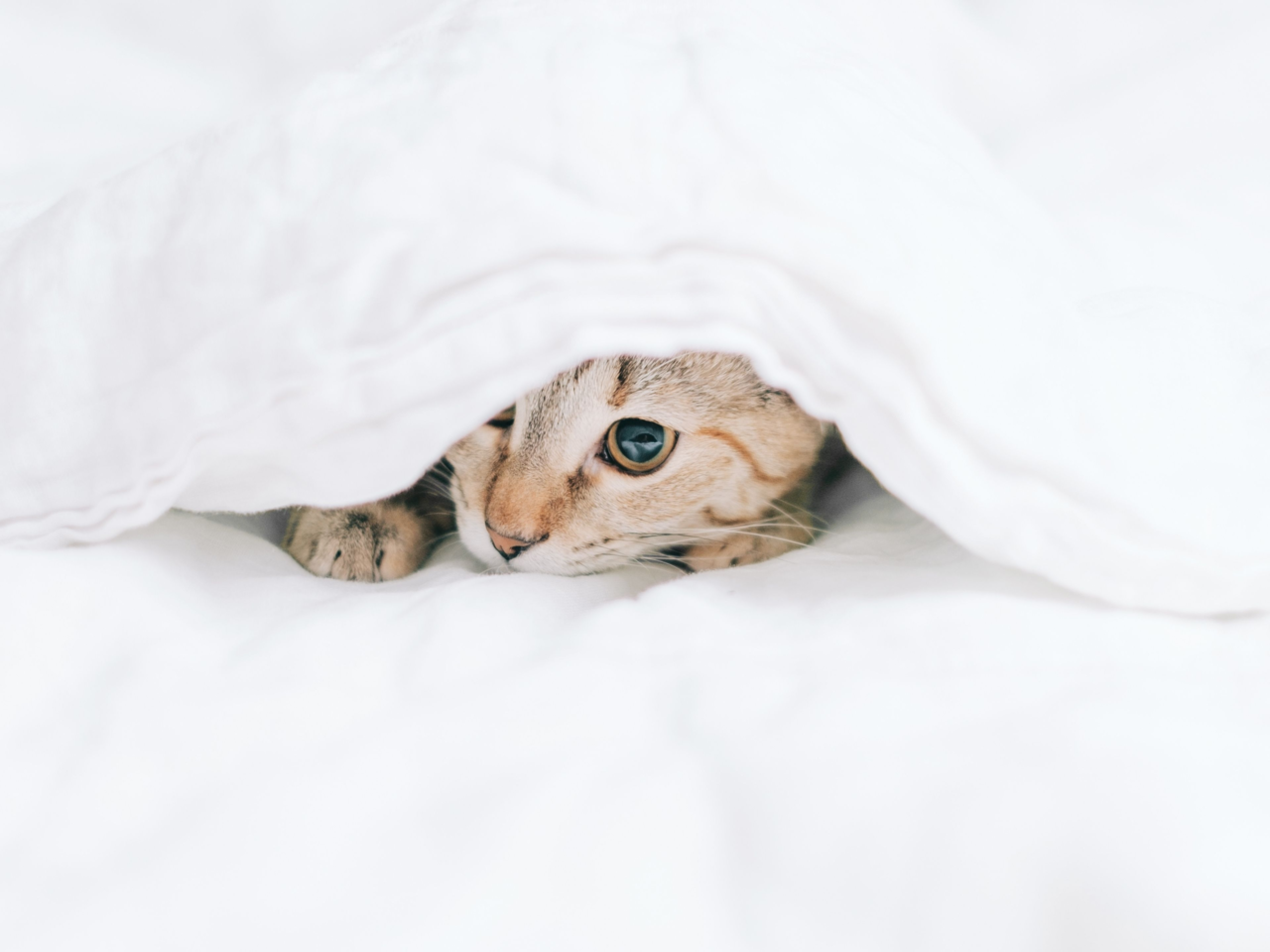
Has your usually sociable cat turned into a master of hide-and-seek? Cats are naturally curious creatures, but a sudden shift in behaviour—like hiding more than usual—can leave pet parents worried. If you’ve been wondering, "why is my cat suddenly hiding?" you’re not alone. At Petdirect, we get pet, and we’re here to uncover the most common causes behind your cat’s disappearing act—and what you can do to help.
Common Reasons Cats Suddenly Start Hiding
Hiding is a normal feline behaviour, but sudden changes can indicate something deeper. Here are some common reasons for this change:
- Stress or anxiety: Changes in your home—renovations, new pets, visitors—can send your cat running for cover.
- Illness or injury: Cats instinctively hide when they’re not feeling well. Any prolonged hiding warrants a check-up with your vet.
- Environmental changes: Moving house, noisy construction, or even a rearranged living room can throw off your cat’s sense of security.
- New additions: The arrival of a new baby, kitten, or even switching up food and litter can prove unsettling to your feline friend.
- Ageing or cognitive decline: Senior cats may hide more due to confusion or discomfort related to ageing.
Creating A Safe Space For Your Cat
If your cat is hiding, it may be their way of seeking safety or comfort. Here’s how to create a calm and secure environment:
- Offer cosy cat bedding in quiet, low-traffic areas.
- Install cat doors so they can come and go freely without pressure.
- Provide vertical space such as shelves or a stable cat tree for observation and retreat.
- Use calming sprays and diffusers designed to help reduce situational anxiety.
Behavioural Changes That Accompany Hiding
Sudden hiding may not be your cat’s only behavioural change. Look for these signs too:
- Loss of appetite or changes in eating habits
- Excessive grooming or changes in grooming behaviour
- Sudden aggression or withdrawal
- Unusual litter box habits
If any of these changes accompany hiding, it may be time to consult your vet. Don’t hesitate—cats are experts at masking discomfort, so early detection is key.
How To Help A Nervous Or Stressed Cat
If your cat is hiding due to stress, your support can make a world of difference. Try these tips:
- Stick to a predictable routine to build your cat’s confidence.
- Offer interactive playtime to encourage positive associations with being out and about. Choose from our range of stimulating cat toys to keep their mind (and body) active.
- Support emotional balance with calming supplements or natural remedies—many are designed for anxious felines.
- Ensure accessible, clean litter trays in quiet, familiar spots.
In some cases, using a pet camera can help you keep tabs on your cat’s habits while you're away, especially helpful for working cat parents who want insight into daytime hiding behaviour.
When To Visit The Vet
If your cat has been hiding for more than a couple of days, or you notice weight loss, disinterest in food, or vocalising differently, it’s time for a vet visit. Sudden behavioural shifts—especially in cats who are typically sociable—may point to medical issues such as infections, pain, digestive upset or even early signs of arthritis or dental problems.
Ongoing anxiety should also be taken seriously. A vet may also discuss calming options or nutritional support, like specially formulated science-based cat diets that support overall wellbeing.
We’re Here To Help, Because We Get Pet
If your curious cat has become a disappearing act, you're not alone—and there's plenty you can do to help them feel safe and seen again. Whether you’re looking for nutrition options, treats for positive reinforcement, or a range of accessories for secure spaces, Petdirect has everything you need—delivered right to your door.