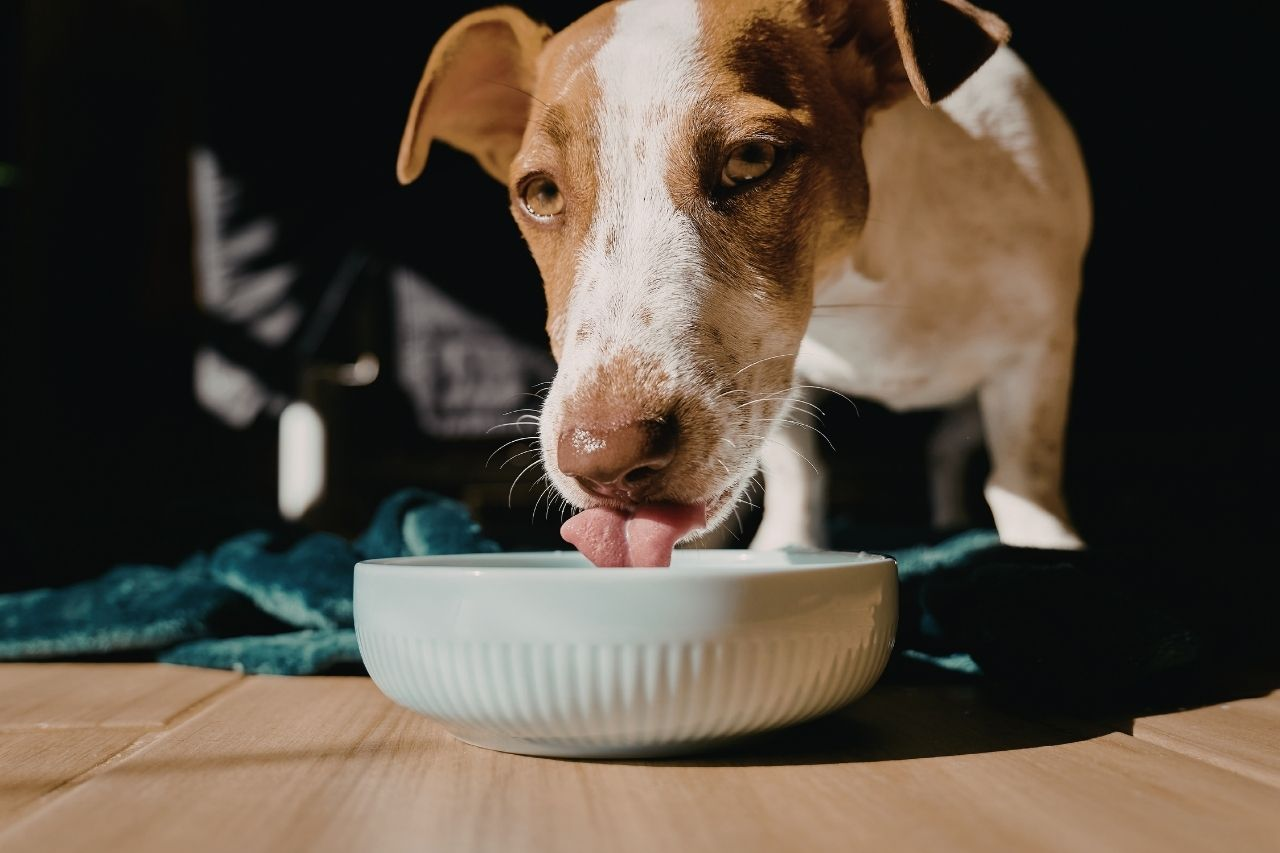
If your older dog has started drinking noticeably more water than usual, you are not imagining it. Increased thirst (known as polydipsia) is one of the most common changes pet parents notice as their dog ages.
While it is sometimes perfectly normal, it can also be an early sign of something that needs attention. This guide covers the most common reasons senior dogs drink more water, the warning signs that mean a vet visit is overdue, and what you can do at home to support your dog's hydration and overall health.
Why Older Dogs Drink More Water
There is no single reason behind increased water intake in senior dogs. Some causes are harmless, while others point to underlying health conditions that benefit from early detection.
Kidney Function Decline
As dogs age, their kidneys gradually become less efficient at concentrating urine. The body compensates by drinking more water to flush waste. This is the most common medical cause of increased thirst in older dogs.
Diabetes
Canine diabetes causes excess glucose in the blood, which pulls water from the body. Dogs with diabetes drink excessively and urinate frequently. It is more common in middle-aged and older dogs.
Cushing's Disease
Hyperadrenocorticism causes the adrenal glands to overproduce cortisol. Excessive thirst, increased appetite, and a pot-bellied appearance are hallmark signs, especially in dogs over eight.
Urinary Tract Infections
UTIs are more common in senior dogs and can cause increased drinking, frequent urination, and accidents indoors. Female dogs and those with weakened immune systems are particularly susceptible.
Medication Side Effects
Certain medications commonly prescribed to older dogs, including steroids, anti-seizure drugs, and some heart medications, can increase thirst as a known side effect.
Normal Ageing
Sometimes, a modest increase in water intake is simply part of getting older. Reduced kidney efficiency, changes in activity levels, and dietary shifts can all contribute without indicating a serious problem.
How Much Water Should a Senior Dog Drink?
As a general guide, a healthy dog needs roughly 50 to 60 millilitres of water per kilogram of body weight per day. So a 20kg dog would typically drink around one to 1.2 litres daily.
However, this varies based on diet (dogs eating wet food drink less), activity level, weather, and individual metabolism. The key is not hitting an exact number but noticing a significant change from your dog's normal pattern.
How to Track Your Dog's Water Intake
Fill the water bowl to the same level each morning using a measuring jug. At the end of the day, measure what is left. Do this for three to five days to establish a baseline. If intake consistently exceeds 80 to 100ml per kilogram, or has noticeably increased from their normal amount, it is worth a vet check.
When to Worry: Warning Signs That Need a Vet Visit
A slight increase in drinking on a hot day or after exercise is normal. But certain patterns alongside increased thirst should prompt a vet appointment sooner rather than later.
Drinking and Urinating Much More Than Usual
If your dog is emptying their water bowl multiple times a day and needing to go outside far more often, or having accidents indoors, this combination is a classic sign of kidney disease, diabetes, or Cushing's disease.
Unexplained Weight Loss or Gain
Losing weight despite eating normally can indicate diabetes or kidney disease. Gaining weight with a pot-bellied appearance alongside increased thirst may point to Cushing's disease.
Changes in Appetite
A sudden increase or decrease in appetite combined with excessive drinking warrants investigation. Dogs with diabetes often eat ravenously but still lose weight, while kidney disease can suppress appetite.
Lethargy or Behavioural Changes
If your normally active dog seems flat, reluctant to walk, or confused alongside increased thirst, these could indicate that an underlying condition is progressing and needs attention.
Vomiting or Diarrhoea
Gastrointestinal symptoms combined with excessive drinking can indicate kidney disease, liver problems, or other systemic illness. Dehydration from vomiting can also drive increased water intake.
Bad Breath or Mouth Ulcers
A strong ammonia-like smell on your dog's breath, combined with increased thirst, can be a sign of advanced kidney disease. Mouth ulcers may also develop as toxins build up in the bloodstream.
If you notice any of these signs, book a vet appointment. A simple blood test and urinalysis can identify most causes of increased thirst in senior dogs, and early detection makes a real difference to treatment outcomes.
Supporting Your Senior Dog's Hydration at Home
Whether your dog's increased thirst is age-related or linked to a diagnosed condition, there are practical steps you can take to support their hydration and comfort.
Keep Fresh Water Available at All Times
This sounds obvious, but it matters more for senior dogs. Place water bowls in multiple locations around the house, especially near where your dog rests. If your dog has mobility issues, make sure they do not have to walk far or navigate stairs to reach water.
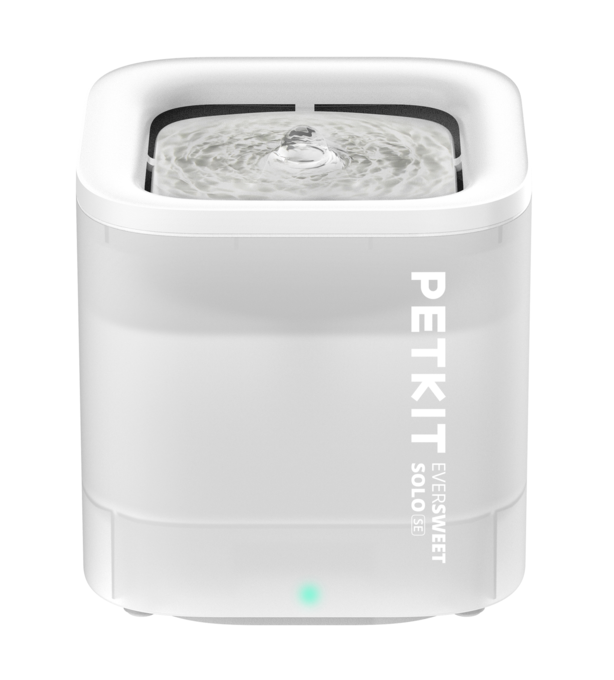
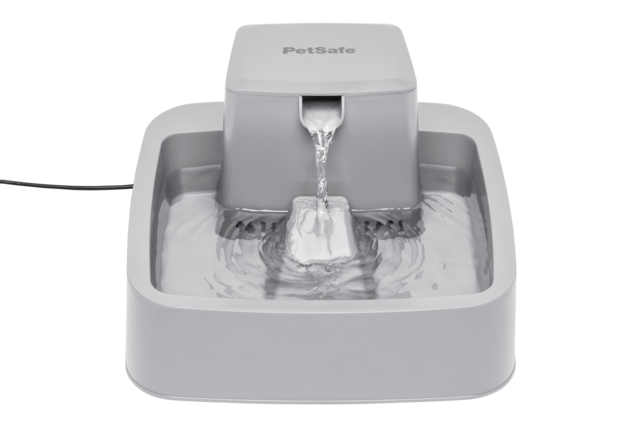
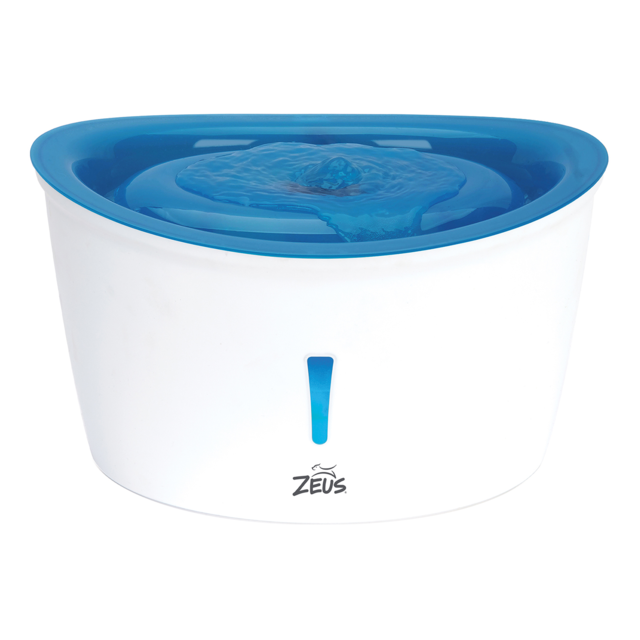
Consider a Water Fountain
Many dogs prefer moving water to a still bowl. A pet water fountain keeps water circulating and filtered, which can encourage drinking and ensure the water stays fresh throughout the day.
Add Moisture to Their Diet
If your senior dog is on a dry food diet, adding wet food or a splash of warm water to their kibble can boost their overall fluid intake. Wet food is typically 70 to 80% moisture, making it a simple way to support hydration alongside their water bowl.
Feed a Senior-Appropriate Diet
Senior dog foods are formulated with adjusted protein, phosphorus, and sodium levels to support ageing kidneys and overall organ health. If your dog has been diagnosed with kidney disease, your vet may recommend a prescription kidney diet with controlled phosphorus and high-quality protein.
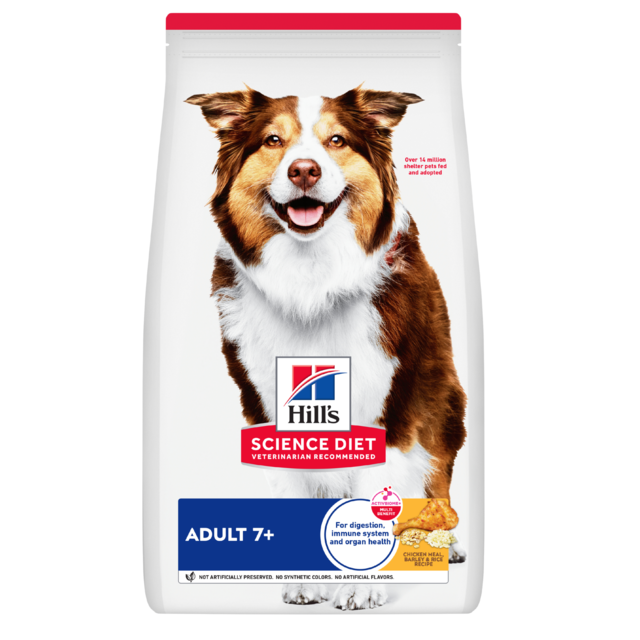
Hill's Science Diet Adult 7+ Senior Dry Dog Food
Clinically proven nutrition for dogs over seven. Balanced minerals support kidney and heart health in ageing dogs.
SHOP NOW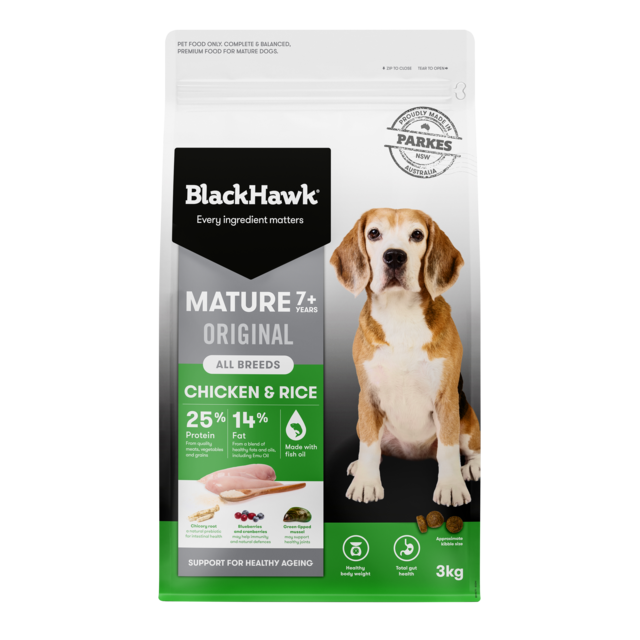
Black Hawk Mature Chicken and Rice Dry Dog Food
Australian-made with natural ingredients. Formulated for mature dogs with controlled phosphorus and added glucosamine for joint support.
SHOP NOW
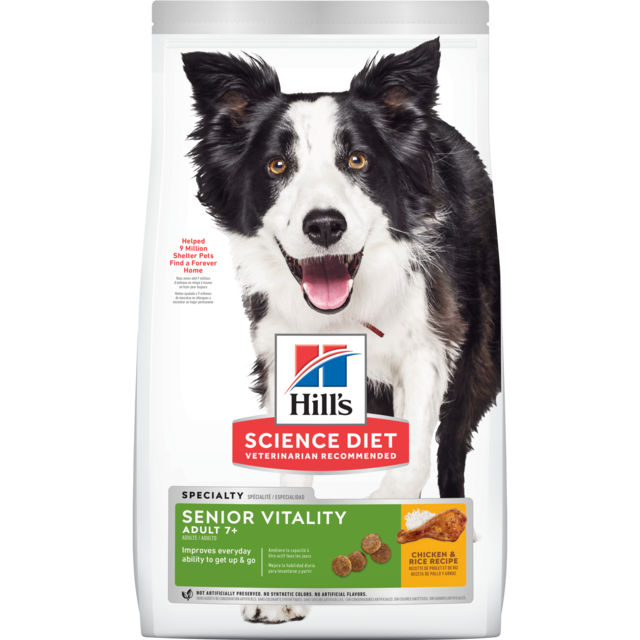
Hill's Science Diet Adult 7+ Senior Vitality Dry Dog Food
Formulated with a unique blend of ingredients to fight the effects of ageing. Supports brain function, energy, and a healthy immune system.
SHOP NOW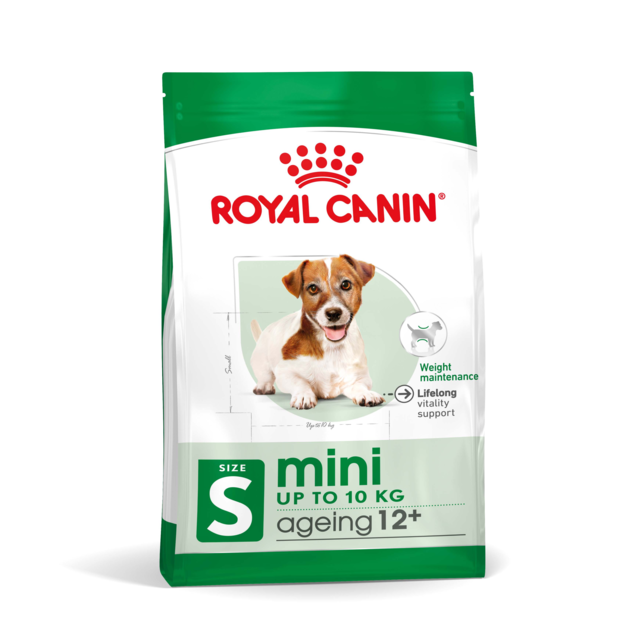
Royal Canin Mini Ageing 12+ Senior Dry Dog Food
Tailored nutrition for small dogs over 12 years. Adapted phosphorus levels help support ageing kidneys, with an easy-to-chew kibble shape.
SHOP NOW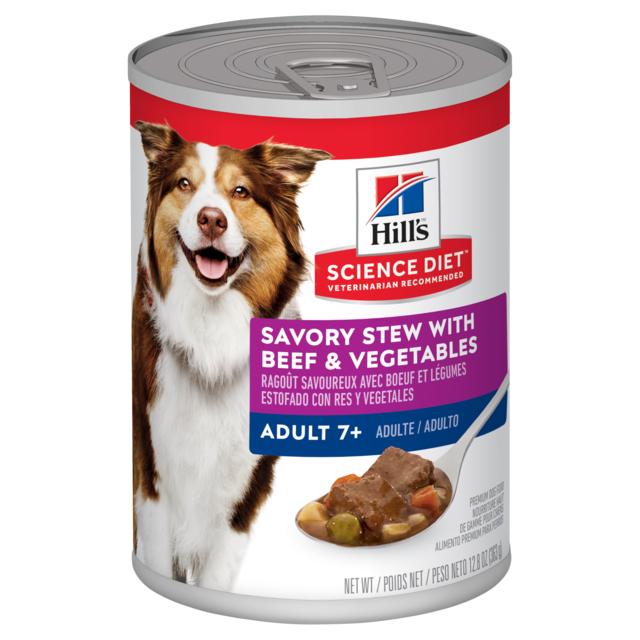
Hill's Science Diet Adult 7+ Savory Stew Beef and Vegetables Wet Dog Food
High-moisture wet food that supports hydration alongside balanced senior nutrition. A great way to add fluid to your dog's diet.
SHOP NOWIf Your Vet Diagnoses Kidney Disease
Kidney disease is one of the most common conditions in senior dogs, and increased thirst is often the first sign pet parents notice. If your vet confirms kidney disease through blood work and urinalysis, they will likely recommend dietary changes alongside any medical treatment.
Prescription kidney diets are specifically formulated with restricted phosphorus, controlled high-quality protein, and added omega-3 fatty acids to slow the progression of kidney disease and reduce the workload on the kidneys.
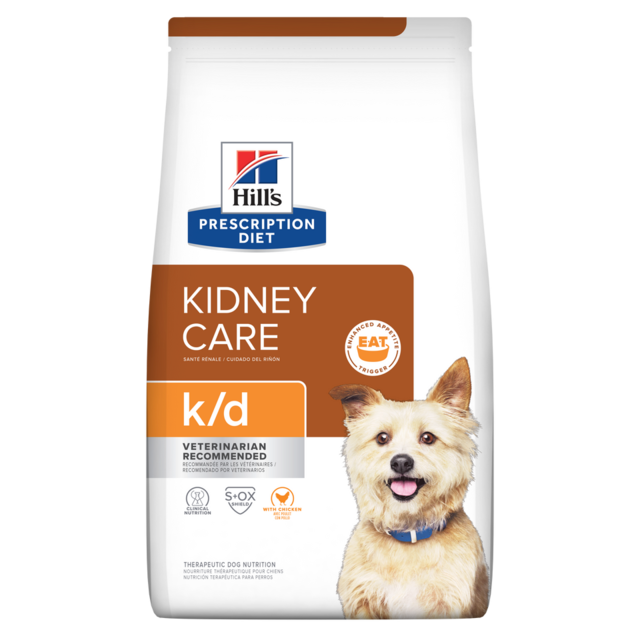
Hill's Prescription Diet k/d Kidney Care Dry Dog Food
Clinically proven to improve quality of life in dogs with kidney disease. Controlled phosphorus and sodium with enhanced omega-3s.
SHOP NOW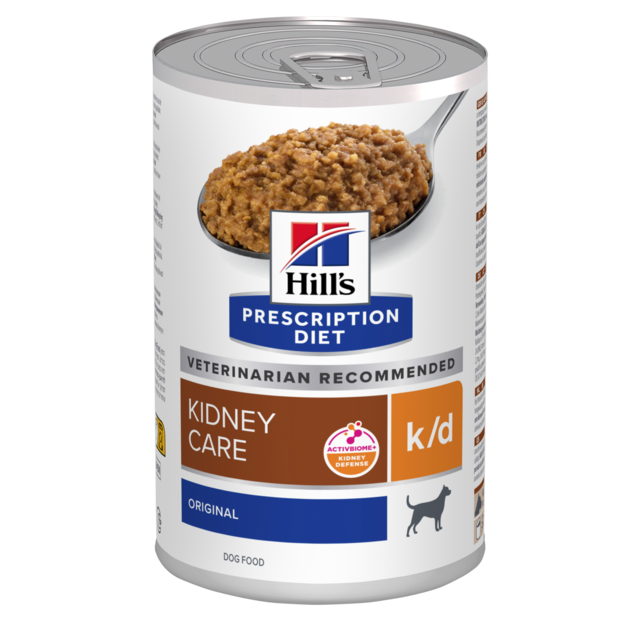
Hill's Prescription Diet k/d Kidney Care Original Wet Dog Food
High-moisture prescription diet for dogs with kidney disease. Helps manage phosphorus intake while keeping your dog hydrated.
SHOP NOW
Important
Prescription diets require a veterinary recommendation. If you suspect kidney disease, always consult your vet before changing your dog's diet. They can run the appropriate tests and guide you on the best nutritional approach for your dog's specific stage of kidney disease.
Practical Tips for Managing Increased Thirst
- Never restrict water access. Even if your dog is drinking a lot, limiting water can lead to dangerous dehydration. Always let your dog drink as much as they need.
- Take water on walks. Senior dogs can overheat and dehydrate more quickly. Carry a portable water bottle and collapsible bowl on every outing.
- Increase toilet breaks. More water in means more water out. If your dog is drinking more, they will need more frequent opportunities to go outside, especially overnight.
- Clean bowls daily. Bacteria builds up in water bowls quickly. Wash with hot soapy water daily and rinse thoroughly to keep water fresh and appealing.
- Monitor and record. Keep a simple log of daily water intake for a week before your vet appointment. This gives your vet valuable data to work with.
- Watch for dehydration signs. Even dogs that drink a lot can become dehydrated if they are losing fluid through vomiting, diarrhoea, or kidney disease. Check for dry gums, loss of skin elasticity, and sunken eyes.
Frequently Asked Questions
Is it normal for older dogs to drink more water?
A modest increase in water intake can be a normal part of ageing as kidney efficiency naturally declines. However, a significant or sudden increase should always be checked by a vet to rule out conditions like kidney disease, diabetes, or Cushing's disease.
How much water is too much for a senior dog?
Dogs typically need 50 to 60ml of water per kilogram of body weight per day. If your dog is consistently drinking more than 80 to 100ml per kilogram, or you have noticed a marked increase from their usual amount, it is worth a vet visit.
Should I limit my dog's water intake if they are drinking too much?
No. Never restrict your dog's access to water unless specifically instructed by your vet. Limiting water can cause dehydration, which is dangerous, especially for dogs with kidney disease or diabetes. Instead, monitor how much they drink and report it to your vet.
Can diet affect how much water my dog drinks?
Yes. Dogs on dry kibble diets tend to drink more water than those eating wet food, which is around 70 to 80% moisture. High-sodium treats or foods can also increase thirst. Switching to or adding wet food can help boost overall hydration.
What tests will my vet run if my dog is drinking excessively?
Your vet will likely start with a blood test (to check kidney values, blood glucose, and liver function) and a urinalysis (to assess urine concentration and check for infection). Depending on results, they may also recommend an ultrasound or additional hormone tests.
Does increased thirst always mean kidney disease?
No. While kidney disease is a common cause, increased thirst can also result from diabetes, Cushing's disease, urinary tract infections, liver disease, medication side effects, or simply hot weather and increased activity. A vet visit is the only way to determine the cause.