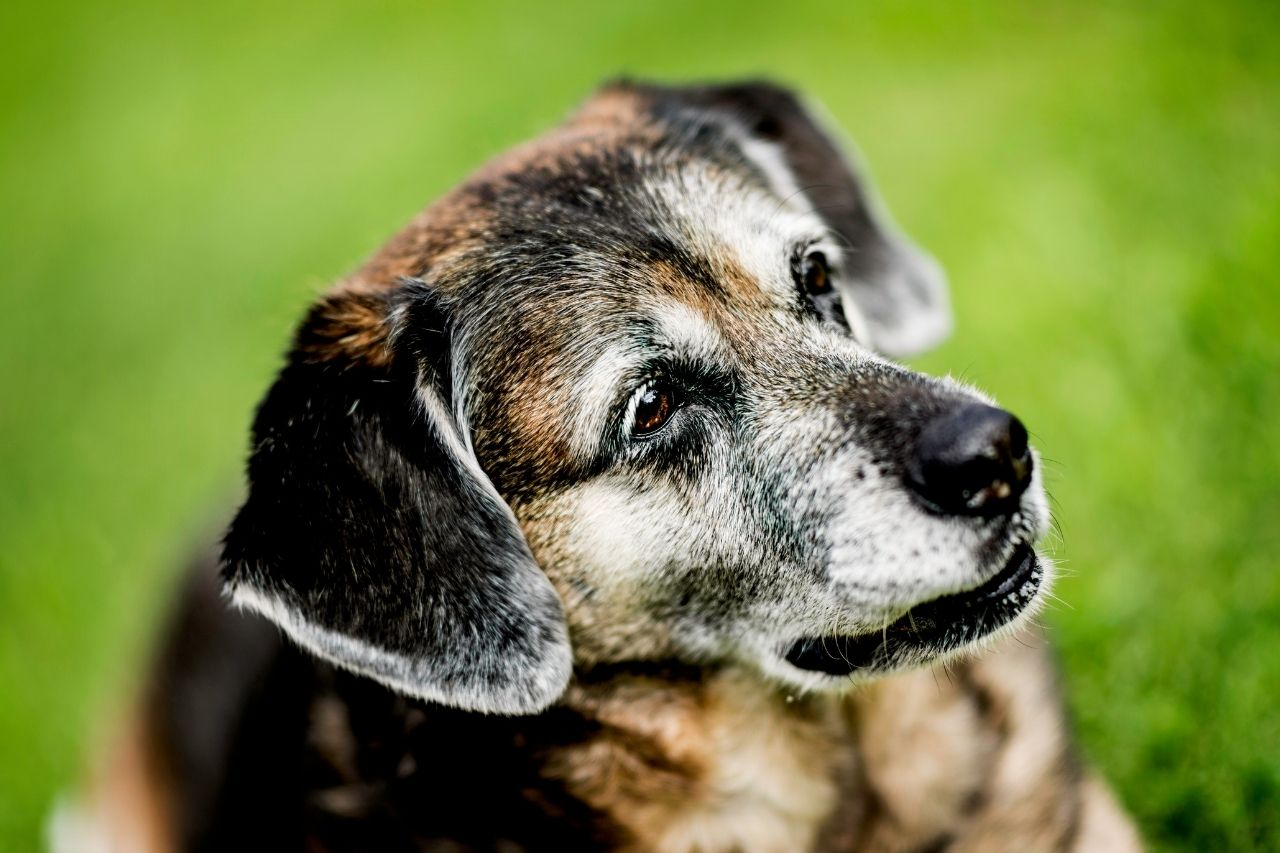
Watching your dog get older can be bittersweet. The grey hairs around their muzzle, the slightly slower walk, the longer naps in the sunniest spot. It is all part of life. But behind the scenes, there is a lot happening inside your dog's body that you might not see. Understanding these changes can help you support your dog better as they move into their senior years.
This is a simple, easy-to-read guide to what actually goes on inside your dog as they age. No jargon, no alarming medical lectures. Just a clear picture of what is changing and how you can help them stay comfortable, happy, and healthy for as long as possible.
When Is a Dog Considered Senior?
There is no single age that applies to every dog. Size plays a bigger role than you might think.
Small breeds (under 10kg)
Small dogs tend to live longer and are generally considered senior around 10 to 12 years of age. Think Chihuahuas, Yorkshire Terriers, and Maltese.
Medium breeds (10 to 25kg)
Medium dogs usually enter their senior years around 8 to 10. Border Collies, Beagles, and Staffies fall into this bracket.
Large and giant breeds (25kg+)
Larger dogs age faster and are often considered senior by 6 to 8 years of age. Golden Retrievers, Labradors, and German Shepherds age on a shorter timeline.
For a fuller breakdown, see our guide to when a dog is considered senior.
What's Happening on the Inside
Ageing affects every system in your dog's body, just like it does in people. Here is a simple tour of the most important changes.
Metabolism slows down
As dogs get older, their metabolism gradually slows. They burn fewer calories at rest, which is why senior dogs can put on weight more easily even if they are eating the same amount they always have. This is one of the main reasons senior-specific foods are formulated with fewer calories and different nutrient ratios.
Joints and cartilage wear down
Years of running, jumping, and playing take their toll on joints. The cartilage that cushions the bones naturally thins over time, which can lead to stiffness and discomfort. This is why you might notice older dogs hesitate before jumping onto the couch or move a bit slowly in the morning. See our guide to joint health for senior dogs.
Muscle mass decreases
Older dogs gradually lose muscle, especially in the hind legs. You might notice their back end looks a bit thinner than it used to. Protein becomes even more important at this stage to help maintain what muscle they have.
Senses become less sharp
Vision and hearing often decline with age. Your dog may not hear you call them from the garden or might bump into furniture in low light. It happens gradually, so most dogs adapt well as long as their environment stays familiar.
Teeth and gums need more care
Years of eating and chewing lead to plaque and tartar build-up. Senior dogs are more likely to experience gum issues and tooth wear. Regular dental care becomes even more important. See our guide to dental health for senior dogs.
Digestion becomes more sensitive
The digestive system can become less efficient with age. Older dogs may not absorb nutrients as easily as they used to and can be more sensitive to sudden changes in food. This is why transitioning to a new diet slowly becomes even more important in the senior years.
Organs work a bit harder
Internal organs like the kidneys, liver, and heart gradually become less efficient as dogs age. This does not mean something is wrong, just that they are not quite as fast at their job as they used to be. Regular vet check-ups help pick up any concerns early.
Immune system adapts
The immune system changes with age, which can make older dogs more susceptible to minor illnesses. Good nutrition, regular exercise, and staying up to date with vet visits all help support their body's natural defences.
What This Means for Your Dog's Day-to-Day
These internal changes show up in your dog's daily life in ways you might have noticed.
More sleep, less sprint
Older dogs sleep more and have less stamina for long walks or energetic play. Short, gentle sessions work better than long, intense ones. See our low-impact exercises for senior dogs.
Weight creeps up
A slower metabolism combined with reduced activity makes weight gain easier. Keeping an eye on portions and choosing a senior-appropriate food helps keep things in check.
Stiffness after rest
Joints can feel stiffer after a long sleep or in cold weather. A warm bed in a draught-free spot makes a real difference for older dogs.
Changes in appetite
Some older dogs eat less, others eat more. A sense of smell that is not quite what it used to be can affect interest in food. Wet food or a splash of warm water on dry food can help make meals more appealing.
Drinking more water
Some older dogs start drinking more water as they age. This can be normal, but it is worth keeping an eye on. See our guide to why your older dog is drinking more water.
Subtle behaviour changes
You might notice your dog being a bit quieter, sleeping in different spots, or being slower to respond. These are normal parts of ageing, but anything sudden or dramatic is worth mentioning to your vet.
How to Support Your Dog Through These Changes
The good news is that there is a lot you can do to help your dog age comfortably. Small adjustments to their diet, environment, and routine can make a real difference.
Switch to a senior diet
Senior dog foods are formulated with adjusted calorie levels, added joint support, higher-quality protein to maintain muscle, and nutrients that support ageing organs. Brands like Hill's Science Diet, Royal Canin, ACANA, and Orijen all offer senior formulas. For more on this, see our guide to understanding senior dog nutritional needs.
Consider supplements for specific needs
Joint supplements, omega-3s, and senior-specific multivitamins can help support your dog from the inside out. They are especially useful for dogs showing signs of stiffness or slowing down. 4CYTE supports cartilage, Nutreats Hip and Joint combines green-lipped mussel with other joint-friendly nutrients, and Fourflax Senior is a simple daily top-up.
Make everyday life easier
- Provide a warm, supportive bed in a quiet, draught-free spot
- Add ramps or steps near the couch, bed, or car if jumping is getting harder
- Keep food and water bowls at a comfortable height to reduce neck strain
- Stick to familiar routines and environments to help with any sensory changes
- Continue regular gentle exercise, even if walks are shorter than they used to be
- Book regular check-ups with your vet, ideally every 6 to 12 months
When to Chat with Your Vet
Gradual changes are a normal part of ageing. But some changes deserve a closer look. Book a vet visit if you notice:
- Sudden weight loss or weight gain
- A noticeable change in appetite or drinking habits
- Difficulty getting up, walking, or climbing stairs
- Signs of pain like whimpering, reluctance to be touched, or changes in posture
- Confusion, disorientation, or pacing at night
- Lumps or bumps that were not there before
- Any change in behaviour that feels out of the ordinary for your dog
Your vet is the best person to tell you whether something is simply age-related or needs further investigation. Many age-related changes are very manageable when picked up early, so regular check-ups are always a good idea for senior dogs.
Frequently Asked Questions
At what age should I switch my dog to senior food?
It depends on their size. Small breeds typically switch around 10 to 12 years, medium breeds around 8 to 10, and large breeds around 6 to 8. Your vet can help you decide based on your dog's health and condition.
Is it normal for older dogs to sleep more?
Yes. Most older dogs sleep more than they did when younger. As long as they are still eating, drinking, and enjoying time with you, extra sleep is usually nothing to worry about. A sudden increase in sleep or lethargy is worth mentioning to your vet.
Do older dogs need less exercise?
They typically need less intense exercise, but still benefit from regular gentle activity. Short, slower walks, swimming, and gentle play sessions all help maintain muscle tone and joint flexibility.
Why is my older dog getting grey around the face?
Greying is a normal part of ageing in dogs, just like in people. It usually starts around the muzzle and face. It does not mean anything is wrong and has no effect on their health.
Can supplements really help an ageing dog?
Good quality supplements can support joint health, skin and coat condition, and general wellbeing. They work best alongside a good diet and regular vet care. Your vet can advise which supplements might suit your dog's specific needs.
How often should I take my senior dog to the vet?
For healthy senior dogs, a check-up every 6 to 12 months is a good idea. Older dogs benefit from regular monitoring so that any age-related changes can be picked up and managed early.
Everything Your Senior Dog Needs
From senior food and joint supplements to cosy beds and dental care, find everything to support your dog's golden years. Save with Autodeliver and everyday savings with Pet Perks.
SHOP SENIOR DOG FOODRelated Reading
When Is a Dog Considered Senior? Canine Life Stages
Senior Dog Care in New Zealand: The Ultimate Guide
Joint Health for Senior Dogs: The Complete NZ Supplement Guide
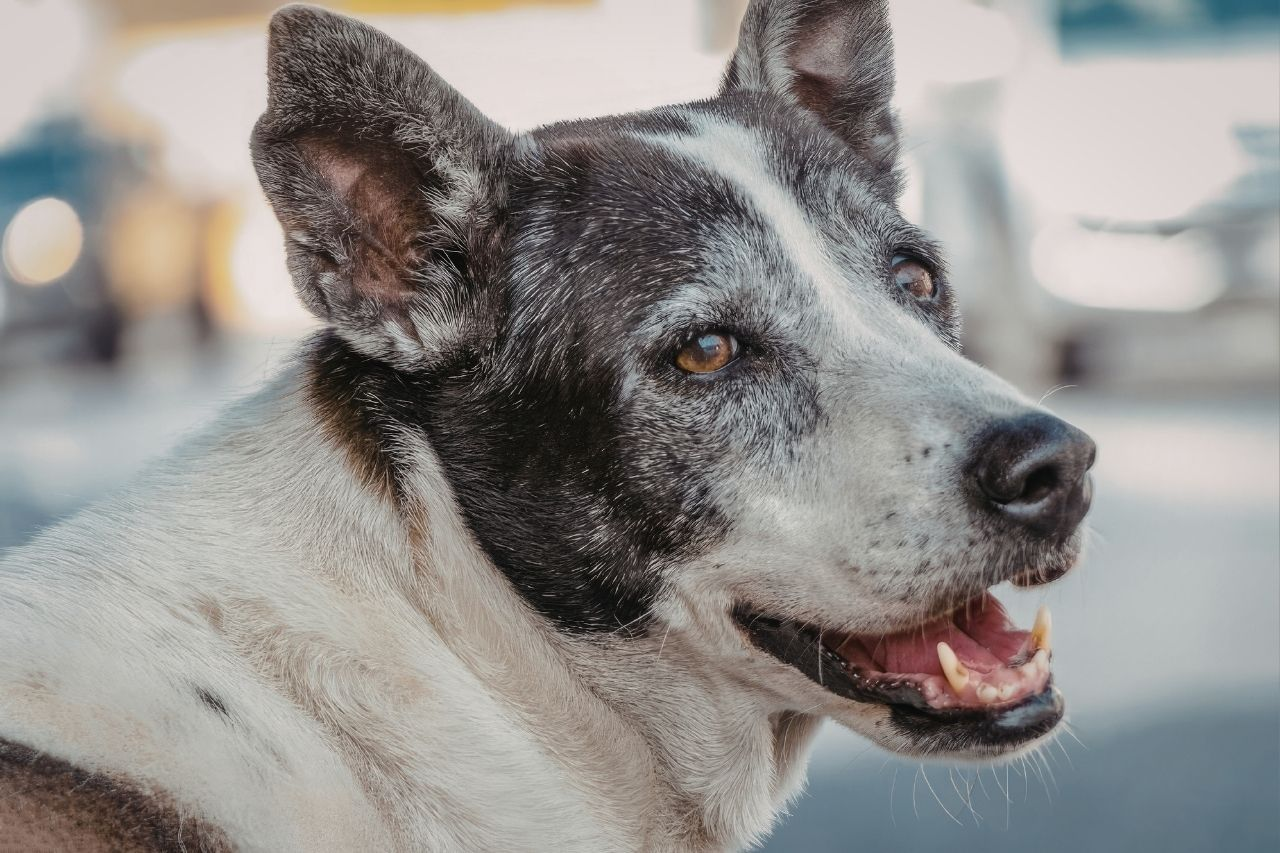
Dental Health for Senior Dogs: Why It Matters More Than Ever
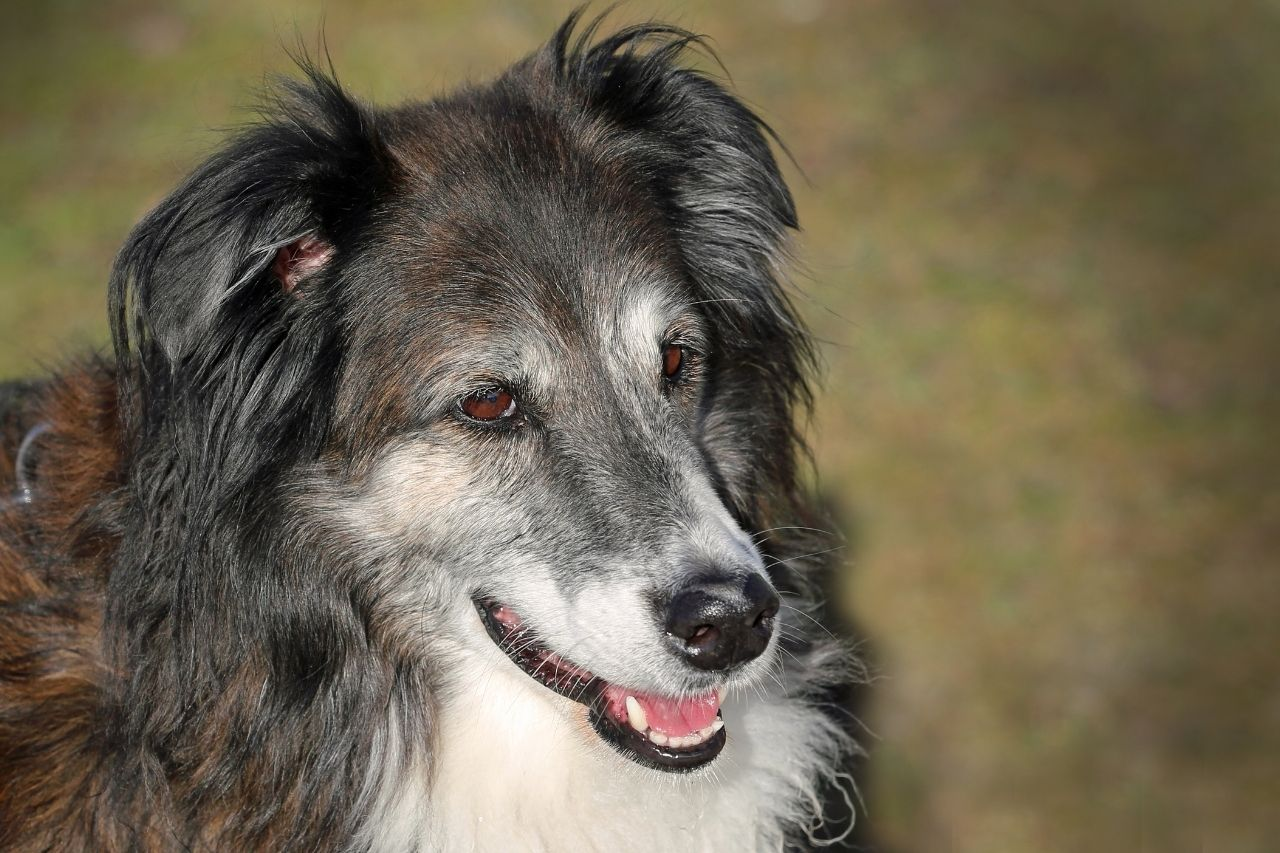
Understanding Your Senior Dog's Changing Nutritional Needs
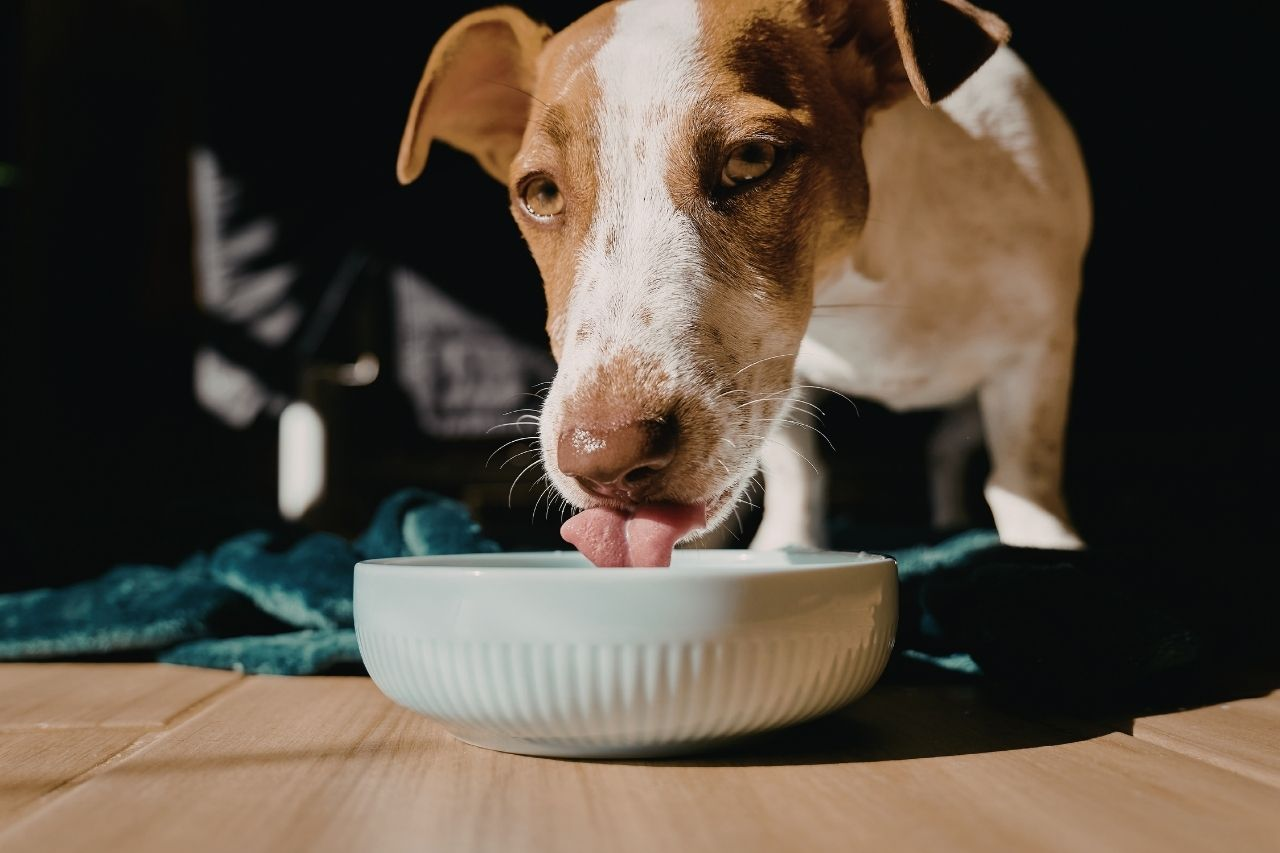
Why Is My Older Dog Drinking More Water?