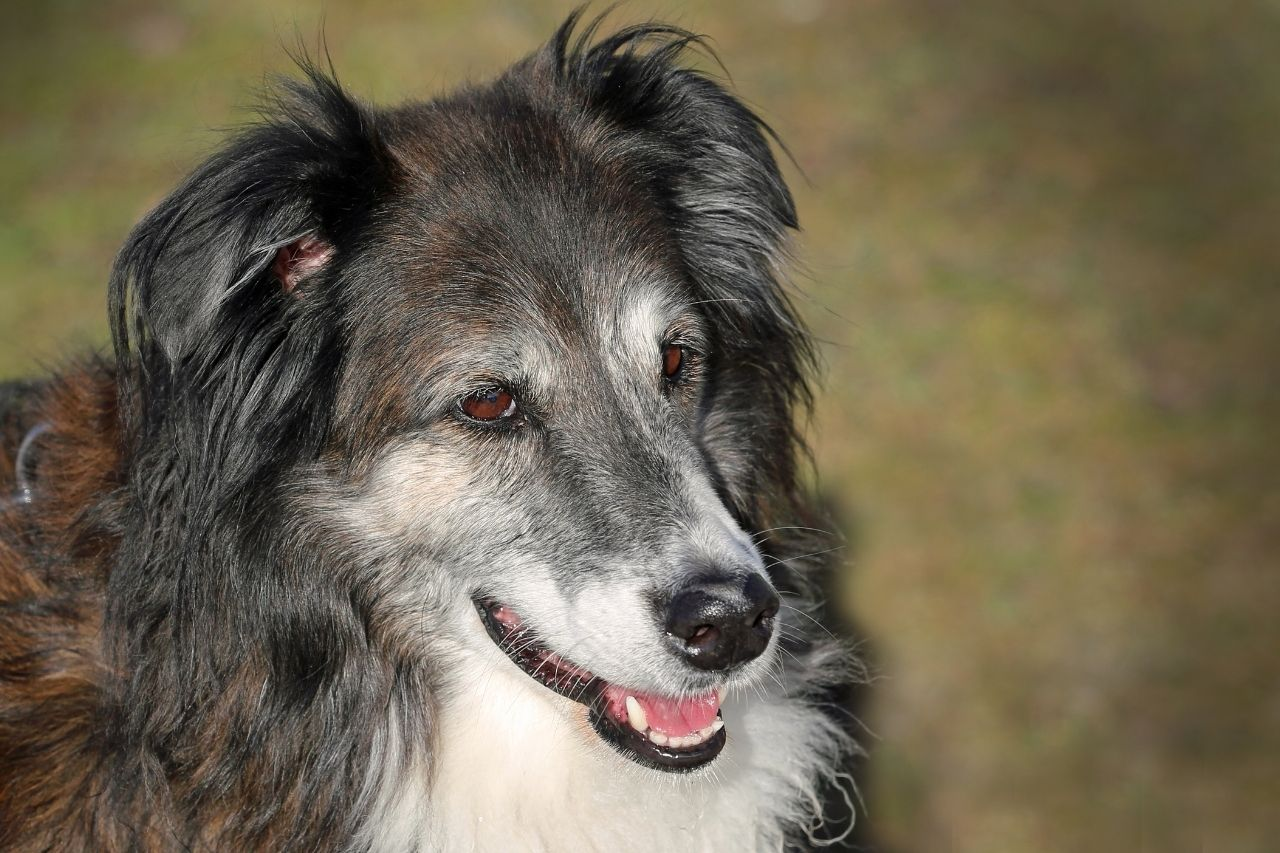
As your dog gets older, their body changes in ways you might not immediately notice. Their metabolism slows, their joints stiffen, their digestion becomes more sensitive, and their nutritional needs shift. The food that kept them thriving as an adult may no longer be giving them what they need.
Understanding how your senior dog's nutritional requirements change is the first step to helping them stay healthy, comfortable, and full of life in their golden years. This guide explains what happens inside your dog's body as they age, which nutrients become more important, and how to choose the right food for every stage of their senior life.
When Is a Dog Senior?
Small breeds (under 10 kg) are typically senior from age 10 to 12. Medium breeds from age 8 to 10. Large breeds from age 7 to 8. Giant breeds can be senior as early as age 5 to 6.
Slower Metabolism
Senior dogs burn fewer calories at rest. Without adjusting their diet, they are more likely to gain weight, which puts extra strain on joints, the heart, and other organs.
Higher Nutrient Needs
While calorie needs decrease, the need for quality protein, joint-supporting nutrients, antioxidants, and easily digestible ingredients actually increases.
How Your Dog's Nutritional Needs Change With Age
Ageing affects every system in your dog's body. Here are the key nutritional shifts that happen as your dog enters their senior years.
Protein: More Important, Not Less
There is a common myth that senior dogs need less protein. In fact, the opposite is true. Older dogs lose muscle mass more easily (a process called sarcopenia), and they need more high-quality, easily digestible protein to maintain lean muscle and support immune function. Look for foods where a named animal protein (chicken, lamb, fish, beef) is the first ingredient.
Calories: Less Energy, Same Appetite
Senior dogs have a slower metabolic rate, which means they burn fewer calories throughout the day. If you keep feeding the same amount of adult food, your dog is likely to gain weight. Senior-specific formulas are designed to be lower in calories while still providing complete nutrition, so your dog feels satisfied without overeating.
Fat: Quality Over Quantity
While total fat intake should be moderated to prevent weight gain, the type of fat matters more than ever. Omega-3 fatty acids (from fish oil or flaxseed) have anti-inflammatory properties that support joint health, brain function, and skin condition. Many senior dog foods are enriched with omega-3s for this reason.
Joint Support: Glucosamine and Chondroitin
Cartilage wears down over time, especially in larger breeds and dogs that have been active throughout their lives. Glucosamine and chondroitin are naturally occurring compounds that help maintain cartilage and cushion joints. Many senior dog foods include these, and standalone supplements can provide additional support.
Digestive Health: Easier to Process
Older dogs often have a less efficient digestive system. They may struggle to absorb nutrients as effectively as they once did. Senior foods typically use highly digestible protein sources and include prebiotics or probiotics to support gut health and nutrient absorption.
Antioxidants: Fighting Cellular Ageing
Antioxidants like vitamins C and E, beta-carotene, and selenium help protect cells from oxidative damage. They support immune function, brain health, and overall vitality. Senior-specific foods are often fortified with higher levels of antioxidants to help slow the effects of ageing.
Best Senior Dog Food by Breed Size
Different breed sizes age at different rates and have different nutritional requirements. Choosing a senior food designed for your dog's size ensures the right balance of calories, nutrients, and kibble size.
Large and Giant Breeds
Large breed senior dogs need controlled calories to prevent weight gain, plus extra joint support for their heavier frames. Look for formulas with added glucosamine and chondroitin, and controlled calcium and phosphorus levels.
Hill's Science Diet Adult 6+ Large Breed is specifically formulated for large dogs entering their senior years, with glucosamine and chondroitin from natural sources. Royal Canin Maxi Ageing 8+ is tailored for large dogs over 8 years with targeted joint and kidney support. ADVANCE Senior 5+ Large Breed starts joint support early for breeds that age faster.
Medium Breeds
Black Hawk Mature Chicken & Rice is one of the most popular senior dog foods in NZ, with quality Australian ingredients and added joint support. Royal Canin Medium Ageing 10+ is designed for medium dogs in their later senior years with adapted nutrition for ageing. ADVANCE Senior 6+ Medium Breed provides balanced nutrition with controlled calories.
Small and Toy Breeds
Hill's Science Diet Adult 7+ Small & Mini has a smaller kibble size and is formulated for the higher metabolic rate of small breeds. Royal Canin Mini Ageing 12+ is designed for small dogs in their later years with nutrients to support kidney and heart health. ADVANCE Senior 8+ Small Breed provides targeted nutrition for small dogs that tend to live longer.
Premium and High-Protein Senior Options
If you want to feed a biologically appropriate, high-protein diet that prioritises animal ingredients, these premium options deliver exceptional nutrition for senior dogs.
ACANA Senior is made with 65% animal ingredients including free-run chicken, wild-caught fish, and cage-free eggs, with added glucosamine and chondroitin. Orijen Senior delivers 85% animal ingredients in a WholePrey formula that includes meat, organs, and cartilage. Pro Plan Adult 7+ Bright Mind is enriched with botanical oils shown to support cognitive function in dogs over 7.
Supplements for Senior Dogs
Even the best senior dog food may not provide everything your ageing dog needs. Supplements can fill nutritional gaps and provide targeted support for joints, digestion, brain function, and overall vitality.
4CYTE Epiitalis Forte Gel is clinically proven to support cartilage health and reduce joint inflammation. Fourflax Senior Dog is a NZ-made nutritional supplement with omega-3s, green-lipped mussel, and antioxidants designed specifically for ageing dogs. Earthz Pet Senior Booster is a natural supplement formulated to support vitality and immune function in older dogs.
Signs your senior dog's diet may need adjusting
- Unexplained weight gain or loss
- Dull, dry, or thinning coat
- Decreased energy or reluctance to exercise
- Digestive issues like loose stools, constipation, or excessive gas
- Stiffness when getting up, especially after rest
- Increased thirst or changes in appetite
- Bad breath or dental deterioration
How to Transition to a Senior Dog Food
Switching your dog's food too quickly can cause digestive upset. A gradual transition over 7 to 10 days is the safest approach.
- Days 1 to 3: Feed 75% current food and 25% new senior food
- Days 4 to 6: Feed 50% current food and 50% new senior food
- Days 7 to 9: Feed 25% current food and 75% new senior food
- Day 10 onwards: Feed 100% new senior food
If your dog has a sensitive stomach, extend the transition to 14 days. Watch for any signs of digestive upset (loose stools, vomiting, or refusal to eat) and slow down if needed. If problems persist, consult your vet.
Feeding tips for senior dogs
- Feed two smaller meals per day rather than one large meal to aid digestion
- Use a raised bowl if your dog has neck or back stiffness
- Add warm water to dry food to soften it and release aroma for fussy eaters
- Weigh your dog regularly and adjust portions based on body condition, not just the feeding guide on the packet
- Keep fresh water available at all times, as senior dogs are more prone to dehydration
Frequently Asked Questions
When should I switch my dog to senior food?
It depends on breed size. Small breeds can typically switch around age 10 to 12, medium breeds around 8 to 10, large breeds around 7 to 8, and giant breeds as early as 5 to 6. Your vet can help you decide the right time based on your dog's individual health.
Do senior dogs need more or less protein?
Senior dogs need more high-quality protein, not less. Older dogs lose muscle mass more easily, and quality protein helps maintain lean muscle, support immune function, and promote overall health.
Should I add supplements to my senior dog's food?
A good senior dog food should cover most nutritional needs. However, joint supplements (like glucosamine or 4CYTE) and omega-3 fatty acids can provide additional support, especially for dogs showing signs of stiffness or reduced mobility. Always check with your vet before adding supplements.
My senior dog is losing weight. What should I do?
Unexplained weight loss in a senior dog should always be checked by a vet, as it can indicate underlying health issues like kidney disease, diabetes, or dental problems. Your vet may recommend a higher-calorie food, wet food for easier eating, or a prescription diet.
Is wet food better for senior dogs than dry food?
Wet food can be beneficial for senior dogs with dental issues, reduced appetite, or dehydration concerns. Many owners find that mixing wet and dry food works well, providing the hydration and palatability of wet food with the dental and cost benefits of dry.
How do I know if my senior dog's food is working?
Signs of a good diet include a healthy weight, shiny coat, firm stools, good energy levels for their age, and a keen appetite. If you notice dull coat, weight changes, digestive issues, or lethargy, it may be time to reassess their food.
Give Your Senior Dog the Nutrition They Deserve
Save up to 25% on your first Autodeliver order and up to 15% ongoing, plus enjoy free shipping on orders over $79. Set up Autodeliver so your senior dog's food arrives right on schedule.
SHOP SENIOR DOG FOOD