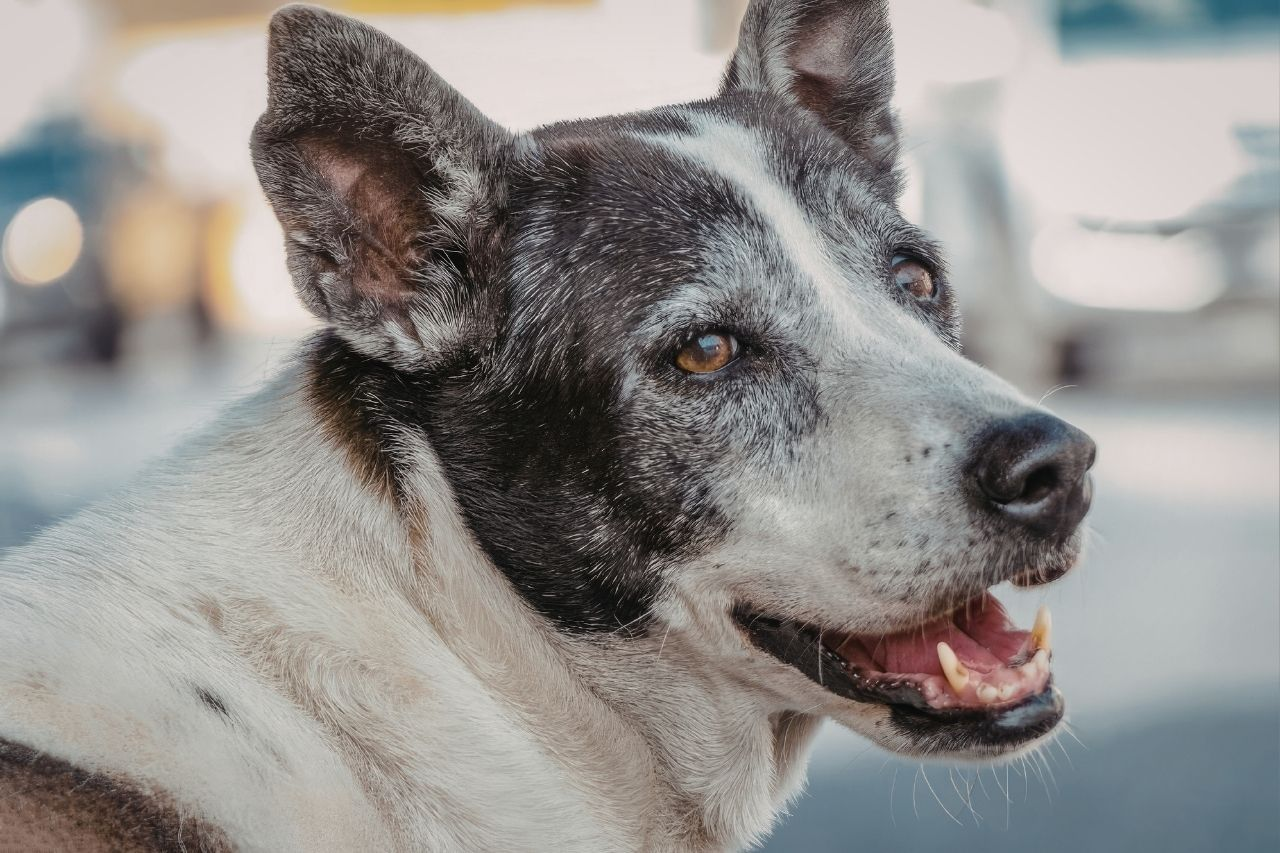
If there is one area of senior dog care that tends to fly under the radar, it is dental health. Many dog owners do not realise how common dental problems are in older dogs, or how much of an impact they can have on their dog's comfort and overall wellbeing. Plaque and tartar build up gradually over the years, and by the time a dog reaches their senior years, the effects can be significant.
The good news is that looking after your senior dog's teeth does not have to be complicated. A simple routine of dental treats, regular brushing (even a few times a week), and check-ups with your vet can make a real difference. This guide covers why dental health matters more as your dog ages, the signs to watch for, and the products that can help at home.
Why Dental Health Matters More in Senior Dogs
As dogs age, years of plaque and tartar build-up take their toll. But dental disease in older dogs is about more than just bad breath. Here is why it deserves your attention.
Pain they hide well
Dogs are experts at masking pain. A senior dog with a cracked tooth, infected gum, or loose tooth may still eat and act relatively normally, even though they are in significant discomfort. Changes in behaviour are often the only clue.
It can affect their whole body
Research suggests that bacteria from gum infections may enter the bloodstream and contribute to problems with the heart, kidneys, and liver over time. This is one of the reasons vets take dental health seriously, especially in older dogs.
It impacts eating and nutrition
Sore teeth and gums can make eating uncomfortable, which may lead to your dog eating less, losing weight, or not getting the nutrition they need. For senior dogs that already benefit from a carefully chosen diet, this is worth keeping an eye on.
Tooth loss becomes more likely
Over time, untreated gum disease can weaken the bone and tissue that hold teeth in place. This may eventually lead to loose teeth or tooth loss, making eating more difficult. A good dental routine helps slow this process down.
Prevention helps avoid bigger procedures
Professional dental cleanings typically require general anaesthetic, and your vet will always assess whether your dog is a good candidate based on their overall health. Staying on top of dental care at home can help reduce the likelihood of needing more involved procedures down the track.
Quality of life
A dog with a healthy mouth is a more comfortable, happier dog. Addressing dental issues can sometimes lead to a noticeable improvement in energy, appetite, and overall demeanour in senior dogs.
Signs of Dental Problems in Older Dogs
Because dogs hide pain so well, you need to know what to look for. These signs can indicate dental disease in your senior dog.
Bad breath
A persistent foul smell from your dog's mouth is one of the most common signs of dental disease. While dog breath is never minty fresh, a strong or worsening odour usually means bacteria and infection are present.
Difficulty eating or dropping food
If your dog is chewing on one side, eating more slowly, or dropping kibble, it could be because chewing is painful. Some dogs switch to swallowing food whole to avoid chewing altogether.
Red, swollen, or bleeding gums
Healthy gums should be pink and firm. Red, puffy, or bleeding gums are a sign of gingivitis or more advanced periodontal disease.
Pawing at the mouth or face
A dog that is rubbing their face on the carpet, pawing at their mouth, or shaking their head may be trying to relieve dental pain or discomfort.
Drooling more than usual
Excessive drooling, especially if the saliva is tinged with blood, can indicate a dental issue. Some dogs also develop a wet chin or staining around the mouth.
Reluctance to play or chew toys
A dog that used to love chewing but has lost interest may be avoiding it because it hurts. This is especially telling in dogs that were previously enthusiastic chewers.
If you notice any of these signs, book a check-up with your vet. Early intervention can prevent more serious problems down the track. For more on what to watch for as your dog ages, see our senior dog care guide.
Best Dental Treats for Senior Dogs
Dental treats are one of the simplest things you can add to your senior dog's routine. They are designed to help reduce plaque build-up as your dog chews, and most dogs love them. For older dogs, it is worth choosing softer options that are gentle on ageing teeth and gums. Greenies and Whimzees are two of the most popular dental treat brands in New Zealand. For more options, see our guide to dental treats for pets.
Best Toothbrushes and Toothpastes for Dogs
Brushing is one of the most effective things you can do for your dog's dental health at home. You do not need to do it every day to see benefits. Even two to three times a week can help. Always use a toothpaste made for dogs (human toothpaste is not safe for pets) and a soft-bristled brush or finger brush. For a step-by-step guide, see our blog on how to brush your dog's teeth. If your dog will not tolerate a brush, see our tips for dogs that hate brushing.
Nylabone dental kits include a toothbrush and flavoured toothpaste in one pack. Dogs Life dental finger wipes and silicone finger brushes are a gentle alternative for dogs that find a traditional brush stressful. TropiClean offers a full range of dental care kits, gels, and brushes.
Best Water Additives and Dental Powders
If your dog will not tolerate brushing at all, water additives and dental powders are a hands-off way to help reduce plaque and freshen breath. Simply add them to your dog's water bowl or food each day.
Oxyfresh water additive is tasteless and odourless, making it easy to use with fussy dogs. TropiClean Fresh Breath water additive is another popular choice. Troy ProDen PlaqueOff powder is sprinkled onto food and works from the inside out to reduce plaque and tartar build-up.
Building a Dental Care Routine for Your Senior Dog
The best approach combines several methods for maximum effect. Here is a simple routine that works for most senior dogs.
Daily
Add a water additive or dental powder to their water or food. This provides a baseline level of plaque control with zero effort from your dog.
2 to 3 times a week
Brush their teeth with a dog toothpaste and soft brush or finger brush. Even a quick 30-second session on the outer surfaces of the teeth helps significantly.
Daily or every other day
Give a dental treat like Greenies or Whimzees. The chewing action helps scrape plaque off the teeth and keeps your dog's gums stimulated.
Monthly
Do a quick visual check of your dog's teeth and gums. Look for redness, swelling, broken teeth, or a worsening smell. Lift their lips gently and check the back teeth where problems often start.
Every 6 to 12 months
Book a dental check with your vet. They can spot issues you might miss and advise on whether a professional clean is needed. For senior dogs, regular checks are especially important.
Ongoing
Feed a senior-appropriate diet that supports dental health. Some senior foods include kibble shapes designed to help clean teeth. See our guide to the best senior dog food in NZ.
Frequently Asked Questions
Is it too late to start dental care for my senior dog?
It is never too late to start. While existing damage may need your vet's attention, building a dental care routine at home can help slow things down and keep your dog more comfortable. Your vet can advise on the best approach based on your dog's current dental health.
Can dental disease in dogs be serious?
It can be. Left untreated, dental disease may lead to tooth loss, ongoing discomfort, and difficulty eating. Some research also links long-term gum infections to wider health issues. If you are concerned about your dog's teeth, your vet is the best person to assess the situation and recommend next steps.
How can I tell if my dog has a toothache?
Dogs rarely cry out from dental pain. Instead, watch for subtle signs like eating on one side, dropping food, pawing at the mouth, bad breath, drooling, or a reluctance to chew toys they used to enjoy.
Are dental treats enough on their own?
Dental treats are a helpful part of a dental care routine, but they work best when combined with brushing and water additives. Think of them as one piece of the puzzle rather than a complete solution.
Is it safe for senior dogs to have dental surgery?
Dental procedures typically require general anaesthetic, and your vet will always do a thorough health assessment before recommending any procedure for an older dog. Good dental care at home can help reduce the likelihood of needing more involved treatment. If you have concerns, chat with your vet about what is right for your dog.
What is the best dental treat for older dogs?
Greenies and Whimzees are both popular choices. For senior dogs with sensitive teeth, choose softer options and the appropriate size for your dog's breed. Avoid very hard chews that could crack ageing teeth.
Support Your Senior Dog's Dental Health
From dental treats and toothbrushes to water additives and senior food, find everything you need to keep your older dog's teeth and gums healthy. Save with Autodeliver and unlock exclusive offers with Pet Perks.
SHOP DOG DENTAL CARERelated Reading
How to Brush Your Dog's Teeth: Step-by-Step Dental Care
Dog Dental Care: How to Keep Teeth Clean Without Brushing
Dental Treats for Pets That Fight Plaque and Freshen Breath
Dental Diets for Dogs: Benefits, Signs to Switch and Transition Tips

Pet Dental Health Tips: Keep Your Dog's Teeth Healthy in NZ
Low-Impact Exercises for Senior Dogs: Easy Ways to Keep Older Dogs Active