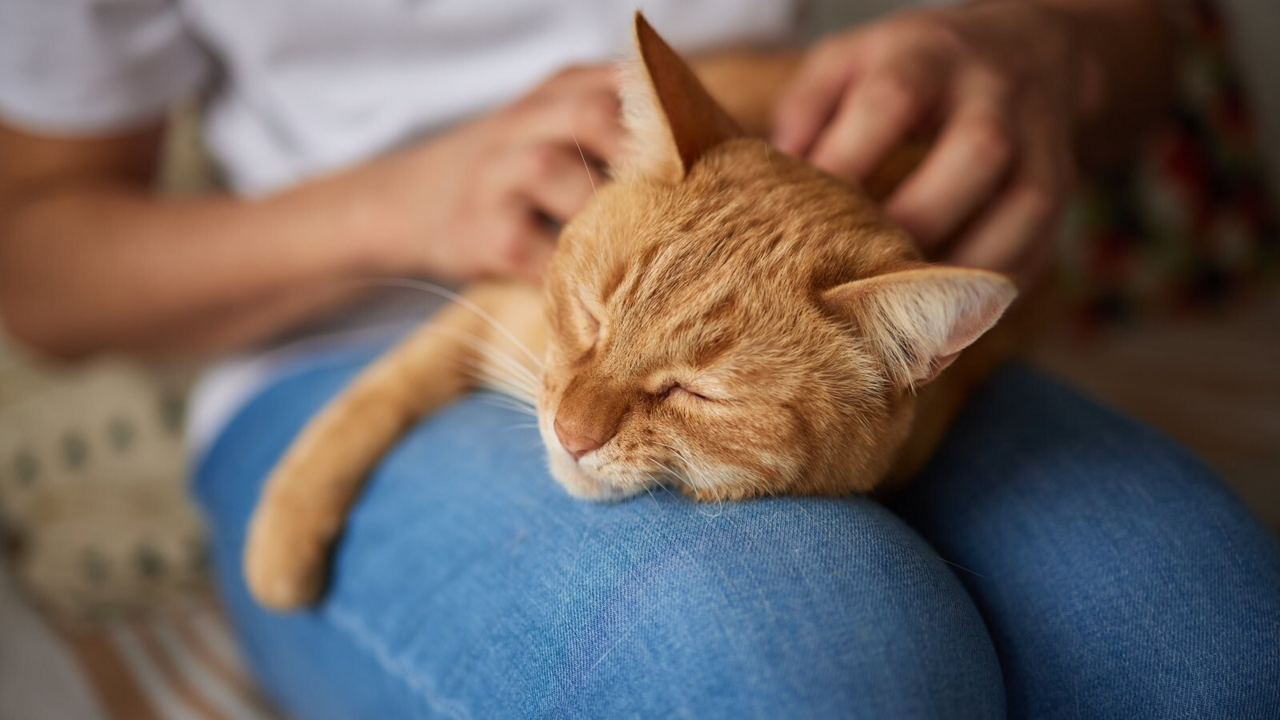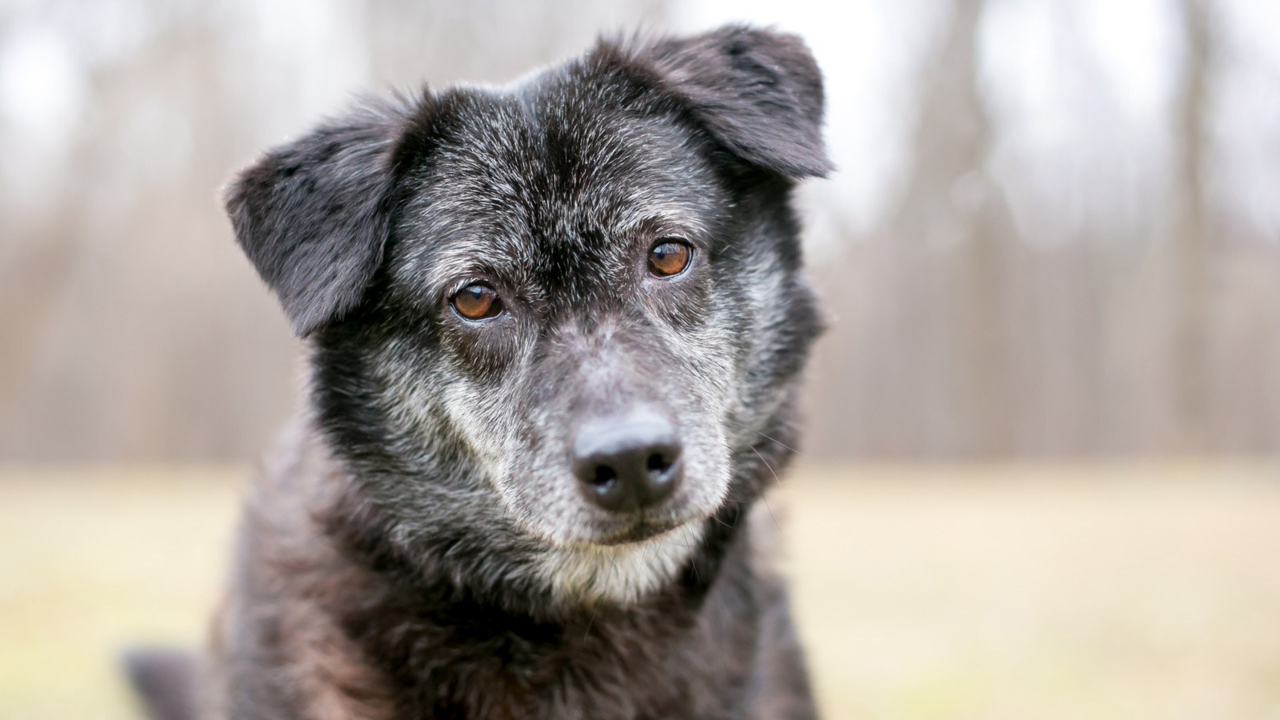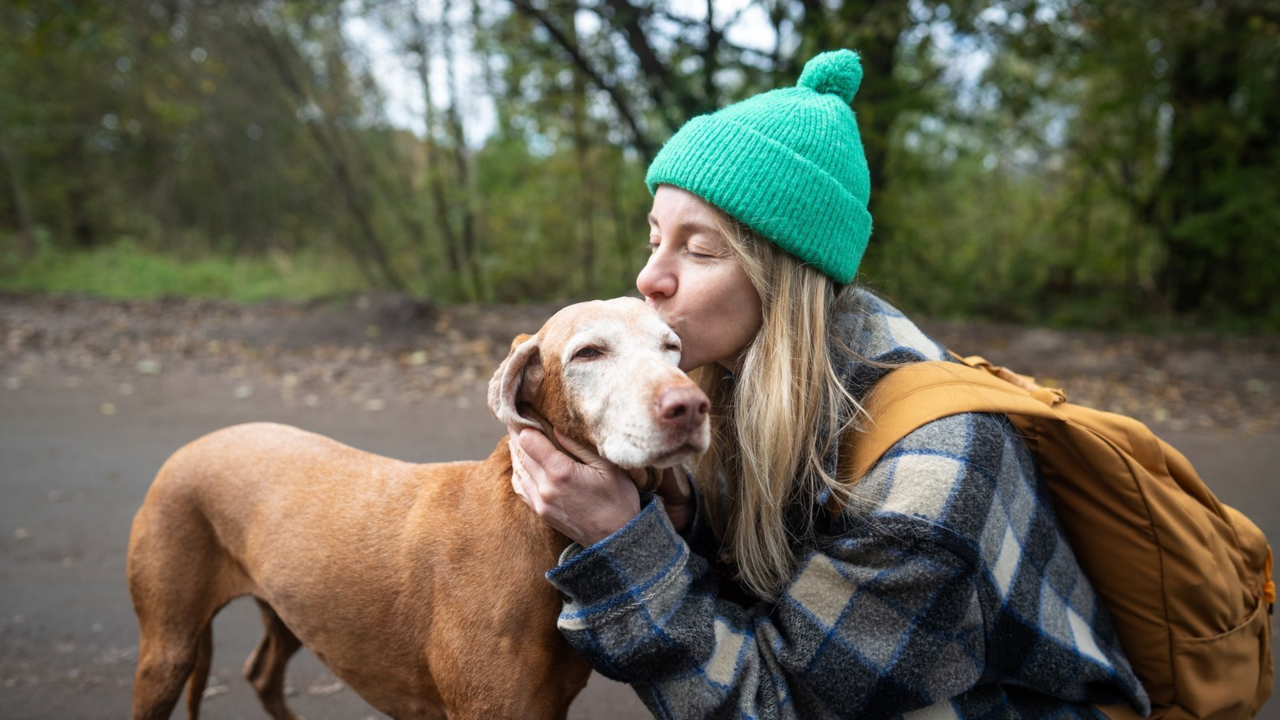
If your older dog has started pressing a little closer on the sofa, following you from room to room, or settling on your feet when they used to sprawl across the floor, you are not imagining it. Plenty of dogs become noticeably more affectionate as they move into their senior years. The zoomies and the long adventures might ease off, but the quiet companionship often grows, and that closeness is one of the real joys of sharing life with an older dog.
This guide looks at why cuddle time tends to go up with age, how to make those moments as comfortable as possible, and the small signs that tell you when a change in clinginess is worth a gentle second look.
Quick answer
Many dogs get more cuddly as they age. Slower bodies, softer senses and a deeper bond all draw them closer to the people and places that feel safe. A gradual rise in affection is a lovely, normal part of getting older. A sudden, marked change in how clingy your dog is, especially with restlessness, pacing or signs of discomfort, is worth a quiet check with your clinic.
When is a dog considered senior?
There is no single birthday for it, and size makes a big difference. Smaller dogs tend to reach their senior years later, larger dogs earlier. As a rough guide, small breeds are generally considered senior from around 8 years, medium breeds from 7 years, large breeds from 6 years, and giant breeds from as early as 5 years. If you are not sure where your dog sits, our guide to when a dog is considered senior can help you place them.
Why cuddle time goes up with age
A senior dog's growing love of a good cuddle comes from lots of small changes happening together. None of them are worrying on their own, and most are simply a sign that your dog leans on you a little more for comfort and warmth.
The body slows down
Less energy for long play and big adventures means more time spent resting, and resting beside you is far nicer than resting alone. Quiet closeness becomes their favourite way to spend the day.
Senses soften
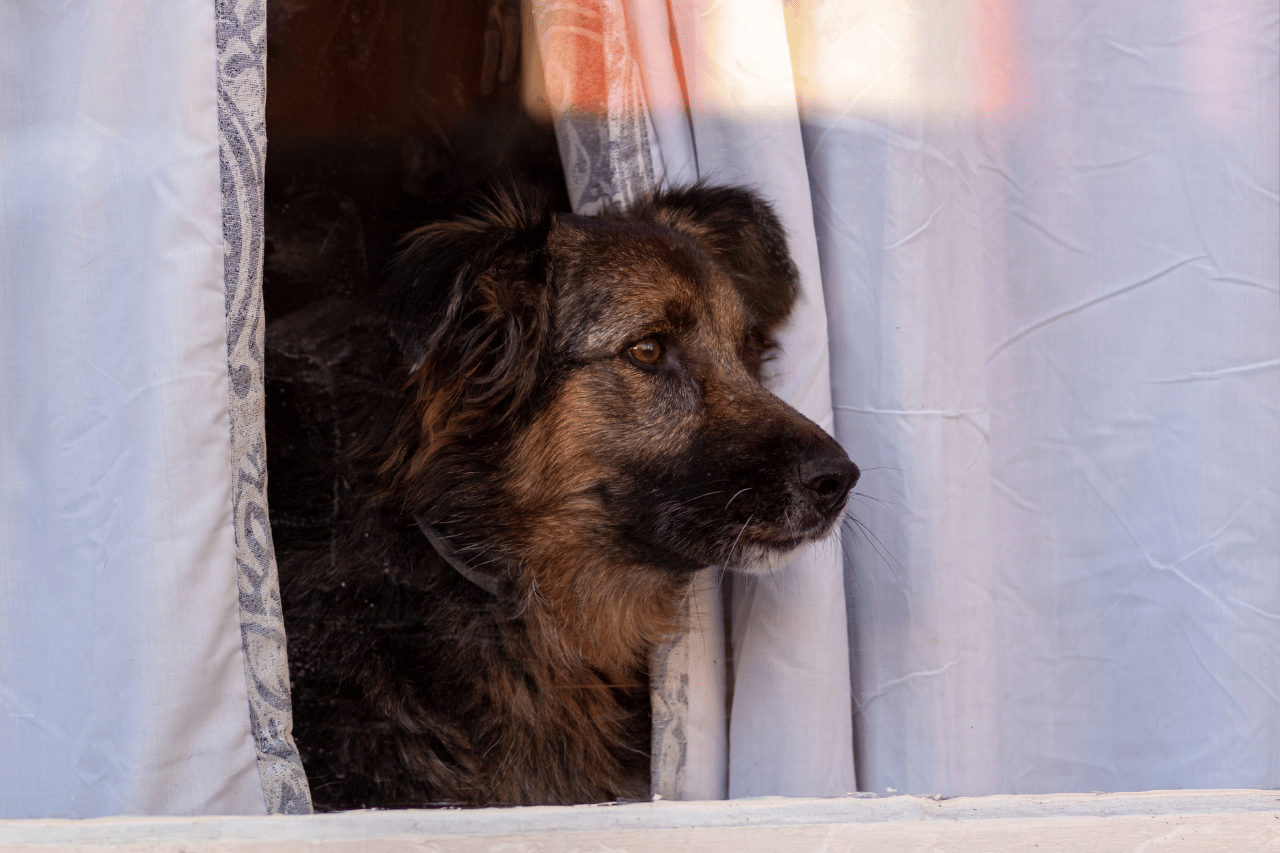
As hearing and eyesight fade, staying near you offers reassurance. Your scent, your voice and your touch help an older dog feel grounded when the wider world gets a little harder to read.
Warmth feels good
Older dogs hold heat less easily and often seek out warm spots, and there is no warmer spot than a lap or a person on the sofa. A cosy bed and a soft blanket give them the same comfort when you are not there.
A deeper bond
Years of routine and trust build into a strong attachment. Many senior dogs simply want to be where their person is, and that steady, settled companionship is one of the best parts of the senior years.
Cosy spots that invite a cuddle
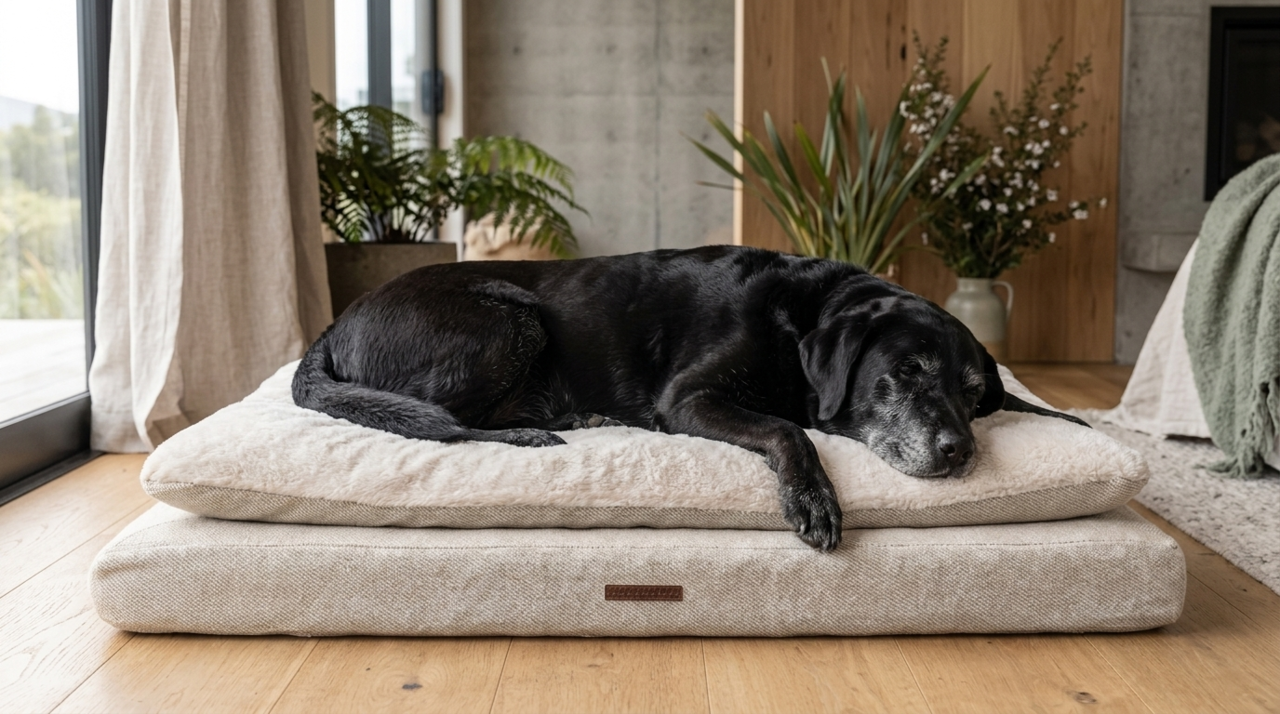
The easiest way to make the most of cuddle time is to set up comfortable places where your dog can settle close to you. A supportive bed near your usual spot lets a stiff older body rest without strain, and a soft blanket holds warmth for the times they curl up on their own.
Gentle rituals that build the bond
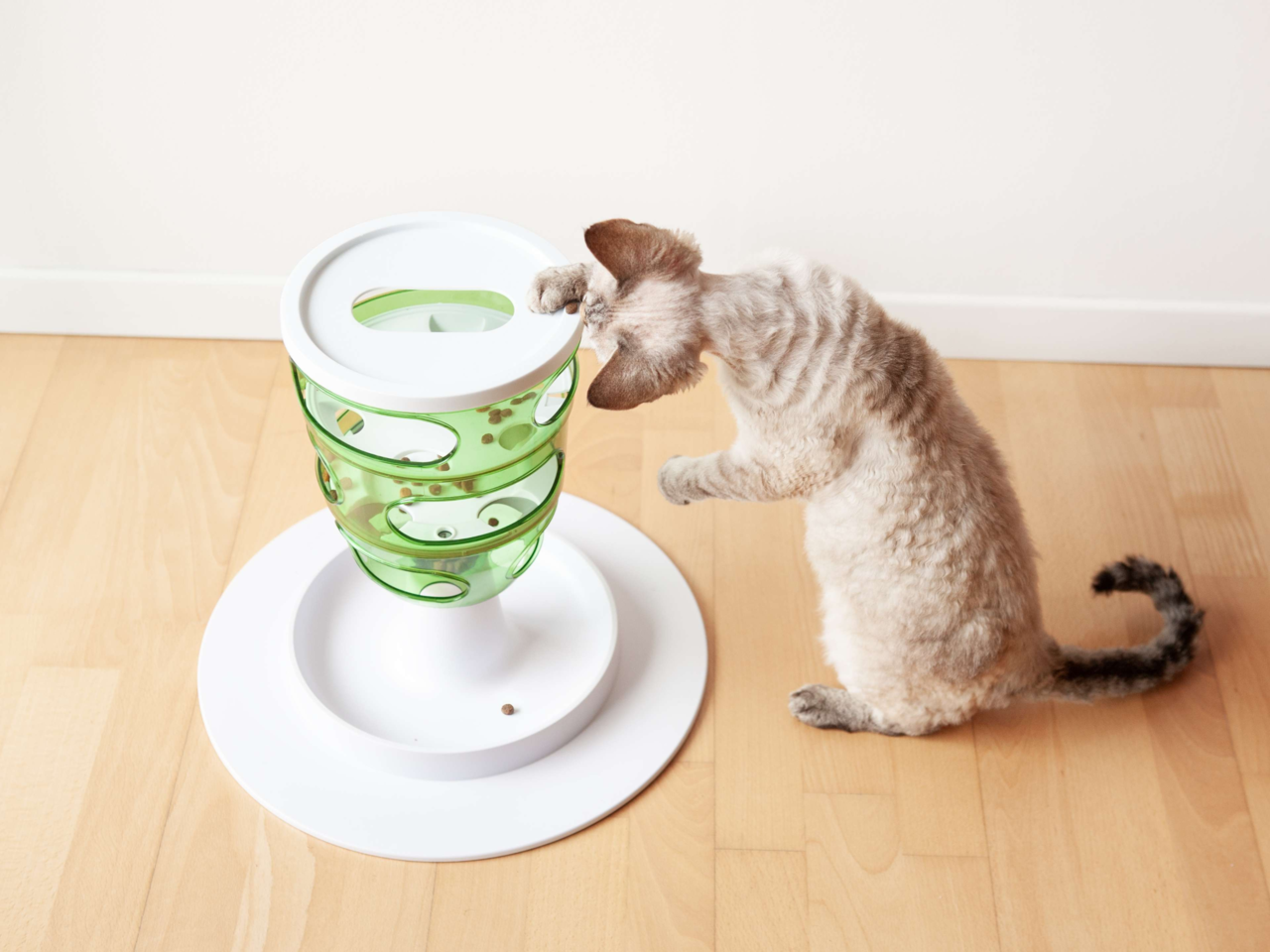
Cuddle time does not have to mean sitting still. Calm, hands-on moments like a slow grooming session or a shared lick mat give an older dog the closeness they crave while keeping their mind gently busy. A soft, low-value treat passed by hand turns a quiet moment into a small, happy ritual.
Comfortable enough to settle
A dog that is sore or unsettled finds it harder to relax into a proper cuddle. Steady joint support helps keep older dogs comfortable enough to lie down, stretch out and stay a while, and a calming aid can take the edge off for dogs that struggle to fully switch off.
Steady nutrition for steady comfort
Feeling good from the inside out makes a real difference to how settled an older dog is. Senior-specific food is formulated to be easy to eat and easy to digest, with adjusted energy and joint support built in, and a senior supplement can round things out. You can save on the essentials you reorder with Autodeliver so they never run short.
What is normal, and what is worth watching
A gradual rise in affection over months is a happy, normal part of ageing. It is the sudden shifts, or the clinginess that comes with other changes, that are worth a closer look. Always weigh this against what is usual for your own dog.
| You might notice | Usually normal | Worth watching |
|---|---|---|
| More closeness | A gentle, gradual wish to rest near you and share the sofa more often | A sudden, intense need to be glued to you that appears almost overnight |
| Following you | Trailing you calmly from room to room and settling once you stop | Pacing, circling or unable to settle even when you are right beside them |
| Seeking comfort | Choosing warm laps and soft beds, especially in cooler weather | Seeking contact alongside trembling, whining or flinching when touched |
| Night-time | Wanting to sleep closer to you than they used to | New night-time restlessness, confusion or waking and seeking you repeatedly |
When more clinginess is worth a check
A slow, steady increase in affection is lovely and rarely a concern. A sharper change can sometimes be a sign of discomfort, anxiety or the early stages of cognitive change, so it is worth a quiet word with your clinic if you notice any of the following, especially more than one together:
- Clinginess that appears suddenly rather than building over months
- Restlessness, pacing or an inability to settle even right beside you
- Flinching, whining or trembling when seeking contact or being touched
- New confusion, night-time waking or seeming lost in familiar rooms
- Affection paired with appetite changes, low energy or toileting changes
Making cuddle time easy for both of you
A few small habits keep these moments comfortable and help you notice if anything shifts.
Bring the bed to you
Place a supportive bed near where you sit so your dog can be close without having to choose between comfort and company.
Keep handling gentle
Older joints can be tender. Let your dog choose how they lean in, and keep strokes slow and light over sore areas.
Mind the lifting
If your dog can no longer hop up for a cuddle, a low step or a gentle, supported lift saves the strain of jumping.
Watch the pattern
A gradual rise in affection is normal. A sudden change, or one paired with other signs, is the thing to act on.
Frequently Asked Questions
Why is my older dog suddenly so cuddly?
A gradual increase in affection is very common with age. Slower bodies, fading senses and a deep bond all draw older dogs closer to the warmth and reassurance of their people. If the change is gentle and builds over time, it is usually just a lovely part of the senior years.
Is increased clinginess in a senior dog ever a worry?
It can be if it appears suddenly or comes with other changes. Restlessness, pacing, trembling, confusion or seeking contact alongside appetite or energy changes are worth a quiet check with your clinic, as they can point to discomfort, anxiety or cognitive change rather than simple affection.
How can I make cuddle time comfortable for a stiff older dog?
Bring a supportive bed close to where you sit, keep handling slow and gentle over tender joints, and let your dog choose how they lean in. Steady joint support and a warm, soft spot help an older body relax enough to settle and stay a while.
Should I let my senior dog sleep on the bed or sofa with me?
That is entirely your call. Many older dogs love sleeping close, and there is no harm in it if everyone is comfortable. If jumping up is becoming hard on their joints, a low step or a supportive bed of their own placed right beside you offers the same closeness with less strain.
Does more cuddling mean my dog is unwell?
Not on its own. Plenty of perfectly healthy dogs become more affectionate as they age. It is the combination that matters, so watch for clinginess paired with pain signs, confusion or changes in eating, drinking or energy, and check in with your clinic if those show up.
Keep your senior dog cosy and comfortable
Stock up on supportive beds, calming aids and senior nutrition, and save on the essentials you reorder with Autodeliver (up to 25% off your first order and 15% ongoing). Members also get everyday savings with Pet Perks.
SHOP SENIOR DOG ESSENTIALS