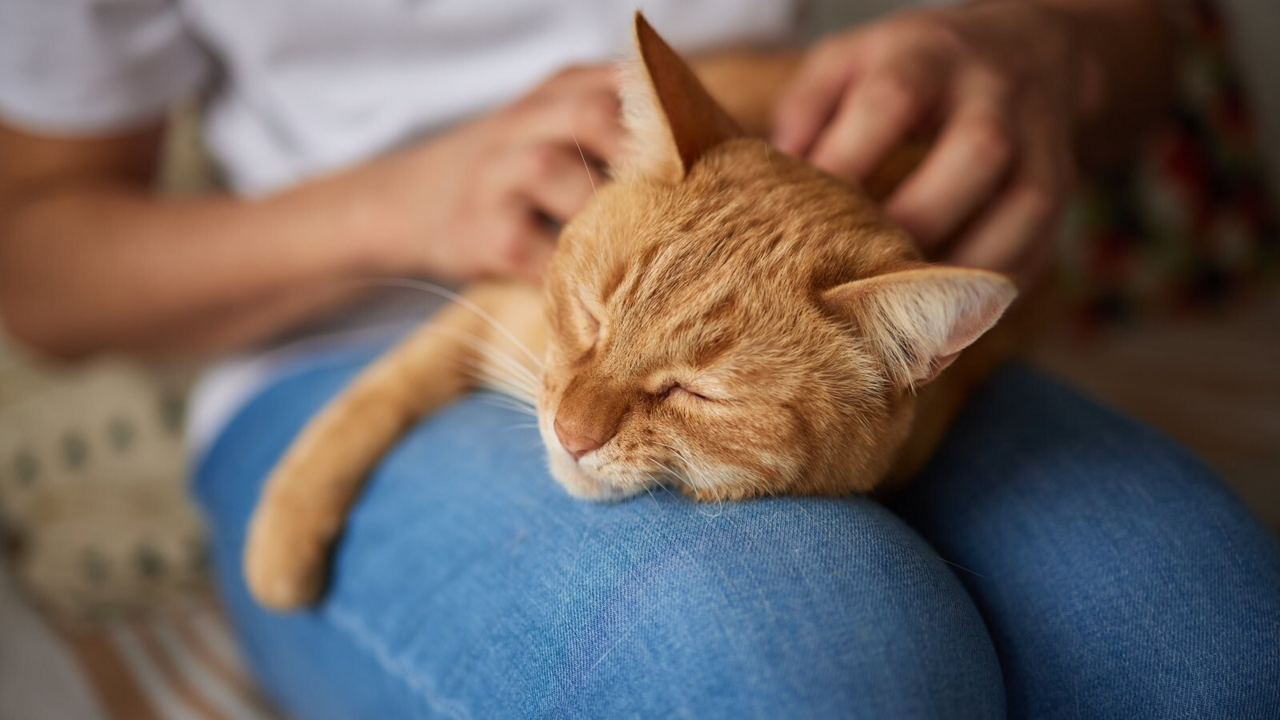
If your older cat has started following you from room to room, claiming your lap more often, or curling up against you at night, you are not imagining it. Many cats grow noticeably more attached to their people as they age. The aloof teenager who wanted little to do with you can soften into a devoted companion who wants to be close whenever they can.
This is one of the quiet joys of sharing your life with a senior cat. Understanding why it happens helps you lean into it, make the most of that closeness, and notice the difference between contented companionship and a change that might be worth a closer look.
Quick answer
Cats are generally considered senior from around 7 years of age, and many become more bonded to their people as they get older. With age they often lean on the security, warmth and routine their humans provide, while a calmer energy and a stronger preference for the familiar draws them closer to you. Leaning into gentle daily rituals, warm shared spaces and steady routines deepens that bond even further.
Why the bond often grows with age
There is no single reason older cats become more affectionate. It is usually a mix of changing needs and a settled, more secure outlook that brings them closer to the people they trust.
They lean on your security
As cats age they tend to value safety and predictability more. You are the source of food, warmth and reassurance, so staying close to you simply feels good.
A calmer, settled energy
The restless drive of the younger years eases off. With less urge to roam and hunt, an older cat has more time and inclination for quiet companionship.
Seeking warmth and comfort
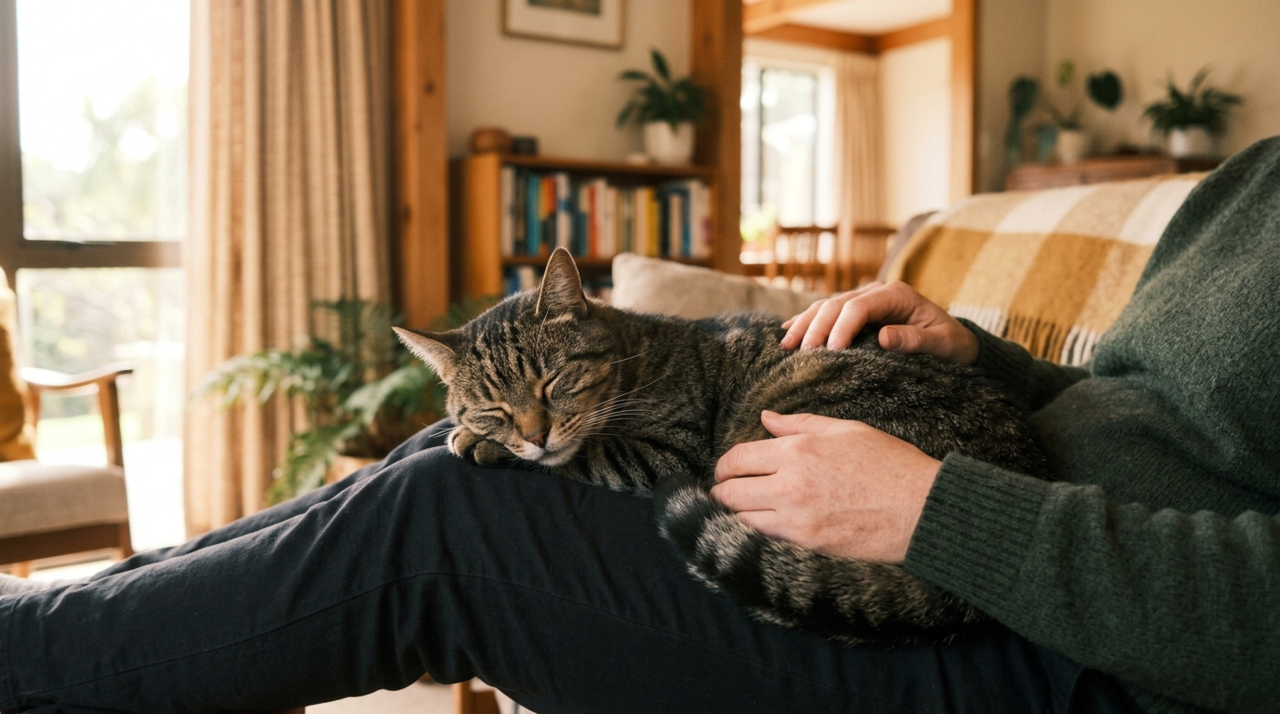
Senior cats feel the cold more and lose body heat faster. Your lap, your bed and the spot beside you are warm, soft and safe, which makes you a favourite resting place.
Comfort in the familiar
As senses soften with age, familiar people and routines feel especially reassuring. Sticking close to you helps an older cat feel grounded and calm.
How to make the most of the closeness
A more affectionate senior cat gives you a lovely chance to deepen the bond. Small, gentle rituals matter far more than grand gestures, and they suit an older cat's slower pace beautifully.
Keep a steady routine
Meals, fuss and quiet time at predictable points in the day give an older cat a reassuring shape to lean on, which strengthens their trust in you.
Let them set the pace
Offer your lap and your company, but let your cat choose when to take it. Honouring their cues is one of the surest ways to build trust with an older cat.
Make gentle grooming a ritual
A soft brush or a slow stroke session feels good on stiffening joints and becomes a shared moment of calm that many senior cats come to look forward to.
Share warm, quiet spaces
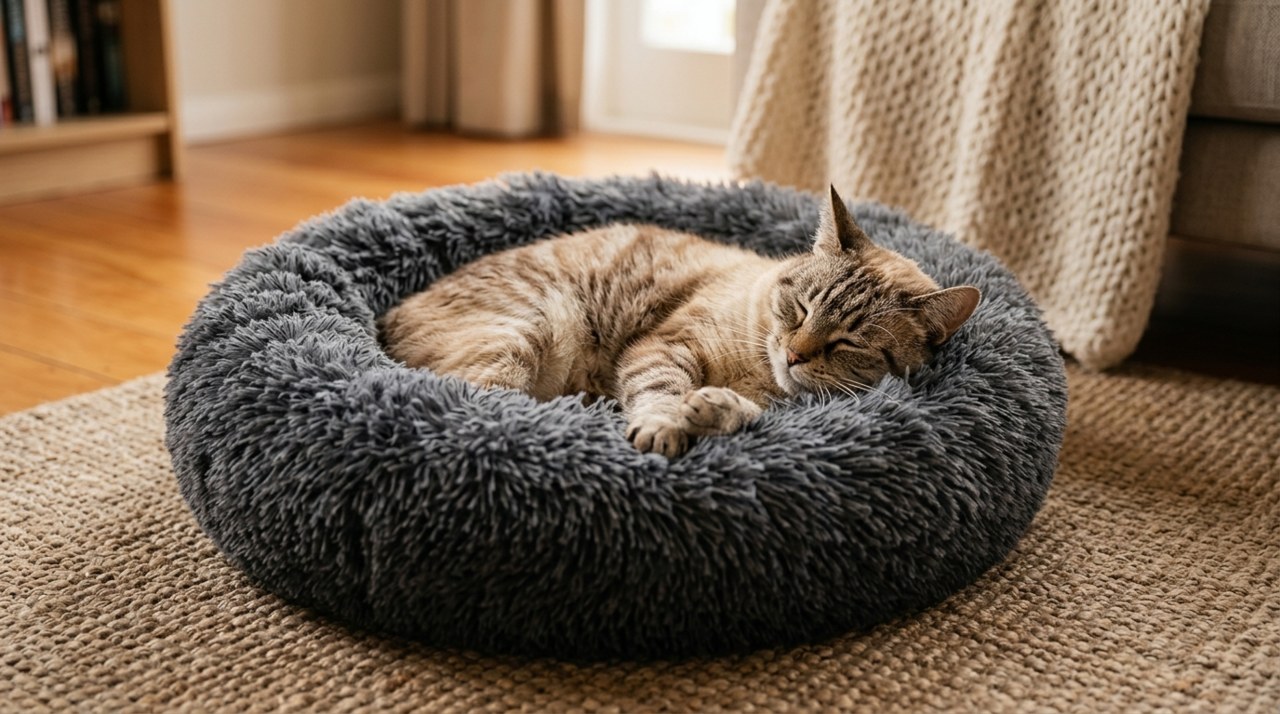
Set up a cosy bed near where you sit so your cat can be close without having to compete for the warmest spot. Togetherness on their terms.
Warm, calm spaces to be near you
Older cats want to be close, and they want to be warm. A cosy bed placed near your favourite spot lets your cat settle beside you in comfort, while a soft calming blanket and a steady background diffuser help a more attached senior feel secure and relaxed.
Gentle shared rituals
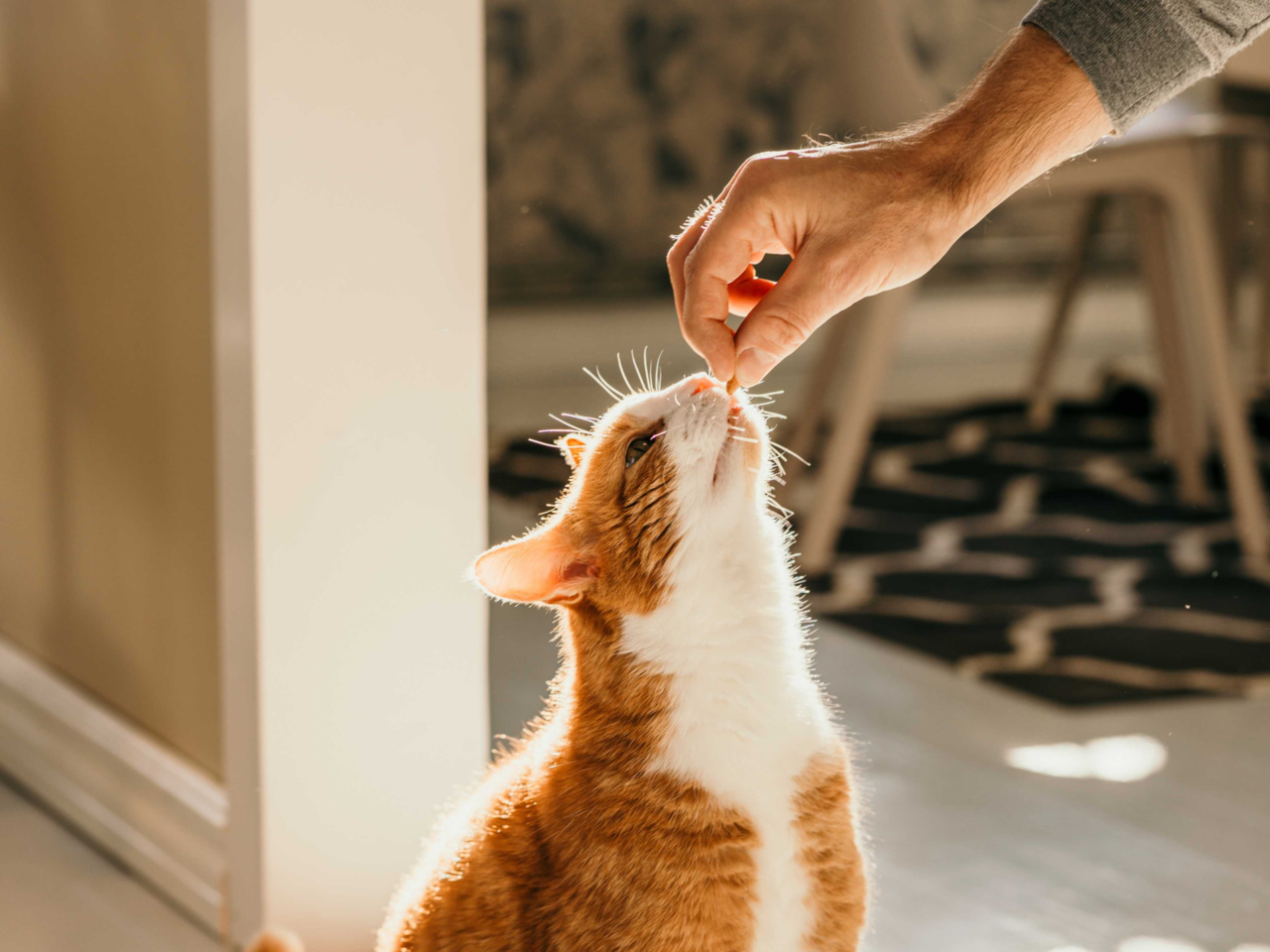
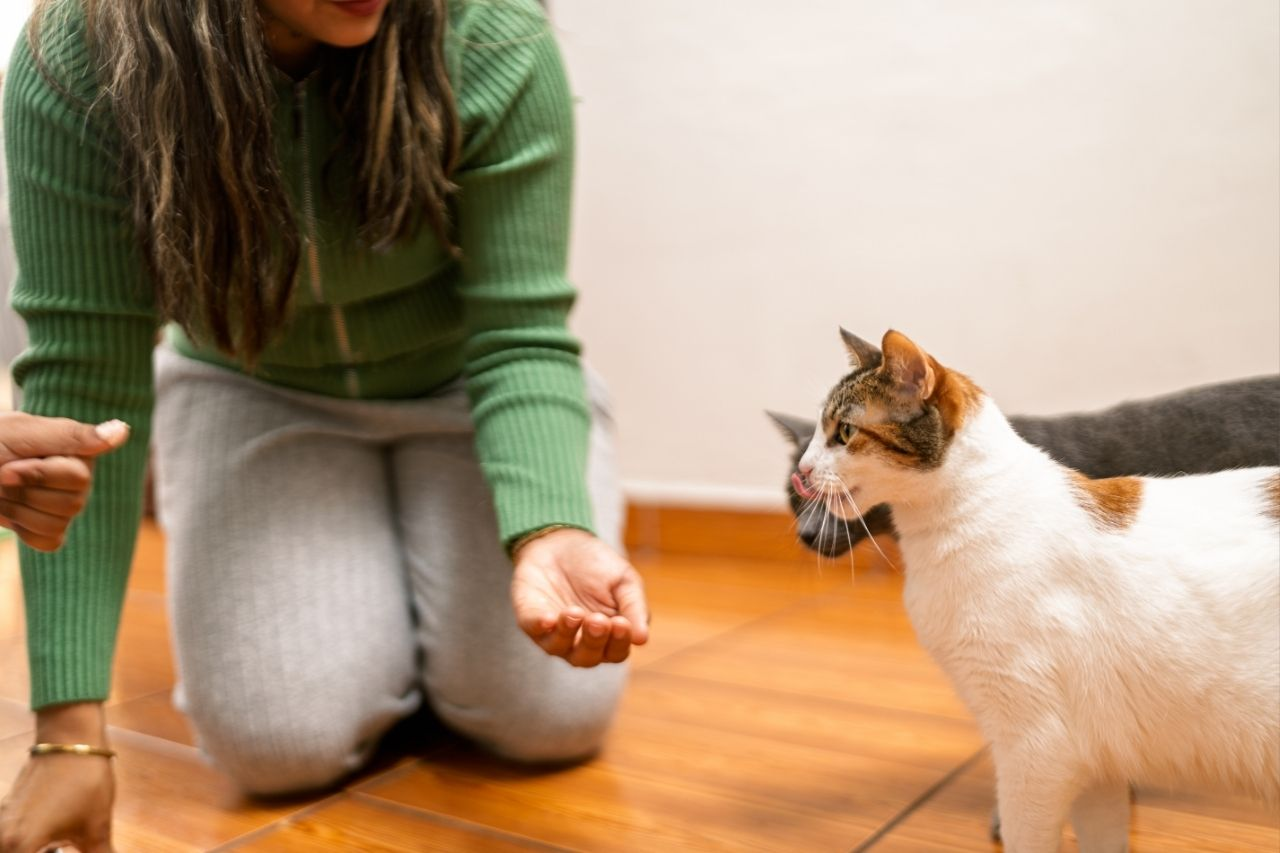
Some of the best bonding happens over small daily moments. A lick mat you fill together gives a calm, focused activity to share, while an aromatic meal topper or a little treat from your hand turns mealtime into a moment of connection your cat associates with you.
Comfortable enough to settle
A cat that feels good in their body is far more likely to relax into your company. Keeping stiff joints supported and meals tailored to their stage helps an older cat stay comfortable enough to enjoy long, contented spells curled up beside you.
When extra clinginess is worth a closer look
A growing bond is usually a happy, normal part of ageing. Now and then, though, a sudden change in how much your cat wants to be near you can be their way of telling you something feels off. It is worth a gentle word with your vet if the new neediness comes alongside:
- Loud calling, restlessness or seeming lost, especially at night, which we cover in our guides to senior cats yowling at night and cognitive decline in senior cats
- Hiding or seeking heat far more than usual, or a clear shift in eating, drinking or grooming
- Signs they may be sore, unsettled or simply not themselves, covered in signs your senior cat needs extra support
Frequently Asked Questions
At what age is a cat considered senior?
Cats are generally considered senior from around 7 years of age. The change is gradual rather than overnight, so you will usually notice their habits, energy and need for closeness shift slowly over time.
Why has my older cat suddenly become so affectionate?
It is very common. As cats age they often value the security, warmth and routine you provide, and their calmer energy leaves more room for companionship. A gradual increase in cuddliness is usually just a lovely part of getting older together.
Is increased clinginess ever a concern?
Usually not, but a sudden change can sometimes signal that something feels off, such as discomfort, anxiety or age-related changes. If the new neediness comes with restlessness, night-time calling, confusion, or changes in eating or drinking, it is worth a chat with your vet.
How can I strengthen the bond with my senior cat?
Keep a steady daily routine, let your cat choose when to be close, make gentle grooming and quiet fuss a regular ritual, and set up warm, cosy spots near where you spend time. Small, predictable moments of connection mean the most.
Should I let my older cat sleep on my bed?
If it suits your household, sharing warm space is a natural part of the bond and many older cats love it. If you would rather they did not, a warm, padded bed placed right beside you offers the closeness and warmth they are seeking.