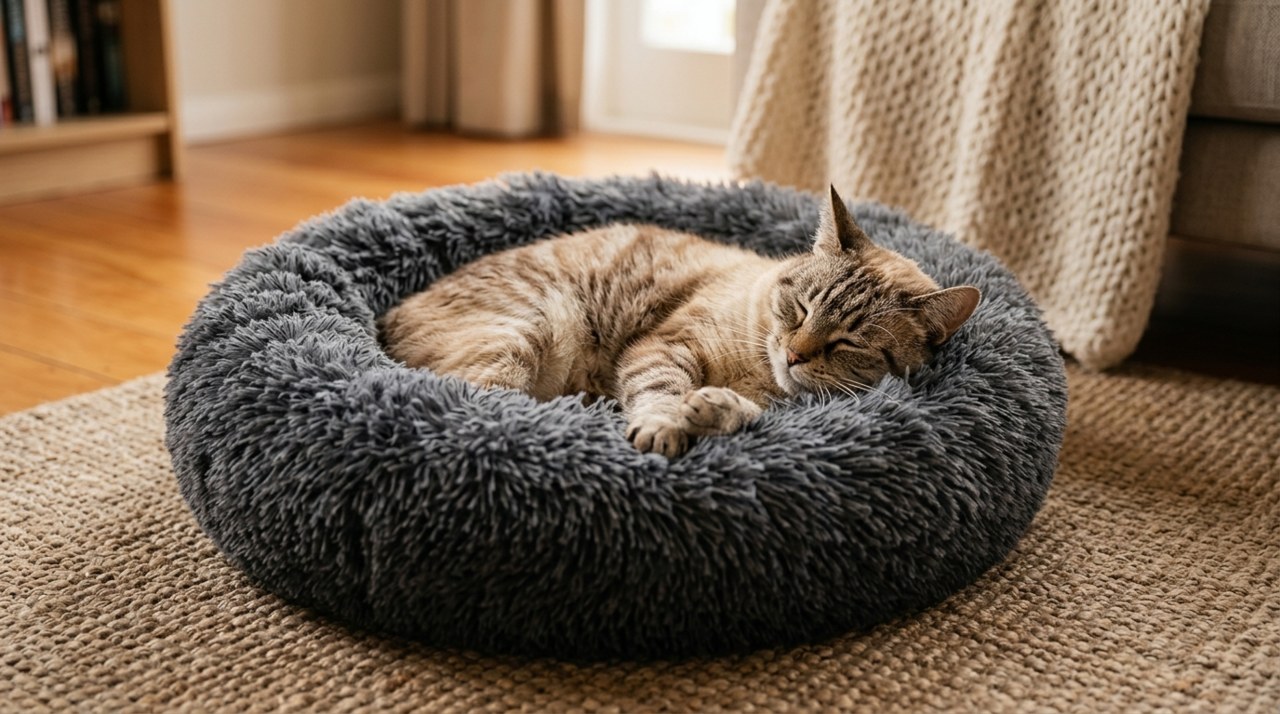
Cats sleep a lot. Older cats sleep more. That's the headline. But somewhere between "lazy old cat being a cat" and "she's hardly moved in two days" sits the question that brings most NZ owners to Google: how much sleep is normal for a senior cat, and when is it worth looking at more closely?
Here's a friendly guide to senior cat sleep, what's normal, what's typical for the older years, and the kind of sleep changes that are usually pointing at something else. We're not a clinic, so anything new or unusual that comes with changes to eating, drinking, toileting or how your cat moves is worth a chat with your clinic.
Quick answer
Most cats sleep 12 to 16 hours a day. Senior cats (around 11+) often sleep more, sometimes 16 to 20 hours, with the most awake periods at dawn and dusk. That's normal. What's worth a closer look isn't the total hours but how they're sleeping, restlessness, sleeping in unusual places, sleeping through meals, very deep sleep that's hard to rouse them from, or sleep changes that come alongside shifts in eating, drinking, toileting or movement. If something else has shifted, it's worth getting checked.
How Much Cats Actually Sleep
Adult cat (3-10 yrs)
Hours per 24-hour day, on average. Often in many short sessions rather than one long sleep.
Senior cat (11+ yrs)
Hours per day is typical. Some super-senior cats edge higher than this and that can still be in normal range.
Light sleep
Of feline sleep is the light catnap kind. Senior cats spend more time in deep sleep and less time darting awake at every sound.
Cats are crepuscular: most active at dawn and dusk, sleepy in the middle of the day and through most of the night (with the famous 4am exception). For senior cats, those active windows often shrink, dawn and dusk play might be shorter, and the daytime nap stretches longer.
Why Senior Cats Sleep More
Lower energy reserves
Older cats have less muscle mass and run on a slower metabolism. Sleeping more is partly just energy conservation.
Joint stiffness
Most cats over 11 have some joint change. If it's uncomfortable to be up and moving, lying still and napping wins.
Vision and hearing decline
A cat who can't see or hear as well as they used to is more cautious about being active in open spaces, so they spend more time settled.
Cooler weather
Through a NZ winter, older cats lose heat faster and naturally curl up for longer in warm spots. More sleep, but warmer sleep.
Quieter household role
Younger cats hunt, patrol the section, and watch the world. Senior cats often shift into a quieter role, fewer adventures, longer naps.
Cognitive change
Some senior cats start sleeping at unusual times because their internal day-night rhythm shifts. Long days followed by restless nights can be a sign worth raising with your clinic.
What's Normal vs Worth a Closer Look
Probably normal
- 16-20 hours of sleep across the day, in many short sessions
- Sleeping more in winter and cooler months
- Choosing warm sunny spots and covered beds over the cold floor
- Quieter and slower than they were as a young cat
- Deeper sleep than they used to have, but easy to rouse for meals
- Active windows around dawn and dusk, even if shorter than they were
- Same sleeping spots, with maybe one or two new warmer ones
Worth a closer look
- Sleeping straight through meals and skipping food
- Very deep sleep where they're slow to wake even when food appears
- Restless sleep, twitching, vocalising or repositioning constantly
- Sleeping in unusual places (cold corners, hard floors, under beds)
- Suddenly sleeping much more than usual with no warmer weather to explain it
- Sleep flipped: awake all night, sleeping all day
- Sleep change alongside weight loss, drinking changes or toileting changes
- Hiding for long stretches rather than visible napping
If anything in the right column applies, that's worth raising with your clinic. The total hours aren't usually the issue, it's whether sleep has changed shape alongside other shifts.
What Good Senior Cat Sleep Looks Like
Quality matters as much as quantity. A senior cat sleeping 18 hours in deep, comfortable, warm sessions is doing better than one sleeping 16 hours but constantly shifting and unsettled.
Settled position
Curled up tight or stretched out, not constantly shifting. Older cats often sleep in tighter curls than they did as adults to stay warm.
Easy waking
Eyes open and head lifts when the food bag rustles, even from deep sleep. Slow waking that takes minutes to clear is worth noting.
Warm spot
On a soft, raised surface in a draft-free part of the house. Cold floors and drafty corners make for restless sleep.
Predictable spots
A few favourite places they rotate between, rather than disappearing to new hiding spots every day.
How to Help Your Senior Cat Sleep Well
Most senior cats sleep better with a small set of changes, none of which require buying lots of new things.
A warm covered bed
Cave-style or covered beds hold warmth around the body and feel safer. The single biggest change you can make for most older cats.
Two beds, in two zones
One in the room you spend the most time in, one in a quieter retreat. Senior cats don't want to choose between staying near you and lying somewhere warm.
Off the cold floor
Even a low platform or layered blanket lifts the bed enough to make a real difference through winter.
Joint support if stiffness is showing
Discomfort affects sleep. A daily joint supplement, given consistently for at least 4 to 6 weeks, can quietly improve how they settle.
Calm household routine
Predictable meal times and household rhythm help older cats settle. Big disruptions can show up first in disturbed sleep.
A pheromone diffuser if anxious
For cats whose sleep has become more restless without an obvious physical reason, a calming diffuser in the main living area is a quiet, steady support.
Beds that work well for senior cats
Joint and calm support
Sleep Changes Worth Raising With Your Clinic
- Sudden, marked increase in sleep with no obvious change in weather or routine
- Sleeping through meals or going off food
- Awake at night and sleeping all day (day-night flip)
- Restless sleep with vocalising, twitching or repositioning constantly
- Very deep sleep that's slow to wake from
- Sleep changes alongside weight loss, drinking changes or toileting changes
- Sleeping in cold or hard places they used to avoid
Most of those have explanations that are worth understanding rather than assuming, and your clinic can help work through what's most likely. Our blog Feline Cognitive Dysfunction covers the cognitive side, and Why Is Your Senior Cat Yowling at Night? covers the night-time piece.
Frequently Asked Questions
How many hours should a 15-year-old cat sleep?
Roughly 16 to 20 hours across a 24-hour day is in normal range for a 15-year-old. Some super-senior cats edge a bit higher. The total isn't usually the worry, what matters is whether sleep is settled, easy to wake from, and not coming with other changes.
Is it normal for my senior cat to sleep all day?
Yes, mostly. Senior cats often have one or two short active windows (often around dawn and dusk) and sleep through most of the rest. As long as they're eating, drinking, using the tray normally and rouse easily for meals, it's usually fine.
Why does my senior cat sleep more in winter?
Older cats lose heat faster and prefer to stay curled up in warm spots when the weather cools. Less time outside, less hunting and patrolling, and shorter daylight hours all add up. As long as they're still alert during their normal active windows, it's a normal seasonal shift. See Cold Weather and Senior Cats for the full picture.
How can I tell if my cat is sleeping or hiding?
Sleeping cats curl up, breathe steadily, and wake easily for food or interaction. Hiding cats often pick more enclosed spots, may not come out for meals, and seem more on-edge when found. Our guide to hiding behaviour goes deeper.
What if my senior cat is restless at night?
Some night-time activity is normal for cats, who are crepuscular by nature. But restless or vocal nights in a senior cat often have a reason: cognitive change, joint discomfort, hunger if meal times have shifted, or an underlying health issue worth checking. The blog Why Is Your Senior Cat Yowling at Night? covers it.
Should I wake a sleeping senior cat for meals?
Generally yes, especially if you're feeding wet food and want to keep meals on a steady schedule. Older cats who sleep through meals can quietly lose weight or get dehydrated, so a gentle "food's up" wake-up is fine.
Can a too-comfortable bed actually be a problem?
No, a comfortable bed is part of good senior cat care. The thing to watch for isn't a cat who sleeps deeply in a great bed, it's a cat who's stopped doing other things they used to enjoy because they're not feeling well, and the bed is just where you find them.
What's the easiest single change to improve my senior cat's sleep?
For most older cats, a covered cave-style bed in the warmest part of the house, well away from drafts, makes the biggest single-change difference.
Beds and Senior Cat Support
Find covered cave beds, calming blankets, joint supplements and the rest of the senior cat winter range in one place. Save with Autodeliver on supplements and food, and enjoy everyday member pricing as part of Pet Perks.
SHOP THE WINTER HUBRelated Reading
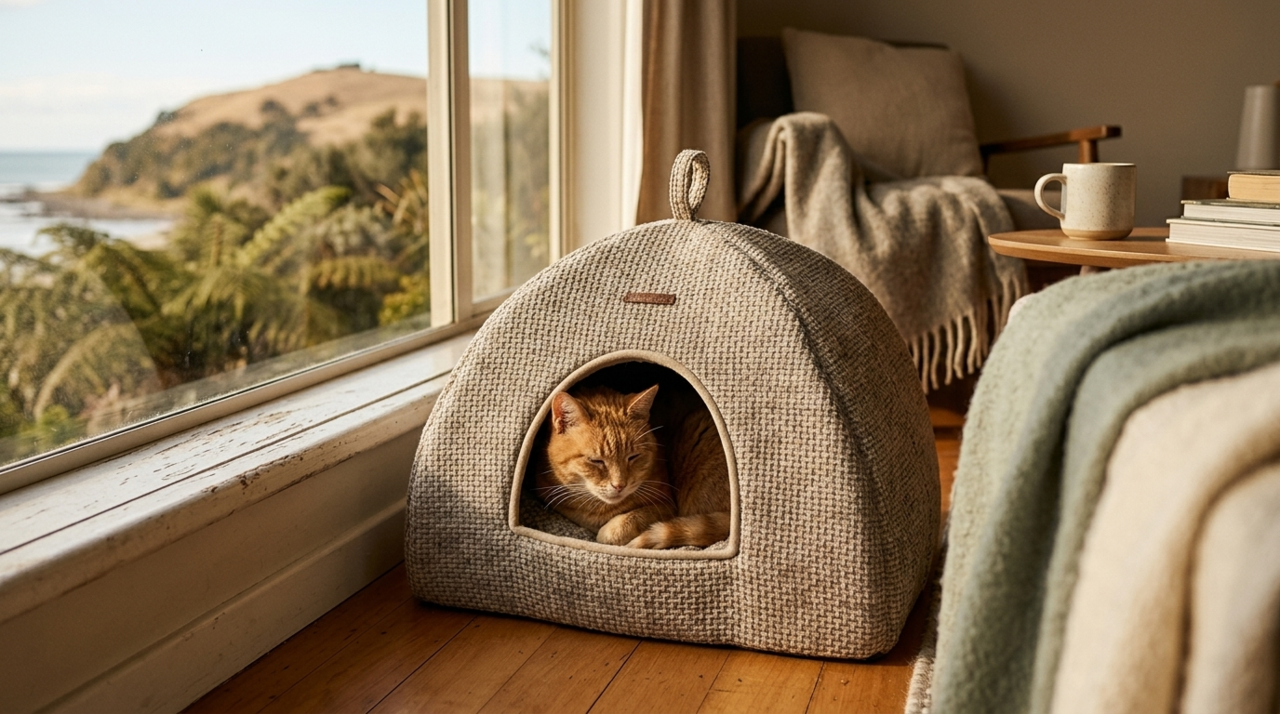
Creating a Winter-Proof Home for Your Senior Cat
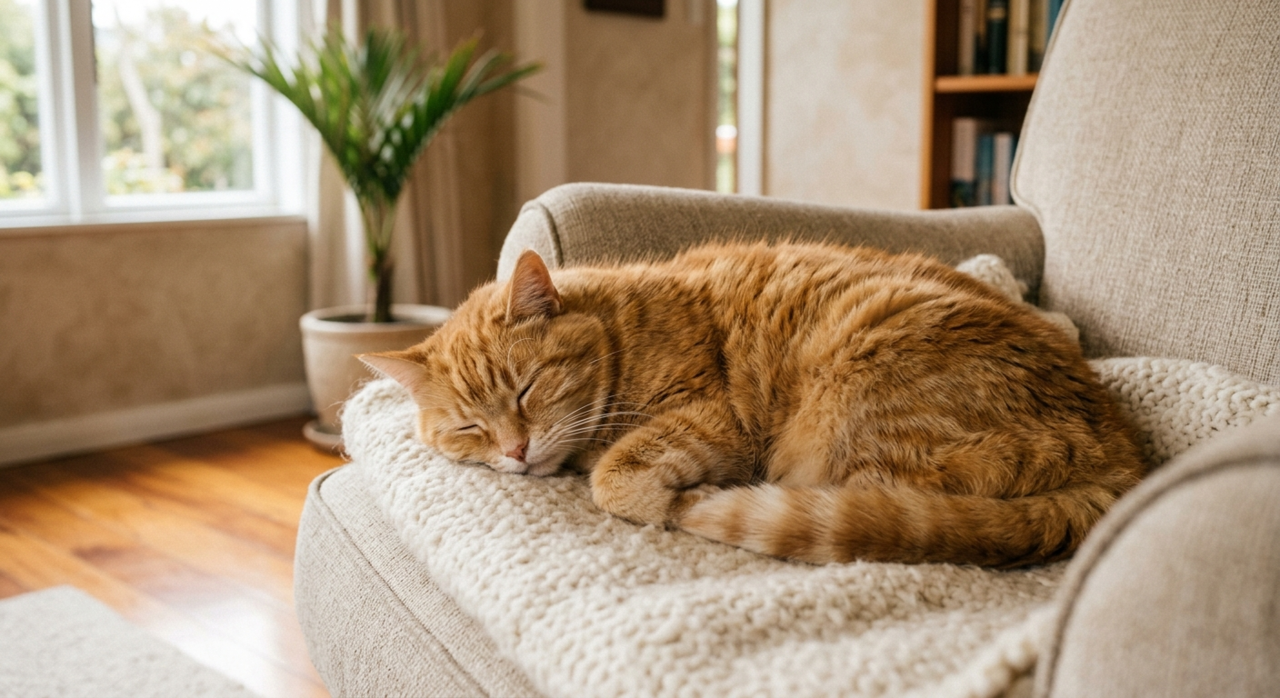
Cold Weather and Senior Cats: Health Risks to Watch For
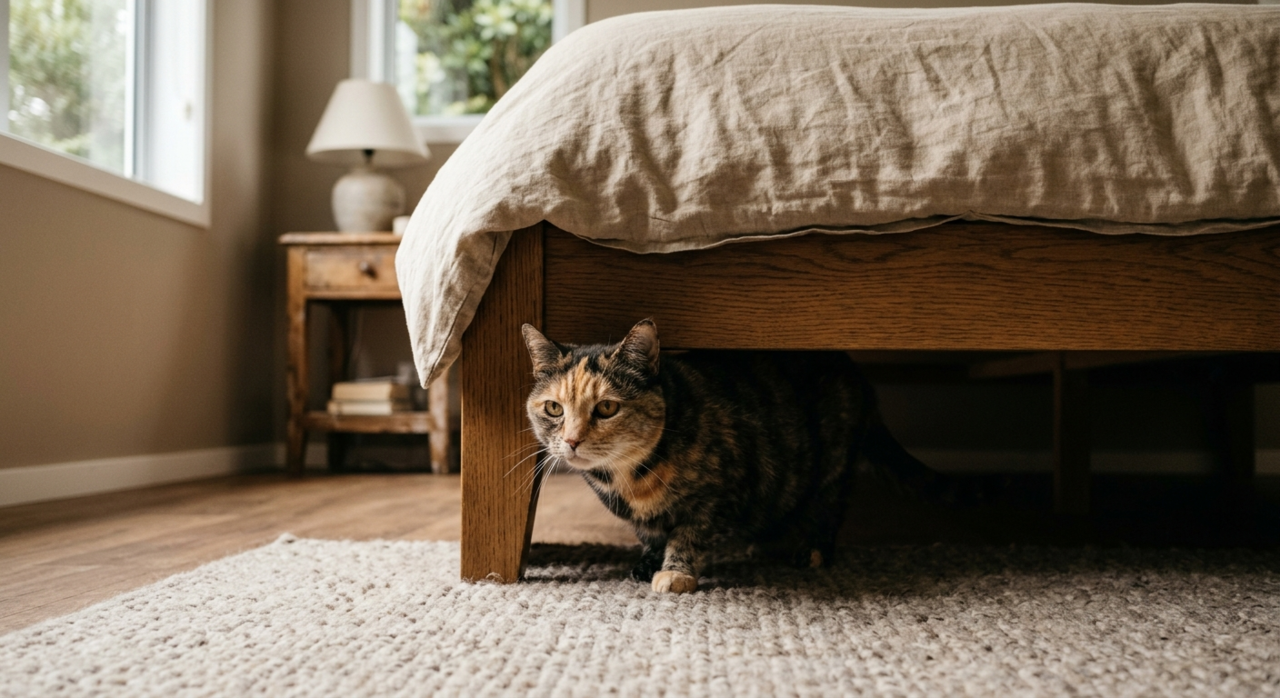
Hiding More Than Usual? What Your Senior Cat May Be Telling You
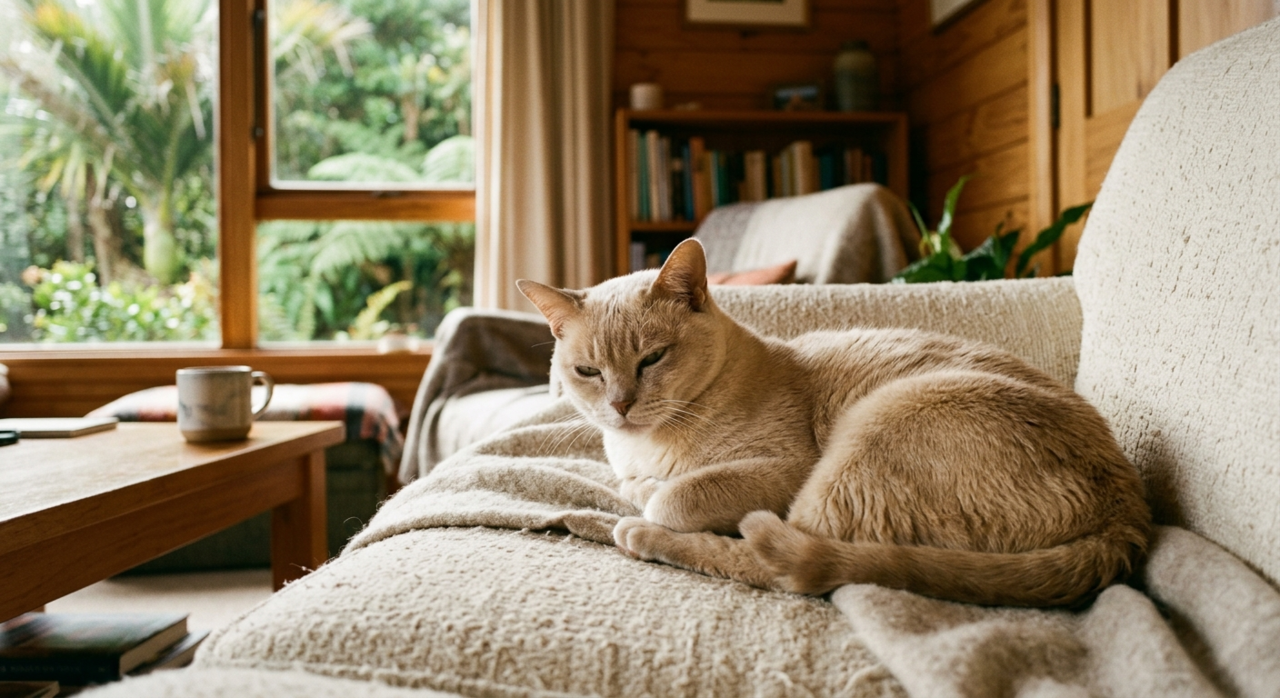
Feline Cognitive Dysfunction: Can Cats Get Dementia Too?
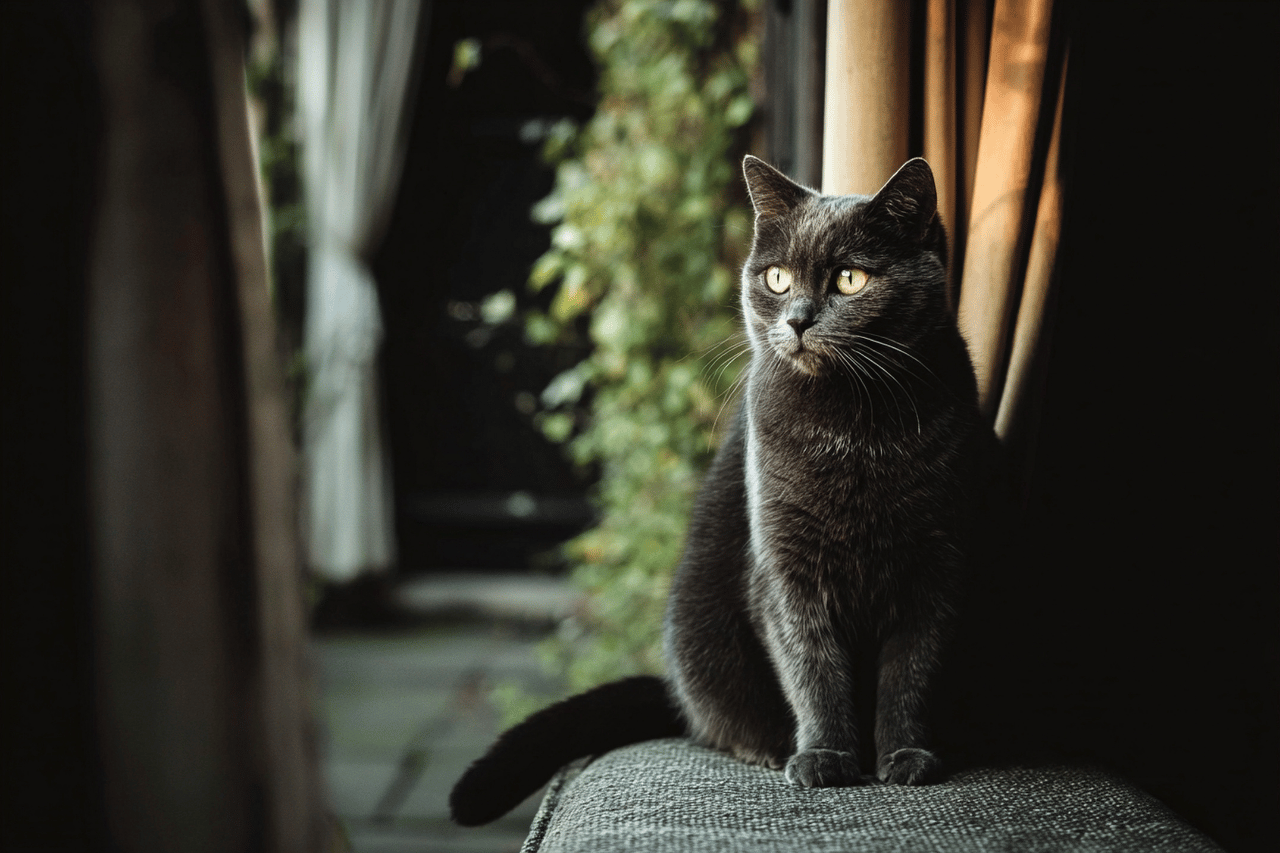
Why Is Your Senior Cat Yowling at Night?
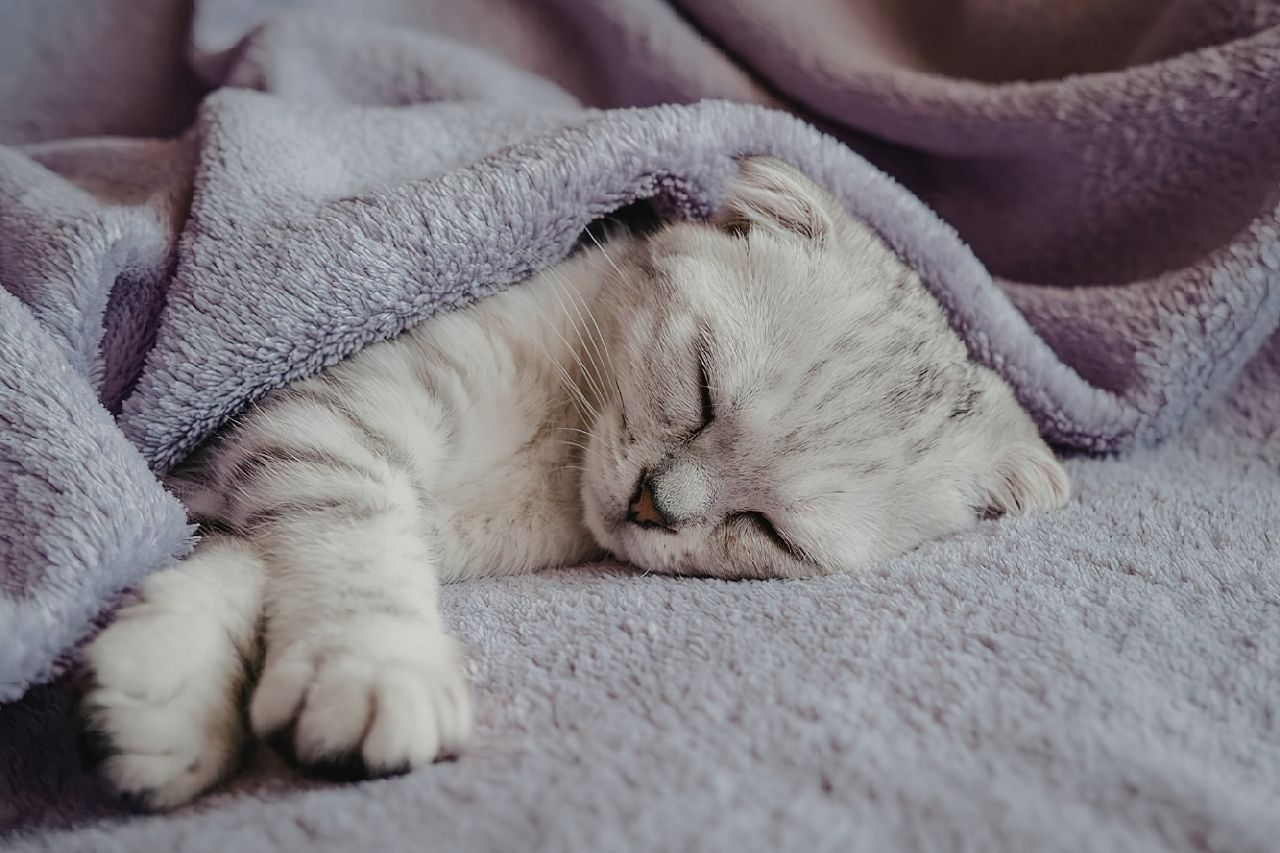
Joint Care for Senior Cats: Supplements and Support