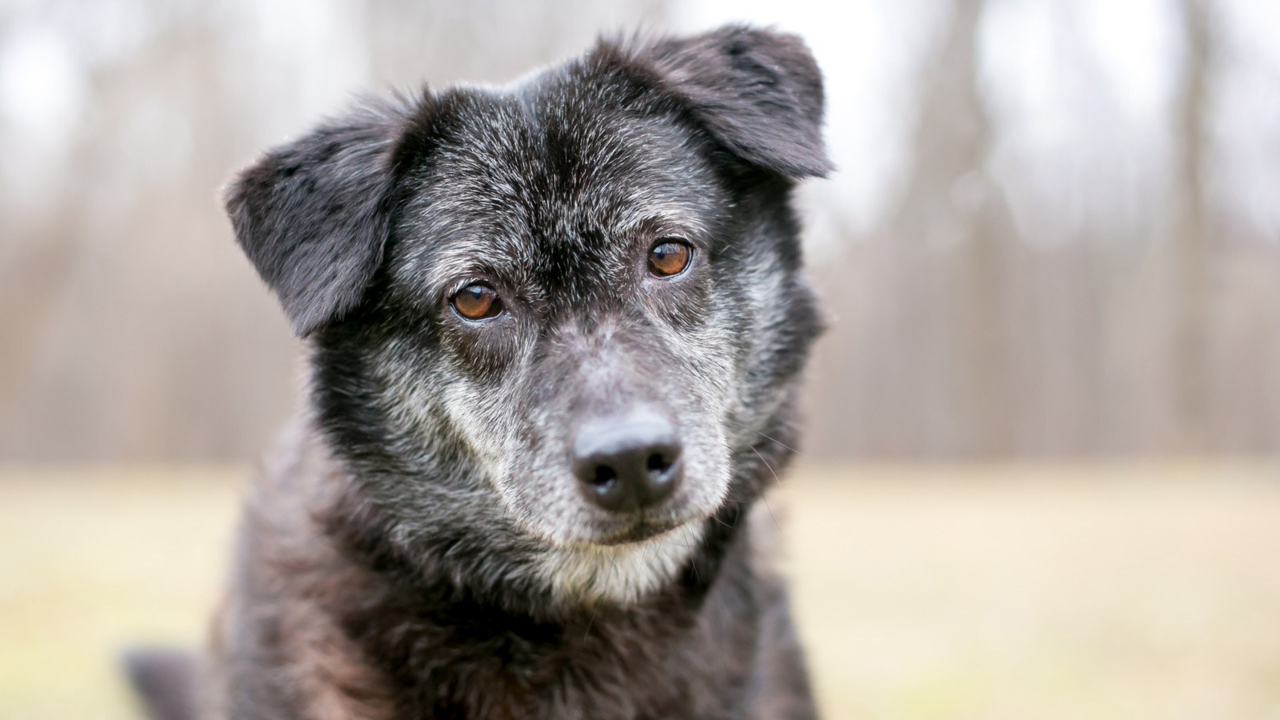
Older dogs and cats often look like they are doing just fine, right up until they are not. Pets are skilled at hiding discomfort, and the changes that come with age can be slow and easy to miss at home. That is exactly why regular wellness checks matter more once your pet reaches their senior years. A good check-up is not about waiting for something to go wrong. It is about spotting small shifts early, while they are still easy to manage.
This guide explains when your pet counts as a senior, how often an older dog or cat should see the vet, what actually happens during a senior wellness check, and what to keep an eye on between visits.
Quick answer
Most healthy adult pets need a vet check once a year. Once your dog or cat reaches their senior years, that should usually move to twice a year, around every six months. Pets age faster than we do, so six months is a meaningful stretch of a senior pet's life, and many age-related conditions progress quickly. Pets with a diagnosed condition or on long-term medication may need to be seen more often, as guided by your vet.
When is my pet a senior?
There is no single birthday that makes a pet senior. For dogs it depends mostly on size, because larger dogs tend to age faster. Cats follow a more consistent timeline. These are the general guides we use at Petdirect.
| Pet | Generally considered senior from |
|---|---|
| Small dogs (up to 10kg) | Around 8 years |
| Medium dogs (10 to 25kg) | Around 7 years |
| Large dogs (25 to 45kg) | Around 6 years |
| Giant dogs (45kg and over) | Around 5 years |
| Cats | Around 7 years |
If your pet is approaching these ages, it is a good time to talk with your vet about moving to twice-yearly checks, even if your pet seems perfectly well.
How often should an older dog or cat see the vet?
The general rule is simple. Healthy adults need a check once a year. Senior pets benefit from a check every six months. The reason comes down to how quickly pets age compared with people. A six-month gap for a senior cat or dog is closer to a couple of human years, so a lot can change between annual visits.
Twice-yearly checks give your vet a chance to track changes over time rather than seeing your pet only once everything has shifted. Weight, mobility, teeth, organ function and behaviour can all be compared visit to visit, which makes it far easier to catch a problem in its early stages.
Your pet may need to be seen more often if they have a known condition such as arthritis, kidney disease or a heart murmur, or if they are taking ongoing medication that needs monitoring. Your vet will set the right schedule for your individual pet.
What happens during a senior wellness check
A senior wellness check is more thorough than a quick once-over. It usually includes a full nose-to-tail physical exam plus a conversation about what you have noticed at home. Depending on your pet's age and history, your vet may also recommend some simple tests.
The physical exam
Your vet will typically weigh your pet and check their body condition, listen to the heart and lungs, feel the abdomen, check joints and mobility, look over the skin and coat for lumps or changes, and examine the eyes, ears, mouth and teeth. Dental disease is one of the most common findings in older pets, so the mouth gets close attention.
Blood, urine and blood pressure
For senior pets, your vet may suggest blood and urine tests to check how the kidneys and liver are working, along with thyroid levels and blood sugar. These tests are especially useful for older cats, where kidney disease and an overactive thyroid are common, and they can pick up issues well before you would notice anything at home. A blood pressure check is also worthwhile for many older cats.
The conversation
Some of the most valuable information comes from you. Your vet will want to know about any changes in appetite, thirst, toileting, weight, sleep, mobility or behaviour. Small details you have noticed at home often point to the right place to look.
What to watch for between visits
Wellness checks work best when you are also keeping a gentle eye on things day to day. You know your pet better than anyone, and you will often notice a change before a test would. It helps to jot down anything new so you can mention it at the next visit. Keep an eye on:
- Changes in how much they drink or how often they wee
- Weight gain or loss, even gradual
- New lumps or bumps, or ones that change size
- Stiffness, slowing down, or reluctance to jump or use stairs
- Bad breath, drooling or trouble eating
- Changes in appetite, sleep, or how settled they seem
- Coat changes, or trouble grooming in cats
None of these mean something is automatically wrong, but they are all worth mentioning. Catching a pattern early makes a real difference to how easily it can be managed.
When to see your vet sooner
Some signs should not wait for the next routine check. Contact your vet promptly if your senior pet shows sudden weight loss, a marked increase in thirst or urination, loss of appetite, repeated vomiting or diarrhoea, difficulty breathing, collapse or sudden weakness, a new or fast-growing lump, sudden loss of mobility, or disorientation and confusion. When in doubt, it is always worth a phone call to your clinic.
Making vet visits less stressful
Twice-yearly visits are easier on everyone when your pet is relaxed about the trip. A familiar carrier left out at home, a calming pheromone spray used ahead of time, and a few favourite treats can all take the edge off. Cats in particular travel best in a secure, well-ventilated carrier rather than loose in the car.
For more on helping a nervous pet feel calmer about the clinic, see our guide on stress-free vet visit training.
Supporting your senior pet between checks
Your vet will guide any treatment, but a few everyday choices can help support an older pet's comfort and wellbeing alongside their regular check-ups.
Joint and mobility support
Stiffer joints are common in older pets. Joint supplements can support mobility and comfort, and are worth discussing with your vet so they fit your pet's overall plan.
Dental care at home
Because dental disease is so common in older pets, home care between checks helps. Dental gels and chews can support cleaner teeth and fresher breath alongside professional dental assessments.
Senior-formulated nutrition
Diets made for pets over seven are adjusted for the needs of an ageing body, including how much protein, energy and joint support they provide. A wellness check is a good moment to review whether your pet's food still suits them.
Never run out of the essentials
Keep your senior pet's food and supplements topped up without the reorder reminders. Set them up on Autodeliver and save on every repeat order.
Explore AutodeliverFrequently asked questions
How often should a senior dog go to the vet?
Most senior dogs benefit from a wellness check every six months, rather than once a year. Dogs with a diagnosed condition or on long-term medication may need to be seen more often, as advised by your vet.
How often should an older cat see the vet?
Cats are generally considered senior from around seven years, and twice-yearly checks are recommended from then. Older cats are prone to kidney disease and thyroid problems that often show no obvious signs early on, so regular checks and tests are especially valuable.
My senior pet seems healthy. Do they still need check-ups?
Yes. Pets are very good at hiding illness, and many age-related conditions develop quietly. A pet that looks well can still have early changes that only a physical exam or a simple blood test would reveal.
What does a senior wellness check cost?
This varies between clinics and depends on whether blood, urine or other tests are included. It is worth asking your clinic what their senior check covers so you know what to expect.
What is the difference between a wellness check and a sick visit?
A wellness check is a routine, preventive appointment for a pet that seems well, focused on catching changes early. A sick visit is when you bring your pet in because something is already wrong. Regular wellness checks can reduce how often sick visits are needed.
Related reading
 Dog Vet Visit Training: Stress-Free Desensitisation Tips
 The Ultimate Guide to Senior Pet Care in New Zealand
 Senior Dog Dental Care: Protecting Teeth After Age 7
 Joint Health for Senior Dogs: The Complete NZ Supplement Guide
 Small Breed vs Large Breed: How Size Affects Senior Years
 6 Subtle Signs Your Cat Is Entering Their Senior Years