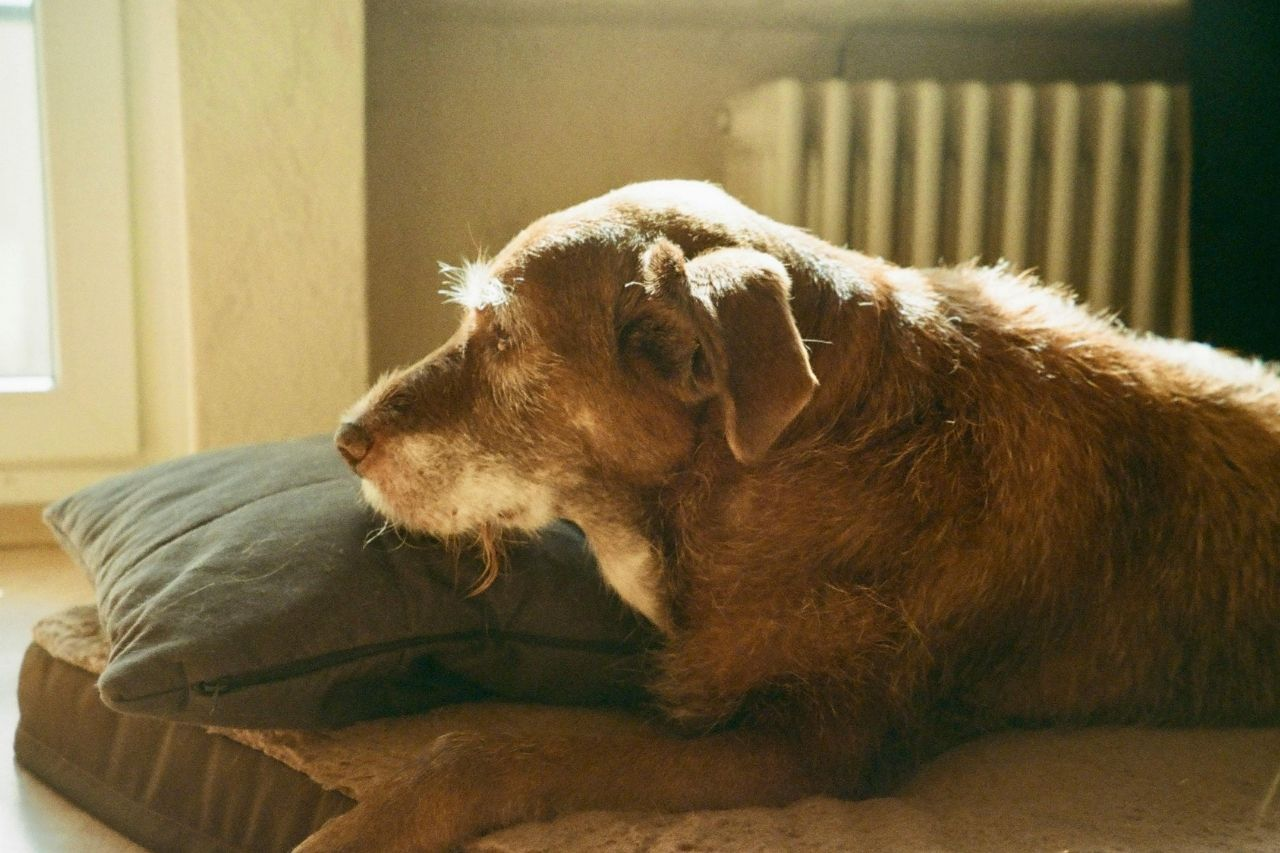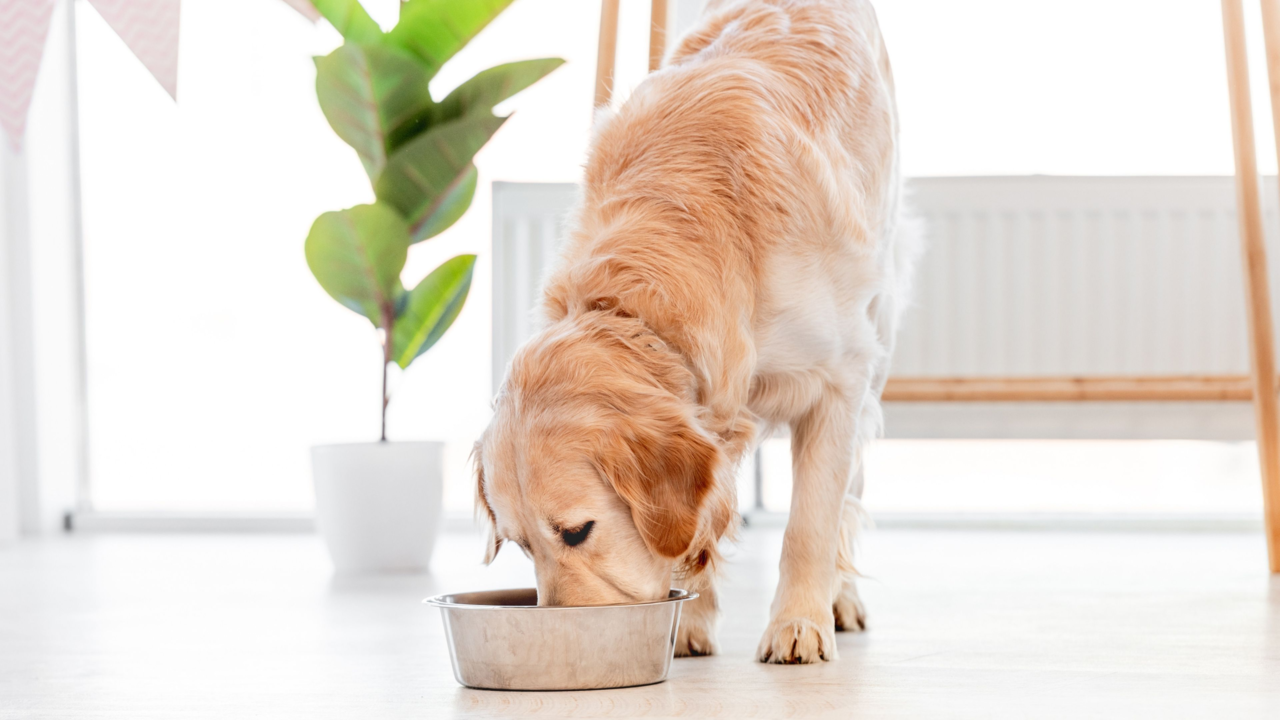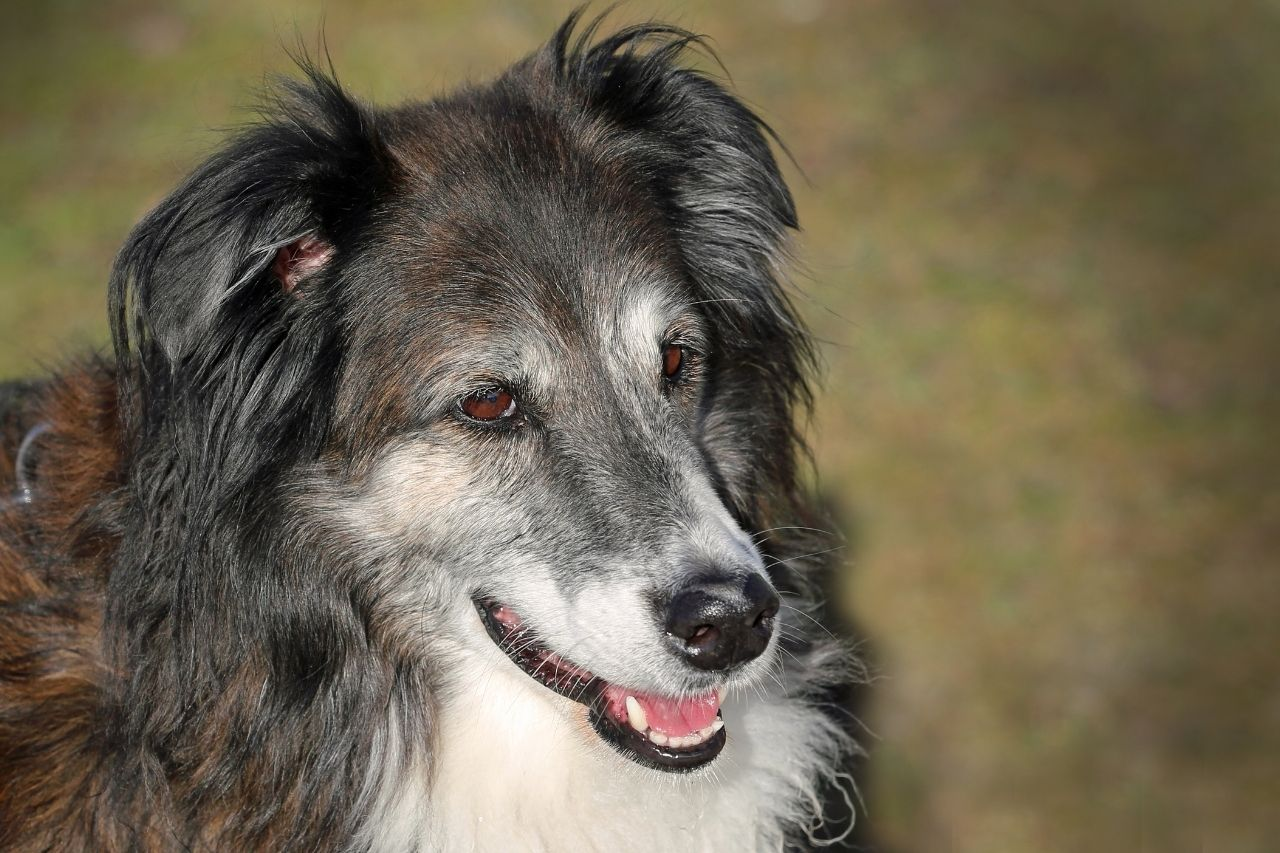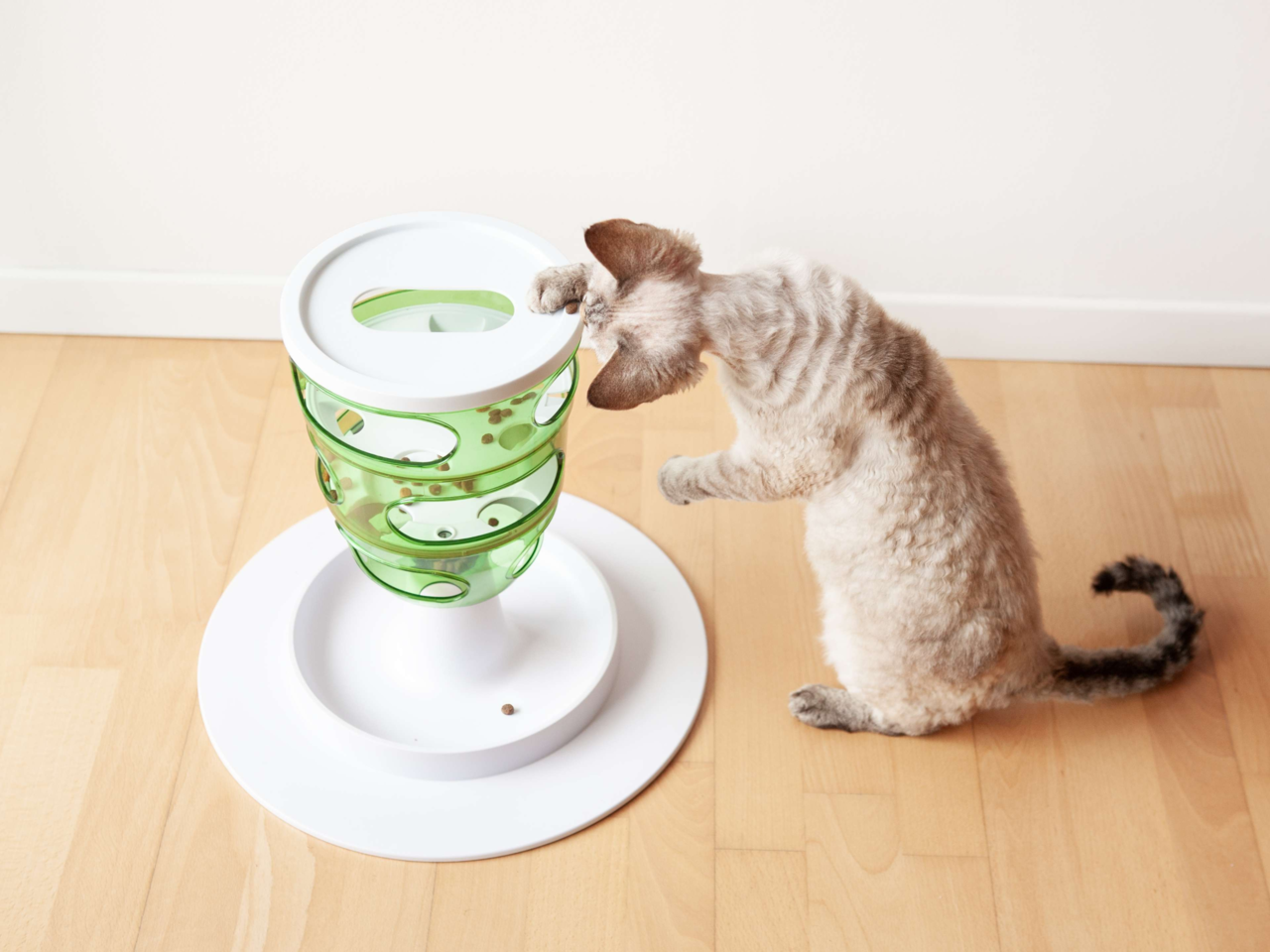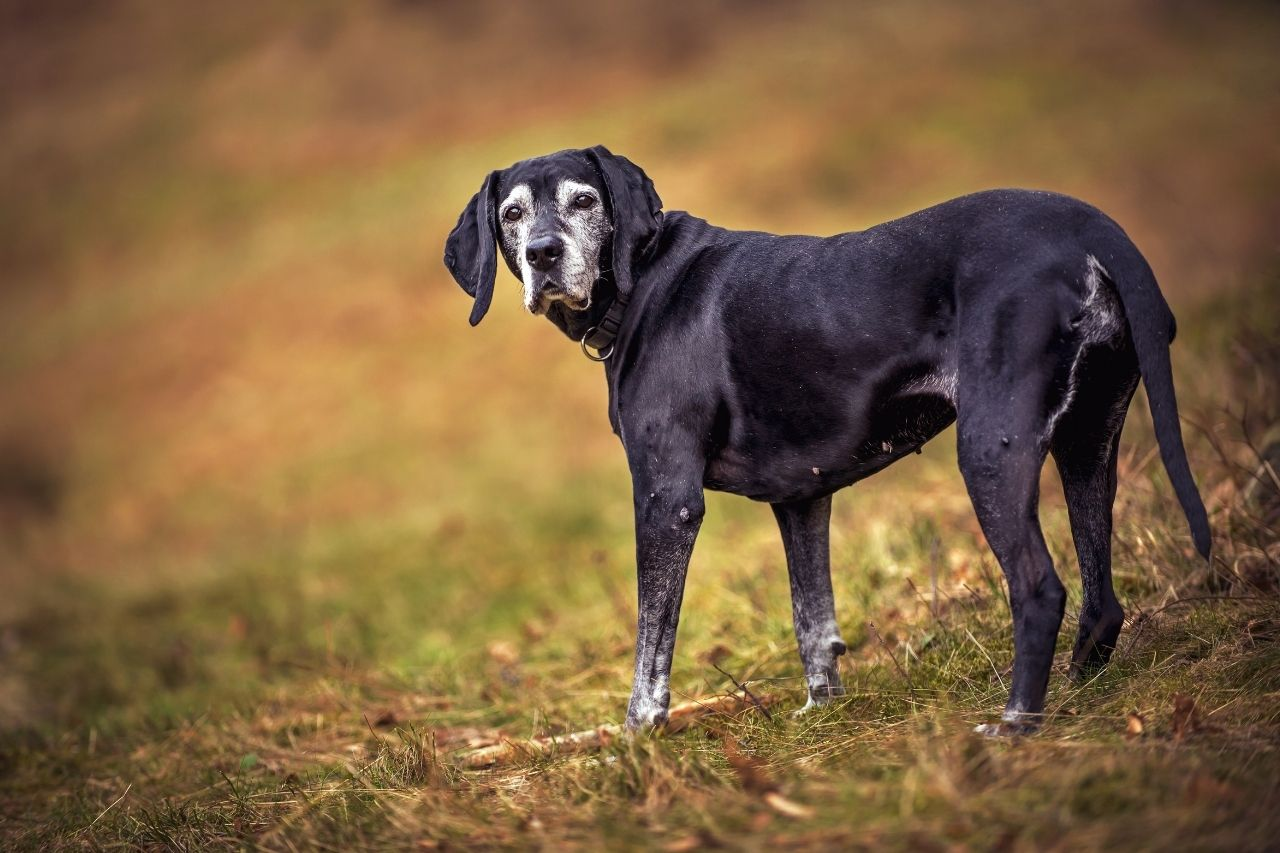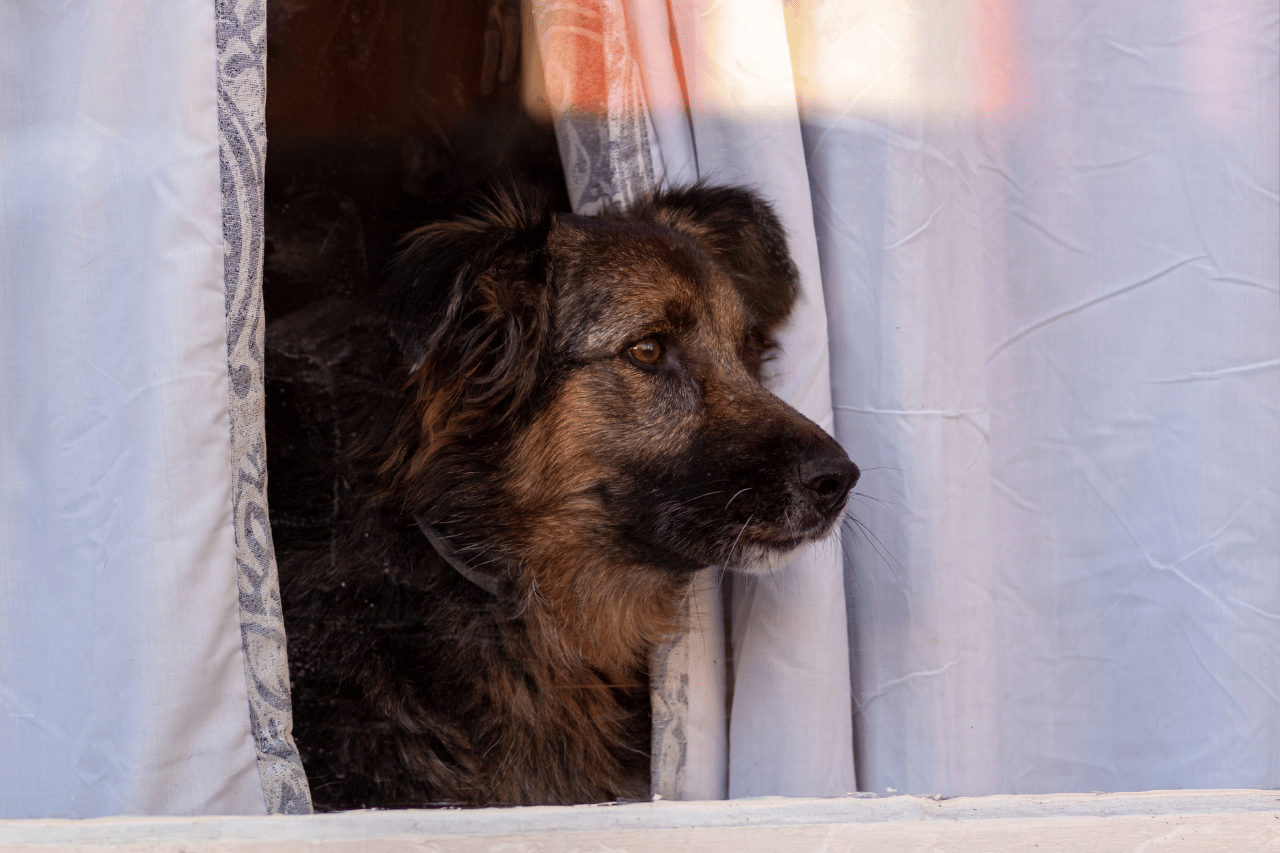
If your older dog has started staring at walls, getting stuck behind doors, or pacing the lounge at night, you're not imagining it. Cognitive decline in senior dogs is real, and more common than most owners realise. The good news: there's plenty you can do to slow it down, keep them comfortable, and help them stay sharp into their later years.
This guide covers what cognitive decline looks like in dogs, the early signs to watch for, and the practical things you can do every day to support brain health, from diet and supplements to enrichment and routine.
Quick answer
Cognitive decline in senior dogs (sometimes called Canine Cognitive Dysfunction or doggy dementia) usually starts to show from around 9 years old. Common signs include disorientation, changes in sleep, less interaction, accidents in the house, and altered activity levels. With the right diet, daily enrichment, a calm routine, and guidance from your clinic, you can help slow change and keep your dog comfortable.
What Is Cognitive Decline in Dogs?
Cognitive decline is the slow change in how an older dog's brain works. It's similar to the kind of mental ageing that happens in people, and the most common form is known as Canine Cognitive Dysfunction, or CCD.
It's gradual. Most owners notice small things over months or years rather than a sudden change. Older dogs become a bit more confused, sleep at odd hours, lose interest in their usual routines, or seem to forget things they used to know. Spotting it early gives you the best chance to slow the change and keep your dog feeling settled.
Cognitive change is most often seen in:
- Dogs over 9 years old (small breeds tend to show signs later, large breeds earlier)
- A meaningful portion of dogs in their teens, with prevalence rising with age
- Most breeds, though some appear more prone than others
The Signs of Cognitive Decline (DISHAA)
A handy way to spot cognitive change is to look across six key areas, often grouped under the DISHAA framework. Watch for any of these in your senior dog.
Disorientation
Getting lost in familiar rooms, staring at walls, getting stuck in corners or behind furniture, walking into doors, not recognising people they know, or seeming confused about how to get out of a room.
Interaction changes
Less interest in greeting you, less affection, fewer cuddles, or the opposite, becoming more clingy than usual. Some dogs stop seeking out the family altogether.
Sleep cycle changes
Pacing or restlessness at night, sleeping more during the day, waking up disoriented, or "sundowning" (becoming agitated as evening approaches). Often the most disruptive symptom for owners.
House soiling
Accidents in the house from a previously toilet-trained dog, forgetting to ask to go outside, or going right after coming back in. This isn't naughty behaviour, it's a sign they've forgotten the rule.
Activity changes
Less interest in walks, food, toys or play. Or the opposite, repetitive walking, circling, or aimless wandering. Some dogs lick or pace far more than they used to.
Anxiety
New or worsening anxiety, separation distress, getting startled easily, becoming reactive to things they used to ignore, or vocalising more than usual. Often pairs with sleep changes.
Spotting two or more of these is worth a chat with your clinic. Many can also be caused by other health issues (joint pain, hearing loss, vision changes), so a check helps rule those out.
How to Support Brain Health in Senior Dogs
The earlier you start supporting brain health, the better. These are the everyday things that make the biggest difference, working alongside your clinic's advice.
Specialised senior or "brain" diets
Some senior dog foods are formulated with antioxidants, omega-3s and other ingredients aimed at supporting brain function. Pro Plan Bright Mind is the most well-known of these in NZ.
Omega-3 supplements
Fish-oil based omega-3s are widely used to support cognitive function. Look for ones formulated specifically for dogs (and read dosing by weight).
Daily mental enrichment
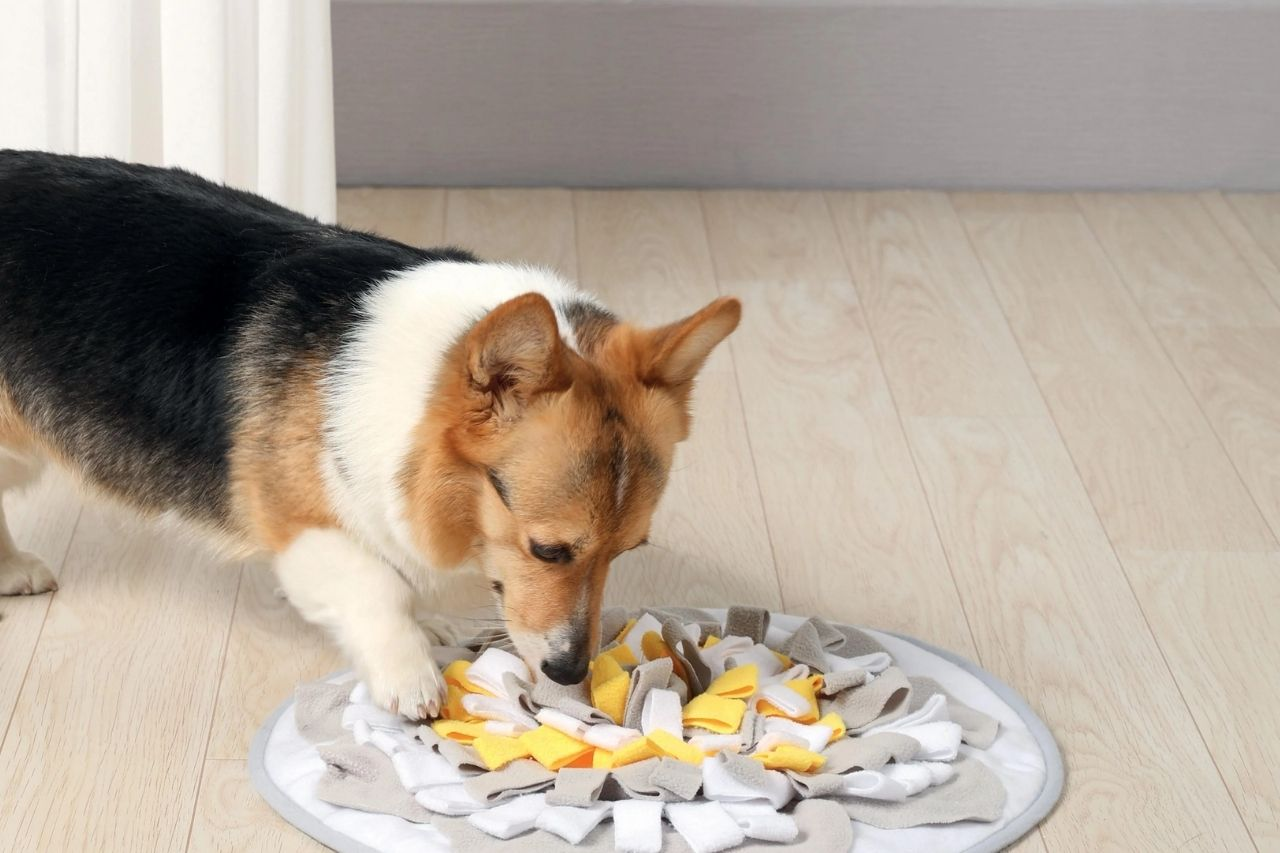
Puzzle feeders, snuffle mats, lick mats, and short training sessions all give the brain a workout. 5 to 10 minutes a day matters more than once-a-week long sessions.
Predictable routine
Senior dogs feel more settled with consistency. Same wake-up time, same walk time, same meal time, same bedtime. Predictability lowers anxiety.
Gentle daily exercise
Short, regular walks help mental and physical health. Skip long, exhausting walks in favour of two or three shorter ones a day, especially with sniffing time built in.
Calm, familiar environment
Try not to rearrange furniture or change their bed location. Keep food, water and beds in the same spots. A calming pheromone diffuser can help if anxiety is part of the picture.
Senior Foods That Support Brain Health
Senior dog foods that include antioxidants and omega-3s are a sensible everyday choice for older dogs. Pro Plan Bright Mind is one of the few in NZ formulated specifically with cognitive support in mind, while general senior diets like Hill's Science Diet 7+ and ACANA Senior also build in brain-friendly nutrients. Talk to your clinic about which option fits your dog best.
Supplements Worth Considering
Supplements can add extra brain support on top of a good senior diet. Omega-3 oils, antioxidants and broad senior support blends are popular options worth chatting through with your clinic.
Toys and Enrichment Ideas
Daily mental enrichment can really help older dogs stay sharp. The key is keeping it gentle, accessible and short. Senior dogs tend to do best with low-frustration puzzles they can win. A few options to try:
The KONG Classic Senior is specifically softer for older teeth and gums. A Nina Ottosson Challenge Slider or LickiMat Buddy gives the brain a workout in just 10 minutes.
Calming Aids That May Help
Anxiety often comes hand in hand with cognitive change. Calming products may help take the edge off, especially around sleep and night-time pacing. A few popular options:
Daily Brain-Boosting Tips
Feed from a puzzle, not a bowl
Swap the bowl for a snuffle mat, slow feeder or lick mat once a day. Mental work disguised as a meal.
Practise old commands
Sit, down, paw, find it. 2 to 3 minutes a day reinforces old neural pathways and gives them confidence.
Sniffari walks instead of speed walks
Let them set the pace. 20 minutes of sniffing is more mentally tiring (and beneficial) than a fast 30-minute walk.
Hide and find games
Hide a treat or favourite toy in an easy spot. The act of searching is brilliant brain work.
Teach one new tiny trick
Spin, touch, paw, target. Even very old dogs can learn something new, and the process itself is the brain workout.
Predictable bedtime ritual
Final wee, dim lights, soft bed, calming spray or pheromone diffuser, lights out. Routines reduce night-time anxiety.
When to Talk to Your Clinic
Reach out if you notice:
- Two or more DISHAA signs appearing or worsening
- Sudden changes in behaviour, appetite or toileting
- House soiling that's new for them
- Restlessness or pacing keeping them (or you) up at night
- New anxiety, fearfulness or aggression
- Weight changes, more thirst, or other physical changes alongside
Your clinic can help rule out other causes, suggest specific products, and in some cases prescribe medication that helps. The earlier you get a plan in place, the better the outcome.
Frequently Asked Questions
At what age does cognitive decline start in dogs?
Most dogs start showing early signs from 9 years onwards, although small breeds may not show signs until 12+ and giant breeds may show changes from 7. Around 1 in 4 dogs over 11 has some level of cognitive change, rising to about half of dogs over 15.
Is dog dementia the same as Alzheimer's?
It's similar but not identical. Canine Cognitive Dysfunction shares some features with Alzheimer's in people, including the way the brain ages and changes. The main symptoms (disorientation, changes in interaction, sleep, toileting and activity) are recognisable to anyone who's known a person with dementia.
Can cognitive decline be reversed?
It can't be reversed, but it can often be slowed. Diet, supplements, mental enrichment, exercise, routine and where appropriate medication can all make a real difference to how a dog feels day to day. Catching it early gives you the most options.
What food should I feed a dog with cognitive decline?
Pro Plan Bright Mind is one of the few diets in NZ formulated specifically with cognitive support in mind. General senior diets like Hill's Science Diet 7+, ACANA Senior and Royal Canin's senior range also include antioxidants and omega-3s. The right food depends on your dog's size, life stage and any other health issues, so it's worth chatting through options with your clinic.
How can I tell if my dog has dementia or just normal ageing?
Some slowing down is normal. Cognitive decline tends to involve specific patterns: disorientation in familiar places, sleep cycle changes, house soiling, repetitive behaviours like pacing. If two or more of these are appearing or worsening, it's worth a chat with your clinic to rule out other causes and confirm what's going on.
Does brain training really help older dogs?
Yes. Daily mental enrichment, puzzle feeders, scent games and gentle training sessions all give the brain a workout, which helps keep older dogs sharp. The key is gentle, low-frustration tasks they can succeed at, done in short sessions.
Why does my senior dog pace at night?
Night-time pacing or restlessness is one of the most common signs of cognitive change. It's often called "sundowning". A predictable bedtime routine, calming aids, comfortable bedding, and a chat with your clinic can help. We've got a full guide on night-time restlessness in older dogs that goes deeper.
Support Your Senior Dog's Brain Health Every Day
From cognitive-support diets to puzzle toys and calming aids, everything you need to keep your senior dog comfortable and sharp. Save with Autodeliver on senior food and enjoy everyday member pricing with Pet Perks.
SHOP SENIOR DOG FOOD