Cats are brilliant at finding the warmest patch of sun in summer, but a cold, damp NZ winter is a different proposition. The house is colder, the floor is colder, and the favourite sunny spot has disappeared by mid-afternoon. Cats don't always show that they're feeling the cold the way dogs do, so it's worth being proactive about keeping them warm and comfortable through the colder months.
Here's a practical NZ guide to winter cat care, covering warm sleeping setups, indoor enrichment, food and water tweaks, and the small comforts that make winter much more pleasant for an indoor or indoor-outdoor cat.
Quick answer
Keep your cat warm in winter by setting up draught-free, raised sleeping spots away from cold floors, adding soft beds and caves with cosy covers, keeping indoor temperatures comfortable when you're out, and adding enrichment so they stay active when the weather keeps them inside. Senior cats, thin-coated breeds and kittens feel the cold sooner and benefit from extra layers, calming aids, and a warm spot for meals and water.
Does My Cat Actually Feel the Cold?
Yes, and probably more than you'd think. A cat's preferred ambient temperature sits a bit higher than ours, especially when they're resting. Cats are masters at hiding discomfort, so the signs are usually subtle, but they're there.
Tucked-up sleeping
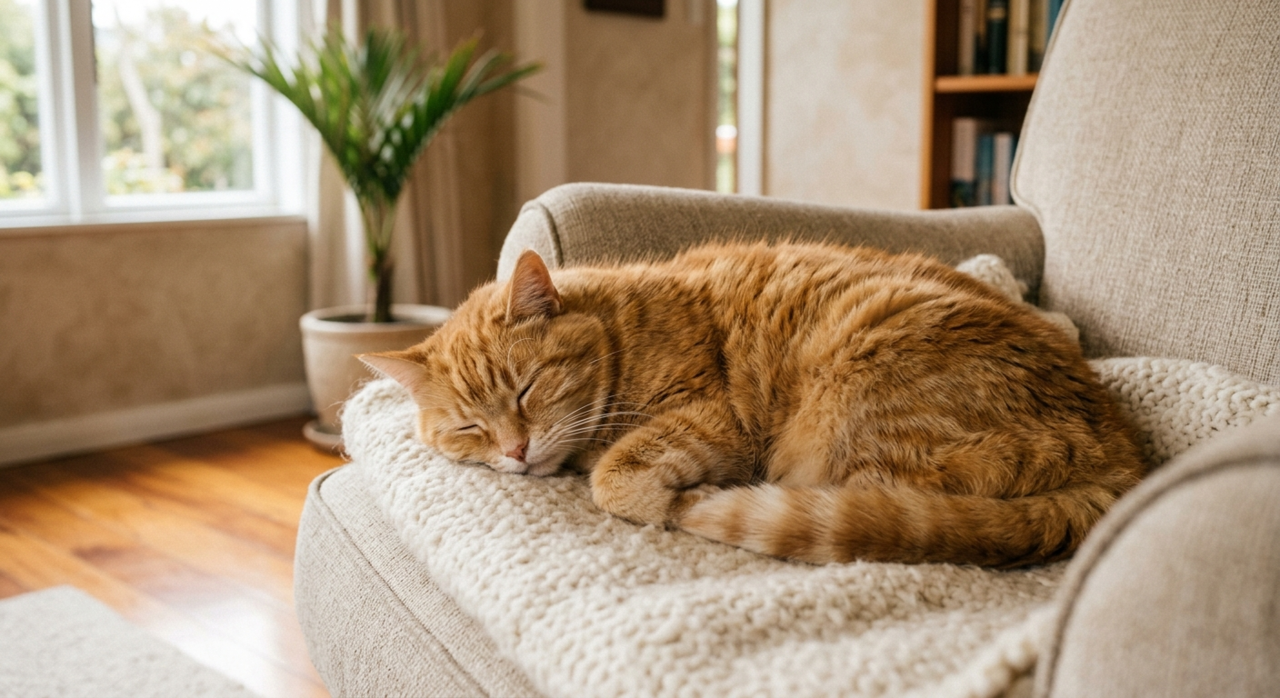
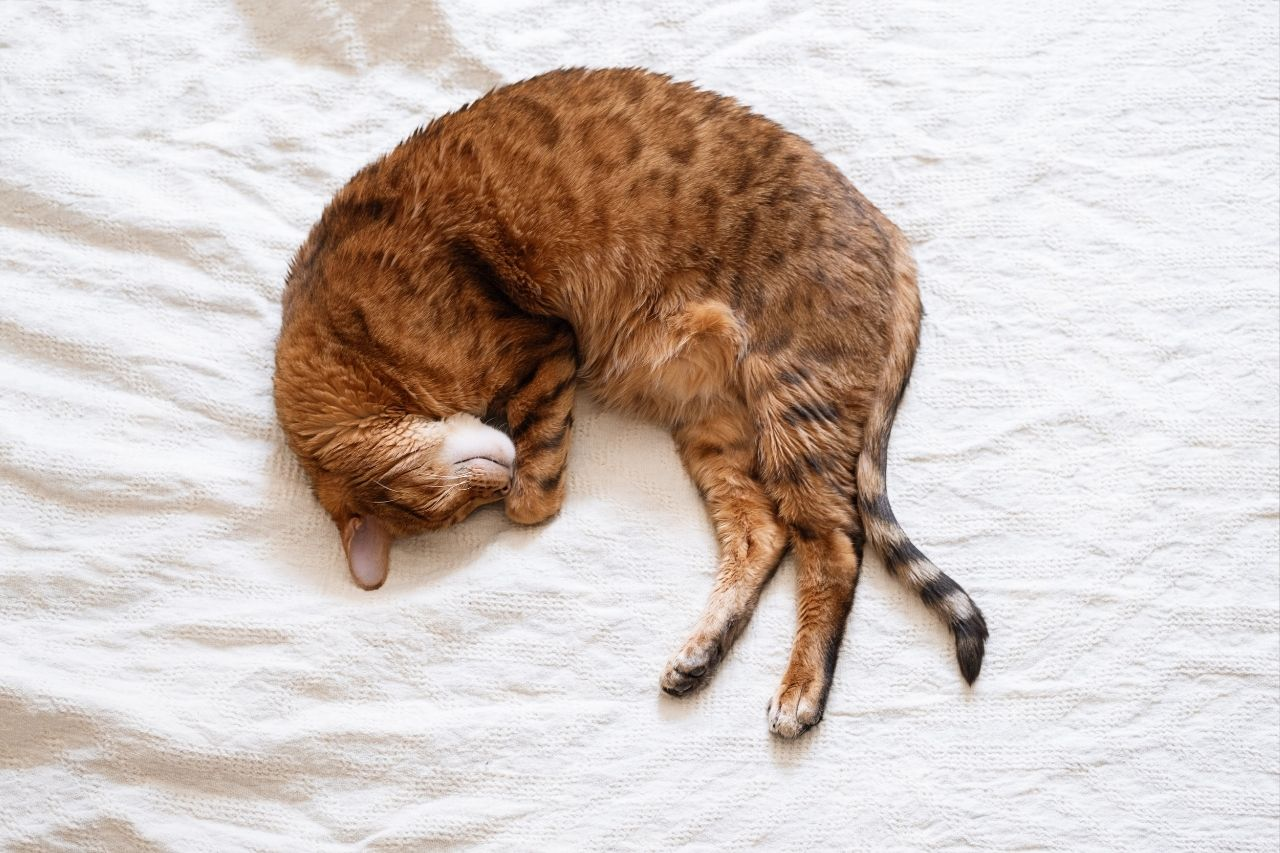
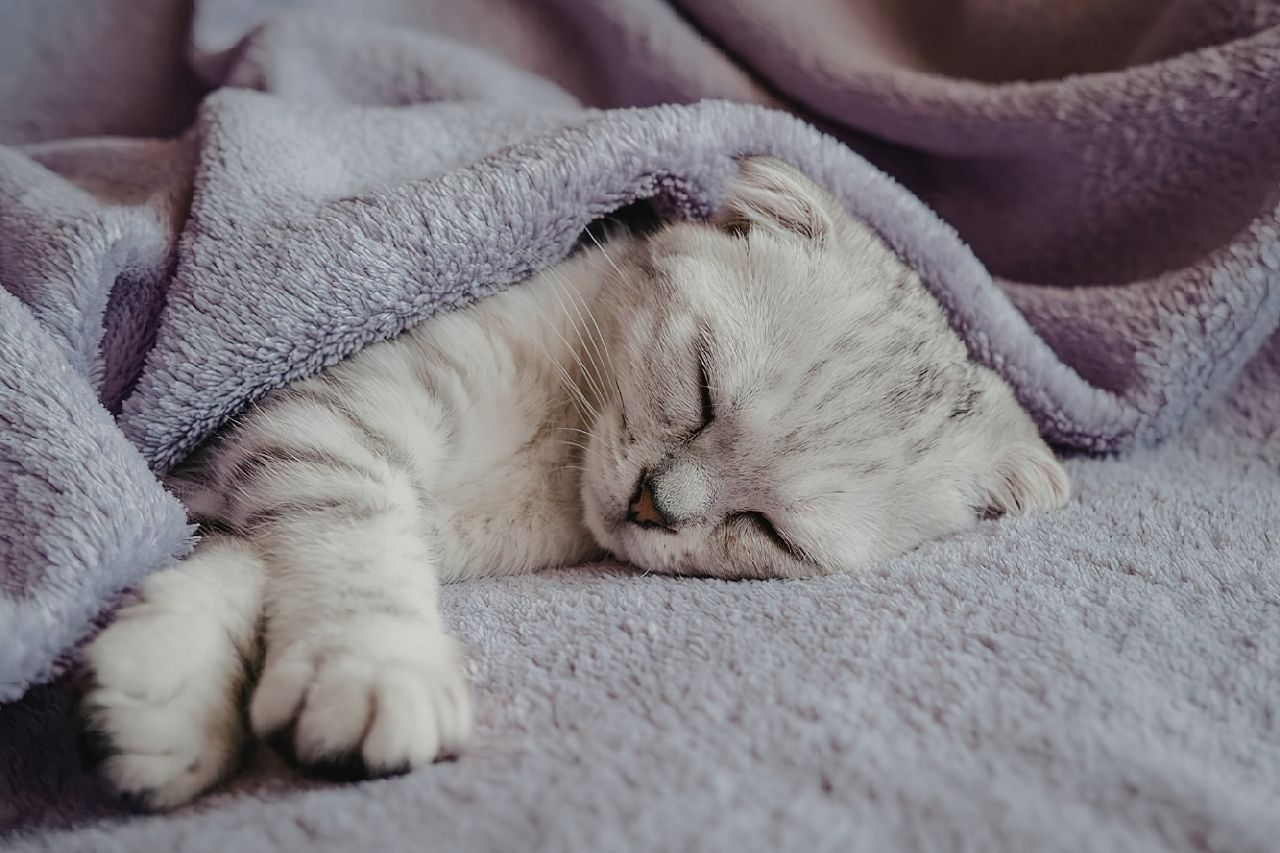
Cats curl tightly into a ball, tuck their paws underneath and wrap their tail over their nose when they're conserving heat. A cat who's stretched out and relaxed is comfortable. A cat tucked into a tight ball under the blanket all day might be telling you the house is colder than they'd like.
Seeking out warm spots
Heat pads, sunny windowsills, hot water bottles, your laptop, the airing cupboard, the dryer, your bed. If your cat has started haunting one new warm place per week, they're voting with their paws.
Less interest in moving
Cold weather often means a quieter, more sleepy cat. That's normal up to a point, but a senior cat or one with arthritis can stiffen up further in winter and need extra encouragement to move, eat and use the tray.
More velcro behaviour
Body heat is a resource. If your usually independent cat has suddenly become very interested in sitting on you, the laptop or the heated blanket, winter is doing it.
Eating a little more
Indoor cats don't usually need more food in winter, but indoor-outdoor cats often do burn more energy keeping warm. A small adjustment to portion size for outdoor cats during the coldest weeks is reasonable, especially if they hunt or roam a lot.
Who feels it most
Senior cats, kittens, very thin or sick cats, hairless and short-coated breeds (Sphynx, Cornish Rex, Devon Rex, Burmese, Siamese) and cats recovering from illness all feel the cold more. Heavily coated breeds like Maine Coons and Persians cope better but still appreciate warm bedding.
Setting Up Warm Sleeping Spots
Sleep is where a cat spends a huge chunk of their day, so it's the highest-impact thing to get right. The two principles to focus on: keep them off cold floors, and create somewhere that traps their body heat.
Beds and caves
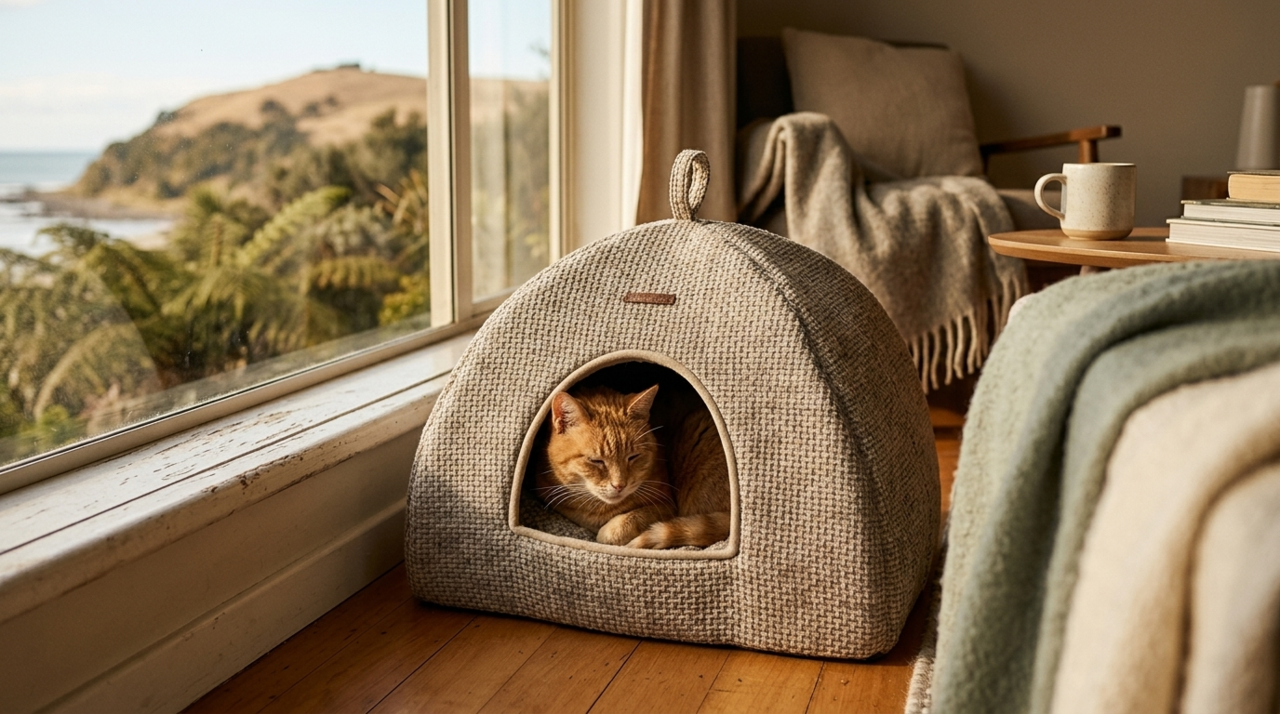
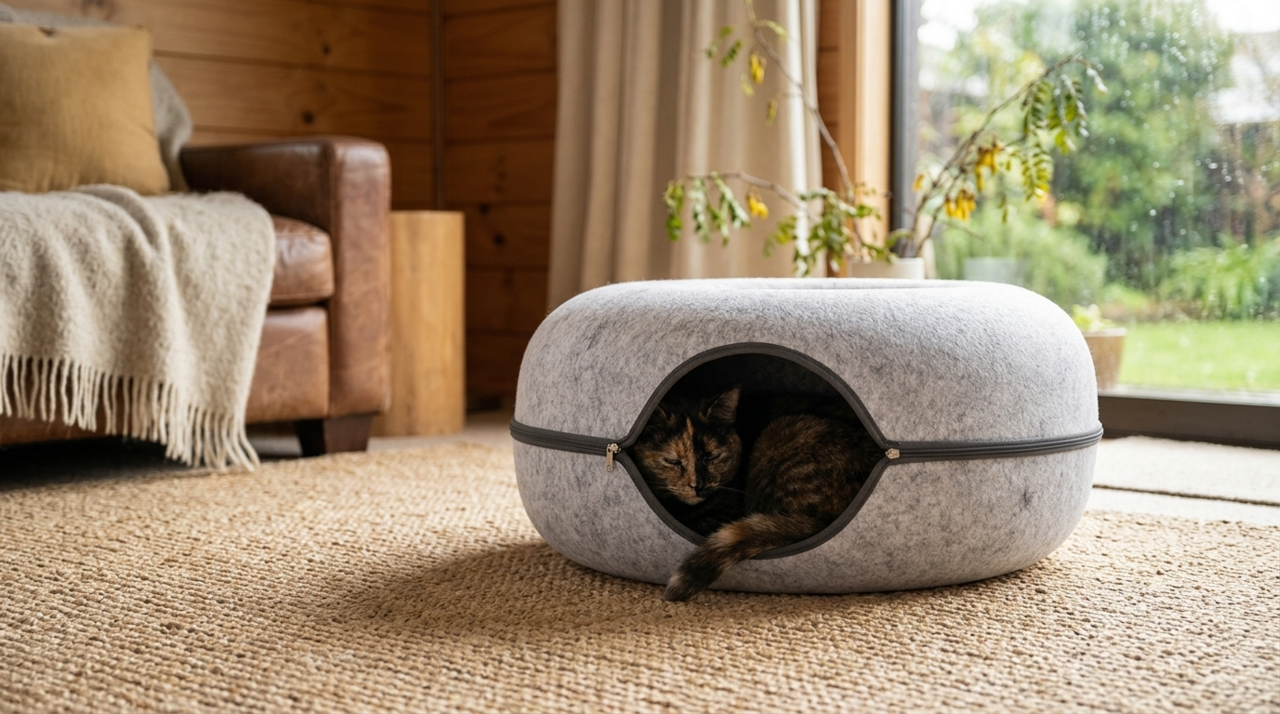
Donut-style and cave-style beds are ideal for winter because the sides hold body heat in. The Brooklands Cat Cave is a popular choice that doubles as a hideaway. The Pup & Purr Dreamy Paws and Brooklands Calming Bed both have soft raised sides for tucked-in sleeping.
Tunnels and hideaways
Cats love enclosed spaces in winter. A bed-and-tunnel combo or a fabric tunnel doubles as both a play space and a warm den. The M-PETS Donut Tunnel Cat Bed is a popular hybrid pick because it gives them a cosy curled-up bed with a tunnel attached, and the M-PETS Snake Suede Cat Tunnel is a soft option for more active cats. Combine with a folded blanket inside for an instant warm spot.
Bed placement tips
Where you put the bed matters as much as which bed you buy:
- Raise it off cold floors. A bed on a chair, sofa, or shelf stays warmer than one on the tiles.
- Away from draughts. Door gaps, window frames and the bottom of stairwells can be surprisingly draughty in older NZ homes.
- Near (not on) heat sources. A bed close to a heat pump or fireplace is gold. Avoid direct contact with hot surfaces.
- Multiple options. Cats like to rotate. Two or three warm spots around the house is better than one perfect one.
- Higher up for nervous cats. Up on a cat tree or shelf gives them warmth, security and a view.
Keeping Indoor Temperatures Comfortable
Most NZ homes cool down a lot overnight and through the day when nobody's home, especially in older or single-glazed houses. A cat doesn't need a tropical house, but a steady, gentle warmth makes a real difference.
Indoor temperature
Most cats are comfortable at the same temperatures we are, around 18-22°C. Senior cats, kittens, and thin-coated breeds prefer the warmer end. If you're cold in the room, your cat probably is too.
When the heating goes off
If your house drops below about 15°C during the day or night, your cat will feel it. A self-warming bed, a hot water bottle wrapped in a blanket, or a thermal pad keeps them comfortable when the heat pump's off.
Block draughts
Door snakes, sealed curtains, and rugs over cold tile floors all make a measurable difference for both you and the cat. Pay attention to the rooms where your cat likes to sleep.
Don't overheat one spot
Cats will lie on top of warm things until they overheat. If you have a heated blanket or pad, choose one with a pet-safe low setting, and make sure your cat can move away easily.
Food, Water and Winter Routine
Warm meal spots
Cats are reluctant to eat or drink if their bowl is in a cold, draughty corner. Move feeding stations to warmer rooms in winter if you can, and consider warming wet food slightly to body temperature (it brings out the smell and makes it more inviting for older cats).
Hydration matters in winter too
Cats drink less in winter because they're moving less, but dehydration is still a risk, especially for senior cats and those with kidney concerns. A water fountain encourages drinking by giving them moving, cool water. Place the fountain in a warm room, not by the back door.
Supplements for winter coat and joints
Cold weather can be hard on older cats' joints, and dry indoor heating can dry out the skin and coat. A daily omega-3 oil supports both. Keep an eye on senior cats for stiffness around the litter tray and jumping up, and adjust beds and tray heights as needed.
Indoor Enrichment for the Wet Months
Cats who normally go outside often want to stay in once the rain sets in. Indoor-only cats need a bit more entertainment too, since the open windows and bird-watching opportunities of summer disappear. Twenty minutes of structured play a day makes a huge difference to a winter-bound cat.
Interactive play
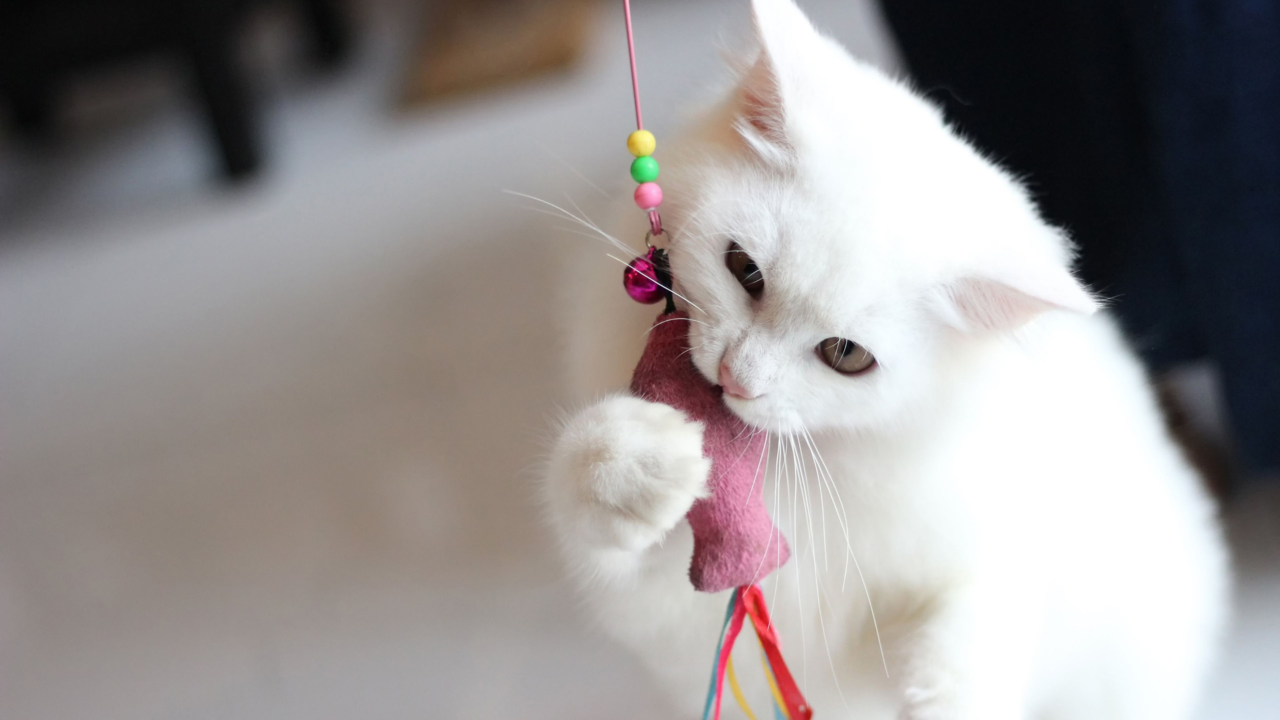
Motorised or sound-activated toys are great for solo play when you're at work. The GiGwi Melody Chaser range and Cat Love Speedy Mouse both give chase opportunities without you in the room. Rotate toys weekly so they stay novel.
Feeding puzzles
Slow-feed mats and food trees turn one bowl of food into 15 minutes of brain work. LickiMat Felix and the Catit Senses 2.0 Food Tree both work brilliantly with wet food or pâté. Senior cats find these particularly satisfying.
Circuits and tracks
The Catit Senses 2.0 Super Circuit is a classic for a reason: the ball-on-the-track design gives cats a hunting target indoors, and you can extend it with add-on pieces. Place it near a warm spot to make playing feel cosy too.
Window perches and bird TV
A perch or cat tree by a sunny window doubles as a warm sleeping spot and entertainment. Bird-watching is wildly engaging for cats. If you have a tablet, "cat TV" videos on YouTube are surprisingly popular too.
Calming Aids for the Quieter Season
Winter can be unsettling for cats: less garden time, more time confined indoors, sometimes more visitors and noise around the home. Pheromone diffusers send a "this is a safe space" signal that helps cats settle, and they're particularly useful in a multi-cat household.
For Indoor-Outdoor Cats
Winter outdoor checklist
If your cat goes outside, a few extra winter habits keep them safe:
- Check before you start the car. Cats look for warm engine bays in winter. Knock the bonnet or honk before you start.
- Keep them in overnight if you can. Cold, wet, dark nights are when most cat injuries happen.
- Provide an outdoor shelter. A waterproof, raised box with a flap door and a warm blanket gives them a safe option if they get caught outside.
- Wipe paws on return. Wet, muddy paws track through the house and cold damp fur isn't great for skin. A quick towel-dry helps.
- Watch for outdoor hazards. Antifreeze (highly toxic), grit, slug pellets and rat bait usage often goes up in winter. Keep an eye on what's nearby.
Frequently Asked Questions
How cold is too cold for an indoor cat?
Most cats are uncomfortable below about 15°C, especially senior cats and thin-coated breeds. Aim for at least 18°C in the rooms they spend time in, and give them warm bedding when the heating is off.
Should I let my cat outside in winter?
Most cats can handle short outdoor trips in cool weather, but bring them in for cold nights and heavy rain. Senior cats, kittens, hairless and very short-coated breeds are usually safer indoors through winter.
Do cats need extra food in winter?
Indoor cats generally don't, since their activity and surroundings are the same year-round. Indoor-outdoor cats may burn more energy when it's cold and benefit from a small portion increase during peak winter weeks. Keep an eye on weight either way.
Are heated cat beds safe?
Pet-specific low-temperature heated pads designed for cats are generally safe when used as directed. Avoid human heating pads and electric blankets, which can run too hot. A hot water bottle wrapped in a blanket is a low-cost option.
My cat sleeps all winter, is that normal?
Cats naturally sleep more in cold weather, often 16-20 hours a day. Sleeping more is fine if they're still eating, drinking, using the litter tray and willing to play. Sleeping much more than that and seeming flat or uninterested is worth a clinic check.
Should I worry about cold-weather joint stiffness?
Yes, especially for senior cats. Stiffness around the litter tray, slower jumping up, and reluctance to go outside can all worsen in cold weather. Soft warm beds at floor and mid-level, supportive supplements, and a tray with a low side entry all help.
Why does my cat suddenly want to sleep on me in winter?
You're warm and you're a known safe spot. Cats lose body heat fast through their feet and ears, so co-sleeping with their person is an efficient strategy. Enjoy it.
Winter Comfort for Cats at Petdirect
Browse cat caves, calming beds, soft blankets, water fountains, slow-feed mats and pheromone diffusers to keep your cat warm and settled through winter. Save with Autodeliver on everyday items, and enjoy everyday member pricing as part of Pet Perks.
SHOP THE WINTER HUB