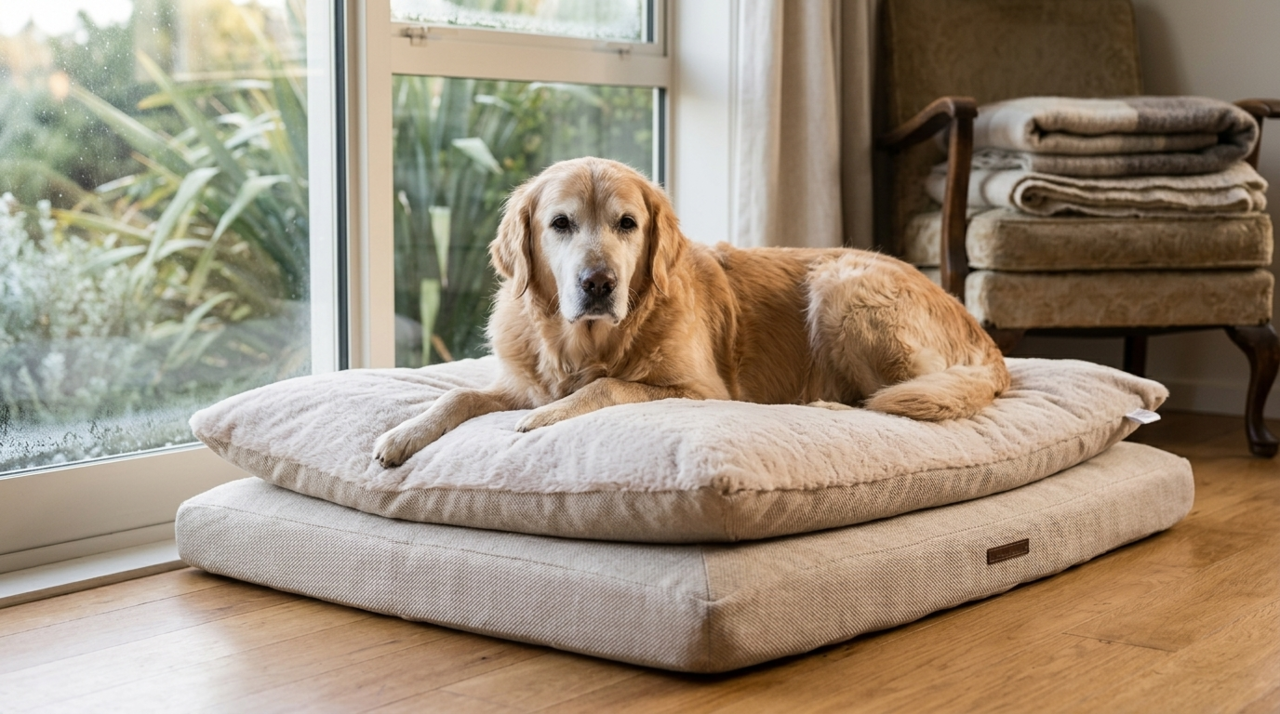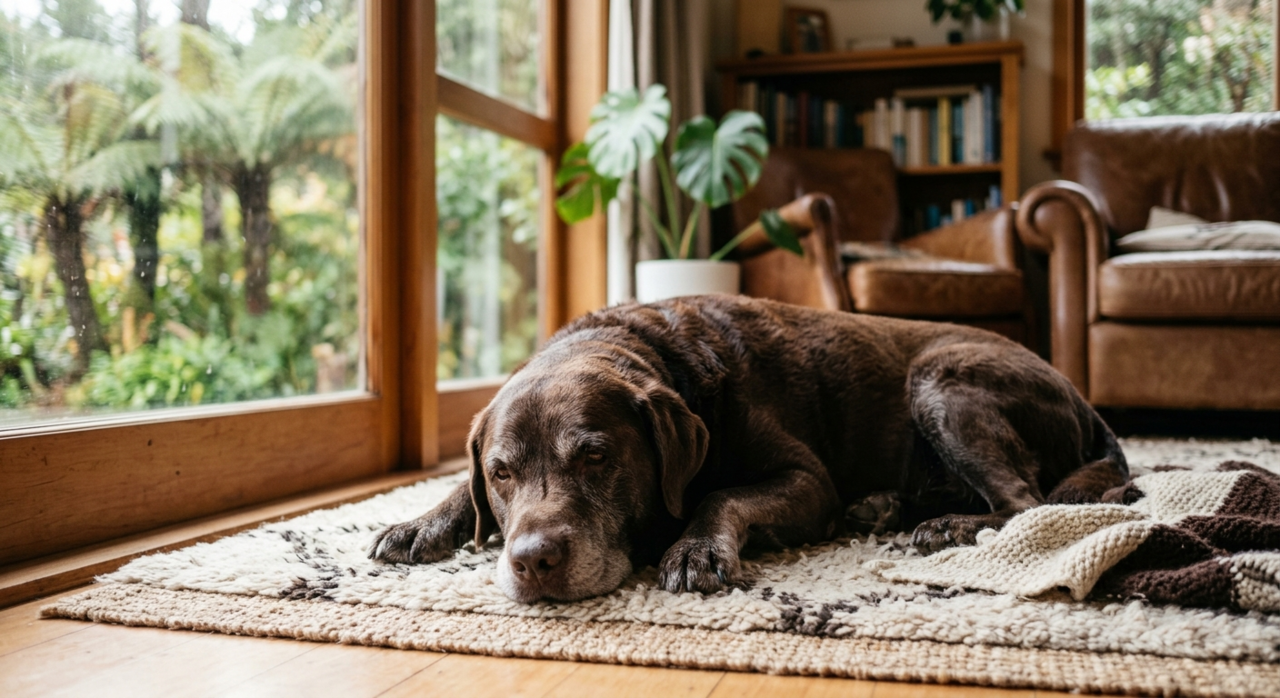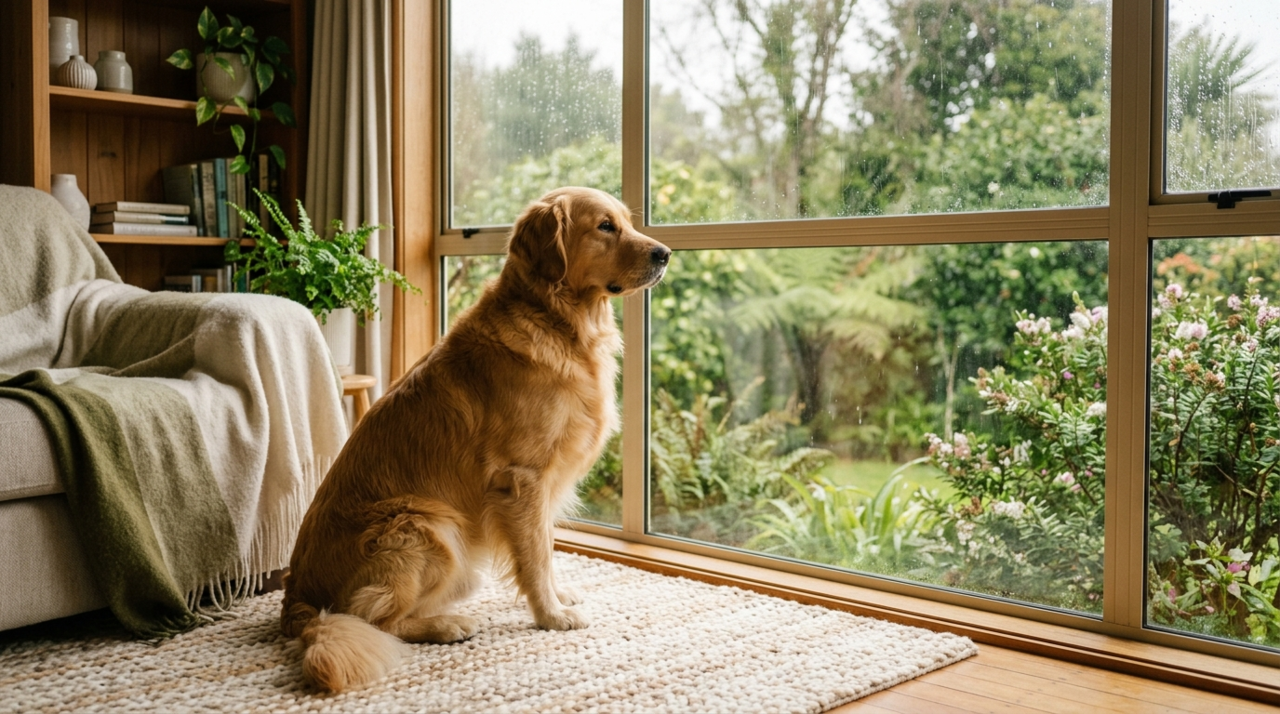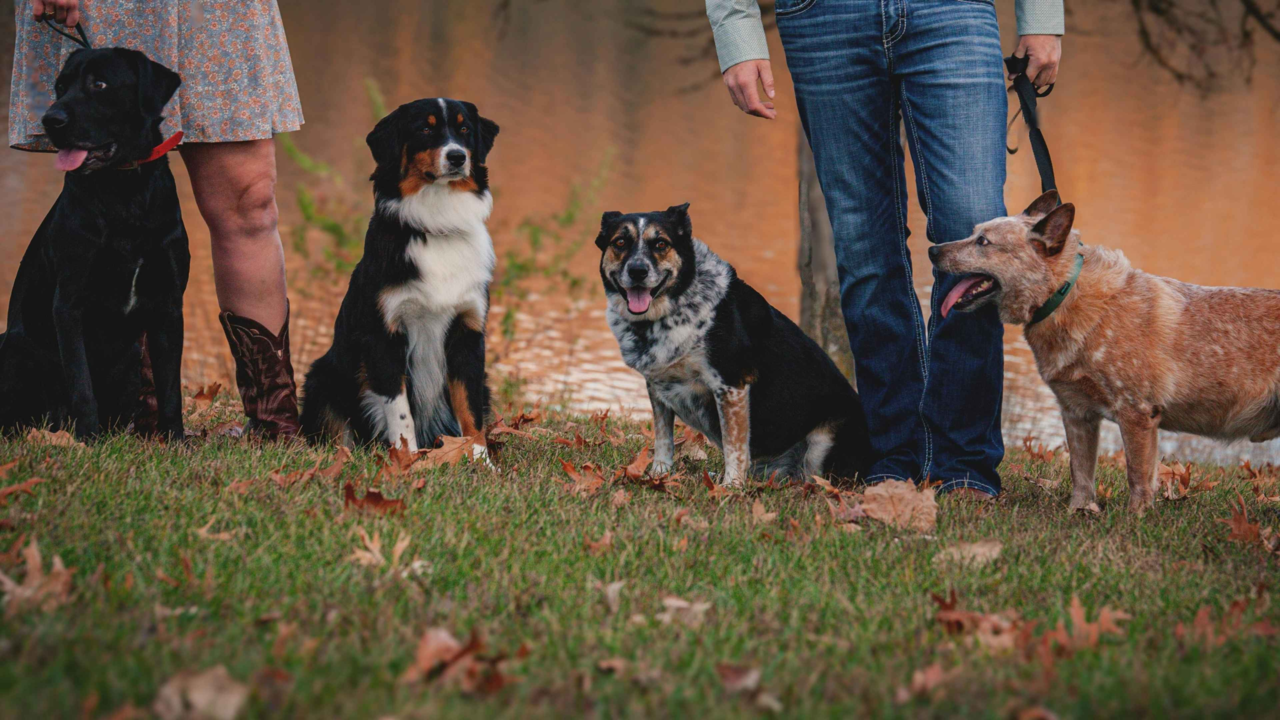
Winter walks in NZ are a different game. The footpaths are wet, the grass is muddy more often than not, the wind picks up a chill that finds the bits of your dog that aren't covered, and even on the dry days the cold ground pulls warmth out of paws that handled the same walk just fine a month ago.
Dog paws are tougher than they look, but they aren't invincible. The cold, wet, muddy NZ winter is when most paw problems show up, from cracked pads and split nails to itchy skin between the toes and the classic "mud-soaked dog at the back door" that needs a five-minute clean-up before they go anywhere near the carpet. Here's a practical guide to looking after your dog's paws through the winter months.
Quick answer
Look after your dog's paws this winter with three small daily habits: check them before and after walks (cracks, splinters, redness), wipe them clean when they come inside (mud and grit are the main culprits), and keep the pads moisturised with a pet-safe paw balm a couple of times a week. Trim nails a little more often since they wear down less on wet ground. Watch for limping, licking, or a dog suddenly slowing on walks. Most dogs don't need boots in NZ, but they're worth considering for very short-haired breeds, senior dogs, or dogs who walk on gravel or rough terrain. Anything weeping, smelly, or persistently sore is worth a clinic call.
Why Paws Need a Bit More Attention in Winter
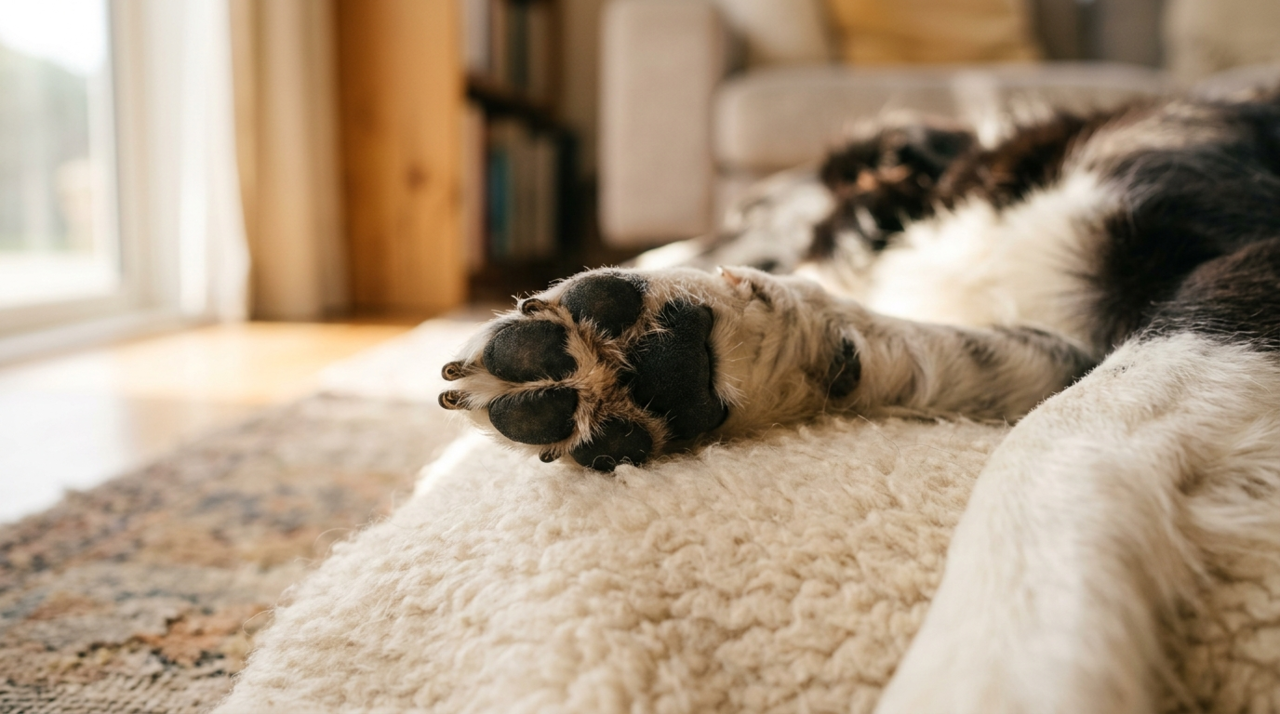
A dog's paw pads are made of tough, calloused skin, but they're still skin. When the temperature drops and the ground stays wet for days at a time, a few things happen at once that make winter paw problems more common than they are in summer.
Wet ground softens the pads
Constant damp softens calloused pads in the same way it softens your fingers in the bath. Soft pads scrape, crack and split more easily, so a small graze that wouldn't bother a dog in summer can turn into a noticeable limp in winter.
Cold ground draws warmth out
Paw pads are well-insulated for an active dog, but on very cold days they can lose heat faster than your dog can replace it. You'll often see a dog start lifting one paw at a time on a chilly walk, which is their way of warming back up.
Mud, grit and street debris
Wet weather brings grit, twigs, glass shards and small stones onto the footpath. Mud hides them, so dogs can step on something sharp without it being obvious until you spot a limp or a fleck of blood on the carpet at home.
Less natural wear on the nails
In summer, sealed footpaths and hard ground naturally file dog nails down a little with each walk. Wet, muddy winter walks take less off, so nails grow longer between trims. Long nails change the way a dog stands and can put extra pressure on the toe joints.
The Three-Step Winter Paw Routine
Most paw problems are prevented by small habits done consistently. A 60-second check before and after each walk, plus an occasional paw balm, sorts the majority of winter paw issues before they get going.
1. Quick check before the walk
Lift each paw, spread the toes gently, and have a look. You're checking for cracks in the pads, splits in the nail edges, redness between the toes, or anything stuck in the fur (a tiny burr or a piece of plant matter). 30 seconds total, and you'll spot problems before they get worse on the walk.
2. Wipe down on the way back in
Have a microfibre towel and a pack of pet-safe wipes by the door. Wipe each paw before they come inside: it removes mud, salt, grit and anything sharp that might still be wedged between the toes. It also gives you a second chance to spot anything you missed in the pre-walk check, plus it keeps your floors a lot tidier.
3. Moisturise the pads twice a week
A pet-safe paw balm rubbed into the pads two or three times a week through winter keeps the calloused skin supple and stops cracks forming. Apply after the post-walk wipe-down so the balm goes onto clean, dry pads. Most dogs aren't bothered by it, and many lick a tiny bit off, which is why pet-safe balm matters (don't use human hand cream).
Paw Balms Worth Considering
Look for a balm that's NZ-made or pet-formulated, with simple ingredients like beeswax, manuka, coconut oil or lanolin. Avoid anything with strong fragrance or essential oils that dogs shouldn't ingest. Two NZ-made favourites at Petdirect are the WashBar Dog Paw Balm and Vet Love Naturally Paw Balm.
For the wipe-down step, an antibacterial pet wipe (like the M-PETS Antibacterial Wipes) handles general mud and grit, while soft fingertip wipes are useful for getting between the toes and around the eyes if your dog has a longer coat that picks things up.
Should Your Dog Wear Boots This Winter?
Most NZ dogs don't need winter boots. The temperature rarely drops low enough to genuinely threaten paw skin, and most dogs find boots awkward at first. That said, there are a few situations where they're worth a try.
Very short-haired or thin-skinned breeds
Whippets, Italian Greyhounds, French Bulldogs and other thin-coated breeds notice the cold ground much sooner than thicker-coated dogs. If your dog hesitates to keep walking in winter, lifts paws, or refuses to walk on icy footpaths, boots can help.
Senior dogs and dogs with sore joints
Older dogs feel cold harder, and arthritic joints often get worse in winter. Boots add a bit of insulation between the cold ground and stiff joints, which can mean the difference between an enjoyable walk and one your dog wants to cut short.
Dogs walking on rough or sharp terrain
Loose gravel, broken footpaths, beach pebbles and forestry tracks all chew on paws faster in winter when pads are softer. Dogs who walk these regularly often do better in a set of protective boots.
Dogs with cracked or healing pads
If your dog has an existing paw issue (cracked pad, healing graze, post-clinic wound), boots keep the area dry and clean while it heals. Use as a temporary measure rather than a long-term habit.
For most NZ dogs, non-slip socks are a useful middle ground: they give a bit of grip on slippery floors when paws are softer, without needing the full step-up to outdoor boots. Trixie make a popular pair, and their walker boots are a sturdier option for more demanding walks.
Introducing boots to a dog who's never worn them
Most dogs do the "walking like a cat on hot tin roof" routine the first time you put boots on. Let them wear them inside for 5 to 10 minutes at a time with lots of treats and a quick game, then build up. Don't head straight out for a 45-minute walk in new boots. Many dogs are walking normally in them within a week.
Mud Bath Management: Cleaning the Whole Dog
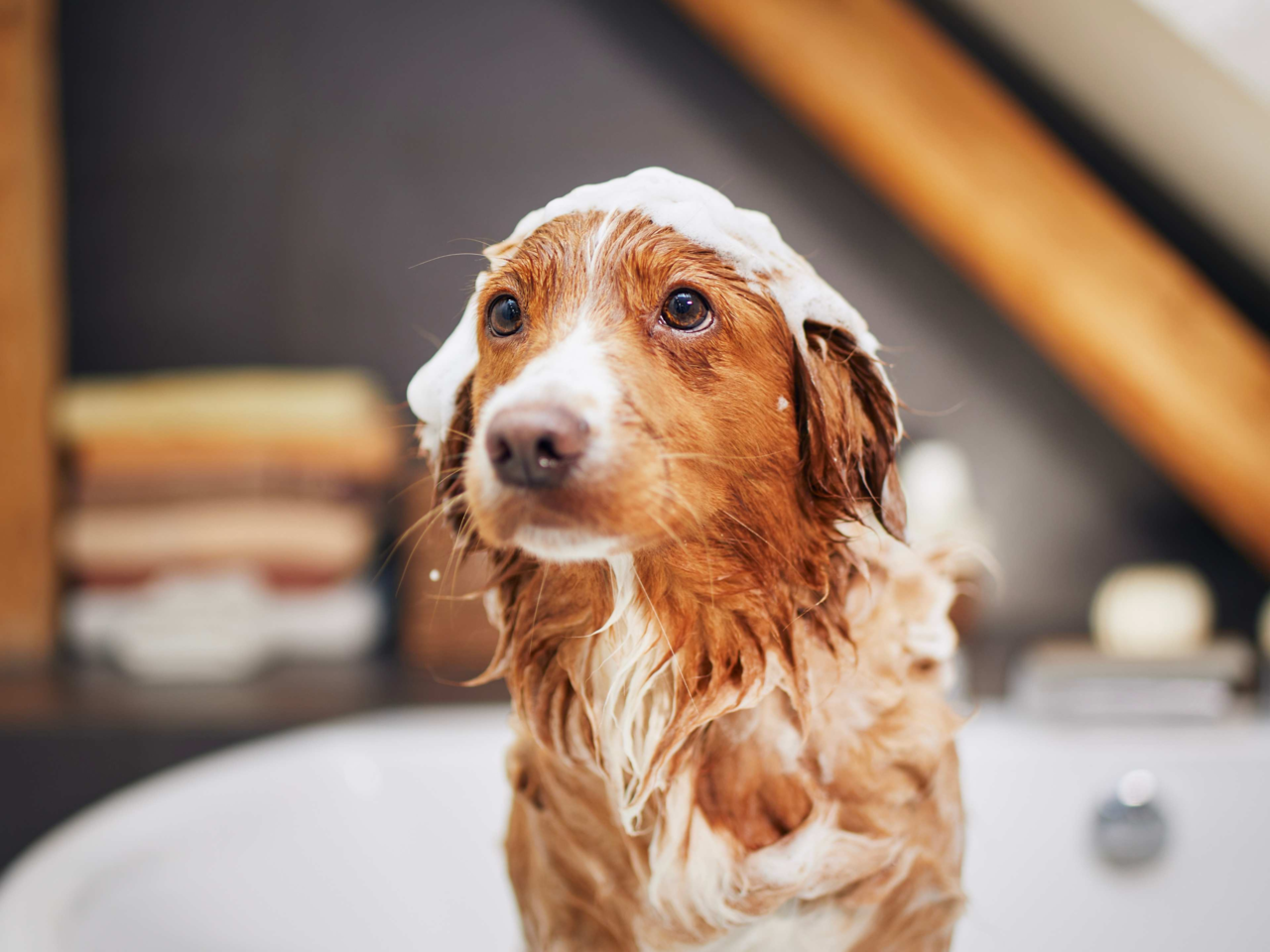
Sometimes a paw wipe doesn't cut it. After a particularly muddy walk, a full bath or a rinse-down is the way to go. Use a gentle, soothing shampoo so you're not stripping the coat's natural oils, especially if you're bathing more often through winter.
Dry your dog thoroughly after a bath, especially the paws, the chest and the underside. A damp dog who heads straight back outside in winter can lose body heat quickly. For dogs who don't enjoy a full bath, a quick rinse of the paws and belly under a warm tap on the laundry sink is often enough.
Nails: The Winter Trim Schedule
Because dogs naturally wear less of their nails down on wet winter ground, you'll often need to trim a little more often than in summer. Most dogs benefit from a trim every 3 to 4 weeks through winter, compared to every 4 to 6 weeks in summer.
A simple at-home check: if you can hear the click of your dog's nails on a hard floor, they're a touch too long. The nails should just clear the floor when your dog is standing naturally.
Why long nails matter more than people think
Long nails change the way a dog distributes their weight, pushing more pressure onto the back of the paw and into the toe joints. Over time this can cause discomfort, change a dog's gait, and contribute to slipping on hard floors. Keeping nails trimmed in winter (when the natural wear is lower) is one of the quietest contributions to a comfortable older dog.
Skin and Coat Support From the Inside
Healthy paws benefit from healthy skin generally, and a daily omega-3 supplement supports skin and coat condition over the winter months when both the air and the ground take more out of them. Omega Plus King Salmon Oil is the most popular pick at Petdirect, and Fourflax Skin & Coat oil is an NZ-made alternative worth considering.
For senior dogs, joint chews like Blackmores PAW Osteocare work well alongside the omega for keeping older dogs comfortable on cold-weather walks.
Frequently Asked Questions
Do I really need a paw balm if my dog's pads look fine?
You don't have to use one, but a balm a couple of times a week through winter does a great job of preventing cracks before they appear. It's quicker than treating a cracked pad once it shows up. Most dogs barely notice the application, and the pads stay supple all season.
Can I use Vaseline or hand cream on my dog's paws?
Best not to. Human hand creams and Vaseline aren't formulated for dogs and many contain fragrances or ingredients dogs shouldn't ingest. A pet-safe paw balm with simple natural ingredients (beeswax, coconut oil, manuka) is the safer bet.
How can I tell if my dog is cold on a walk?
Watch for lifting paws one at a time (often the front ones), shivering, slowing down, tucking the tail, or looking for direction back home. Very short-coated, very small, and senior dogs feel cold sooner than thicker-coated working breeds. A dog coat plus boots (if needed) often sorts it, but it's also okay to shorten walks on the coldest days.
My dog hates having their paws wiped. Any tips?
Start gently and pair it with a high-value treat for each paw. The first few times, just touch each paw briefly with the towel and treat. Build up to a proper wipe over a couple of weeks. Most dogs come to tolerate it, and many start lifting paws on cue. Doing it the same way every time helps.
Should I cut the hair between my dog's toes in winter?
For long-coated breeds, a small trim of the hair that grows between and just over the pads can help. Less hair means less mud, snow and ice picking up and forming little balls between the toes. Use round-tip scissors or have your groomer do it.
How often should I bath my dog through winter?
Most dogs do well with a bath every 4 to 6 weeks through winter, with paw rinses and wipe-downs in between as needed. Bathing too often can strip the coat's natural oils and make the skin drier, especially in heated indoor air. Stick with an oatmeal or gentle shampoo to keep the coat in good shape.
Are heated footpaths and salt a problem in NZ?
Not really. Unlike colder parts of the world, NZ rarely uses road salt or chemical de-icers, so the pad-burning issues you read about overseas don't generally apply here. The bigger NZ winter issues are wet ground, mud, grit and cold-weather pad sensitivity.
Winter Paw Care Essentials at Petdirect
Find paw balms, pet wipes, soothing shampoos, non-slip socks, boots, nail clippers and omega-3 supplements all in one place. Save with Autodeliver on the everyday items, and enjoy everyday member pricing as part of Pet Perks.
SHOP THE WINTER HUB