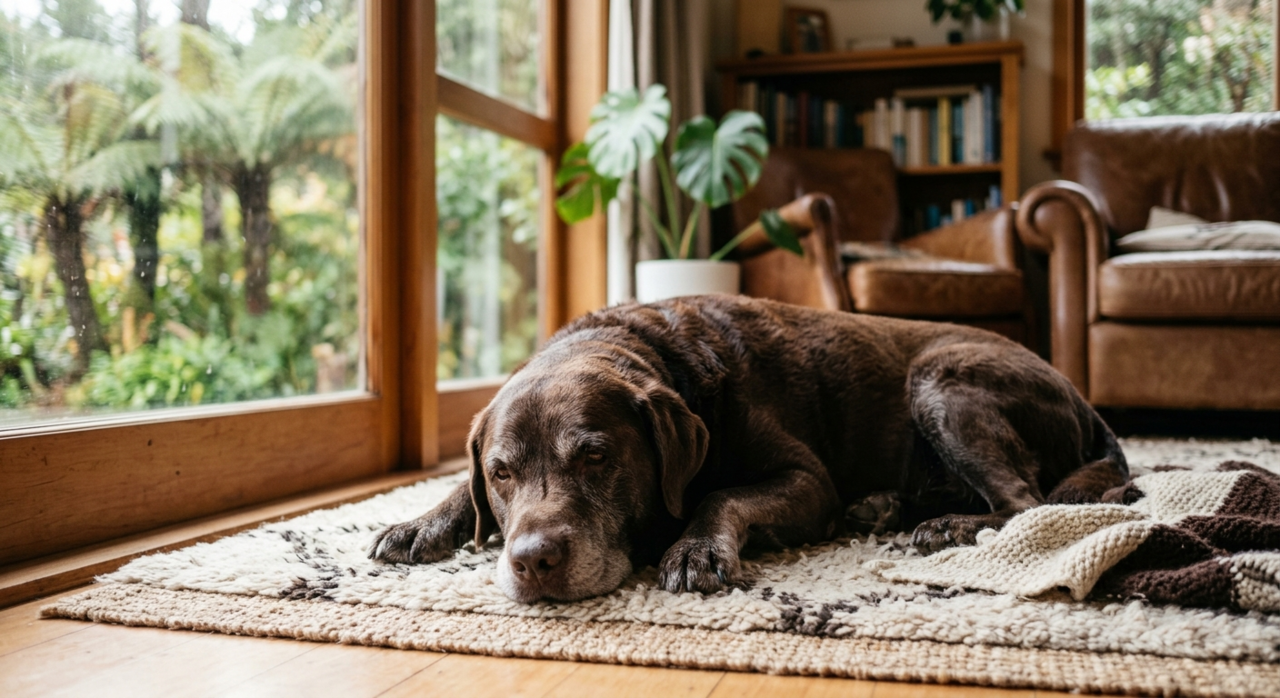
If your senior dog is moving more slowly through winter, taking longer to get up from their bed, or hesitating before jumping into the car, you're noticing something a lot of NZ dog owners spot once the weather turns. Cold, damp days can make existing joint stiffness more obvious, and for older dogs whose joints are already feeling their years, winter is often when small issues become more visible.
Here's a friendly look at why cold weather affects older dog joints, what to watch for, and the practical things you can do at home to help. We're not a clinic, so anything that's new, getting worse quickly, or affecting how your dog walks is worth a chat with your clinic.
Quick answer
Cold weather doesn't cause joint problems but it can make existing stiffness worse. Older dogs feel it most because their joints are already a little less cushioned. The main things that help: a warm orthopaedic bed away from drafts, a coat for outdoor time, gentle daily movement (rather than long weekend walks), joint supplements containing omega-3s and green lipped mussel, and warming up slowly before exercise. Petdirect's Winter Hub has everything in one place.
Why Cold Weather Makes Joints Feel Worse
Muscles tighten in the cold
Cold air makes muscles contract a little. For an older dog whose joints rely on surrounding muscles for support, that extra tension can make movement feel less fluid, especially first thing in the morning.
Joint fluid thickens slightly
The fluid that cushions joints can feel a bit thicker when temperatures drop. It's part of why even people often feel a stiffness in cold weather. Older dogs feel it more because they have less cushioning to begin with.
Less daily movement
NZ winters mean shorter, wetter walks. Less consistent movement means more stiff time on the couch, which can make joints feel worse rather than better. Joints prefer steady gentle activity to long stretches of stillness.
Damp conditions
Dampness combined with cold tends to be the harder combination than cold alone. Wet grass, damp beds, and humid mornings can all make older dogs slower to warm up.
Cold floors
Hard, cold flooring (concrete, tiles, polished wood) is uncomfortable for older joints to lie on or push up from. Senior dogs often slip more on smooth floors in winter as they brace against the cold.
Existing arthritis
If your dog already has some arthritis, cold and damp tends to flare the symptoms. The arthritis itself doesn't change with weather, but how it feels day to day often does.
Signs Your Senior Dog's Joints Are Feeling the Cold
- Slower to get up from their bed, especially in the morning
- Stiff first few steps that loosen up after a minute or two of walking
- Hesitating before jumping into the car, onto the couch or up stairs
- Shaking out a back leg or licking a particular joint
- Reluctance to go outside in the rain or cold
- Choosing different sleeping spots away from cold floors or drafts
- Slowing down on walks earlier than usual
- More frequent shifting when lying down, trying to get comfortable
One or two of these on a really cold morning isn't unusual. A pattern that builds through winter, or signs that don't improve once the dog warms up and gets moving, are worth raising with your clinic. The blog Is Your Dog Slowing Down or in Pain? goes deeper on telling the difference.
Warm, Supportive Bedding
The single biggest difference for most senior dogs in winter is where they sleep. An orthopaedic bed lifted off the cold floor, with memory foam to take pressure off joints, makes mornings noticeably easier. Add a soft blanket and place the bed away from drafts.
Tip: keep the bed in the warmest part of the house, well away from drafts under doors. Some senior dogs settle in better with a warm blanket layered over the top, especially overnight.
Joint-Supporting Supplements
Supplements aren't a quick fix, but the most popular ones with NZ owners support older dogs steadily over time. Look for ingredients like green lipped mussel (a Kiwi staple for joint support), omega-3s from fish oil, and glucosamine. Give every day for at least 4 to 6 weeks before judging whether they're helping.
Many of these are great with Autodeliver, since they work best when given consistently every day.
Smarter Winter Exercise
Joints prefer steady regular movement to long weekend bursts. The aim in winter is little and often, gently warmed up.
Warm up before walks
A few minutes of slow indoor walking before you head out helps loosen muscles. Don't head straight from the warm couch into a brisk cold walk.
Shorter, more frequent walks
Two 15-minute walks suit older joints better than one 45-minute walk. Steady movement throughout the day beats long stationary stretches.
Keep them dry
A warm coat for cold or wet days helps senior dogs stay comfortable on walks. Towel-dry properly when you get home so they're not lying around damp.
Avoid slippery surfaces
Wet decks, polished floors and icy paths are harder on senior joints. Take a slower route or add a non-slip mat in the spots they hesitate.
Skip jumping
Help them in and out of the car, and consider a ramp or pet stairs for the couch and bed. Repeat jumping wears at older joints quickly.
Indoor enrichment
On wet days, a snuffle mat, lick mat or treat-dispensing toy gives them mental work without any physical strain. See Dog Enrichment Routine Ideas for more.
Paw Care for Cold Walks
Cold pavements, wet paths and salt around driveways can leave older paw pads dry, cracked or sore. A quick wipe-down after walks plus a gentle paw balm helps a lot.
The Daily Winter Routine That Helps Most
If you bundle the above into a simple routine, here's what works for most older dogs:
- Start the morning with a warm bed in a draft-free spot. Resist the urge to wake them up too quickly.
- A gentle indoor amble for a few minutes before any walk to warm the muscles.
- Joint supplement with breakfast (consistent timing helps build the habit).
- Two shorter walks, with a coat on cold or wet days, and a towel-down at the door.
- Indoor enrichment on really wet days instead of forcing a walk.
- A second comfortable resting spot in the main living area so they don't have to choose between staying near you and lying somewhere warm.
- Paw balm in the evening if pads look dry.
Petdirect's Winter Hub brings together the seasonal essentials in one place if you want to refresh the kit before the cold settles in.
When to Get It Checked
Plenty of winter stiffness is just the season catching up with older joints, but some signs are worth raising with your clinic:
- A new limp that doesn't ease after a few minutes of movement
- Sudden reluctance to put weight on a leg
- Yelping or flinching when touched on a joint
- Loss of appetite or low mood alongside stiffness
- Stiffness that's getting noticeably worse week to week, not just on a cold morning
Your clinic can help you understand what's going on and whether there's anything worth adding to your dog's routine.
Frequently Asked Questions
Does cold weather make arthritis worse in dogs?
Cold and damp don't change the arthritis itself, but most owners notice their dog feels stiffer through winter. Warm bedding, joint supplements, gentle daily movement and a coat on cold walks all help reduce how much they feel it.
How can I tell if it's just stiffness or actual pain?
Stiffness usually loosens up after a few minutes of movement. Pain tends to stay through the walk, may show as limping, yelping or licking a specific joint, and doesn't ease as the dog warms up. The blog Is Your Dog Slowing Down or in Pain? goes through it in more detail.
Should my older dog wear a coat in winter?
Most senior dogs benefit from a coat on cold or wet walks, especially short-haired or thin-coated breeds. Pick one that covers the chest and lower back. The Winter Hub has the current range.
What's the best supplement for senior dog joints?
The most popular options pair green lipped mussel with omega-3s. Daily consistency matters more than the specific brand. Give for at least 4 to 6 weeks before judging. Our complete supplement guide covers the full range.
Should I keep walking my older dog if they're stiff?
Yes, gentle regular movement is one of the best things for older joints. Aim for shorter walks more often, warm them up first with a slow indoor walk, and skip walks if it's pouring with rain or particularly icy. Joints stiffen when they sit still.
Is an orthopaedic bed worth it?
For an older dog, yes. Memory foam takes pressure off joints, the raised position keeps them off cold floors, and the better night's sleep usually shows in how they move the next morning.
How long until joint supplements work?
Most owners see a difference at the 4 to 6 week mark when supplements are given every day. They support joints over time rather than easing pain on the day, so consistency is the main thing.
What if my dog is too stiff to walk at all on a cold morning?
Skip the walk that morning, keep them warm and comfortable, and offer some indoor enrichment instead. If it happens repeatedly or they're not back to themselves later that day, get it checked at your clinic.
Winter Joint Support Essentials
Find orthopaedic beds, joint supplements, warm coats and paw balms in one place. Save with Autodeliver on supplements, and enjoy everyday member pricing as part of Pet Perks.
SHOP THE WINTER HUBRelated Reading
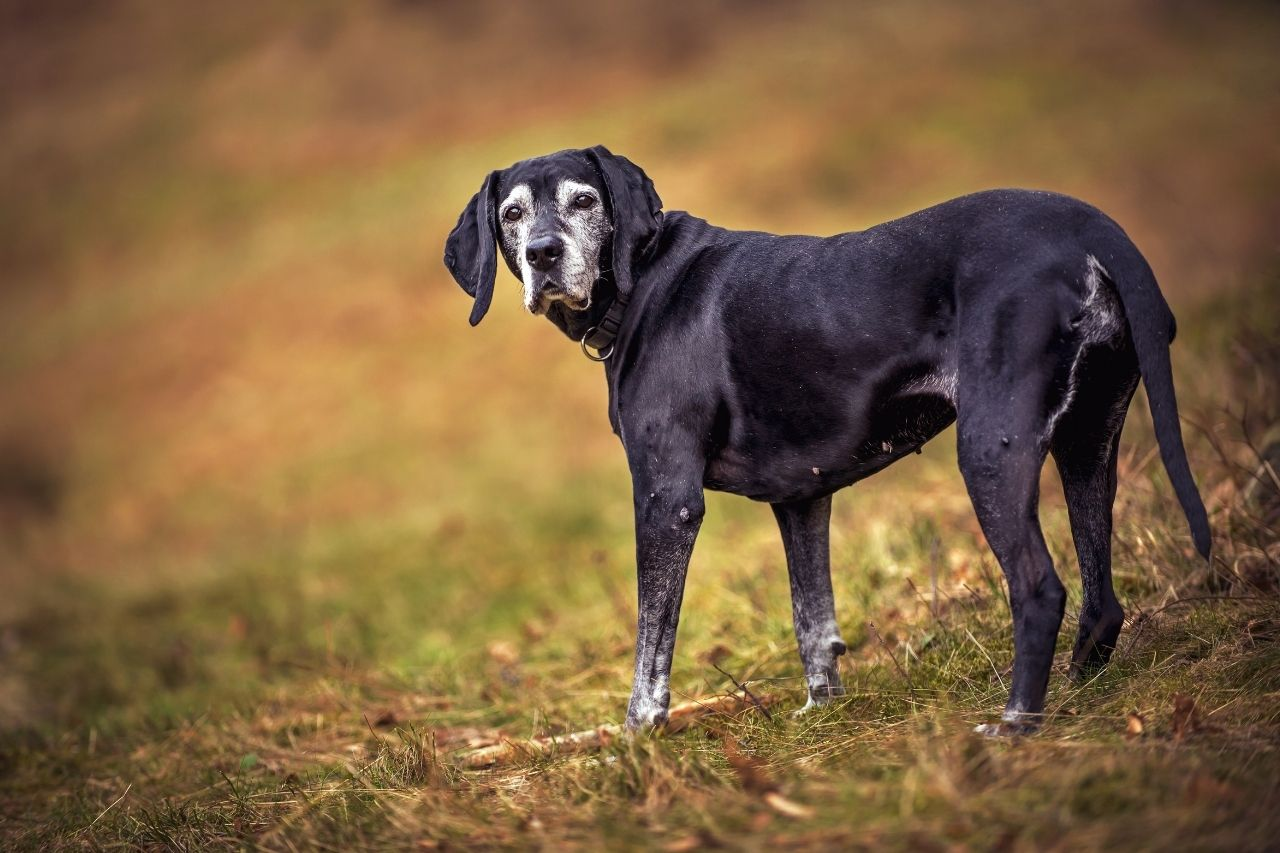
Joint Health for Senior Dogs: The Complete NZ Supplement Guide
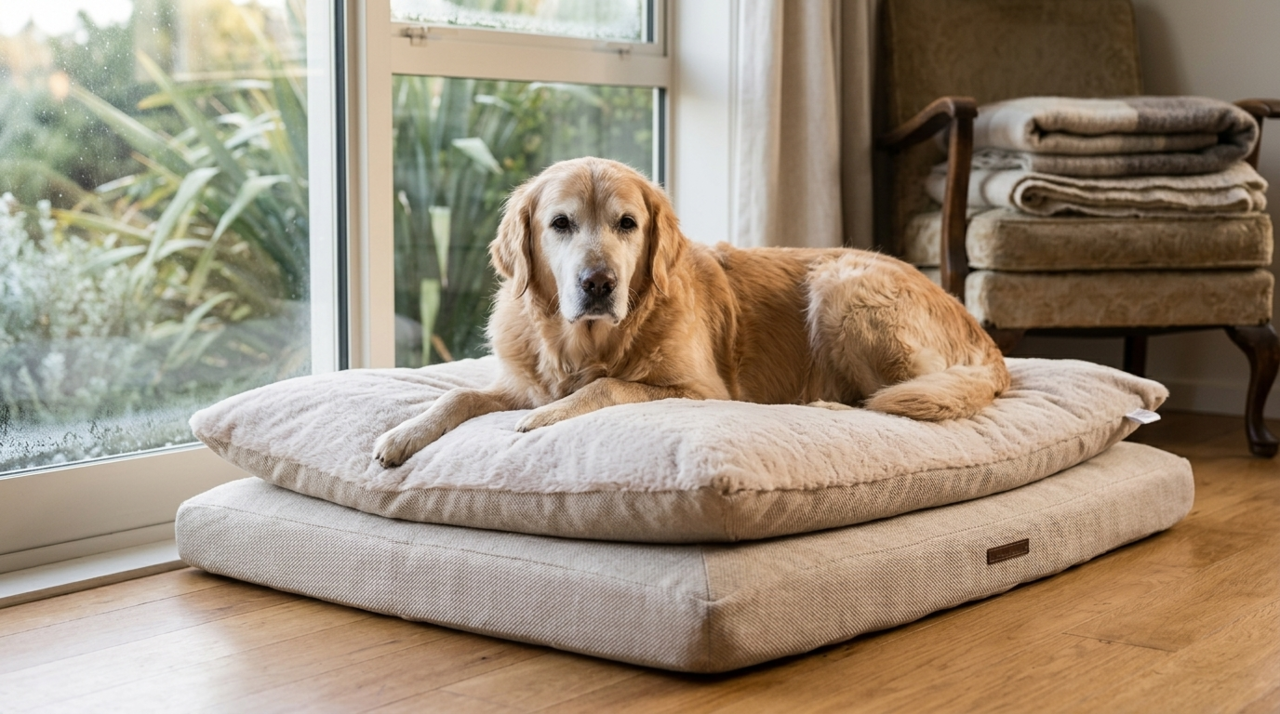
Keeping Your Senior Dog Warm This Winter
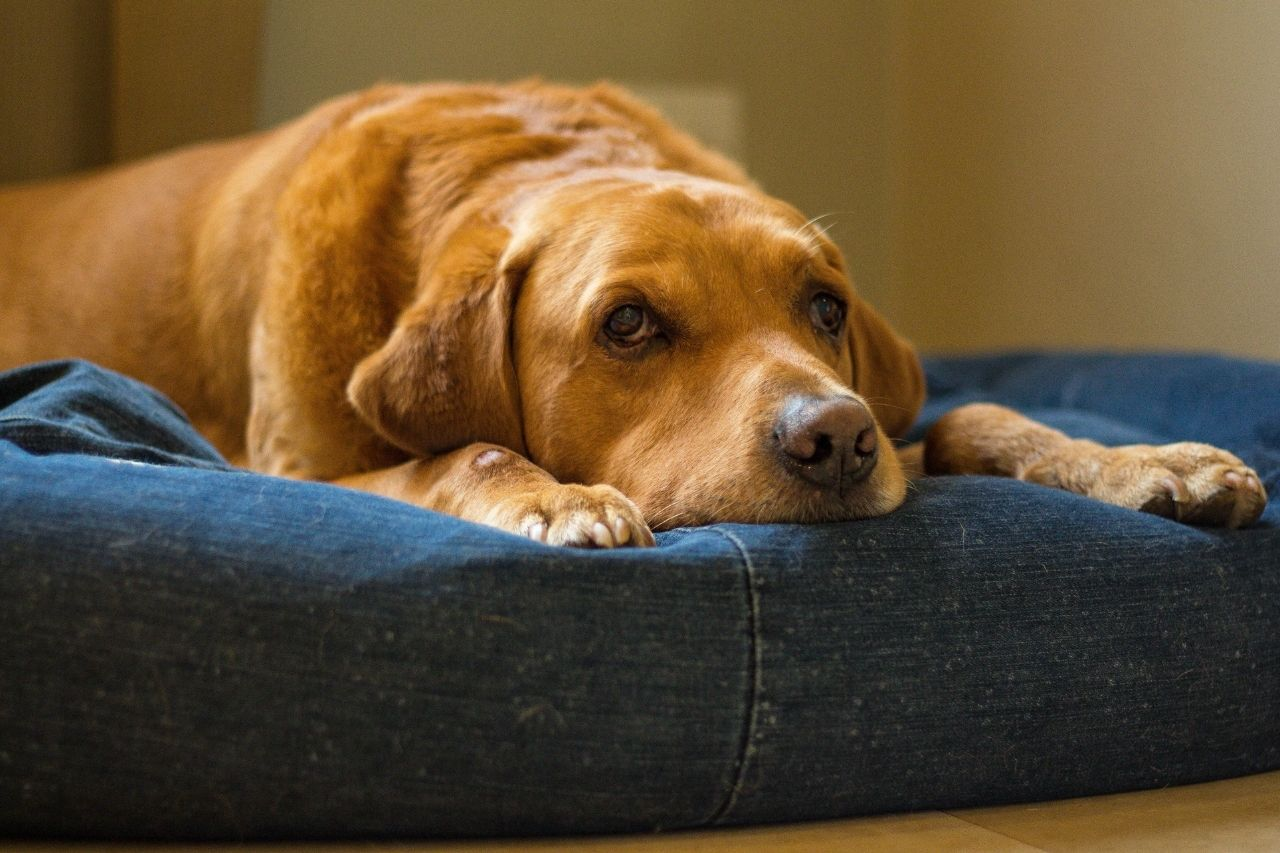
7 Signs of Arthritis in Dogs That Owners Often Miss
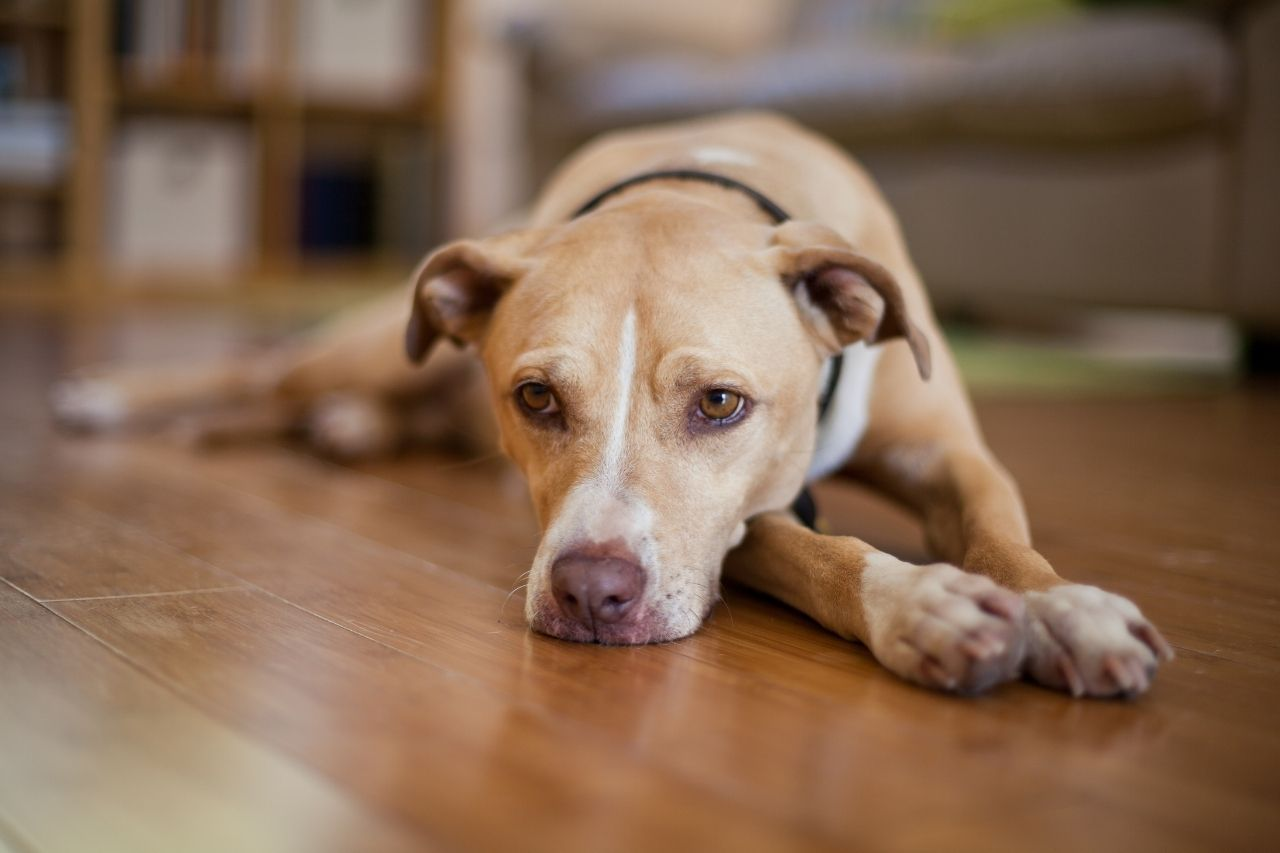
Is Your Dog Slowing Down or in Pain?
Autumn Wellness Check: Preparing Your Senior Dog for the Cooler Months
Best Dog Food for Senior Dogs in New Zealand