
Arthritis is one of the most common health conditions in older dogs, but it is also one of the most under-recognised. Studies suggest that up to 80% of dogs over 8 years of age have some degree of arthritis, yet many owners do not realise their dog is affected until the condition is well advanced.
The reason? Dogs are naturally inclined to hide pain. The early signs of arthritis are often subtle and easy to mistake for normal ageing. This guide covers seven signs that owners commonly miss, what to do if you spot them, and how to support your dog's joint health at home.
The 7 Signs of Arthritis Owners Often Miss
1. Slow to Get Up After Resting
One of the earliest and most commonly overlooked signs. If your dog takes a moment to "warm up" after lying down, or seems stiff for the first few steps before loosening up, that is not just old age. It is a classic indicator of joint inflammation. You might notice it most in the morning or after a long nap.
2. Sitting or Lying Down Differently
Dogs with sore joints often change how they position themselves. You might notice your dog sitting with one leg kicked out to the side instead of tucked underneath, or lying in unusual positions to take pressure off a painful joint. If your dog used to curl up tightly and now stretches out flat, joint discomfort could be the reason.
3. Reluctance to Jump or Climb
A dog that used to leap onto the couch or bound up the stairs but now hesitates, waits to be lifted, or avoids these activities altogether is likely experiencing joint pain. This is one of the signs owners most often attribute to "just getting older" when it is actually a sign of discomfort.
4. Lagging Behind on Walks
If your dog is walking slower than usual, stopping more frequently, or sitting down during walks, their joints may be causing them discomfort. Some dogs will still seem enthusiastic at the start of a walk but slow down significantly partway through as their joints stiffen up.
5. Licking or Chewing at Joints
Dogs often lick or chew at areas that are causing them pain. If you notice your dog repeatedly licking their wrists, elbows, hips, or knees, it could be their way of trying to soothe joint discomfort. Over time, this can cause hair loss or skin irritation in the area.
6. Changes in Mood or Behaviour
Chronic pain affects mood. A dog with arthritis may become more withdrawn, less interested in play, or irritable when touched in certain areas. Some dogs become clingy or anxious, while others prefer to be left alone. If your dog's personality has shifted and there is no obvious cause, pain could be a factor.
7. Muscle Loss Around the Hips or Shoulders
When a dog favours one leg or avoids using a painful joint, the muscles around that joint gradually waste away. You might notice one hip looking thinner than the other, or the muscles along the back legs appearing less defined. This is called muscle atrophy and it is a sign that your dog has been compensating for joint pain for some time.
Which Dogs Are Most at Risk?
Any dog can develop arthritis, but some are more prone than others.
Large and Giant Breeds
Breeds like Labradors, German Shepherds, Golden Retrievers, Rottweilers, and Great Danes carry more weight on their joints and are more likely to develop arthritis earlier in life.
Overweight Dogs
Excess weight puts additional strain on joints and accelerates cartilage wear. Keeping your dog at a healthy weight is one of the most effective ways to reduce arthritis risk and slow its progression.
Dogs with Previous Injuries
A torn cruciate ligament, a fracture, or joint surgery earlier in life can increase the likelihood of arthritis developing in that joint later on. Dogs with hip or elbow dysplasia are also at higher risk.
What to Do If You Spot These Signs
If you recognise any of these signs in your dog, the best first step is to book a check-up with your vet. They can assess your dog's joints, determine the severity, and discuss the right management plan. Early intervention makes a real difference in keeping your dog comfortable and mobile for longer.
In the meantime, here are some things you can do at home to support your dog.
- Keep walks short and gentle. Regular, low-impact movement is better than long or intense exercise. See our guide to low-impact exercises for senior dogs.
- Provide a supportive, orthopaedic bed that cushions joints while resting.
- Use ramps or steps to help your dog get onto furniture or into the car without jumping.
- Place non-slip mats on hard floors to prevent slipping, which can worsen joint pain.
- Keep your home warm in winter, as cold weather tends to make joint stiffness worse.
- Consider a joint supplement to support cartilage health and reduce inflammation. For a full breakdown, see our joint health supplement guide for senior dogs.
- Feed a senior-specific diet with added joint support nutrients. See our guide to the best senior dog food in NZ.
Joint Supplements That Can Help
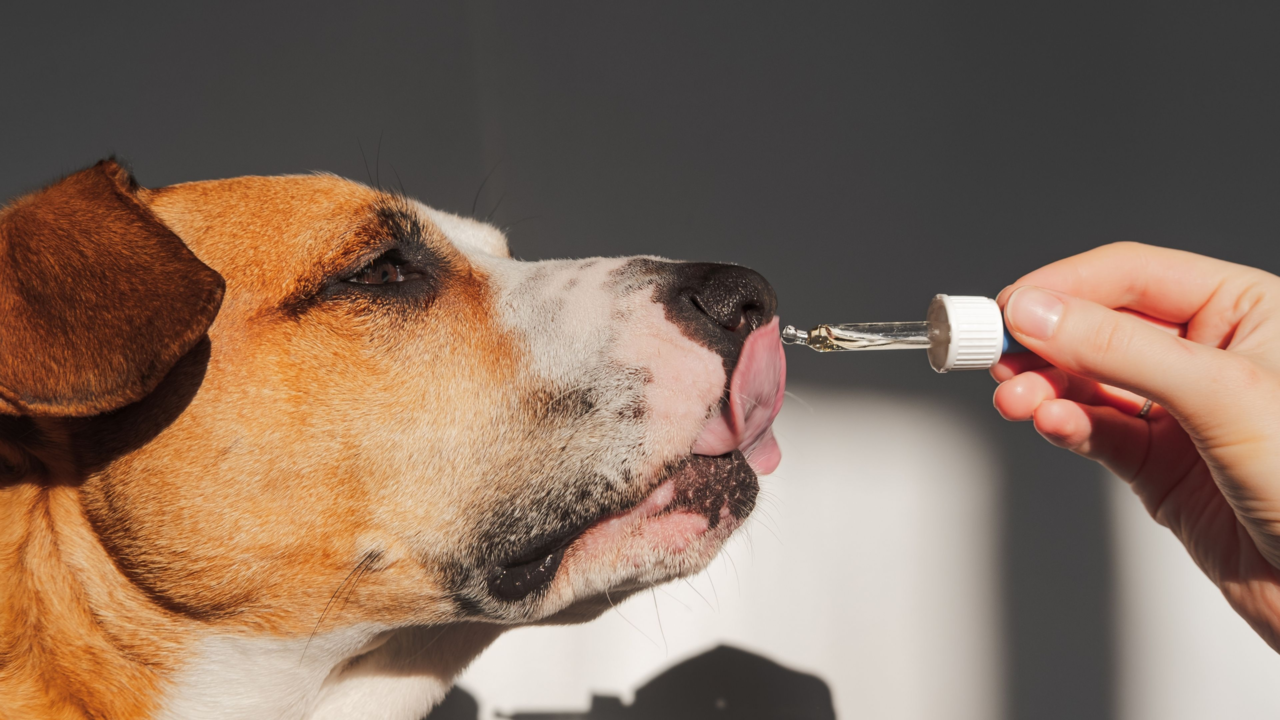
Joint supplements can support cartilage health, help reduce inflammation, and improve comfort. They work best when started early and used consistently as part of a broader care plan.
4CYTE Epiitalis Forte Gel uses a plant-based extract to support cartilage production. Blackmores PAW Osteocare Chews are a tasty daily chew with glucosamine and chondroitin. Nutreats Vitals Hip and Joint uses NZ green-lipped mussel, available as both a powder and soft chews. Fourflax Bone and Joint Oil is a flaxseed-based omega-3 oil that supports joint health and reduces inflammation. Korure Pets Green Lipped Mussel Powder is another NZ-made option. Always check with your vet before starting a new supplement, especially if your dog is on medication.
Frequently Asked Questions
At what age do dogs typically develop arthritis?
Arthritis can develop at any age, but it is most common in dogs over 7 or 8 years. Large and giant breeds may show signs earlier, sometimes from 5 or 6 years of age. Dogs with previous joint injuries or dysplasia can develop arthritis even younger.
Can arthritis in dogs be cured?
Arthritis cannot be cured, but it can be managed effectively. A combination of weight management, gentle exercise, joint supplements, a supportive diet, and home modifications can significantly improve your dog's comfort and mobility. Your vet may also recommend pain relief medication for more advanced cases.
Should I stop exercising my dog if they have arthritis?
No. Regular, gentle exercise is important for maintaining joint mobility and muscle strength. The key is to reduce intensity and duration rather than stopping altogether. Short, frequent walks on flat ground are ideal. Swimming is also excellent because it provides exercise without putting weight on the joints.
Do joint supplements actually work?
Many dog owners report noticeable improvements in their dog's mobility and comfort after 4 to 6 weeks of consistent use. Ingredients like glucosamine, chondroitin, omega-3 fatty acids, and green-lipped mussel all have evidence supporting their use for joint health. Supplements work best as part of a broader care plan rather than as a standalone treatment.
How can I tell if my dog is in pain or just slowing down?
Normal ageing is gradual and your dog still seems content. Pain tends to cause more noticeable changes like limping, reluctance to move, restlessness, or mood shifts. For a detailed comparison, read our guide on how to tell if your dog is slowing down or in pain.
Is arthritis worse in winter?
Many dog owners notice their dog's stiffness worsens in cold, damp weather. Keeping your home warm, providing a heated or well-insulated bed, and maintaining gentle exercise through winter can all help manage seasonal flare-ups.
Support Your Dog's Joint Health
Browse joint supplements, senior dog food, and comfort products to help your dog stay mobile and comfortable. Save with Autodeliver, enjoy everyday member pricing with Pet Perks, and free shipping on orders over $79.
SHOP JOINT SUPPLEMENTSRelated Reading
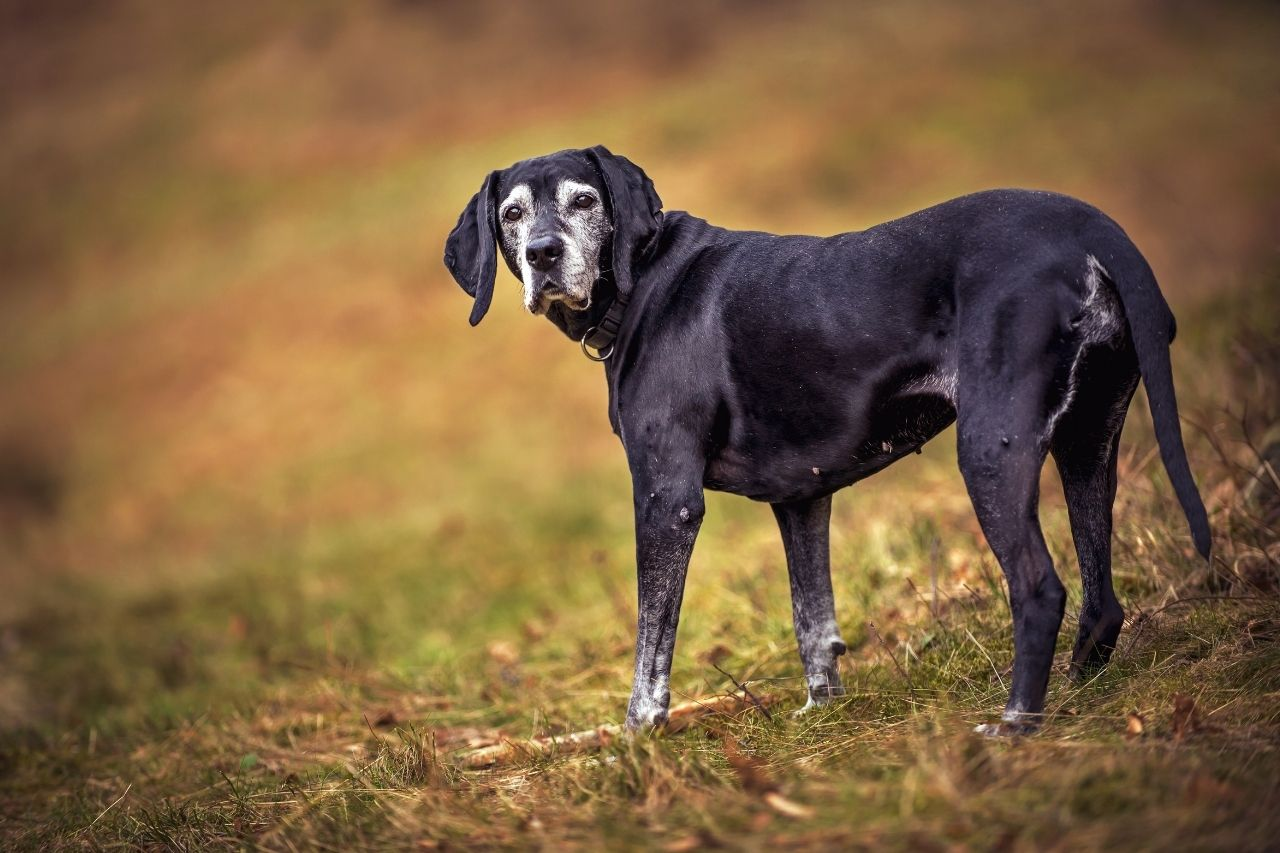
Joint Health for Senior Dogs: The Complete NZ Supplement Guide
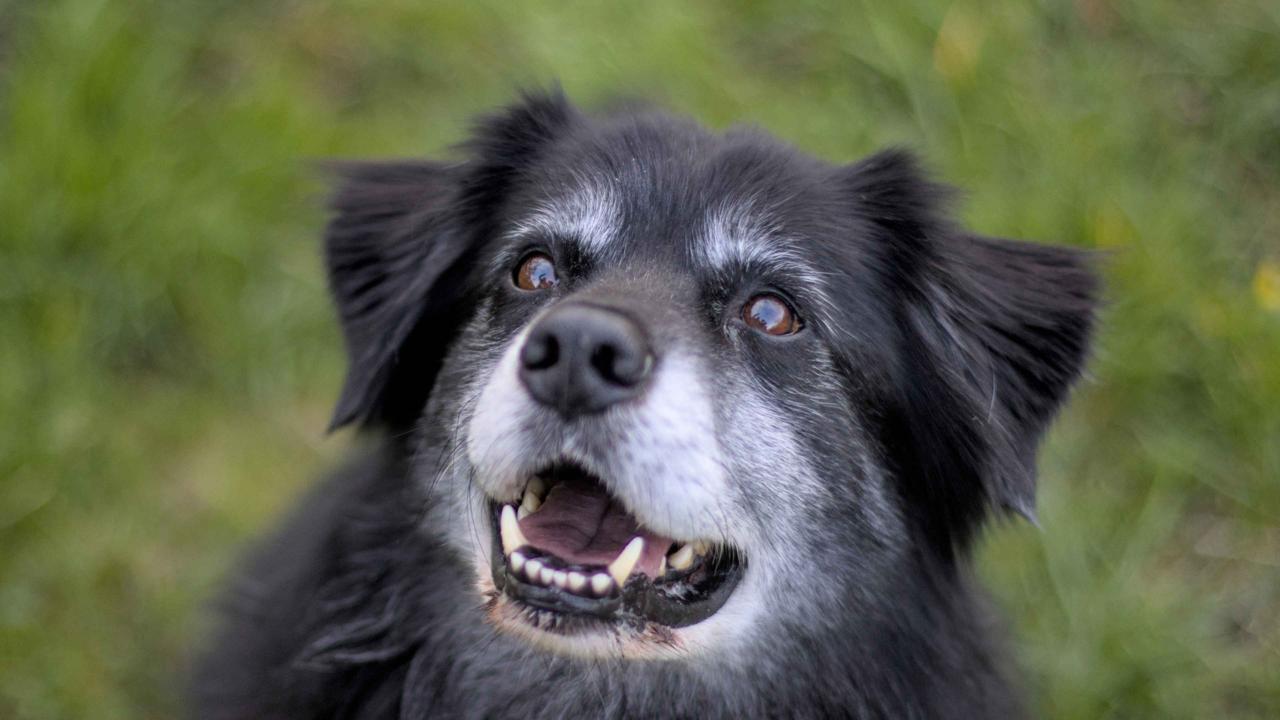
Is Your Dog Slowing Down or in Pain? How to Tell the Difference
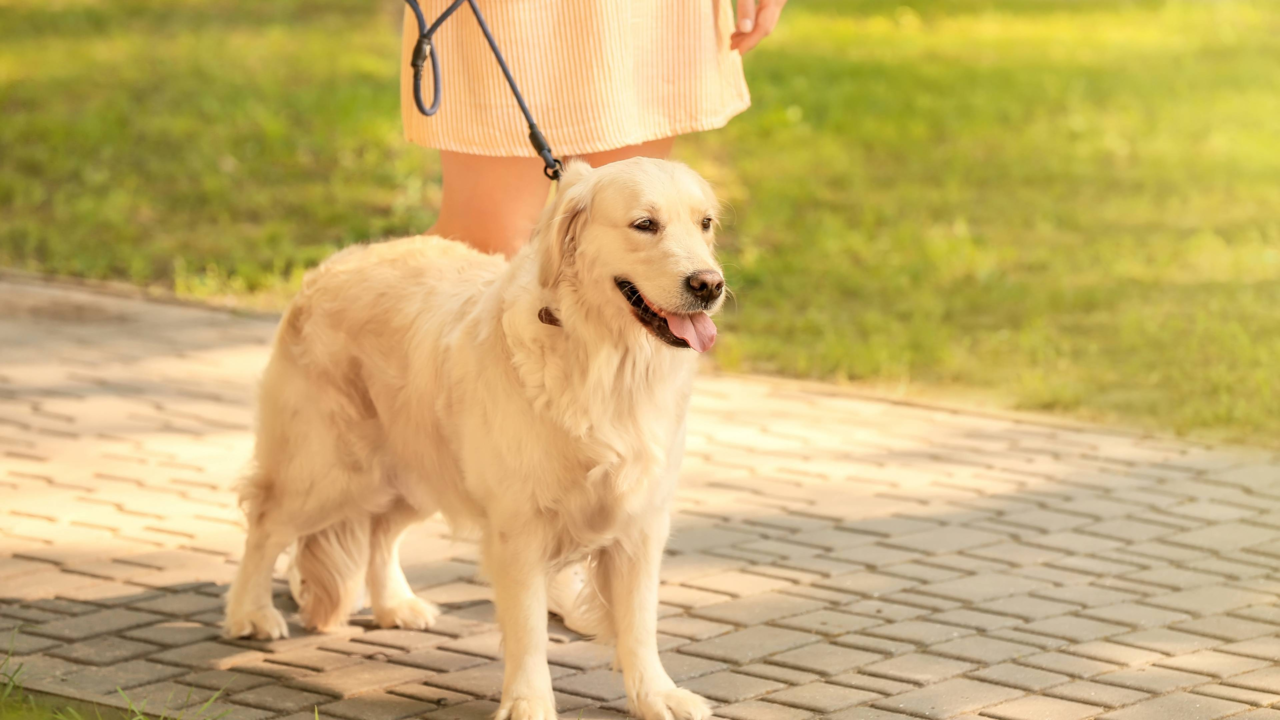
Low-Impact Exercises for Senior Dogs
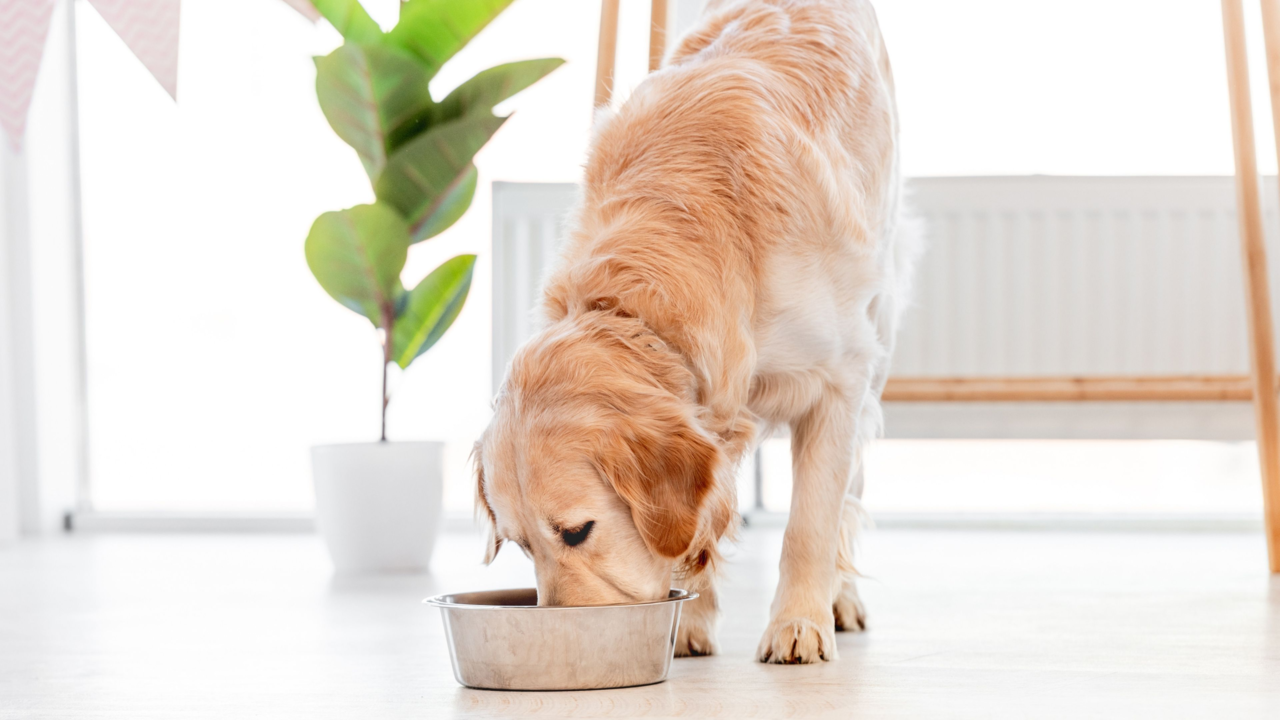
What Is the Best Dog Food for Senior Dogs in New Zealand?
Senior Dog Care in New Zealand: The Ultimate Guide
Best Dog Supplements in New Zealand (and Where to Buy Them Online)