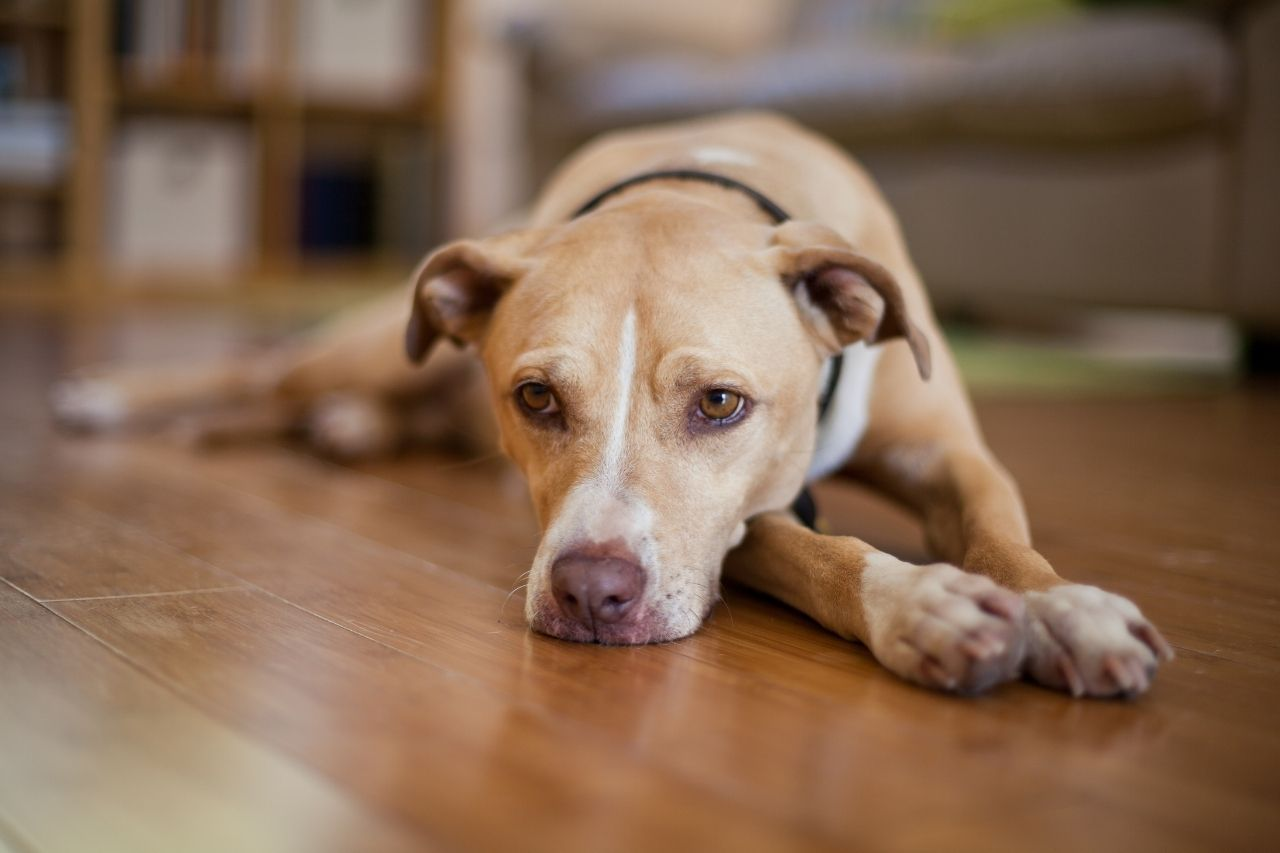
As dogs get older, it is completely normal for them to slow down a little. They might take longer on walks, sleep more during the day, or show less enthusiasm for a game of fetch. But sometimes what looks like normal ageing is actually a sign that your dog is in pain, and dogs are remarkably good at hiding it.
Knowing the difference between natural ageing and pain can help you act sooner, get your dog the support they need, and keep them comfortable for longer. This guide explains what to look for, how to tell the two apart, and what you can do to help.
Normal Ageing vs Pain: A Side-by-Side Comparison
Some changes are a natural part of getting older. Others are signs that something is causing your dog discomfort. Here is how to tell the difference.
Normal Ageing Looks Like...
- Gradually preferring shorter walks over time
- Sleeping a bit more during the day
- Moving a little slower but still willing to go
- Less interest in intense play but still happy to engage gently
- Greying around the muzzle and face
- Mild stiffness after a long rest that eases once they get moving
Pain Looks Like...
- Reluctance or refusal to walk, climb stairs, or jump
- Limping, favouring one leg, or shifting weight off a limb
- Whimpering, yelping, or flinching when touched
- Restlessness, pacing, or inability to settle
- Panting when at rest (not related to heat or exercise)
- Licking, chewing, or guarding a specific area of the body
- Sudden changes in appetite or withdrawal from family
- Aggression or snapping when approached, especially if out of character
The key difference is consistency and progression. Normal ageing is gradual and your dog still seems content. Pain tends to cause more noticeable behavioural changes, and your dog may seem unsettled, withdrawn, or unlike themselves.
Common Causes of Pain in Older Dogs
If your dog is showing signs of pain rather than just slowing down, these are some of the most common underlying causes.
Arthritis
The most common cause of pain in senior dogs. Arthritis causes inflammation and stiffness in the joints, making movement uncomfortable. It tends to be worse after rest and in cold weather. Large breeds and overweight dogs are especially prone.
Dental Disease
Broken teeth, gum infections, and tooth decay are very common in older dogs and can cause significant pain. Signs include bad breath, dropping food, reluctance to chew, and pawing at the mouth. Read more about dental care for senior dogs.
Spinal Issues
Disc disease, spondylosis, and nerve compression can cause back pain, stiffness, and difficulty with certain movements. Dogs with spinal pain may be reluctant to look up, turn their head, or jump.
Soft Tissue Injuries
Muscle strains, ligament tears, and tendon injuries can happen at any age but take longer to heal in older dogs. A sudden onset of limping or reluctance to bear weight often points to a soft tissue issue.
Internal Conditions
Conditions like pancreatitis, urinary infections, or abdominal pain can cause general discomfort, restlessness, and changes in posture. These are harder to spot but may show as a hunched back, reluctance to lie down, or loss of appetite.
Cancer
Unfortunately, cancer is common in older dogs and can cause pain depending on the type and location. Unexplained weight loss, lumps, persistent lameness, or a sudden decline in energy should always be checked by your vet.
How to Assess Your Dog at Home
You know your dog better than anyone. Here are some simple things you can do at home to help figure out whether your dog is in pain or just ageing naturally.
- Watch how they get up from lying down. Do they struggle, hesitate, or need multiple attempts? That could indicate joint pain.
- Observe them on walks. Are they consistently lagging, stopping, or sitting down? Or just moving at a gentler pace?
- Gently feel along their body, legs, and joints. Do they flinch, pull away, or tense up when you touch a specific area?
- Pay attention to their sleeping habits. Restlessness, frequent repositioning, or difficulty settling can be signs of discomfort.
- Note any changes in eating. Pain from dental disease or internal conditions often shows up as reduced appetite or messy eating.
- Film short videos of your dog moving, getting up, and walking. These are incredibly useful for your vet to review.
When to See Your Vet
If you suspect your dog is in pain rather than just slowing down, a vet visit is the best next step. Book an appointment if you notice any of the following.
- Limping that lasts more than a day or two
- Whimpering, yelping, or vocalising when moving or being touched
- Sudden reluctance to do things they used to do easily (stairs, jumping, walking)
- Changes in posture, such as a hunched back or lowered head
- Loss of appetite lasting more than 24 hours
- Any new lumps, swelling, or areas of heat on the body
- Behavioural changes like aggression, withdrawal, or restlessness
Your vet can perform a physical examination, run blood tests, and take X-rays if needed to identify the cause and recommend the right treatment.
How to Support Your Dog's Comfort
Whether your dog is dealing with normal ageing or managing a pain condition, there are plenty of things you can do at home to keep them comfortable.
Joint Supplements
Joint supplements can help maintain cartilage health, reduce inflammation, and support mobility. They are most effective when started early and used consistently. For a full breakdown, see our joint support guide for dogs.
Senior Dog Food
A senior-specific diet provides the right balance of protein, joint-supporting nutrients, and controlled calories for an ageing body. Many senior dog foods include added glucosamine, omega-3s, and antioxidants. See our guide to the best senior dog food in NZ.
Gentle Exercise
Regular, low-impact exercise keeps joints mobile and muscles strong without putting excess strain on your dog's body. Short, frequent walks are better than one long walk. Swimming is excellent for dogs with joint issues. Read our guide to low-impact exercises for senior dogs.
Home Comfort
- Provide a supportive, orthopaedic bed that cushions joints
- Use ramps or steps for getting onto furniture or into the car
- Place non-slip mats on hard floors to prevent slipping
- Keep your home warm in winter, as cold worsens joint stiffness
- Raise food and water bowls to a comfortable height so your dog does not have to bend down as far
Mental Stimulation
A dog that is slowing down physically still needs mental engagement. Puzzle toys, snuffle mats, and gentle enrichment activities keep your dog's mind active and can help reduce anxiety or frustration that sometimes comes with reduced mobility. See our senior dog toy guide for ideas.
Frequently Asked Questions
At what age do dogs start slowing down?
It varies by breed and size. Small dogs may not show signs of slowing down until 10 or 11 years of age, while large and giant breeds can start as early as 6 or 7. Medium breeds typically fall somewhere in between. Every dog is different, so focus on changes in your individual dog rather than age alone.
How do I know if my dog is in pain or just tired?
A tired dog will rest and bounce back after sleep. A dog in pain may be restless, have difficulty settling, pant at rest, or show reluctance to move even after a good sleep. Pain also tends to be consistent or worsening, while tiredness resolves with rest.
Can joint supplements help a dog that is already in pain?
Joint supplements can help support comfort and mobility, but they are not pain medication. If your dog is in significant pain, your vet may recommend anti-inflammatory medication or other treatments alongside supplements. Supplements work best as part of a broader care plan.
Should I reduce my dog's exercise if they are slowing down?
Not necessarily. Gentle, regular exercise is important for maintaining joint mobility and muscle strength. The key is to adjust the intensity and duration rather than stopping altogether. Shorter, more frequent walks are usually better than one long walk. Your vet can advise on the right level of activity for your dog.
My dog is limping but seems happy otherwise. Should I worry?
Yes, limping always warrants attention. Dogs can appear happy and still be in pain, as they are naturally inclined to mask discomfort. A limp that lasts more than a day or two, or that comes and goes regularly, should be checked by your vet.
Is it normal for older dogs to pant more?
Some increase in panting can be normal with age, especially in warm weather or after mild exertion. However, panting at rest, at night, or without an obvious cause can be a sign of pain, anxiety, or an underlying health condition. If it is new or persistent, it is worth mentioning to your vet.
Support Your Senior Dog
Browse joint supplements, senior dog food, and comfort products to help your older dog stay happy and comfortable. Save with Autodeliver, and enjoy free shipping on orders over $79.
SHOP SENIOR DOG PRODUCTSRelated Reading
Senior Dog Care in New Zealand: The Ultimate Guide
Joint Support for Active Dogs: Nutrition, Supplements and Care Tips
Low-Impact Exercises for Senior Dogs
What Is the Best Dog Food for Senior Dogs in New Zealand?
Best Senior Dog Toys for Gentle Play and Healthy Ageing
Senior Dog Dental Care: How to Protect Your Dog's Teeth After Age 7