A dog reverse sneezing episode can sound alarming. Your dog may suddenly stand still, stretch their neck and make repeated snorting or honking sounds as they pull air in through their nose. Seconds later, they may carry on as if nothing happened.
Most brief, occasional episodes are harmless, but not every unusual breathing noise is reverse sneezing. Knowing the typical signs, recording what happens and watching how quickly your dog recovers can help you decide whether to monitor the pattern or contact your clinic.
Quick answer
Reverse sneezing is a reflex caused by irritation around the back of the nose and throat. A dog rapidly breathes in through the nose, often with their mouth closed and neck extended. Most episodes stop within seconds to a minute. Contact your clinic if the episodes are new, frequent, getting longer or paired with discharge, coughing, weakness or trouble breathing.
What is reverse sneezing in dogs?
Reverse sneezing is also called paroxysmal respiration. During a normal sneeze, air is pushed out through the nose. During a reverse sneeze, a dog makes several rapid inward breaths. The sound comes from air moving quickly through the nose and upper throat while the soft palate and surrounding tissues are irritated.
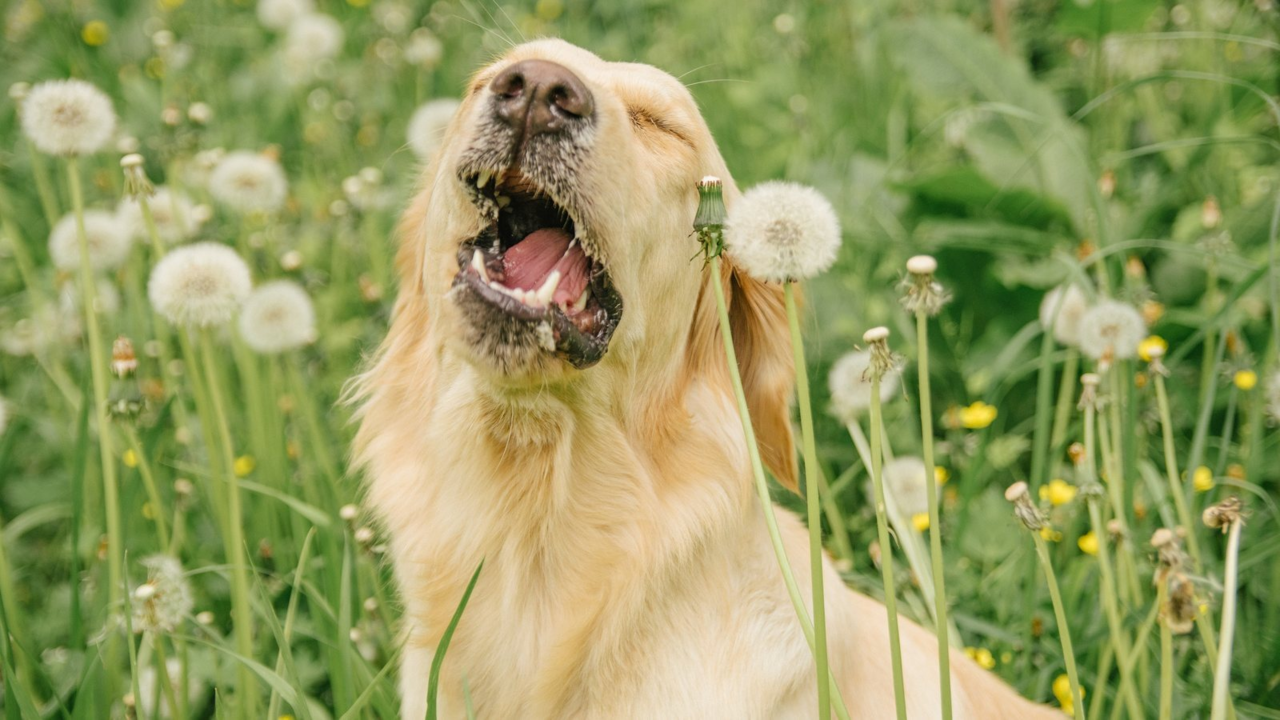
The episode usually begins suddenly. Your dog may brace their front legs, extend their head and neck, keep their mouth mostly closed and make repeated snorting sounds. Once the reflex settles, breathing should return to normal without a long recovery.
Useful to know
A short video is often more useful than trying to describe the noise from memory. If it is safe, record the episode and note the time, duration and what your dog was doing immediately beforehand.
What does dog reverse sneezing sound like?
Owners often describe the noise as rapid snorting, repeated gasps or a honk. It can resemble choking, coughing or an airway problem, so the full body pattern matters as much as the sound.
| Breathing event | What you may notice | What happens next |
|---|---|---|
| Reverse sneeze | Repeated inward snorts, extended neck, closed or nearly closed mouth | Usually stops suddenly and the dog quickly returns to normal |
| Regular sneeze | A sharp outward burst through the nose, sometimes several in a row | May be followed by nose licking or more sneezing if irritation remains |
| Cough | Air is pushed out through the mouth, sometimes with gagging at the end | May recur with activity, excitement or pressure around the neck |
| Possible choking or breathing distress | Pawing at the mouth, panic, weak or silent airflow, blue or grey gums, collapse | Needs urgent help rather than home monitoring |
What causes reverse sneezing in dogs?
A reverse sneeze is a reflex, not a diagnosis. Anything that irritates or stimulates the area behind the nose can set it off. Sometimes the trigger is obvious, while some dogs have occasional episodes without a clear cause.
Airborne irritants
Dust, pollen, smoke, strong perfume, room sprays, cleaning aerosols and fine particles can irritate sensitive airways.
Excitement or activity
Rapid breathing during play, greeting visitors or rushing outside can start an episode in a dog that is prone to the reflex.
Lead pressure
Pulling against a collar can add pressure around the throat. A well-fitted harness may be more comfortable for dogs whose episodes begin on walks.
Fast food or water
Gulping a meal or drinking quickly can irritate the throat area and may trigger an episode soon after eating.
Temperature changes
Moving between warm indoor air and cold outdoor air can be a trigger for some dogs, especially during winter.
Upper airway problems
Allergy-related irritation, infection, a foreign object, nasal mites or changes in the nose and throat can sometimes cause repeated episodes.
Are some dogs more likely to reverse sneeze?
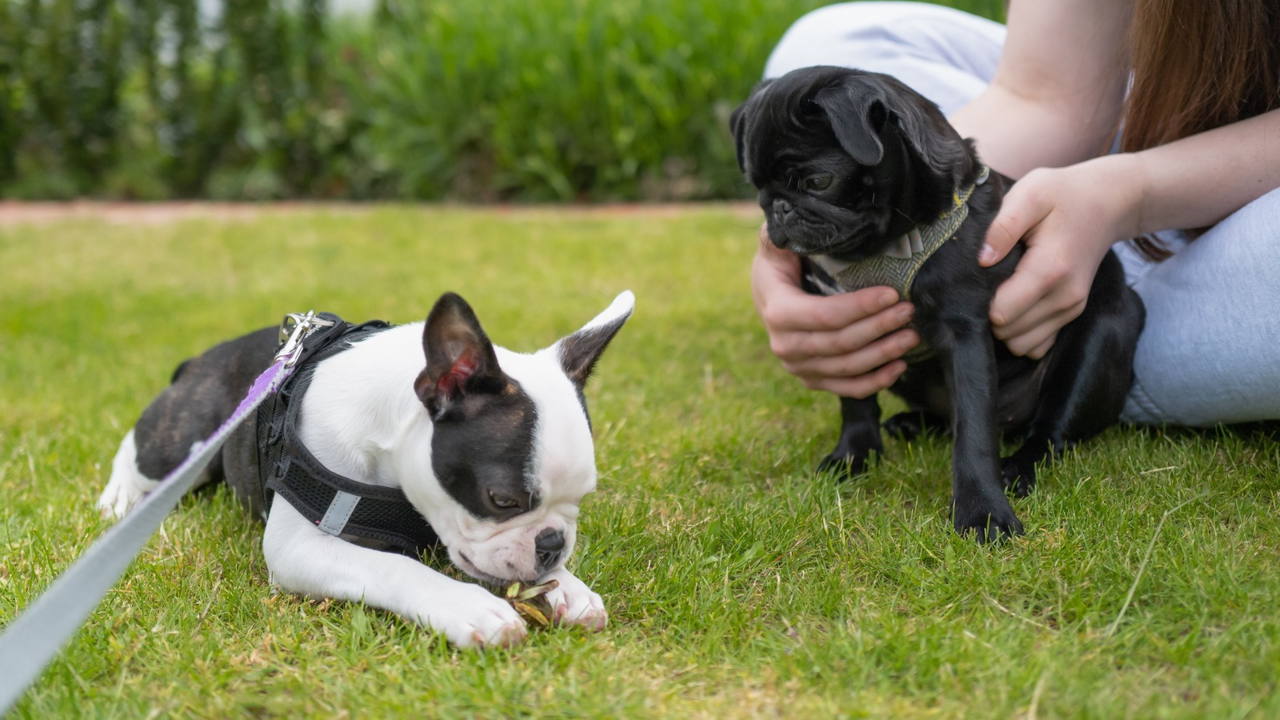
Reverse sneezing can happen in any dog. It is commonly reported in smaller dogs and flat-faced breeds because their upper airway shape can make the soft palate and throat area more sensitive. Breed alone does not tell you whether an episode is harmless, so look at frequency, duration and recovery.
What to do during a reverse sneezing episode
The main goal is to keep your dog calm and make sure the episode follows the usual short pattern. Avoid crowding them or trying several home techniques at once.
Stay calm
Speak quietly and give your dog room. Excitement can make rapid breathing continue.
Remove the trigger
Move away from smoke, spray, dust or strong scent. Pause the walk if collar pressure or activity started it.
Watch and time it
Check gum colour, note how long the episode lasts and watch whether normal breathing returns quickly.
Record the pattern
Film a safe episode and note possible triggers. A record helps your clinic compare repeat events.
What not to do
Do not force your dog's mouth open, reach into the throat, block the nostrils or offer food and water while they are making repeated inward breaths. If you think your dog is choking or cannot breathe normally, treat it as an urgent problem rather than assuming it is a reverse sneeze.
When should you worry about reverse sneezing?
An occasional episode that lasts only a short time and ends with a complete return to normal is usually not an emergency. Arrange advice from your clinic when the pattern is new, unclear or changing.
- Episodes are happening several times a day or becoming more frequent.
- An episode continues beyond about a minute or lasts much longer than usual for your dog.
- Your dog coughs, gags or has noisy breathing between episodes.
- There is nasal discharge, blood, facial swelling or repeated pawing at the nose.
- Your dog seems tired, loses appetite or is not acting normally afterwards.
- The episodes began suddenly after sniffing grass, seeds, sand or another loose material.
- You cannot confidently tell whether the event is reverse sneezing, coughing, choking or breathing distress.
Get urgent help
Contact your clinic urgently if your dog has blue, grey or very pale gums, collapses, cannot draw breath, remains distressed after the noise stops or may have something lodged in their airway. These are not signs to monitor at home.
How your clinic may assess repeated episodes
Your clinic may ask when the episodes started, how often they happen and whether they follow meals, exercise, sleep or outdoor sniffing. A video can help distinguish a reverse sneeze from a cough, gag, airway collapse or seizure-like event.
The assessment may include checking the nose, mouth, throat, chest and breathing. If the pattern is persistent or there are other signs, further tests may be recommended to look for inflammation, infection, allergy-related irritation, a foreign object or another upper airway problem.
Can a harness or slow feeder help?
These products do not treat reverse sneezing, but they can reduce two common everyday triggers. If episodes begin when your dog pulls, use a well-fitted Y-shaped or broad-fronted harness that keeps pressure away from the windpipe. The EzyDog Formfit Mesh Harness is a breathable option for smaller dogs. Check the size guide and make sure the harness does not rub or press into the throat.
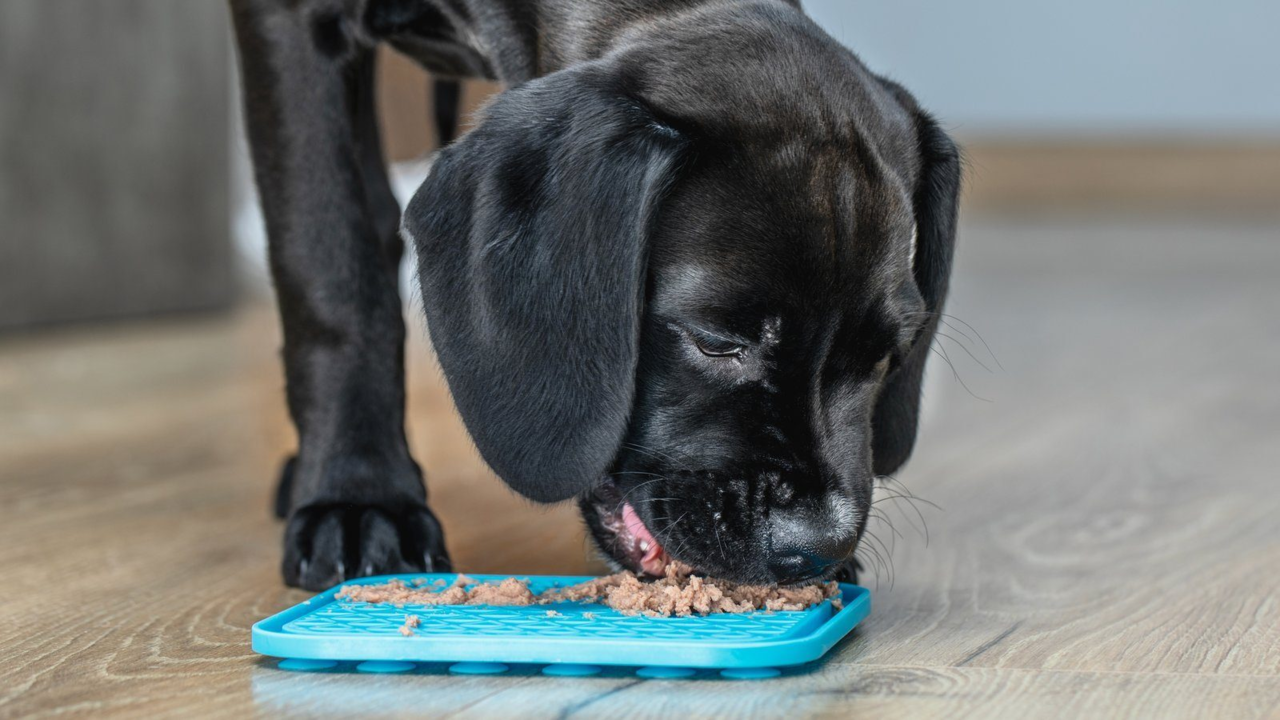
If your dog snorts after rushing food, the Outward Hound Fun Feeder Interactive Dog Bowl uses meal-lengthening ridges to slow access to food. Introduce any feeder gradually, supervise early meals and choose a design that gives your dog's muzzle enough space.
How to reduce common triggers at home
- Choose unscented cleaning products and avoid spraying aerosols near your dog.
- Keep your dog away from smoke, heavy fragrance and dusty renovation areas.
- Wash bedding and vacuum regularly during high-pollen seasons.
- Fit walking gear carefully and check that it does not press into the throat.
- Slow down meals if episodes follow gulping, and provide fresh water without encouraging frantic drinking.
- Track episodes for a week or two, including the location, weather, activity and duration.
Reducing irritants can help, but a sudden increase in episodes still deserves a clinic check. Do not assume allergies are the cause without considering other upper airway problems.
Frequently asked questions
Is reverse sneezing painful for dogs?
A typical short episode is not usually painful, although it can look uncomfortable and may startle your dog. Pain, panic that continues afterwards or reluctance to eat and drink is not part of the usual pattern.
How long does a reverse sneeze last?
Many episodes last only a few seconds, and most settle within a minute. Time the event rather than relying on how long it feels. Contact your clinic if it continues, repeats in clusters or takes longer for your dog to recover.
Can allergies cause reverse sneezing?
Pollen, dust and other airborne irritants may trigger episodes in sensitive dogs. Allergies are only one possibility, especially if there is also itching, watery eyes or seasonal timing.
Can reverse sneezing happen while a dog is sleeping?
It may occur when a dog wakes, changes position or reacts to dust and dry air around their bed. A repeated night-time pattern, snoring changes or disturbed sleep is worth discussing with your clinic.
Why does my dog reverse sneeze after eating?
Fast eating, crumbly food or excitement around meals can irritate the throat area. Slowing the meal may help, but repeated coughing, gagging, regurgitation or swallowing trouble needs a clinic check.