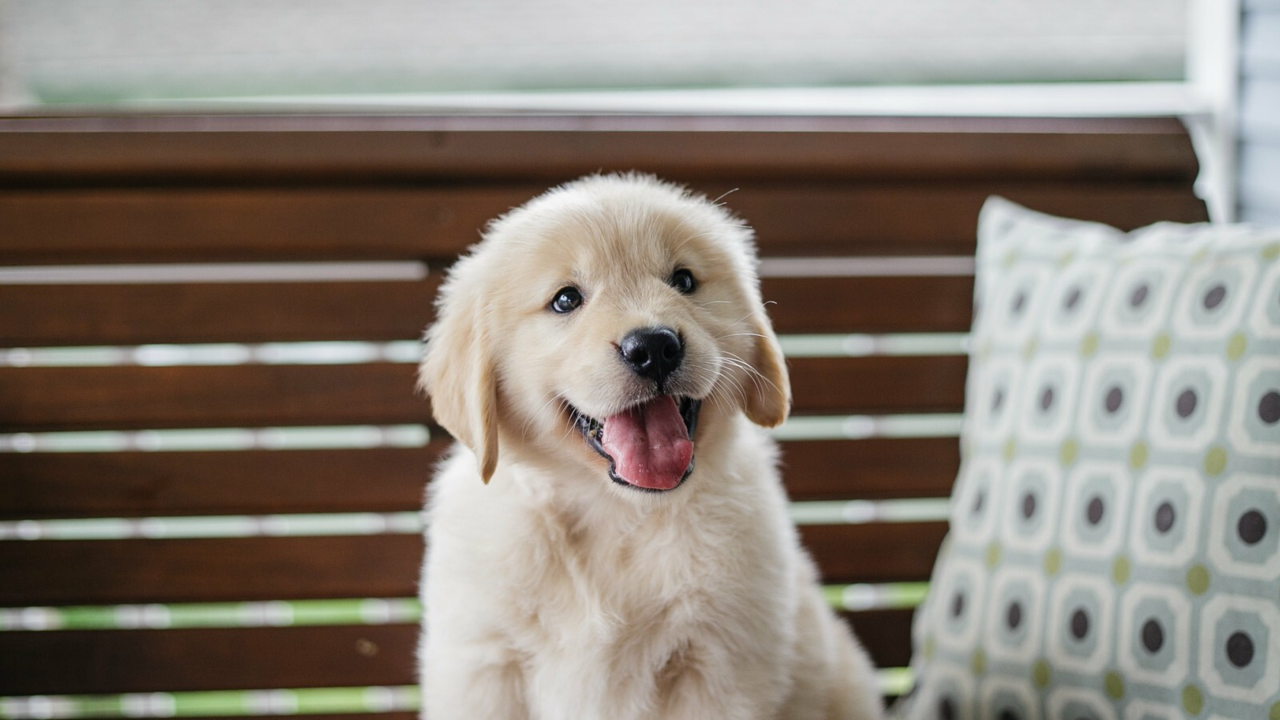
One moment your puppy is playing or polishing off dinner, and the next their little body is making a steady hic, hic, hic. Puppy hiccups can look dramatic, especially when the whole chest and tummy seem to bounce, but they are usually a normal part of growing up. Most episodes are brief, harmless and settle without treatment.
Quick answer
Puppy hiccups are involuntary spasms of the diaphragm, the muscle involved in breathing. They are especially common after fast eating, quick drinking, energetic play, excitement or stress. Most stop within a few minutes. Let your puppy settle, keep them upright and encourage calmer meals. Contact your local clinic if hiccups continue for longer than an hour, happen very frequently or come with coughing, wheezing, breathing difficulty, repeated vomiting, a swollen tummy or unusual tiredness.
What are puppy hiccups?
A hiccup starts when the diaphragm suddenly contracts. This is followed by a quick closure in the throat, creating the familiar hic sound. The movement is automatic, so your puppy cannot simply decide to stop it.
Hiccups often come in a regular rhythm. Your puppy may stay bright, responsive and interested in what is happening around them while their tummy gives a small jump every few seconds. A straightforward episode should not cause panic, struggling for air or a major change in behaviour.
Why do puppies get hiccups so often?
Puppies tend to eat, drink, play and breathe with plenty of enthusiasm. Their respiratory and nervous systems are also still maturing, which may help explain why hiccups are more common in puppies than adult dogs. Many puppies simply have occasional episodes for a few months, then hiccup less often as they grow.
Hiccups are not usually a sign that you have fed the wrong food. Look at what happened immediately before the episode. A meal eaten at top speed, a burst of zoomies or a highly exciting greeting is often the most useful clue.
Common triggers for puppy hiccups
Eating too quickly
Gulping food can mean swallowing extra air. A full stomach and swallowed air may irritate the diaphragm and start a short bout of hiccups.
Drinking quickly
A thirsty puppy may take in water and air together. This is particularly common after exercise or energetic play.
Excitement
Fast breathing during play, visitors or training can change the normal rhythm of the diaphragm and trigger hiccups.
Stress or overstimulation
A busy day, a new environment or too little rest may leave a puppy breathing quickly and struggling to settle.
Feeling cold
Some puppies hiccup after becoming chilled, particularly small, young or short-coated pups. Move them somewhere warm and dry.
Tiredness
Hiccups can appear while a puppy is winding down or sleeping. Puppies need plenty of rest, and a quiet nap may be all they need.
How to help a puppy with hiccups
For a normal, mild episode, the safest approach is usually to make things calm and let it pass. These steps may help your puppy settle:
- Pause energetic play and move to a quiet space.
- Let your puppy sit or stand comfortably rather than rolling them onto their back.
- Use calm strokes on the chest or tummy if they enjoy being touched.
- Offer access to fresh water, but do not encourage rapid drinking.
- Wait for the episode to stop before restarting play or offering more food.
Gentle walking around the room can help some puppies return to an even breathing rhythm. Do not force exercise, and avoid anything that makes your puppy more excited.
Do not use human hiccup tricks
Do not frighten your puppy, hold their breath, pull their tongue, tip them backwards or make them swallow food or water. Avoid giving human medicines or home remedies. Techniques designed for people can cause stress, choking or aspiration and are not needed for ordinary puppy hiccups.
Slow down meals to reduce swallowed air
If hiccups regularly follow dinner, focus on the pace of the meal. Use the feeding amount recommended for your puppy and divide it into age-appropriate meals rather than adding extra food to a slow feeder. You can find a useful starting point in our puppy feeding calculator.
- Spread dry food across a suitable slow feeder instead of piling it in one spot.
- Use a correctly sized bowl that allows your puppy to reach the food comfortably.
- Offer smaller portions one after another if your puppy becomes frantic around a full bowl.
- Feed in a quiet area away from other pets if competition makes them rush.
- Keep active play calm immediately before and after meals.
A slow feeder should make eating steadier, not frustrating. Supervise the first few uses, check that the design suits your puppy's muzzle and remove it if they chew the bowl or mat. Our guide to slowing fast eaters has more practical mealtime ideas.
Slow-feeding tools for calmer meals
These available bowls, mats and puzzles can help spread food out and slow the pace. Choose one that matches your puppy's size, confidence and food format, then supervise while they learn how it works.
Hiccups or something else?
Several sounds and movements can be confused with hiccups. Watch your puppy's whole body and note how they behave between each sound.
Typical hiccups
Small, regular chest or tummy jumps with a repeated hic sound. Your puppy can usually breathe normally, respond to you and move around comfortably.
Reverse sneezing
Rapid inward snorts, often with the neck stretched forward. It can sound alarming and usually comes in a shorter burst than hiccups.
Coughing or gagging
A harsher, less regular sound that may end with a retch. Repeated coughing, gagging or bringing up foam needs clinic advice.
Choking or breathing distress
Panic, pawing at the mouth, noisy or difficult breathing, pale or blue gums, collapse or an inability to settle is an emergency.
When should you worry about puppy hiccups?
Most hiccups are not urgent. It is worth contacting your local clinic if an episode lasts longer than an hour, keeps returning throughout the day or is becoming more frequent. Take a short video if you can do so safely. It can help the clinic team tell hiccups from coughing, retching, reverse sneezing or another movement.
Get prompt help if you notice red flags
- difficulty breathing, wheezing or very noisy breathing
- pale or blue gums, collapse or marked weakness
- repeated coughing, gagging, vomiting or unproductive retching
- a tight, painful or suddenly swollen tummy
- possible choking or swallowing a foreign object
- refusing food or water, unusual tiredness or obvious distress
- hiccups that began after an injury or exposure to smoke or chemicals
Breathing difficulty, choking signs, collapse or a rapidly swelling tummy need urgent attention. Do not wait for the hiccups to stop before seeking help.
Keep a simple hiccup record
If the episodes are frequent, note the time, duration and what your puppy was doing beforehand. Record whether they had just eaten, drunk, exercised, slept or become excited. Include the food amount and feeding method. A pattern may show that a calmer meal or a longer rest period is all that needs changing.
Also note any symptoms between episodes. A puppy who is playful, eating normally and growing well is very different from one who is coughing, losing weight or tiring easily. Share the record and any videos with your clinic if you are concerned.
Frequently asked questions
Are hiccups normal in an eight-week-old puppy?
Yes. Hiccups are common in very young puppies, especially after eating, drinking, playing or waking. Monitor the duration and make sure your puppy is otherwise breathing comfortably and behaving normally.
Can puppies get hiccups while sleeping?
Yes. A puppy may hiccup while settling or asleep, and the episode often stops on its own. Let them rest unless the movement looks more like coughing, retching, a seizure or breathing difficulty.
Should I give my puppy water for hiccups?
Fresh water can remain available, but do not make your puppy drink or offer a large amount quickly. Gulping water may mean swallowing more air. Let them take small drinks at their own pace.
Can worms cause puppy hiccups?
Ordinary hiccups are much more often linked with normal puppy behaviour such as fast eating or excitement. Parasites can cause other signs, including a swollen tummy, poor growth, vomiting or diarrhoea. Keep up with your puppy's recommended parasite plan and ask your clinic about any concerning symptoms.
Do puppies grow out of hiccups?
Many do. Hiccup episodes often become less frequent as a puppy matures and learns to eat, drink and settle more calmly. Persistent or changing episodes still deserve a check.
Can I feed my puppy during an episode?
It is better to wait until the hiccups stop before offering another meal or treat. Eating during a bout may encourage more gulping and makes it harder to notice coughing, gagging or swallowing difficulty.
Make puppy mealtimes calmer
Explore bowls and feeders that can help turn fast, frantic eating into a steadier routine.
SHOP DOG BOWLS & FEEDERS