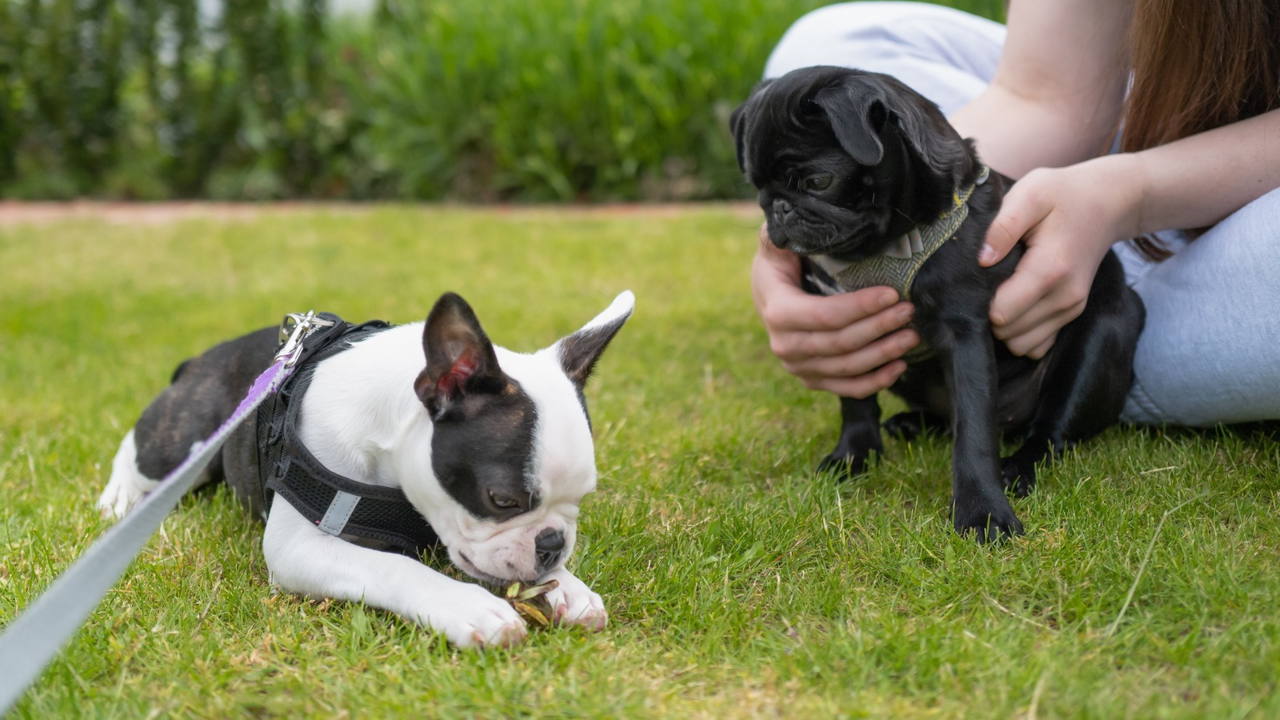
A harness is one of the first things most New Zealand puppy owners buy, and for good reason. Spreading the pressure of the lead across the chest rather than the throat is gentler on a young, still-developing neck, and it gives you steadier, kinder control while your pup learns how to walk on a lead. The tricky part is that puppies grow fast, so the harness that fits beautifully at 10 weeks can be snug within a month.
This guide walks through what actually matters when you choose a puppy harness, then runs through the styles New Zealand owners reach for most, from soft mesh first harnesses to adjustable everyday picks, front-clip training options, active outdoor harnesses and a crash-tested car harness. We have kept to harnesses with at least one available, non-clearance variant, so you can choose a suitable size and check the fit as your puppy grows.
Quick answer
The best puppy harness is soft, lightweight and adjustable, with a secure two-finger fit. Start with a comfortable mesh or padded harness such as the EzyDog Formfit Mesh or an adjustable Dog Friendly Co. Harness, and check the fit weekly. For lead training, choose a true front-attachment option such as the Beau Gentle Leader or Halti. For car trips, use a purpose-built, crash-tested restraint such as the EzyDog Drive and follow its fitting instructions. The Kurgo Journey Air is for walking and outdoor activity, not car restraint.
What to look for in a puppy harness
A few simple checks will tell you most of what you need to know before a harness goes in your trolley.
Room to grow
Puppies change shape quickly, so look for plenty of adjustment on both the chest and girth straps. A harness with a wide size range saves you buying a new one every few weeks.
The two-finger fit
A good harness is snug but not tight. You should be able to slide two fingers flat under any strap. Too loose and a clever pup will back out of it, too tight and it will rub.
Soft and lightweight
Young puppies are not used to wearing anything. Soft mesh or padded webbing feels less alarming and is kinder on a small frame than a heavy, stiff harness.
Shoulder freedom
A Y-shaped front that sits clear of the shoulders lets the legs move naturally, which matters while bones and joints are still developing. Avoid styles that cut straight across the chest.
Escape resistance
Puppies can be wriggly little escape artists. A snug fit and a design that wraps the chest securely help stop a startled pup from slipping free near a road.
A front clip for pulling
If your pup leans into the lead, a harness with a front chest ring gently turns them back towards you, which makes loose-lead walking easier to teach without any harsh correction.
Best everyday puppy harnesses
These are the comfortable, adjustable all-rounders that suit most puppies for daily walks and lead training. Each one comes in a range of sizes so you can find a snug starting fit.
EzyDog Formfit Mesh Harness
A lightweight harness made for small dogs, with breathable 3D Air Mesh, reflective trim and a hook-and-loop closure. It suits dogs around 1.5kg to 6kg, so check your puppy's girth against the size chart rather than choosing by age alone.
Dog Friendly Co. Dog Harness
A well-priced, fully adjustable harness that is easy to size up as your puppy grows. A practical, no-fuss everyday choice and one of our most popular harnesses with New Zealand owners.
EzyDog Quick Fit Dog Harness
Designed to slide over the head and buckle at one side, with a one-time chest adjustment for a secure fit. Its neoprene chest sleeve, reflective stitching and quick fastening make it useful for everyday walks with a wriggly pup.
EzyDog Chest Plate Dog Harness
Our single most popular harness, built tough with a padded chest plate and a wide range of sizes. A great pick to grow into as your puppy heads towards adolescence and full size.
EzyDog Express Dog Harness
A lightweight everyday harness with contoured EVA pads, a moulded grab handle and a back lead attachment. It is quick to fasten, while the optional UpFront D-ring attachment is required if you want to add a front clip for lead training.
Dog Friendly Co. Premium Dog Harness
A step up in finish, with adjustable neck and chest straps, a sturdy top handle and a heavy-duty back D-ring. Worth a look if you want a comfortable everyday harness that can be adjusted as your puppy grows.
EzyDog Convert Dog Harness
A sturdy back-attachment harness with a contoured fit and a traffic handle for close control. It does not include a front lead ring as standard. The separate UpFront D-ring attachment is required if you want to convert it to a front-attachment set-up.
Kurgo Journey Air Dog Harness
A lightweight active harness for walking, running and hiking. It has front and back lead attachments, four adjustment points, a deep V-neck for shoulder freedom and a back handle for assistance. It is not crash-tested and must not be used as a car restraint.
Best harnesses for lead training and pulling
As puppies grow more confident, many start to test the lead. A harness with a front chest ring redirects that energy gently, making loose-lead walking far easier to teach.
Beau Gentle Leader Front Lead Dog Harness
A front-attaching harness with a martingale loop that redirects a dog when they pull. The chest strap sits low across the breastbone rather than the throat, making it a useful lead-training option for growing puppies.
Halti Dog Harness
A purpose-built training harness with a front ring for steering and a back ring for braking. It is designed to work with a double-ended training lead, giving you control from both attachment points while your puppy learns loose-lead walking.
Best harness for car travel
A walking harness is not automatically suitable for car restraint. For travel, choose a purpose-built harness that has been crash-tested and follow the manufacturer's fitting and seatbelt instructions exactly.
EzyDog Drive Dog Harness
A certified crash-tested car harness made with seatbelt-strength webbing and a padded chest plate. Thread the vehicle seatbelt through the dual webbing handles to secure your dog. Its stainless steel D-rings are only for safely escorting your dog to and from the vehicle, not for regular walks.
Car safety note
The Kurgo Journey Air is an active walking harness. It is not crash-tested and is not designed to restrain a dog in a vehicle.
How to fit and size a puppy harness
Getting the fit right matters more than the brand on the label. Measure your puppy's chest girth at the widest point just behind the front legs, and check it against the size chart rather than guessing from age or breed. When the harness is on, run two fingers flat under each strap. They should slide in comfortably with the harness still sitting snug.
Because puppies grow so quickly, recheck the fit every week or two. Small breeds reach their adult size at around 10 months, medium breeds by about 12 months, large breeds closer to 18 months and giant breeds nearer 24 months, so most pups will move through at least one or two harness sizes along the way. Loosen the straps as they grow, and size up to a new harness once you have run out of adjustment. A few short, happy sessions with treats and praise help a nervous pup learn that the harness means good things are about to happen. Our guide to fitting a dog harness has step-by-step detail.
Frequently asked questions
When can a puppy start wearing a harness?
As soon as you bring them home. Letting a young puppy wear a soft harness around the house for short spells helps them get used to it well before their first proper walk, so the gear feels normal by the time they are out and about.
Is a harness better than a collar for a puppy?
For walking and lead training, yes. A harness spreads pressure across the chest rather than the throat, which is kinder on a young neck and gives you steadier control. A collar is still handy for holding an ID tag. Our collar versus harness guide covers the differences.
How do I stop my puppy slipping out of the harness?
A snug, correctly sized fit is the key. If you can fit more than two fingers under the straps it is too loose, so tighten it up or move to a smaller size. A design that wraps the chest securely is harder for a wriggly pup to back out of.
How often will I need to buy a new harness?
It depends on how big your puppy will get. Small breeds may only need one or two harnesses before reaching adult size, while large and giant breeds can move through several. Choosing an adjustable harness with a wide size range stretches the time between upgrades.
Should I use a front-clip or back-clip harness?
Back-clip harnesses are comfortable and fine for pups who walk nicely. If your puppy starts to pull as they grow, a front clip gently steers them back towards you and makes loose-lead walking easier to teach. Some harnesses offer both.
Can I use a walking harness in the car?
Use separate equipment for each job. The EzyDog Drive is a crash-tested car harness, and its D-rings are only for escorting your dog to and from the vehicle. Secure it by threading the vehicle seatbelt through the dual webbing handles. Use a properly fitted walking harness for regular walks. The Kurgo Journey Air is suitable for active walks but not for car restraint.
Find the right harness for your puppy
Browse the full dog harness range to compare styles, sizes and front-clip options, and join Pet Perks for free to earn rewards as your puppy grows.
SHOP DOG HARNESSESRelated reading
Best Puppy Collars in NZ: How to Choose the Right Fit

How to Properly Fit a Dog Harness for Comfort and Safety
Dog Collars vs Harnesses: Which One Should You Choose?
Best Dog Harnesses in NZ for Small Breeds
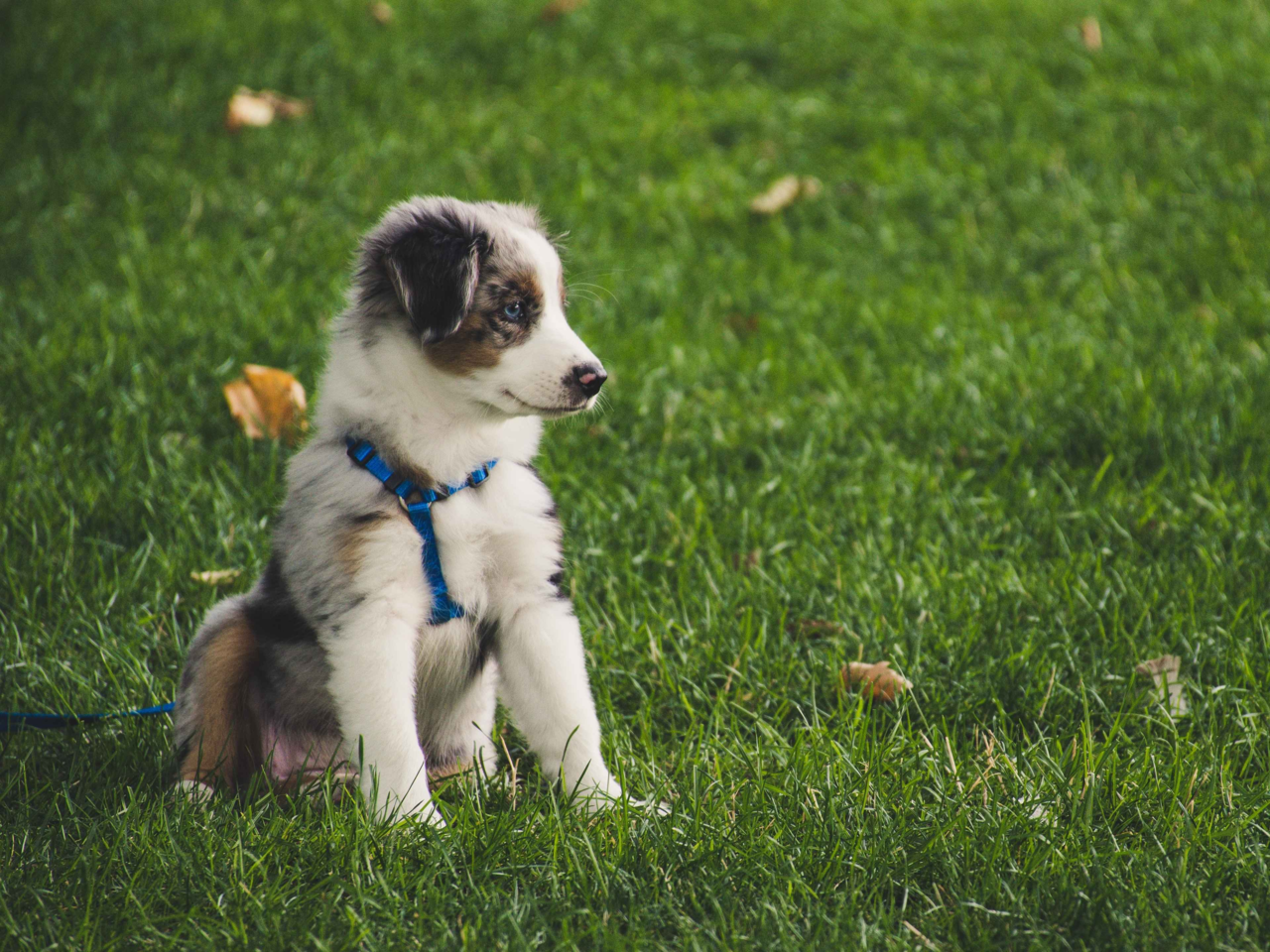
Puppy Lead Training Guide: Start Good Walking Habits Early
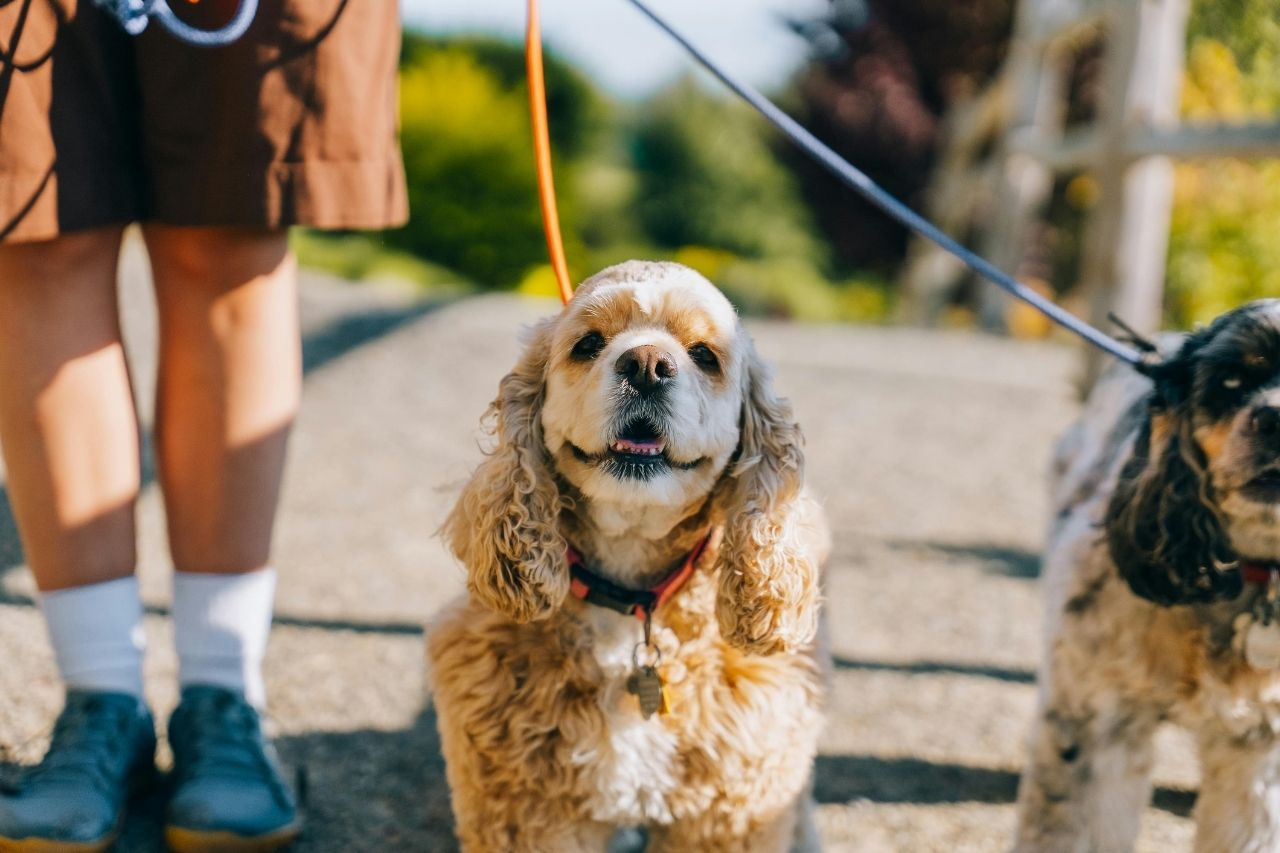
How to Stop Your Dog Pulling on the Lead