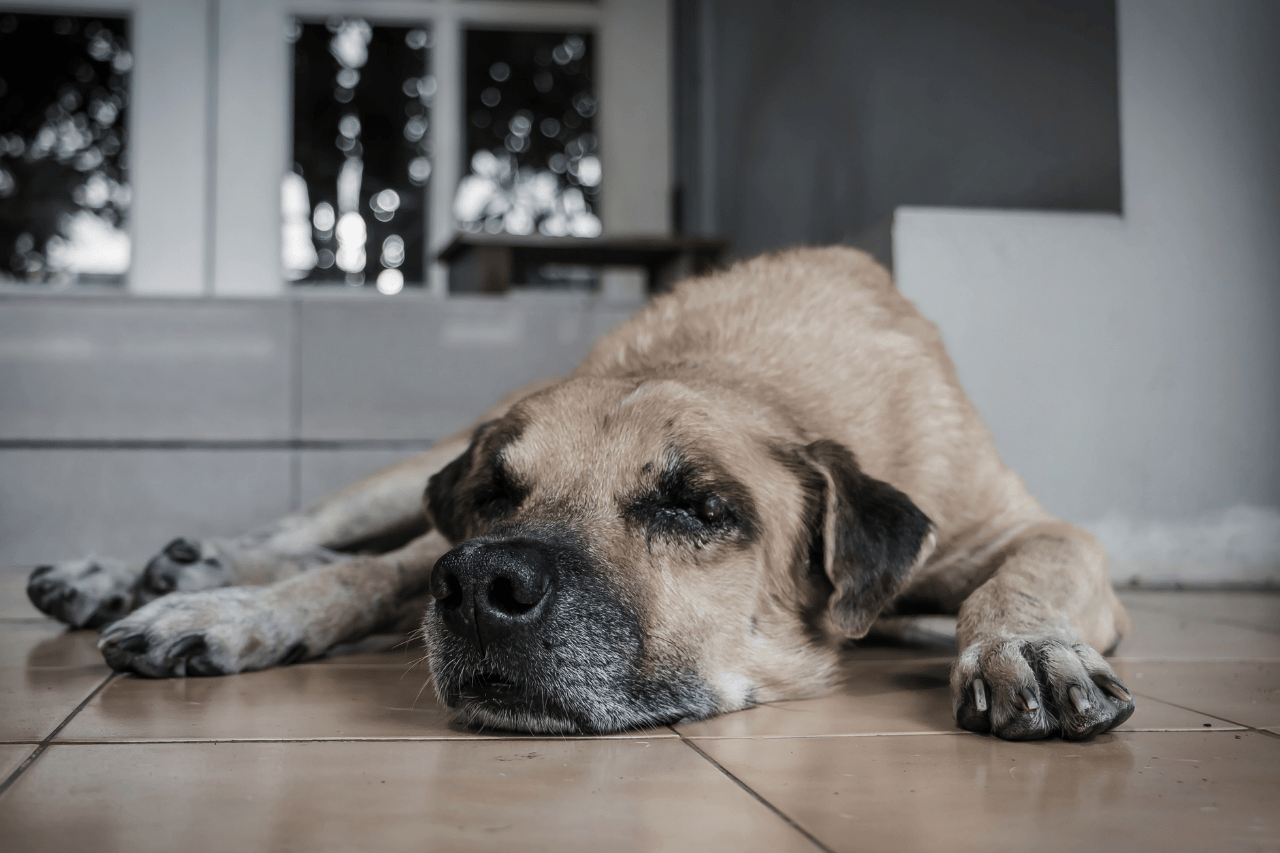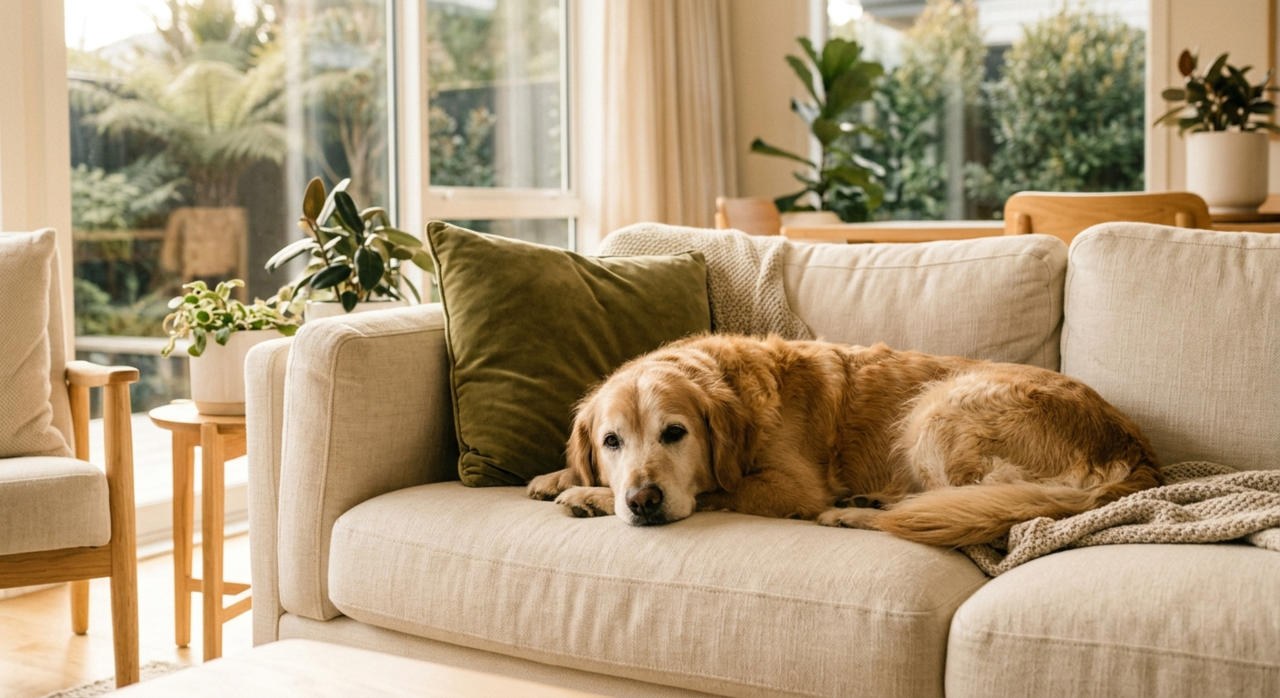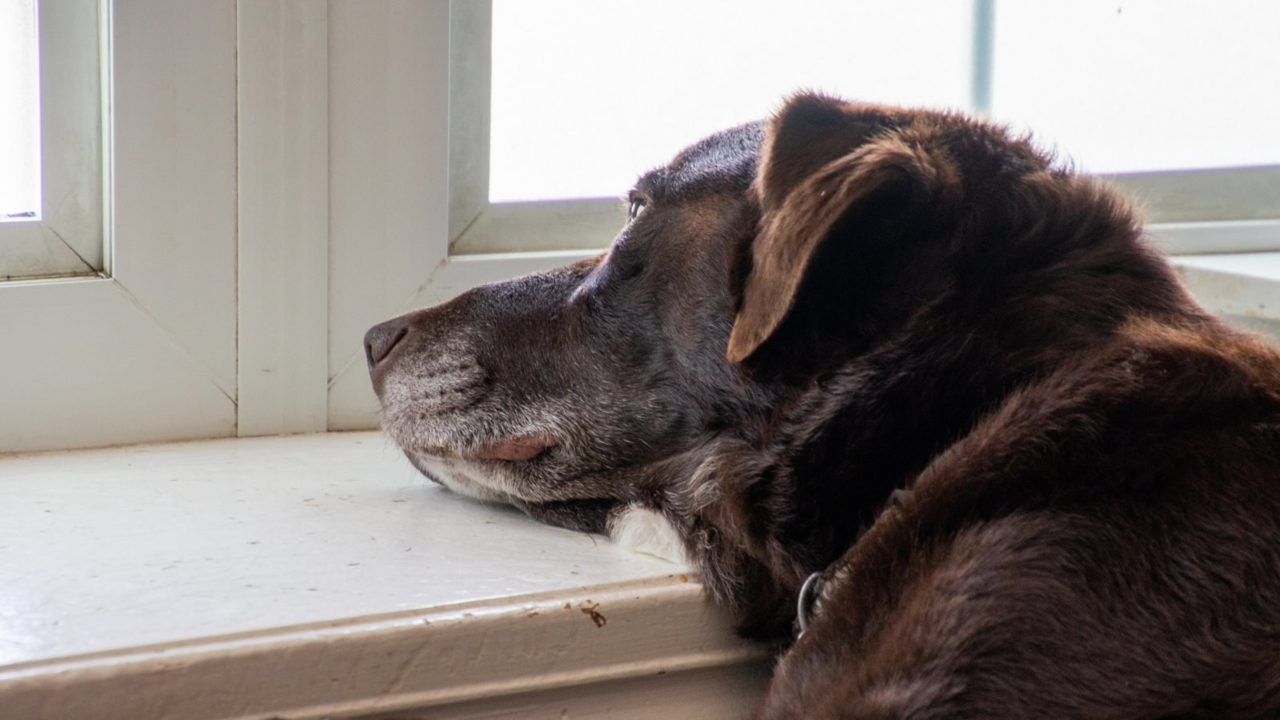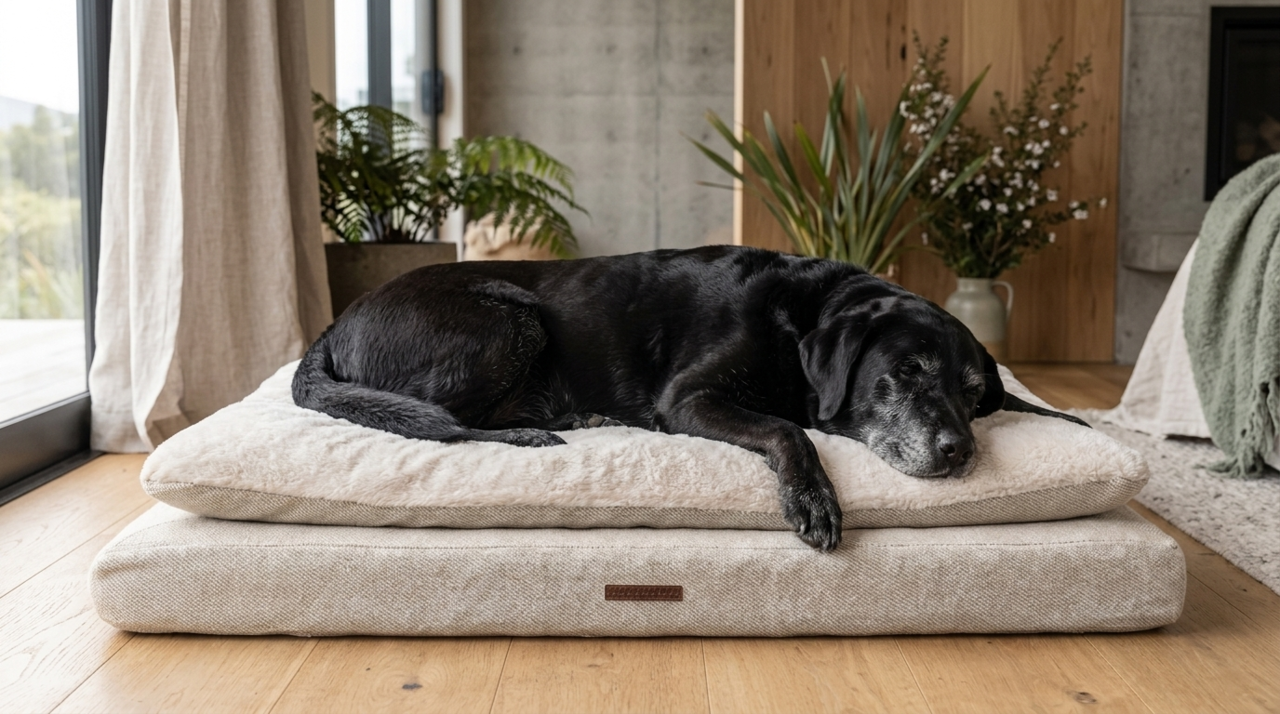
When an older dog suddenly cannot settle at night, it can be upsetting for everyone. They may pace from room to room, pant, whine, ask to go outside repeatedly, stare into space or wake you for reassurance. Sometimes the cause is simple, such as needing the toilet or feeling too warm. At other times, night-time restlessness can be an early clue that your dog is uncomfortable or confused.
The useful first step is to look for a pattern rather than assuming it is just part of ageing. Note what your dog does, when it starts, how long it lasts and what helps them settle. That information can make a clinic conversation much more useful.
Quick answer
Senior dogs can become restless at night because of pain, needing to toilet more often, anxiety, hearing or vision changes, cognitive decline or another health problem. Offer a calm toilet break, water, gentle warmth, a supportive bed and a small night light. If the behaviour is new, persistent or paired with other symptoms, arrange a clinic check rather than waiting for it to pass.
Why senior dogs can become restless at night
Quiet rooms can make discomfort and disorientation more noticeable. During the day, movement, company and familiar activity may distract your dog. At night, stiff joints, a full bladder or uncertainty about where they are can be harder to ignore.
Pain or stiffness
Arthritis, back discomfort or sore muscles can make it hard to find a comfortable sleeping position. Look for repeated getting up and lying down, panting at rest, reluctance on stairs or stiffness after sleep.
Toilet needs
Older dogs may need to urinate more often. Increased thirst, accidents, straining or repeated requests to go outside deserve attention because they can point to more than a changed routine.
Cognitive changes
Some senior dogs become confused about the time of day. They may sleep more during daylight hours, wander at night, get stuck behind furniture, stare at walls or seem unable to follow a familiar route.
Sensory changes
Reduced sight or hearing can make darkness feel less predictable. A dog who was once confident may seek you out, startle easily or hesitate in hallways and at doorways.
Anxiety
Changes in routine, household noise, storms, separation or a loss of confidence can all affect sleep. Some dogs become more dependent on familiar people as they age.
Underlying illness
Digestive upset, coughing, breathing trouble, urinary problems and other health changes can interrupt rest. The pattern may be subtle at first, so it helps to consider the whole day, not only bedtime.
What the night-time pattern can tell you
A single behaviour rarely gives the full answer, but the combination of signs can help you decide what to do next.
| What you notice | Possible clue | Helpful next step |
|---|---|---|
| Pacing, panting and repeated position changes | Pain, stiffness, heat or anxiety | Check room temperature, offer a supportive sleeping spot and arrange a clinic check if it continues |
| Wandering, staring or getting stuck | Disorientation, sensory loss or cognitive change | Add night lights, clear pathways and keep furniture in familiar positions |
| Frequent toilet requests or accidents | A changed bladder routine or urinary issue | Offer a calm late toilet trip and book a clinic check for new or increasing changes |
| Coughing, heavy breathing or inability to lie down | Breathing or heart-related discomfort | Seek prompt help from your clinic, especially if breathing looks difficult |
| Settles only when close to you | Anxiety, reduced confidence or sensory change | Move their bed nearby and use the same calm bedtime cues each night |
What to do tonight
Keep your response calm and predictable. Too much light, play or excitement can accidentally turn waking into a new routine, but ignoring a distressed dog is not the answer either.
- Offer a quiet toilet break on lead, then return indoors without play.
- Check that fresh water is easy to reach without slippery floors or stairs.
- Use a small night light to mark the route between bed, water and the door.
- Make sure the room is comfortably warm but not stuffy.
- Place their bed near familiar people if closeness helps them settle.
- Remove clutter and block access to places where a confused dog could become trapped.
- Write down the start time, behaviour, toilet habits and anything that helped.
Keep the room familiar
Avoid rearranging furniture, moving the water bowl or changing your dog's sleeping space all at once. Familiar scent, layout and bedtime cues can make navigation easier for a dog with reduced sight, hearing or confidence.
Create a more comfortable sleep space
A senior dog's bed should be easy to step into, supportive enough to reduce pressure and placed away from draughts. If your dog seeks warmth, a purpose-made microwave heat pad can help take the chill off their sleeping area. Follow the product directions, check the temperature before use and always leave enough room for your dog to move away from the warmth.
Washable covers and a non-slip base make the setup easier to maintain. For dogs who struggle to rise, place a grippy mat beside the bed so their first step is secure.
If stiffness appears to be disturbing sleep, talk with your clinic about a plan that considers movement, body condition, pain relief and joint support together. Supplements are not an overnight fix, and suitability can depend on your dog's diet, medication and wider health.
Use joint and calming support with a steady routine
Gentle daily movement can help with mobility. Choose short, regular walks your dog can manage comfortably rather than one demanding outing, and avoid asking them to exercise through obvious pain.
Calming support works best alongside predictable cues. Keep dinner, the final toilet trip and lights-out at similar times. A short sniffing activity earlier in the evening can be relaxing, while vigorous play just before bed may leave some dogs more alert.
If you introduce a calming product or supplement, change one thing at a time and keep notes. That makes it easier to tell what is helping. Check supplement suitability with your clinic, especially if your dog takes medication or has a diagnosed health condition.
Build a seven-night observation diary
A short diary can reveal patterns that are easy to miss when you are tired. Record bedtime, wake-up times, pacing or panting, toilet trips, thirst, appetite, daytime sleep and mobility. Note any household changes, storms or unusual noises too.
Take a short video if the behaviour is safe to record. A clip of the pacing, breathing or confusion can help your clinic understand what happens after dark. Do not delay urgent help just to collect a video.
When to get help
Arrange a clinic check when night-time restlessness is new, happens repeatedly, is getting worse or affects your dog's quality of life. Book sooner if you also notice increased thirst, toilet accidents, appetite or weight changes, coughing, stiffness, weakness, confusion or a change in personality.
Get urgent help now
Contact a clinic immediately if your dog has difficult breathing, collapses, has pale or blue gums, develops a swollen or tight abdomen, repeatedly tries to vomit without bringing anything up, appears panicked or shows severe pain. These signs should not wait until morning.
Never give human pain relief or sleep medication to your dog. Some common medicines are dangerous for pets, and the right treatment depends on the cause of the restlessness.
Frequently asked questions
Is night-time restlessness normal in an old dog?
It is common, but it should not be dismissed as normal ageing. A changed sleep pattern may be linked to discomfort, toilet needs, anxiety, sensory loss or cognitive change. New or repeated restlessness deserves a clinic conversation.
Why does my senior dog pant and pace at night?
Panting and pacing can occur with pain, heat, anxiety, breathing trouble or confusion. Check the environment and look for other symptoms. If the panting is heavy, persistent or paired with breathing difficulty, seek prompt help.
Should I let my older dog sleep in my room?
If being nearby helps your dog settle and the space is safe, moving their bed closer can be a practical comfort measure. Keep pathways clear and use a night light if their sight is reduced.
Can a night light help a senior dog?
Yes. Soft, low-level lighting can help a dog with reduced vision or confusion find their bed, water and the door. Avoid bright changing lights that could be stimulating.
How quickly should I act if this starts suddenly?
Check for urgent signs first. If your dog is breathing comfortably and otherwise stable, make the night calm, record what you see and contact your clinic for advice. Sudden behaviour change should be taken seriously, especially when paired with pain, weakness, vomiting, coughing or toilet changes.
Can a new medication affect my dog's sleep?
Some medicines can change thirst, toilet needs, appetite or alertness. If restlessness starts after a medication or dose change, contact your clinic for advice. Do not stop or adjust prescribed medication without guidance.
More support for the senior years
Explore practical comfort, nutrition and wellbeing advice in The senior scoop. Eligible senior pets can also unlock free Gold Paws membership automatically through their Petdirect pet profile.
Shop senior dog supplementsExplore The senior scoop