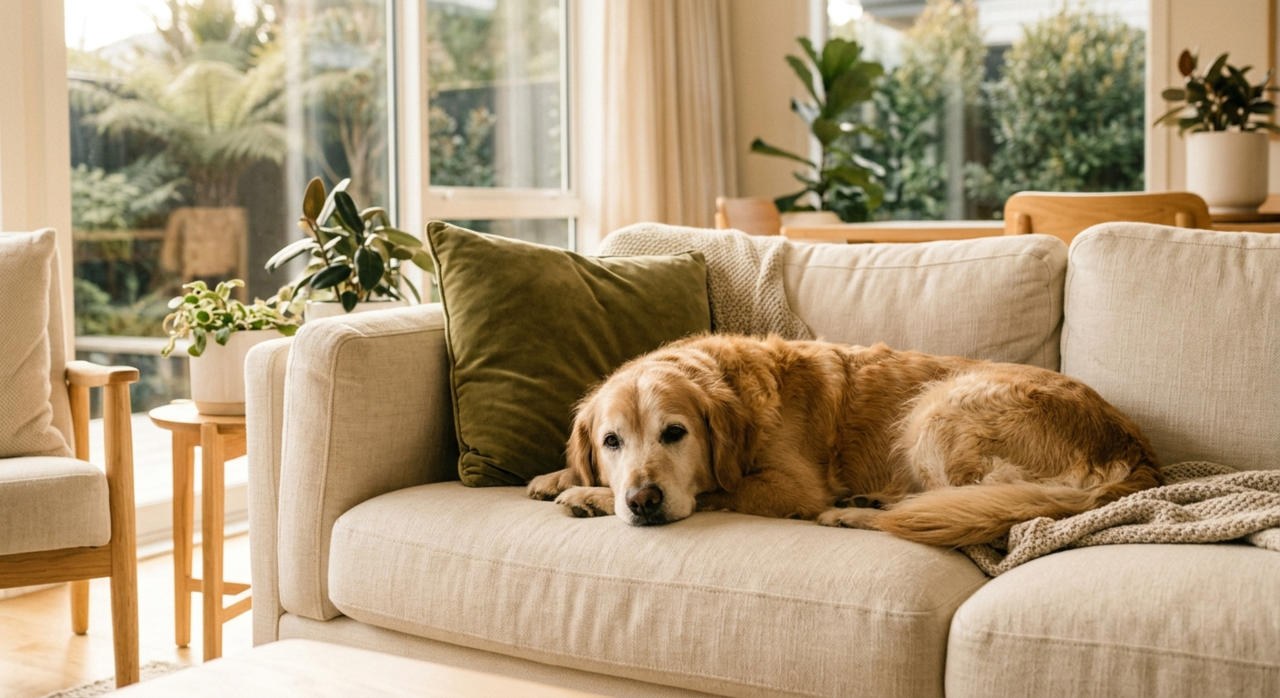
If you've noticed your older dog acting a little differently lately, you're not alone. Many Kiwi dog owners start to wonder about dog dementia as their dog gets into their senior years. It's a topic that's becoming more talked about, and a little more understood, but it can still feel confusing if you're new to it.
This is a plain-English starter guide to dog dementia: what it is, what to look out for, and what you can do to help your dog feel comfortable and settled as they age. It's a friendly introduction rather than a deep medical dive. If anything sounds familiar, your clinic is the best next stop.
Quick answer
Dog dementia is the everyday name for canine cognitive dysfunction (CCD), a gradual change some dogs experience in how their brain works as they age. It can affect memory, sleep patterns, recognition and behaviour. It's most common in dogs over 9, can't be reversed, but can often be supported with the right routine, diet and home set-up. Always chat with your clinic if you're noticing changes.
What Is Dog Dementia?
Dog dementia is a friendly term for what's properly called canine cognitive dysfunction, sometimes shortened to CCD. It's not a single specific illness, more of an umbrella term for the gradual changes some older dogs experience in how their brain works.
It's a bit like dementia in people in some ways: memory can shift, sleep patterns can flip, dogs can become a little more anxious or confused, and familiar things can start to feel less familiar. It's gradual, usually unfolding over months or years rather than appearing suddenly.
How Common Is It?
It's more common than many owners realise, especially in dogs over 9. The chances increase the older a dog gets, and bigger breeds may show signs slightly earlier than smaller breeds. Plenty of senior dogs never show meaningful signs at all, while others develop changes that benefit from a bit of extra support at home.
It's not something to panic about. It's something to be aware of, so you can spot it early if it does affect your dog and start helping them sooner.
Signs to Look Out For
Cognitive change rarely shows up as one big moment. It's usually a collection of small things you notice over time. Many owners think back later and realise the early signs had been there for months. Some of the most common signs to watch for:
Disorientation
Getting lost in familiar places, staring at walls, getting stuck behind furniture, or pausing in doorways like they're not sure which way to go.
Sleep changes
Sleeping more during the day and being more restless at night. Pacing, whining or wandering after dark is one of the most commonly noticed changes.
Different interactions
Less excited to greet people, less interested in their favourite humans or other pets, or the opposite, becoming a lot clingier than they used to be.
Toilet changes
Forgetting house training, going inside when they used to ask, or going outside but coming back in and going again.
New anxiety
Getting startled easily, vocalising more, or seeming uneasy about things they used to take in their stride.
Changes in activity
Less interested in usual walks or play, or repetitive behaviours like circling, pacing the same loop, or licking the same spot.
One sign on its own often doesn't mean much, since lots of these can also be due to other things like joint pain, vision changes or just slowing down with age. A few of these together is what's worth flagging.
What Causes Dog Dementia?
The simple answer is: ageing. Just like humans, the brain goes through gradual changes as a dog gets older. For some dogs, those changes start to affect everyday navigation, memory and behaviour. The exact reasons aren't fully understood, but age is the biggest factor.
It's worth knowing that some other things can look like cognitive change, including:
- Vision or hearing loss
- Joint pain or arthritis
- Anxiety
- Other age-related health changes
This is why a chat with your clinic matters if you're noticing changes. Some of these are easier to address than dementia itself.
What You Can Do at Home
Cognitive change can't be reversed, but there's a lot you can do to help your dog feel safer and more settled. The aim is to keep their world predictable, calm and easy to navigate.
Keep routines steady
Same wake time, walk time and meal times every day. Routine reduces anxiety and gives your dog clear anchors to rely on.
Don't move things around
Keep furniture, beds and food bowls in the same spots. Familiar layouts make a big difference for a dog who's getting confused.
Block off tricky spots
Use baby gates or cushions to stop your dog walking into corners or down halls where they might get stuck.
Add nightlights
Low-watt nightlights along key paths help dogs with fading sight or confusion at night.
Soft, easy-access bed
A supportive bed in a quiet familiar spot they can find easily. Avoid moving it around once it's set up.
Gentle daily exercise
Short, regular walks are better than long exhausting ones. Sniffing is mentally tiring and good for the brain.
Light enrichment each day
5 to 10 minutes of easy puzzle work, sniffing games or lick mats helps keep the brain engaged. Keep it simple and rewarding.
Senior-appropriate diet
Some senior diets are formulated with antioxidants and omega-3s to support brain health. Worth chatting to your clinic about a transition.
Calm, quiet environment
Limit loud noise, busy household chaos, or sudden changes where you can. A calmer space is easier on a confused dog.
Foods and Supplements That May Help
Some senior diets and supplements are formulated to support brain health in older dogs. They're not a fix on their own, but they can be a useful piece of a wider plan. Always check with your clinic before changing diet or adding supplements.
Calming Aids That May Help
Cognitive change often comes with anxiety, especially around the evening or night-time. Calming products may help your dog feel more settled.
Easy Enrichment Ideas
Gentle daily mental work helps keep older dogs engaged. Keep sessions short and easy so they feel like wins.
When to Get a Check-Up
Reach out to your clinic if you're noticing:
- New or worsening confusion at home
- Two or more of the cognitive change signs together
- Sudden changes in behaviour, sleep or toileting
- Restlessness or pacing at night that's keeping them (or you) up
- New fear or anxiety in familiar places
- Bumping into things, hesitation on stairs, or other signs of vision change
Your clinic can help work out whether something else is going on, rule out other causes, and put together a plan that works for your dog. The earlier you get a check, the more options you have.
Frequently Asked Questions
What is dog dementia?
Dog dementia is the everyday name for canine cognitive dysfunction (CCD). It's a gradual change some older dogs experience in how their brain works, similar in some ways to dementia in people. It can affect memory, sleep patterns, recognition and behaviour.
At what age do dogs get dementia?
Signs are most common in dogs over 9. Smaller breeds may not show signs until 12+, while giant breeds can show changes earlier, sometimes from around 7. It varies a lot from dog to dog.
What are the first signs of dementia in dogs?
Early signs are often subtle: a flipped sleep schedule, mild disorientation in familiar places, less interest in greeting people, or new anxiety. They can be easy to miss at first because they look like just slowing down with age.
Is dog dementia painful?
Cognitive change itself isn't typically painful, but it can cause anxiety and confusion that's stressful for your dog. Other age-related conditions like arthritis can show up alongside, and your clinic can help spot and manage those.
Can dog dementia be cured?
It can't be reversed, but it can often be supported. A combination of senior-appropriate diet, supplements, mental enrichment, exercise, predictable routine and (in some cases) options recommended by your clinic can all make a real difference to how your dog feels.
How long do dogs live with dementia?
It varies a lot. Many dogs live happily for years with cognitive change once they've got the right home set-up and routine. The progression is gradual, and quality of life is often very good with the right support.
Should I get my old dog checked for dementia?
If you're noticing two or more changes together, or any sudden change, it's worth a check. Your clinic can help work out what's going on and rule out other things that can look similar (like joint pain or vision changes).
What food helps dogs with dementia?
Senior-appropriate diets that include antioxidants and omega-3s are popular for supporting brain health. Pro Plan Bright Mind is one of the few in NZ formulated specifically with cognitive support in mind. The right food depends on your dog's size, age and other health needs, so it's worth chatting to your clinic.
Help Your Senior Dog Stay Comfortable
From senior-appropriate diets to calming aids and gentle enrichment toys, find everything you need to support your older dog's day-to-day comfort. Save with Autodeliver on senior food and enjoy everyday member pricing with Pet Perks.
SHOP SENIOR DOG FOODRelated Reading
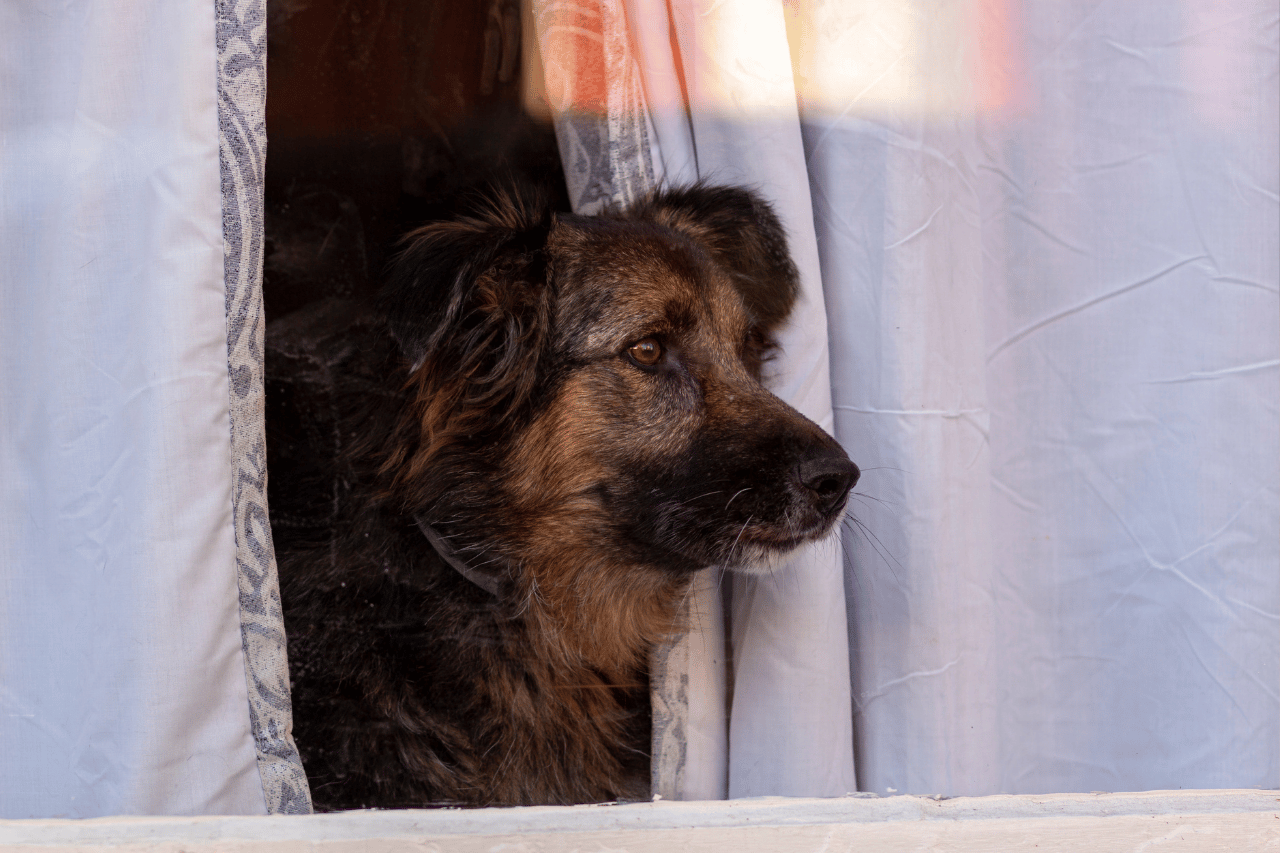
Cognitive Decline in Senior Dogs: Signs, Support and Tips
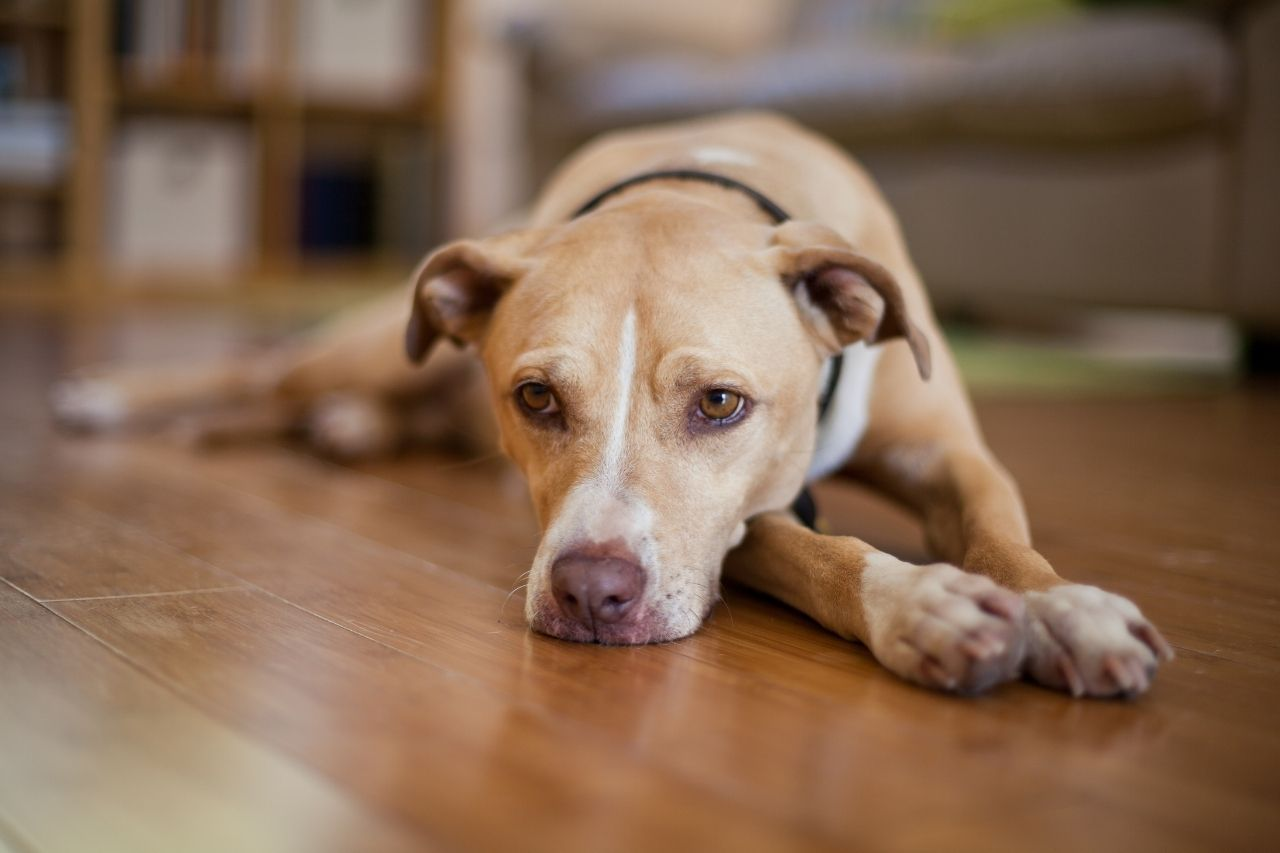
Is Your Dog Getting Lost in the House? Understanding CCD
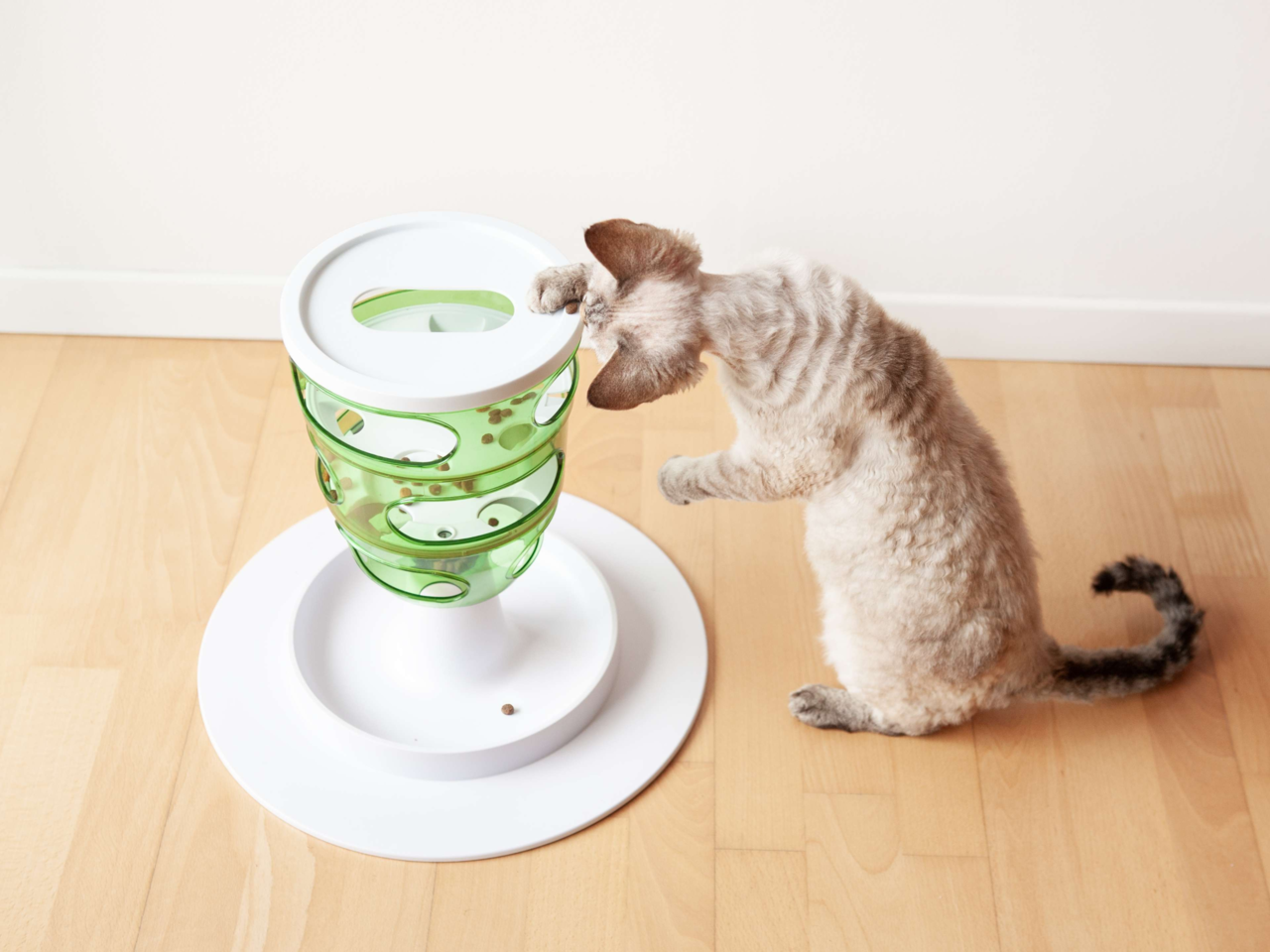
Night-Time Pacing and Restlessness in Older Dogs
5 Early Warning Signs Your Dog Is Ageing Faster Than You Think
Best Senior Dog Food NZ: Top Picks for Older Dogs
Joint Health for Senior Dogs: The Complete NZ Supplement Guide