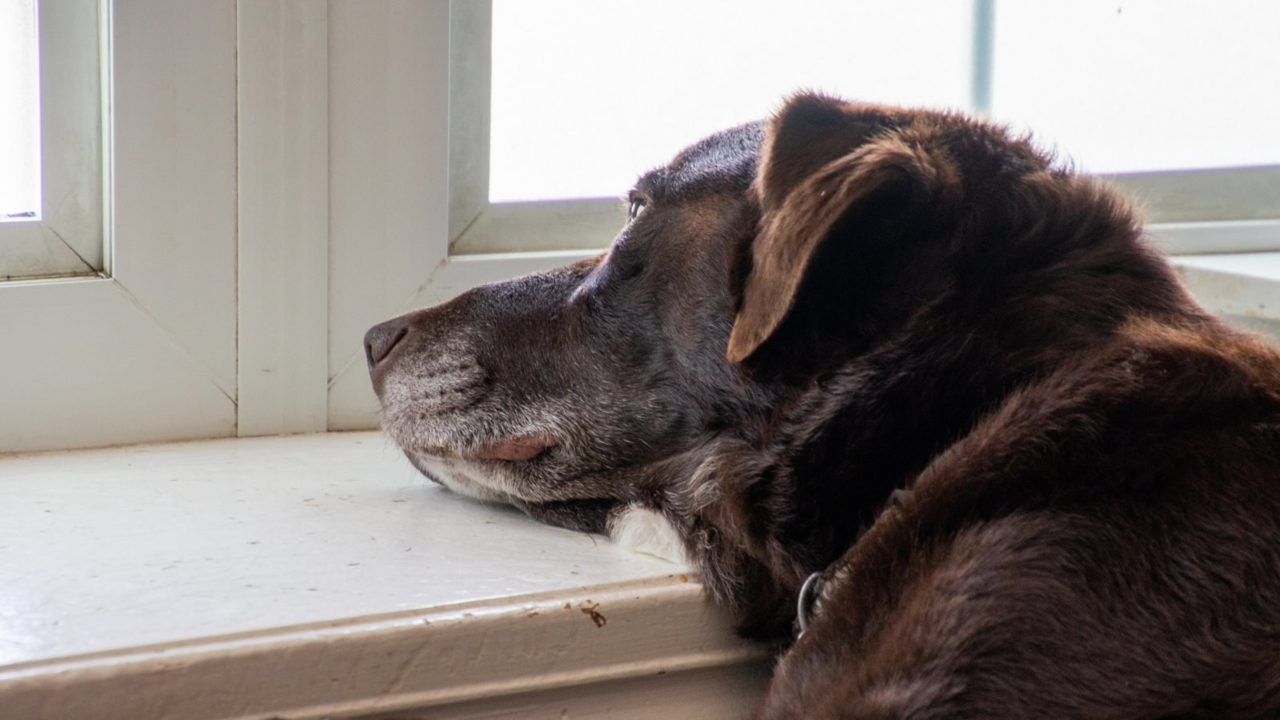
One of the quieter parts of getting older for a dog or cat is the slow fade of the senses. A pet who used to come running at the rattle of the lead might start sleeping through it, or one who once jumped onto the windowsill without a thought may begin pausing, hesitating, and feeling for the edge. It can be easy to miss, because pets are very good at adapting around what they can no longer hear or see.
Some hearing and vision change is a normal part of ageing, and most pets cope beautifully with a few small adjustments at home. This guide covers what to look for, how to make daily life easier and safer, and when a change is worth booking a check rather than putting down to age.
Quick answer
Gradual hearing and vision loss is common in older pets, especially cats from around 7 years and dogs as they reach their senior years (sooner for large and giant breeds). It often goes unnoticed because pets adapt so well. Keep furniture and food and water bowls in the same place, use scent and vibration cues, and approach gently so you do not startle them. A sudden change in either sense, cloudy or painful eyes, or a pet who seems disoriented should be checked by a vet promptly, as some causes are treatable when caught early.
How ageing affects the senses
Hearing and vision both rely on delicate tissues that change with age. The good news is that a pet's world is built far more on smell and routine than ours, so a dog or cat with reduced hearing or sight can still live a full, happy life with a little support.
Hearing changes
Age-related hearing loss usually creeps in slowly and affects higher pitches first. Many older pets keep some low-frequency hearing, which is why a deep clap or a stamp on the floor may still get a response when a soft call does not.
Vision changes
A bluish haze in the lens is very common in older pets and often has little effect on day-to-day sight. Other changes, such as cataracts or pressure building in the eye, can reduce vision more noticeably and need a closer look.
Often together
It is common for both senses to soften around the same stage of life. A pet leaning more on scent and memory of the home is usually managing two gentle changes at once rather than one big problem.
Signs your dog or cat may be losing their hearing
Because hearing fades slowly, the first clue is often a pet who simply seems to ignore you more. Watch for a cluster of these together rather than a single off day.
- Not responding to their name, the doorbell, or familiar sounds like the treat tin
- Sleeping more deeply and being harder to wake
- Startling when you approach or touch them because they did not hear you coming
- Barking or meowing more loudly than usual, as they cannot gauge their own volume
- No longer coming when called, but still responding to hand signals or footsteps they can feel
Signs of fading eyesight
Sight loss often shows up first in low light or in unfamiliar surroundings, where a pet cannot rely on memory of the layout.
What you might see
Bumping into furniture, hesitating at steps or doorways, missing a thrown toy or treat, or being more cautious in dim light. Cats may stop making confident jumps to favourite high spots.
What to look at closely
Cloudiness, redness, a colour change, squinting, pawing at the eye, or one pupil that looks different to the other. A painful or suddenly cloudy eye is not a wait-and-see sign and should be checked quickly.
Helping a pet whose hearing is fading
The main shift is moving from sound cues to sight, touch, and vibration, and being careful never to startle them. Wake a deaf pet by gently touching the same spot each time, or by letting them feel your footsteps through the floor before you reach them. Many older pets respond well to simple hand signals, and a torch flicked on and off can become a "come here" cue at night.
Reduced hearing can leave some pets feeling less secure, so a calm, predictable environment helps. Pheromone support can take the edge off that uncertainty for both dogs and cats.
Helping a pet whose sight is fading
Pets with reduced vision lean heavily on memory and smell, so the kindest thing you can do is keep their world consistent. Leave furniture, beds, and food and water bowls exactly where they are, block off stairs or pools if needed, and add a scent or texture marker near key spots so they can navigate by nose and paw. Talk to them as you move around so they always know where you are.
Keeping the mind busy matters just as much. Scent-led games and slow feeders give a dog or cat a satisfying job that does not depend on sharp eyesight, and a fountain makes water easy to find by sound and movement.
Gentle eye and ear care at home
A little regular care keeps the eyes and ears comfortable and makes it easier to spot a change early. Wipe away any normal discharge from the corners of the eyes with a soft pet eye wipe, and keep ears clean with a product made for the job. Always be gentle, never poke down into the ear canal, and stop and book a check if you see redness, a bad smell, swelling, or signs of pain.
A safe, consistent home base
A supportive bed in a familiar, draught-free spot gives an older pet a reliable place to rest and re-orient. Keeping that base in the same location helps a pet with reduced sight find it easily, and a well-padded bed eases the stiff joints that often come along at the same stage of life.
When to see your vet sooner
Slow, gradual change is usually age. Some signs deserve a prompt check because the cause may be treatable:
- A sudden loss of hearing or sight rather than a slow fade
- An eye that is cloudy, red, painful, squinting, or bulging
- Bumping into things that started quickly, or a pet who seems lost in their own home
- Head tilting, circling, loss of balance, or constant pawing at an ear or eye
- Discharge, swelling, or a bad smell from the ears or eyes
Frequently Asked Questions
At what age do pets start to lose their hearing and sight?
There is no fixed age, but changes most often appear in the senior years. Cats are generally considered senior from around 7, while dogs reach their senior stage at different ages depending on size, with large and giant breeds ageing sooner than small ones. Some pets keep sharp senses well into old age.
How can I tell if my pet is deaf or just ignoring me?
Try a sound your pet cannot see you make, such as a clap or a squeaky toy while they are facing away. If they consistently do not react to sounds they used to respond to, but still notice you when they can see or feel you, reduced hearing is likely. A check can confirm it.
Can hearing or vision loss in older pets be reversed?
Age-related decline usually cannot be reversed, but some specific causes, such as infections, certain eye conditions, or pressure in the eye, can be treated or slowed when caught early. That is why a sudden or painful change is worth a prompt vet visit rather than waiting.
Will my pet cope with losing a sense?
Most do remarkably well. Dogs and cats rely heavily on smell and on their memory of the home, so a pet with reduced hearing or sight can stay happy and confident with a consistent layout, gentle handling, and a bit of extra patience.
How do I keep a blind or low-vision pet safe?
Keep furniture and bowls in the same places, block off stairs, pools, and balconies, and use scent or texture markers near important spots. Talk to your pet as you move around the house so they always know where you are, and introduce any new obstacle slowly.
How should I wake or approach a deaf pet?
Avoid touching them suddenly while they sleep. Stamp gently so they feel the vibration, or wave a hand in their line of sight first, then touch the same shoulder spot each time so the contact becomes predictable and reassuring.
Is cloudiness in the eyes always a problem?
Not always. A faint bluish haze is very common in older pets and often has little effect on sight. A white, dense cloudiness, redness, or any sign of pain is different and should be checked, as it can point to a condition that needs treatment.
Related Reading
5 Early Warning Signs Your Dog Is Ageing Faster Than You Think

6 Subtle Signs Your Cat Is Entering Their Senior Years
Cognitive Decline in Senior Dogs: Signs, Support and Brain-Boosting Tips
Feline Cognitive Dysfunction: Can Cats Get Dementia?
Night-Time Pacing and Restlessness in Older Dogs: What It Could Mean
How Often Do Senior Dogs and Cats Need Vet Checks