You've noticed your cat's water bowl is barely going down. Maybe it's the same level today as it was yesterday. Maybe you've watched them walk past it for a couple of days without stopping. It's the kind of thing that nags at you, partly because cats are tricky to read at the best of times, and partly because most owners know hydration is one of those quiet things that matters more than it shows.
Here's the calm version of what's probably going on, what's worth checking at home, and when it's worth getting a proper look.
Quick Answer
Most cats drink less than people expect at the best of times, so "less than usual" can be hard to judge. A sudden drop in water intake is usually about the bowl setup, the weather, food intake, stress, or discomfort somewhere (mouth, joints, somewhere reaching for the bowl matters). Try a fountain, multiple water stations, more wet food, and a warm spot for the bowl. If your cat is also off food, hiding, lethargic, or has gone more than 24 hours without drinking, that's the moment to get a proper look.
Cats Are Bad Drinkers Anyway
Before deciding your cat is drinking less than they should, it helps to know what "normal" looks like in cats, which is the first surprise: cats are naturally poor drinkers. They evolved from desert ancestors and got most of their water from prey, not from a bowl. The modern cat still has that low thirst drive, which is why a cat eating only dry food and visiting the bowl twice a day is doing something close to normal cat behaviour, even if it doesn't look like much.
What changes the picture is a recent decrease. A cat who used to drink a few times a day and now barely touches the bowl. A cat whose water level used to drop visibly overnight and now sits at the same mark. That's the version worth paying attention to.
Reasons a Cat Might Suddenly Drink Less
Most cats who drink less than usual have a setup or comfort reason behind it. A handful have something brewing that needs looking at. These are the angles to consider, roughly in order of "most common, easiest to fix" first.
Cold weather and a cold bowl
Cats often go off cold water in winter, especially if the bowl is sitting on a tile floor or near a draught. The cat isn't thirsty enough to push through. A bowl moved into a warmer spot, or topped up with slightly warmer water, can fix this in 24 hours.
The bowl moved or the room got busier
Cats are particular about where they drink. A new dog in the house, a kid's craft table next to the bowl, a different bowl material, or a bowl moved 30 cm to the left can be enough for some cats to stop using it. Cats also prefer water that isn't right next to their food bowl or litter tray.
They've gone off food
Food intake and water intake are linked. A cat eating less is usually drinking less too, sometimes because they feel a bit off, sometimes because eating drives a bowl visit afterwards. If both have dropped together, the food side is usually the right place to look first.
Something in the mouth or teeth
Dental discomfort can make drinking from a cold bowl uncomfortable. A cat with a sore tooth, gum, or jaw will sometimes approach the bowl, hesitate, and walk away. Bad breath, drooling, pawing at the mouth, or chewing on one side are clues to follow up.
Stress or a change at home
New people, new pets, new furniture, builders, fireworks, a holiday boarder. Stress shows up in cats as withdrawal, and withdrawal often includes drinking less. Usually settles within a week of the change finishing, sometimes faster with a calming diffuser running.
Joint discomfort reaching the bowl
For older cats, a bowl on the floor in an awkward spot can become uncomfortable to reach if joints are stiff. Cats won't always make a fuss about it, they just visit less often. A raised bowl, or moving the bowl to somewhere easier to get to, can lift intake.
Switched to wet food recently
This one is often a non-issue. If your cat has moved to wet food (or you've increased the wet portion), they're getting more water from the bowl on their plate and don't need to visit the water bowl as much. As long as the cat is otherwise well, this is fine.
Something is brewing
Less commonly, a cat drinking less is a sign of nausea, an upset stomach, or something the body is working through. Usually this comes with other clues (less eating, hiding, vomiting, less energy). When the decrease is dramatic, lasts more than a day, or pairs with other changes, this is the time to get a proper look.
A Quick At-Home Hydration Check
If you're not sure whether reduced drinking has crossed into mild dehydration, these four quick checks will give you a useful read.
The skin pinch
Gently pinch a small fold of skin over the shoulders and let go. It should spring back instantly. If it stays tented for a moment, that's a sign of mild dehydration.
The gum feel
Cat gums should feel slick and wet. Sticky or tacky gums are an early hydration warning.
The litter tray check
Less drinking shows up in the tray. Smaller, more concentrated urine clumps (or fewer of them) usually mean less water has gone in. A cat that hasn't peed in 24 hours is a more serious flag.
The energy read
A well-hydrated cat is engaged and responsive. A cat who's gone quiet, slow, or just off at the same time as drinking less is worth taking more seriously, even if the bowl story alone wouldn't worry you.
How to Make Water More Appealing
Most "my cat is drinking less" stories end with a setup change rather than a medication. Cats are particular drinkers and the bowl situation is doing most of the work. Here are the moves that consistently lift intake in cats who've gone off the water bowl.
Try a fountain
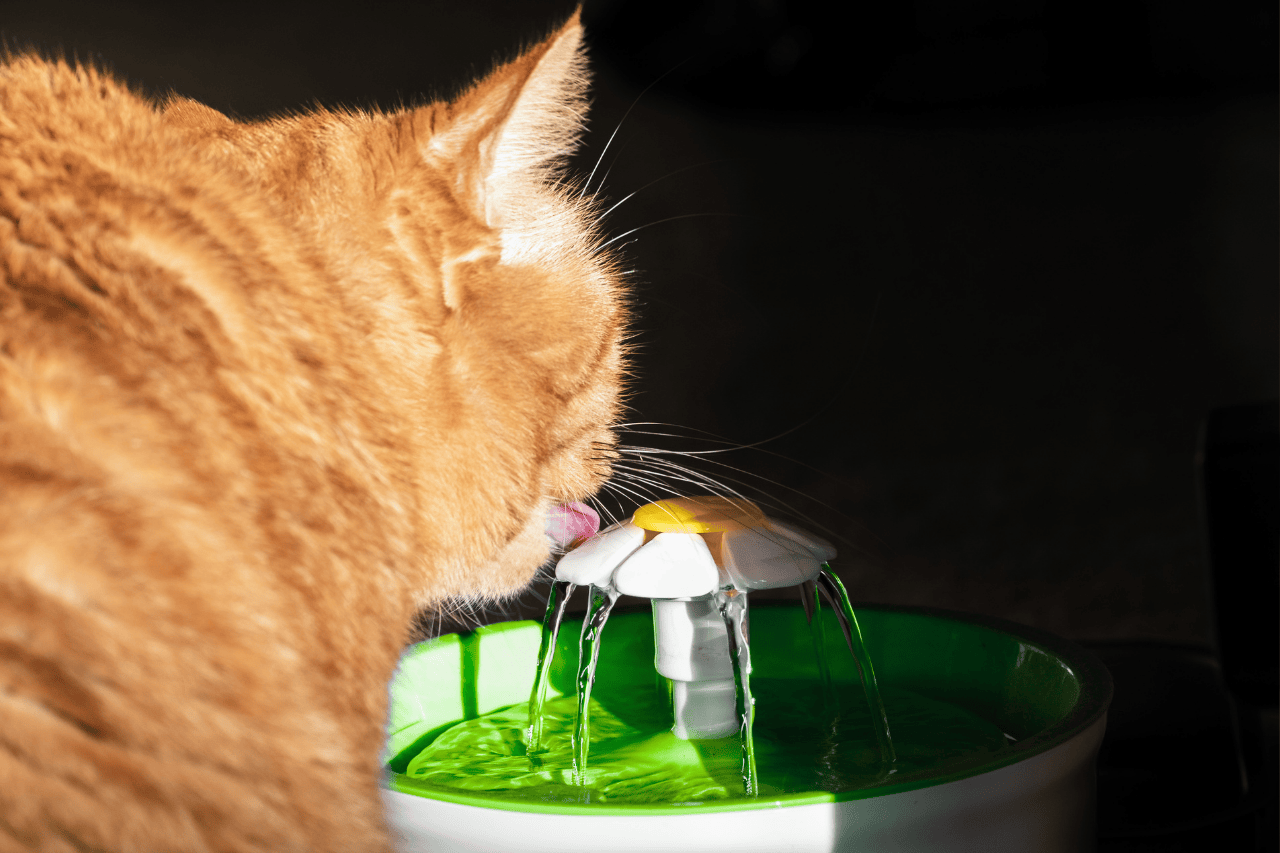
Cats often prefer moving water (clearer to them, fresher, more interesting) over a still bowl. A pet water fountain runs quietly in the background, filters as it goes, and tends to bring shy drinkers back to the water. This is the single biggest setup change most owners can make, and many cats double their intake within a week or two of a fountain arriving.
Put water somewhere that suits the cat
The general rule of thumb is one water station per cat plus one extra. Spread them around the house so the cat doesn't have to commit to a trip across the lounge for a drink. Keep them away from the food bowl and well away from the litter tray. A bowl on a shelf or a raised stand can suit older or stiffer cats.
Lean into wet food
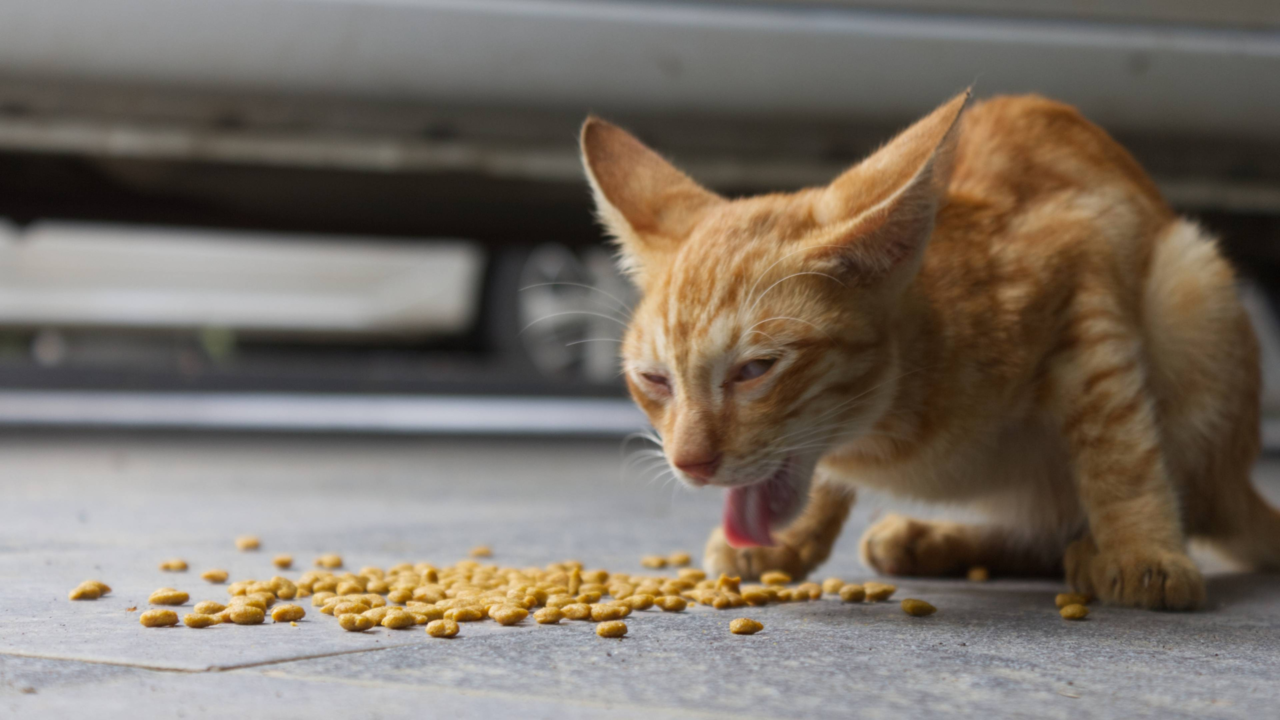
Wet food is the most efficient way to put water into a cat who won't drink it from a bowl. A standard pouch is around 75-80% water, which adds up. Wet foods that come in gravy, jelly or bone broth deliver even more. If your cat is currently on mostly dry, switching one meal a day to wet, or topping dry kibble with a spoon of wet, will move the dial faster than anything else.
Add water to meals on the side
A small spoon of warm water mixed through wet food brings out the smell and adds extra hydration. A drizzle of bone broth powder dissolved in water works the same way and most cats love it. A lick mat smeared with a little wet food and a splash of water gives them an enrichment moment that's also a drink.
Mind the bowl itself
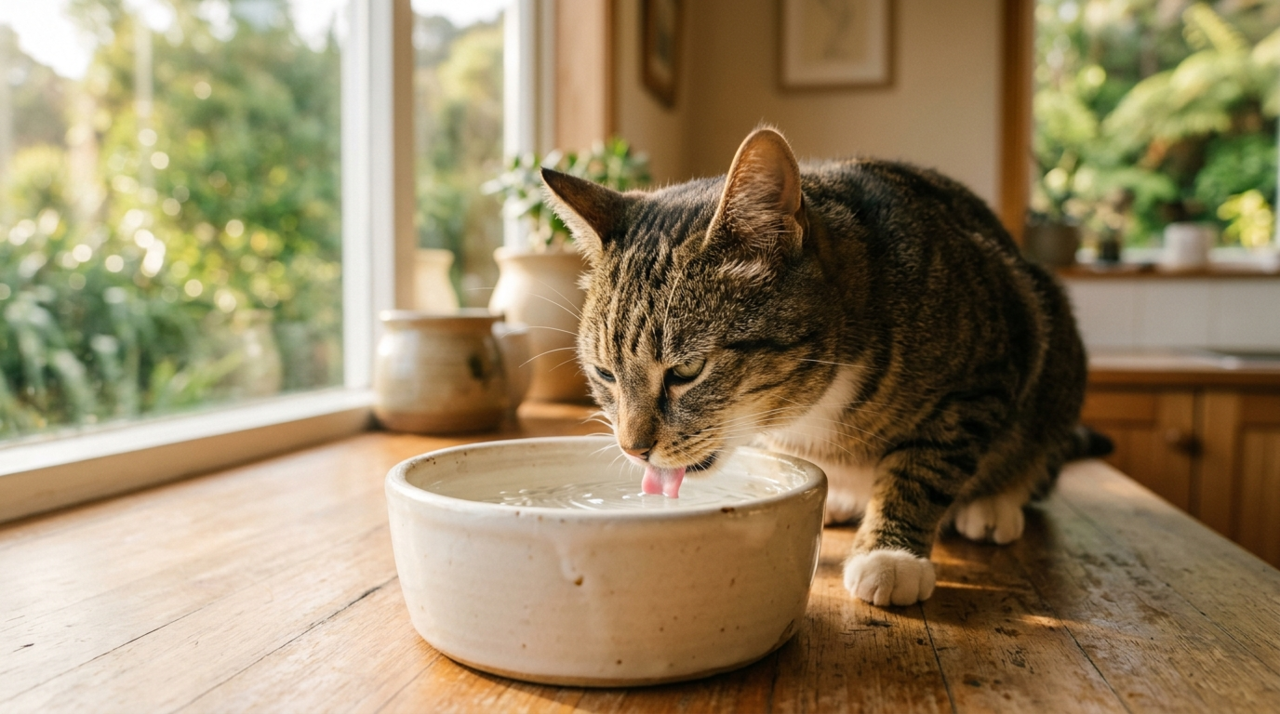
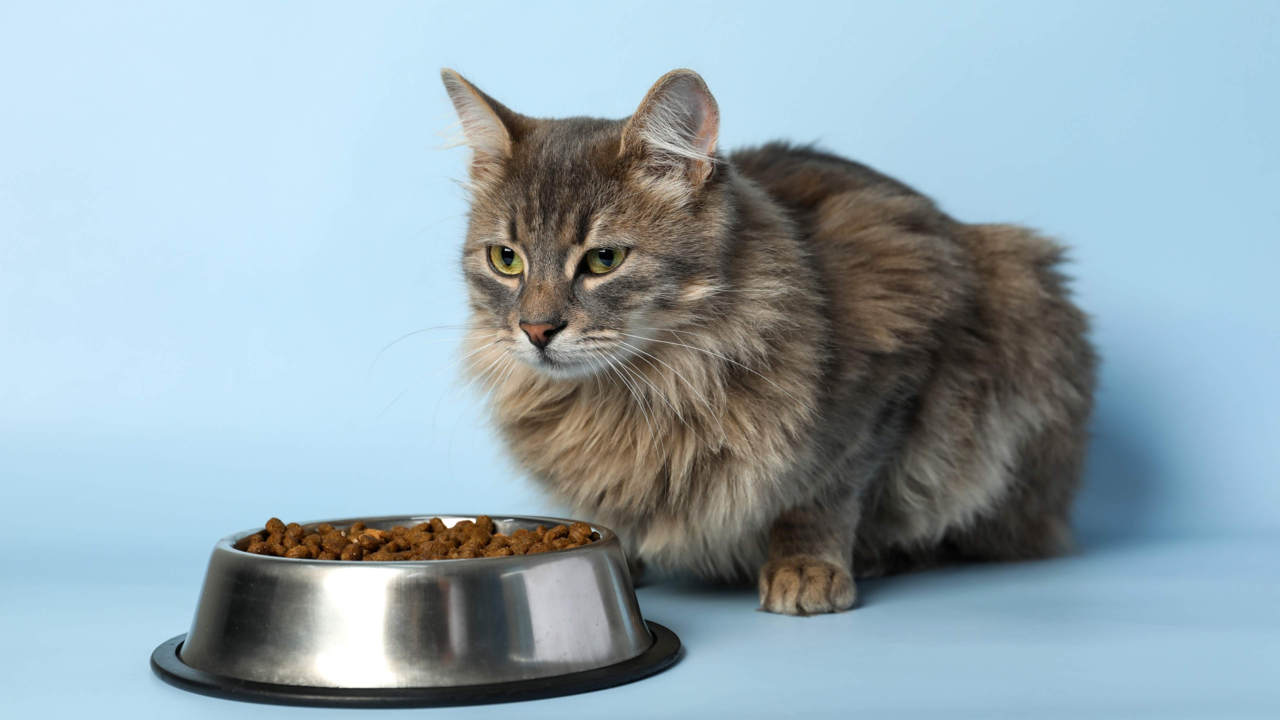
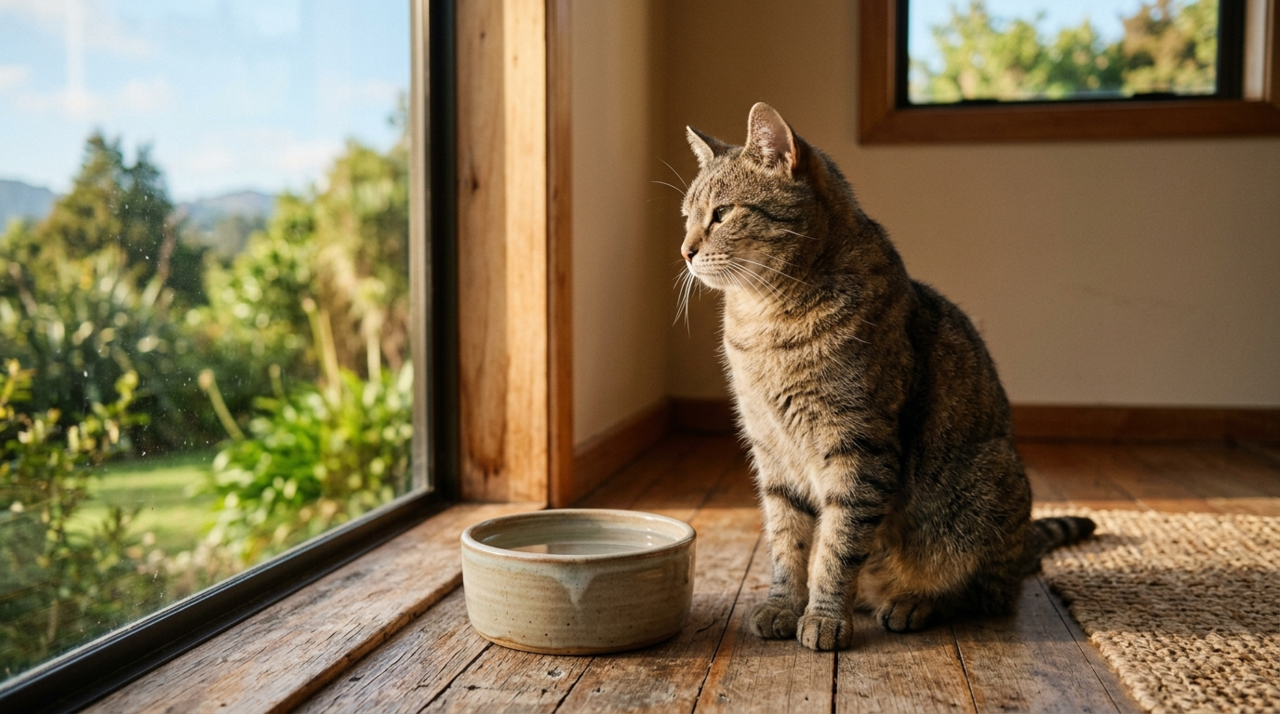
Some cats hate stainless steel (the reflection bothers them), some hate plastic (some cats develop a chin sensitivity to plastic over time). Glass and ceramic tend to be more universally tolerated. Wide, shallow bowls let cats drink without their whiskers brushing the sides, which a lot of cats noticeably prefer.
When It's Worth Getting Checked
Most drinking-less situations sort themselves out once the bowl, food, or setup is adjusted. Some don't, and a few warrant a proper look sooner rather than later. Use this as your shortlist:
- Your cat hasn't drunk anything (and looks visibly drier or less responsive) for more than 24 hours
- The decrease in drinking pairs with off food, vomiting, weight loss, hiding or unusual lethargy
- Your cat is straining in the litter tray, going more often for very small amounts, or has stopped urinating
- You can see signs of dental discomfort: drooling, pawing at the mouth, chewing on one side, or bad breath that's new
- The cat is showing skin tenting, sticky gums or sunken eyes
- Drinking has dropped sharply and dramatically rather than gradually drifting down
Cats have less buffer for dehydration than dogs, especially older cats and especially cats with any kidney or urinary history. When in doubt, get a proper look. Earlier is almost always better.
Frequently Asked Questions
How much water should a cat drink a day?
The rough guide is around 50 to 60 ml of water per kilogram of body weight per day, but that's total water including what's in their food. A cat on a wet-food-heavy diet might barely touch the bowl and still be fine. A cat on dry food only needs to drink a meaningful amount visibly. A 5 kg cat eating mostly dry food usually drinks somewhere around 150-250 ml a day if they're well-hydrated.
How can I tell exactly how much my cat is drinking?
Fill the bowl to a known level (a measured cup is easiest), check at the same time each day, and top up to the same line. Over a few days you'll have a real read on intake rather than relying on memory. If you have multiple cats sharing a bowl, this gets trickier and you're really tracking total household intake.
Will a fountain actually make a difference?
For a lot of cats, yes. The running water is more interesting than a still bowl, the filter keeps it fresher, and many cats who barely touch a still bowl will sit and watch (then drink from) a fountain. Most owners see a real lift within a week or two. It's not magic for every cat, but it's the single highest-impact change for the cats it does work on.
Should I switch my cat to wet food if they won't drink?
Not necessarily a full switch, but adding wet food is the most reliable way to lift water intake in a cat who won't drink from a bowl. One wet meal a day, or a spoon of wet on top of dry kibble, will move things meaningfully. If your cat tolerates the change well, you can lean further into wet.
My older cat seems to forget to drink. Is that a real thing?
It can be. Some older cats just don't think to visit the bowl as often, and a few are experiencing cognitive changes that affect routine. Multiple water stations, a fountain in a visible spot, more wet food, and gentle reminders to stop by the bowl (a chin scratch near it once a day) all help.
My cat only drinks from the tap or a glass on the bench. Is that fine?
Yes, perfectly normal cat behaviour. Some cats just prefer "interesting" water sources (running tap, your water glass, the dripping shower). A fountain often gives those cats the same experience without the bathroom hustle. Either way, what matters is that water is going in.
How quickly should drinking settle once I've made changes?
For most setup changes (new bowl spot, fountain, warmer water, more wet food), you should see a difference within a few days to a week. If drinking hasn't picked up at all after a week of trying, or the cat seems worse in any way, that's the signal to get a proper look rather than keep tweaking.
What if my cat is drinking less and peeing less?
Less in and less out is the pattern that needs a closer look, especially if it's been going on for more than a day or two. It can be a hydration issue, a urinary issue, or something else, and it shouldn't be left to ride out at home.
Cat Hydration Support at Petdirect
Browse our cat hydration support range, with water fountains, broth-rich wet foods, bone broth powders and lick mats curated to help a fussy drinker stay properly hydrated. Save with Autodeliver on the routine items, and enjoy everyday member pricing as part of Pet Perks.
SHOP CAT HYDRATION SUPPORT