The Best Summer Activities To Do With Your Dog
Quick answer
Choose low-pressure activities that suit your dog and the conditions. Check local rules before heading out, avoid the hottest part of the day, supervise water play and keep fresh water available. If your dog shows signs of heat stress or becomes weak, stop the activity, move them somewhere cooler and contact your vet promptly.
Choose a dog-friendly walk or beach visit
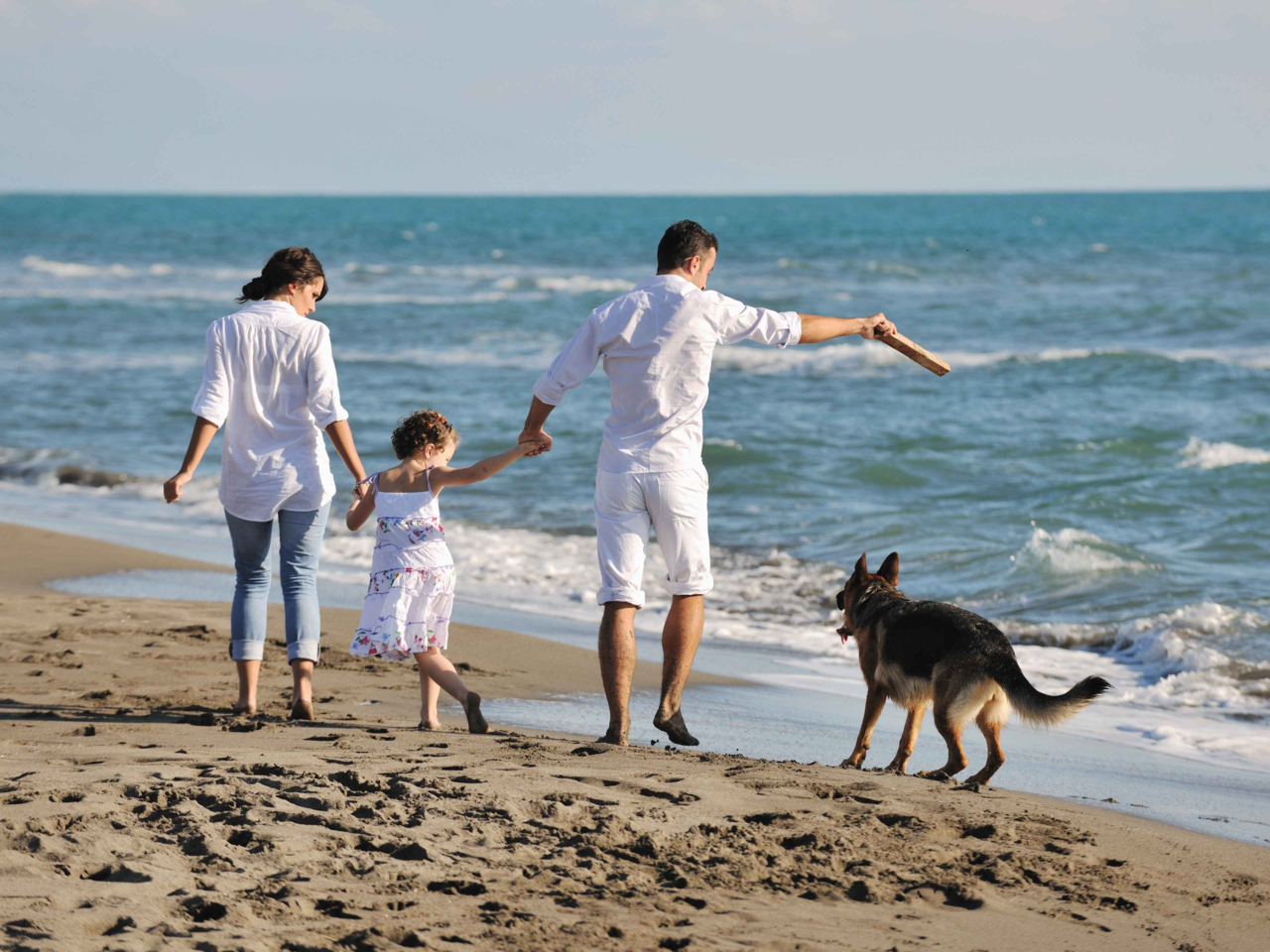
Start with a destination where dogs are permitted and check whether leads, time restrictions or other local rules apply. A short sniffing walk can be just as enriching as a longer outing. Look for shade and easy access to a quieter route, and turn back if the ground is hot, the path is exposed or your dog is tiring.
For a beach visit, keep your dog close enough to supervise around waves, rocks, wildlife and other people. Bring fresh water and a portable bowl rather than relying on seawater or unknown water sources. A rinse and paw check after the outing can help you notice sand, salt or debris before it becomes irritating.
Make water play gentle and supervised
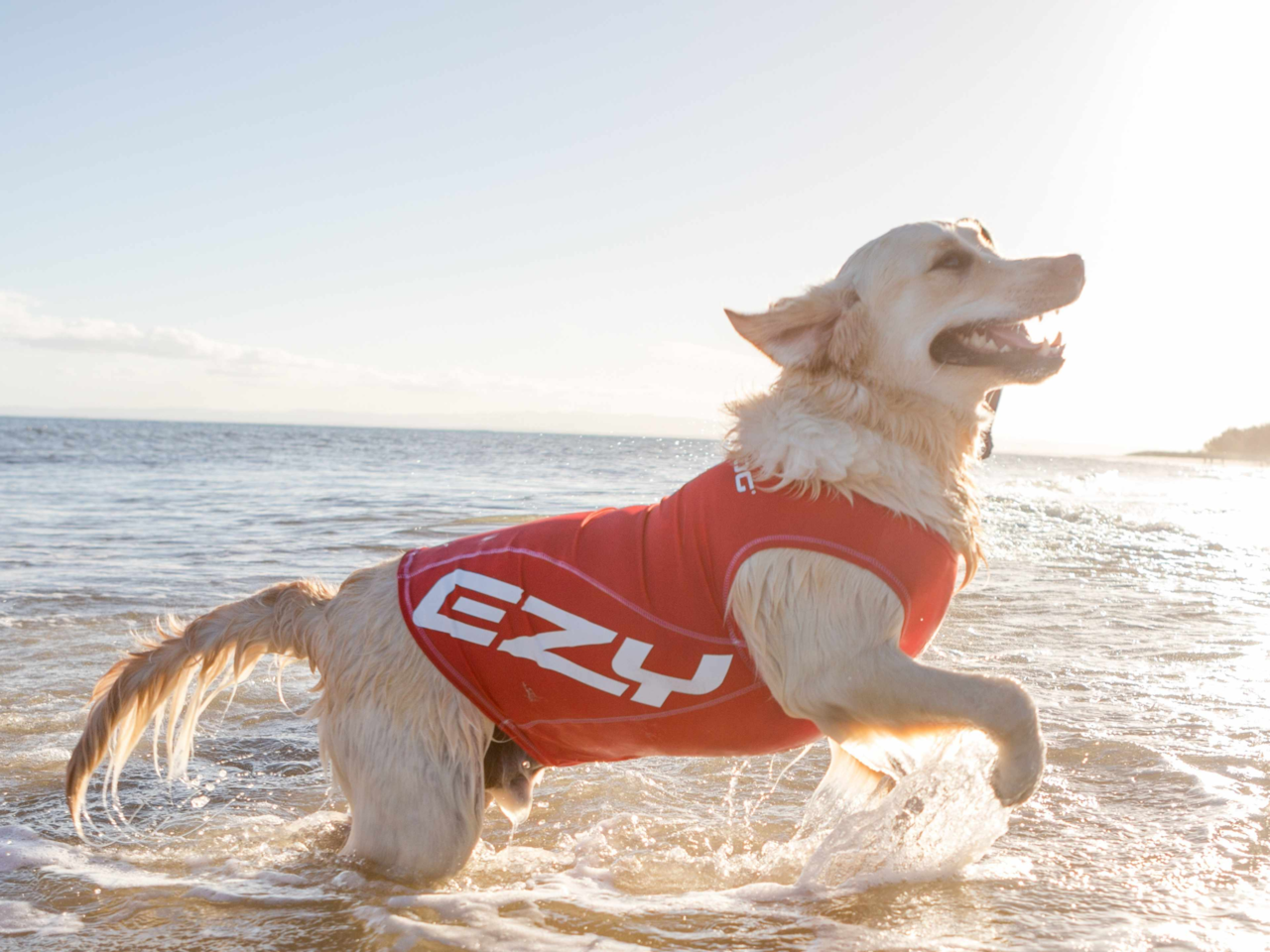
Some dogs enjoy paddling or chasing water from a hose, while others prefer to stay dry. Let your dog approach at their own pace and keep play shallow and easy to leave. Do not assume every dog is a confident swimmer, and keep dogs within reach around pools, rivers, lakes and the sea. A flotation device can add support for some water activities, but it does not replace supervision.
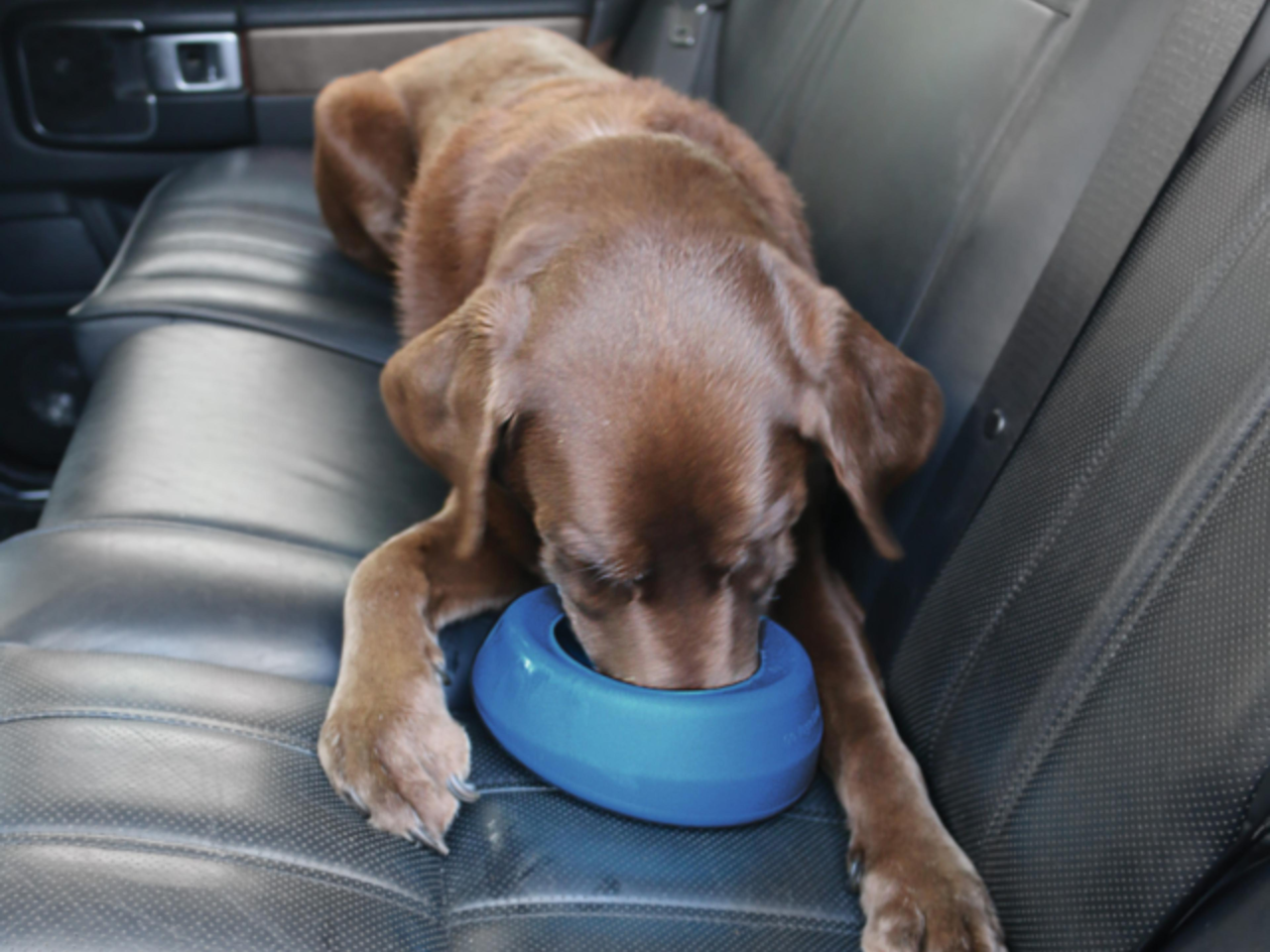
At home, use a stable bowl and a clear, uncluttered play area. Stop if your dog is struggling, swallowing water or becoming unsettled. After swimming or wet play, dry your dog as appropriate and check their paws and ears without putting anything into the ear canal.
Try fetch, tug and simple training games
Outdoor play does not need to be complicated. Try short rounds of fetch, a gentle tug game or a few familiar cues with rewards. Leave enough space between your dog, people and obstacles, and choose a surface that is comfortable for running and stopping. Watch for frayed toys or pieces that have come loose, and remove a toy if it is no longer safe to use.
Interactive play can also be a useful change of pace when you want your dog to think rather than sprint. Let your dog pause, sniff and choose whether to continue. If a game makes your dog frustrated or overly excited, simplify it or finish with a calm activity.
Plan a relaxed picnic or day trip
A picnic or day trip gives your dog new smells and surroundings without needing a demanding itinerary. Choose a spot with shade, keep food and rubbish out of reach and give your dog a quiet place to settle. Pack their usual food, fresh water and anything needed for safe transport. Never leave a dog unattended in a parked car, even when the windows are open.
For a road trip, check the destination's dog rules before leaving and plan breaks that suit your dog. A carrier or travel setup should be secure, well ventilated and appropriate for the individual dog. Keep the day flexible so you can shorten the outing if the weather changes or your dog needs a rest.
Keep enrichment going in the backyard
Your backyard can become a simple summer adventure zone. Create a sniffing trail with your dog's usual food, practise a few cues or place safe toys in different areas for supervised exploration. Rotate activities instead of leaving every toy out at once, and provide shade and fresh water nearby.
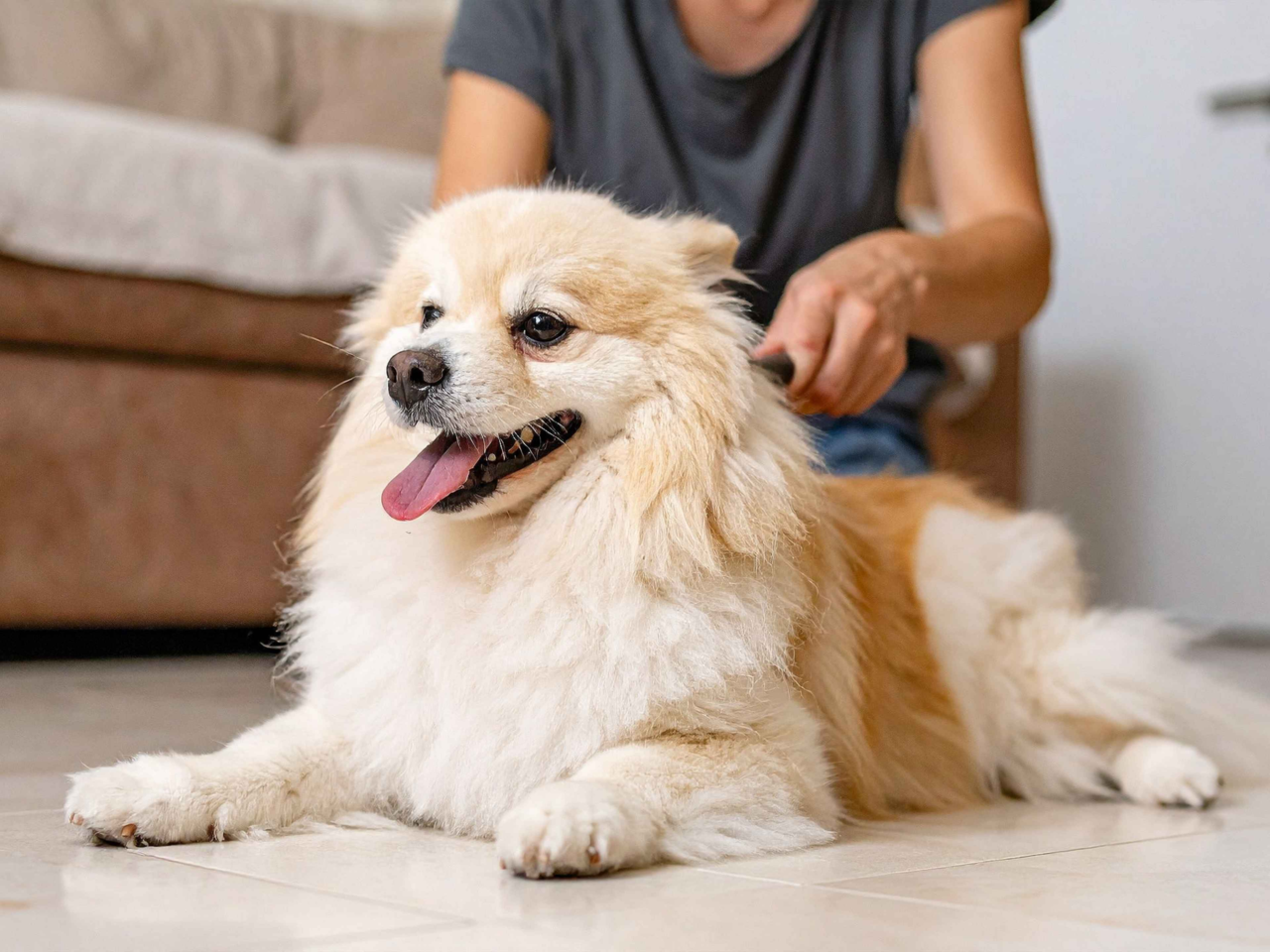
Keep gates secure and remove hazards such as broken toys, sharp garden waste and hot surfaces. Do not use an activity as a way to make an unsafe surface safe. If the day is too warm for active play, choose a quiet sniff, grooming check or settle beside you instead.
Follow your dog's signals
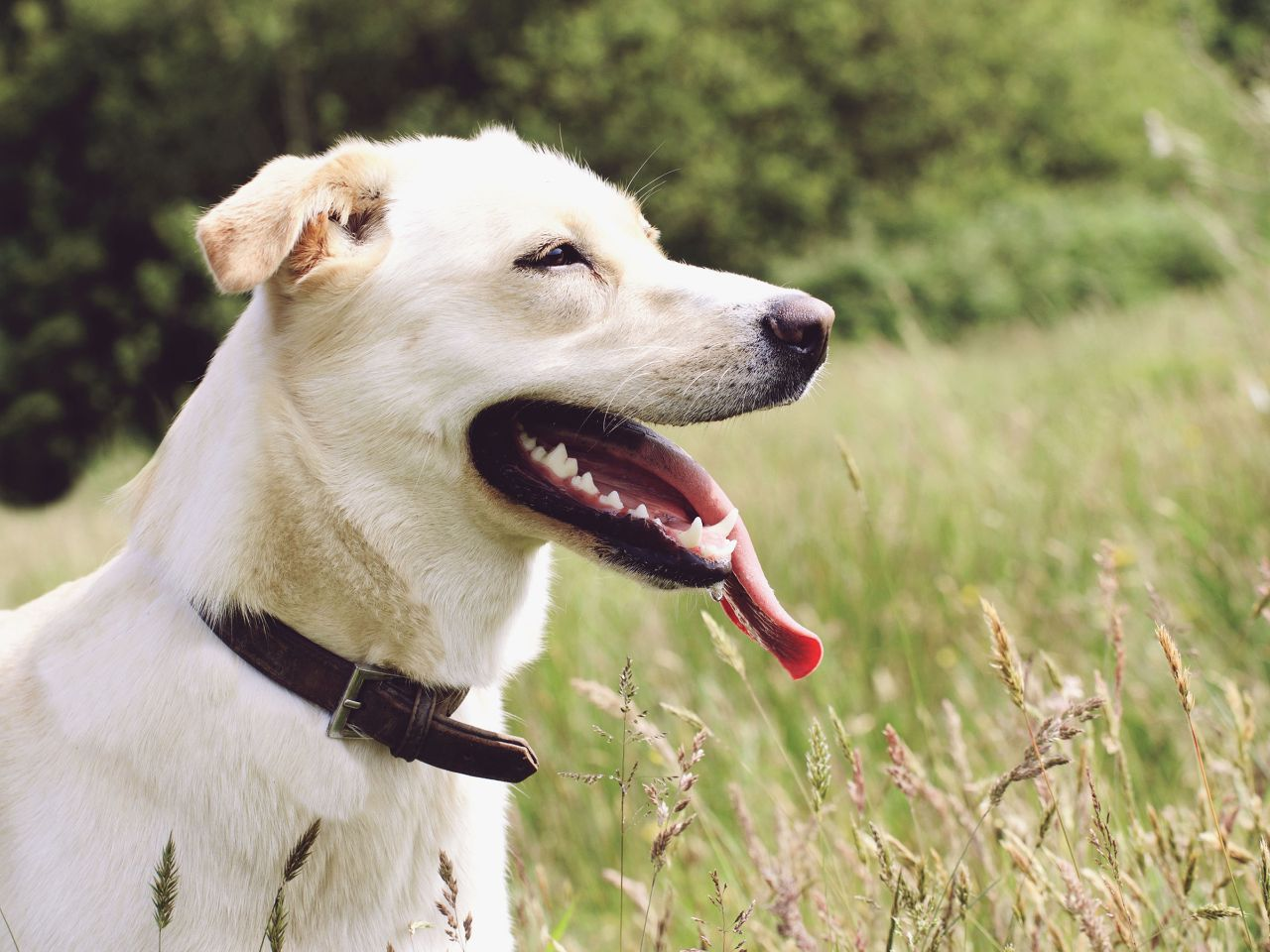
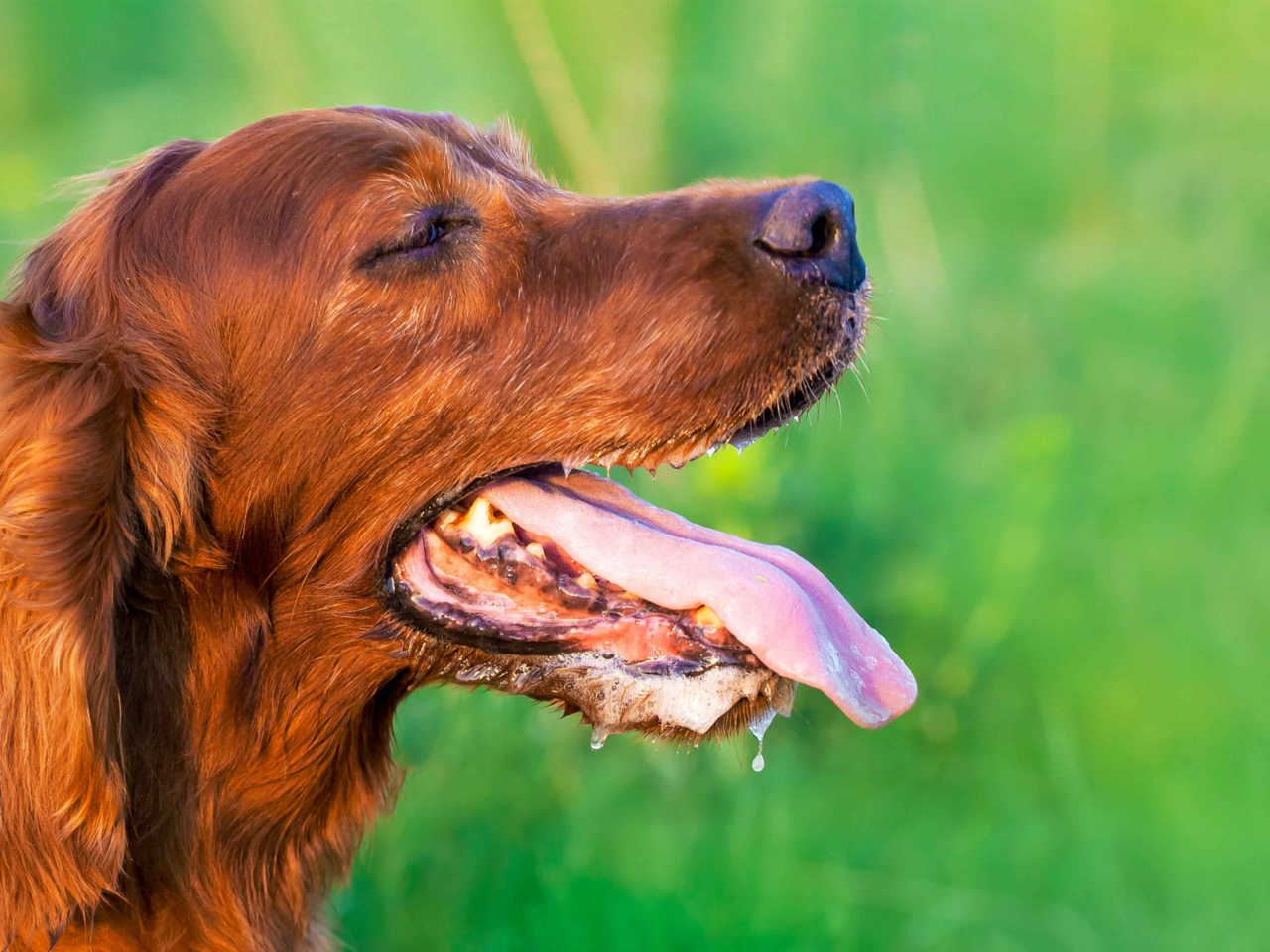
Dogs can enjoy summer in many different ways, but there is no need to complete a planned activity if your dog is not comfortable. Heavy panting, weakness, breathing difficulty, confusion or collapse are reasons to stop immediately, move your dog somewhere cooler and contact your vet. Grooming, games and travel can wait while you deal with a health concern.
For everyday outings, keep checking your dog's energy, paws, ears and behaviour. Choose rest before your dog needs it, offer water without forcing it and end on a calm note. The best summer plan is one that leaves your dog comfortable and ready to enjoy the next day.
Frequently asked questions
What is a good summer activity for a dog?
A good activity is one your dog enjoys and can do comfortably in the conditions. Try a short sniffing walk, gentle fetch, simple training or supervised water play, with shade, fresh water and rest available.
Can I take my dog to the beach?
You can visit a beach where dogs are allowed, provided you follow local rules and supervise your dog. Check the conditions, bring fresh water and watch closely around waves, rocks, wildlife and other beach users.
Do all dogs know how to swim?
No. Do not assume that a dog can swim confidently. Introduce water gradually, stay within reach and use a suitable flotation device for activities where extra support is needed. Supervision is still essential.
How can I keep backyard play comfortable?
Choose shade, keep fresh water nearby and use short play sessions with pauses. Check the surface before running games and switch to sniffing or quiet enrichment if your dog appears warm or tired.
What should I pack for a day out with my dog?
Pack fresh water, a portable bowl, your dog's usual food or rewards, a lead and any travel equipment they need. Add a towel for wet outings and check the destination rules before you leave.
When should I stop a summer activity?
Stop when your dog is tiring, unsettled or struggling to continue. If your dog becomes weak, has breathing difficulty, seems confused or collapses, move them somewhere cooler and contact your vet promptly.
Related reading
Make more of summer together
Find practical dog accessories for play, travel and everyday adventures.
Shop dog activities