Water Safety For Dogs: Tips For Summer Adventures
A beach visit, river walk or afternoon beside the pool can be a lovely part of summer with your dog. Enjoying the water starts with planning the whole outing, including the shoreline, drinking water, a comfortable place to rest and a way to leave.
This guide covers dog water safety at New Zealand beaches, rivers, lakes, pools and on boats. Your dog does not need to swim to enjoy being outdoors with you. A dry-land outing is a good option whenever the conditions or your dog’s comfort are uncertain.
Quick answer
Check local dog-access rules, water-quality alerts and conditions before you go. Stay close and supervise, let your dog choose whether to enter shallow water, and keep them away from waves, strong currents and suspected algae. Bring fresh drinking water and shade. A correctly fitted dog life jacket supports flotation but never replaces supervision or makes unsuitable water safe.
Check the destination before leaving
Look up current council water-quality advice and dog-access restrictions for the exact location. Recheck signs when you arrive, including any closures or lead requirements. Conditions can change, so an earlier visit is not an all-clear for today.
Look for a stable shoreline, an easy exit and somewhere comfortable to rest away from the water. Skip swimming around steep banks, strong currents, rough surf or places where you cannot safely stay close. Choose another location if you are unsure.
Keep dogs away from toxic algae
Some New Zealand waterways can contain potentially toxic algae. In rivers, watch for black, green or brown slime and leathery mats on stones or washed up at the edge. Discoloured, pea-soup-like lake water is another reason to keep your dog away. Do not rely on appearance alone to judge water quality.
Keep your dog on a lead around warning areas and prevent them from entering affected water or eating algal mats, including material on the bank. Follow local alerts and signs, and choose a different outing when there is a warning or suspected algae.
If you think your dog has swallowed algae, contact your vet immediately. Do not wait for symptoms. Accessories, rinsing and fresh drinking water are not treatment for suspected ingestion.
Introduce water gently and stay close
Let your dog explore from a stable, shallow edge without pulling, pushing or throwing them in. Keep the experience calm and stop if they hesitate, struggle or want to leave. Being comfortable at one spot does not mean they will be comfortable in deeper or moving water.
Give one adult responsibility for watching the dog rather than assuming someone else is doing it. Stay close enough to respond, take breaks on land and end the session when your dog needs a rest. Do not throw toys into deep water or currents to encourage a reluctant dog.
Plan pool exits and boating equipment
At a pool
Keep pool access securely fenced when you are not actively supervising. Show your dog the steps or suitable exit while staying beside them, and make sure they can reach and use it. Do not treat a pool cover as a safe walking surface or a substitute for a secure barrier.
On a boat
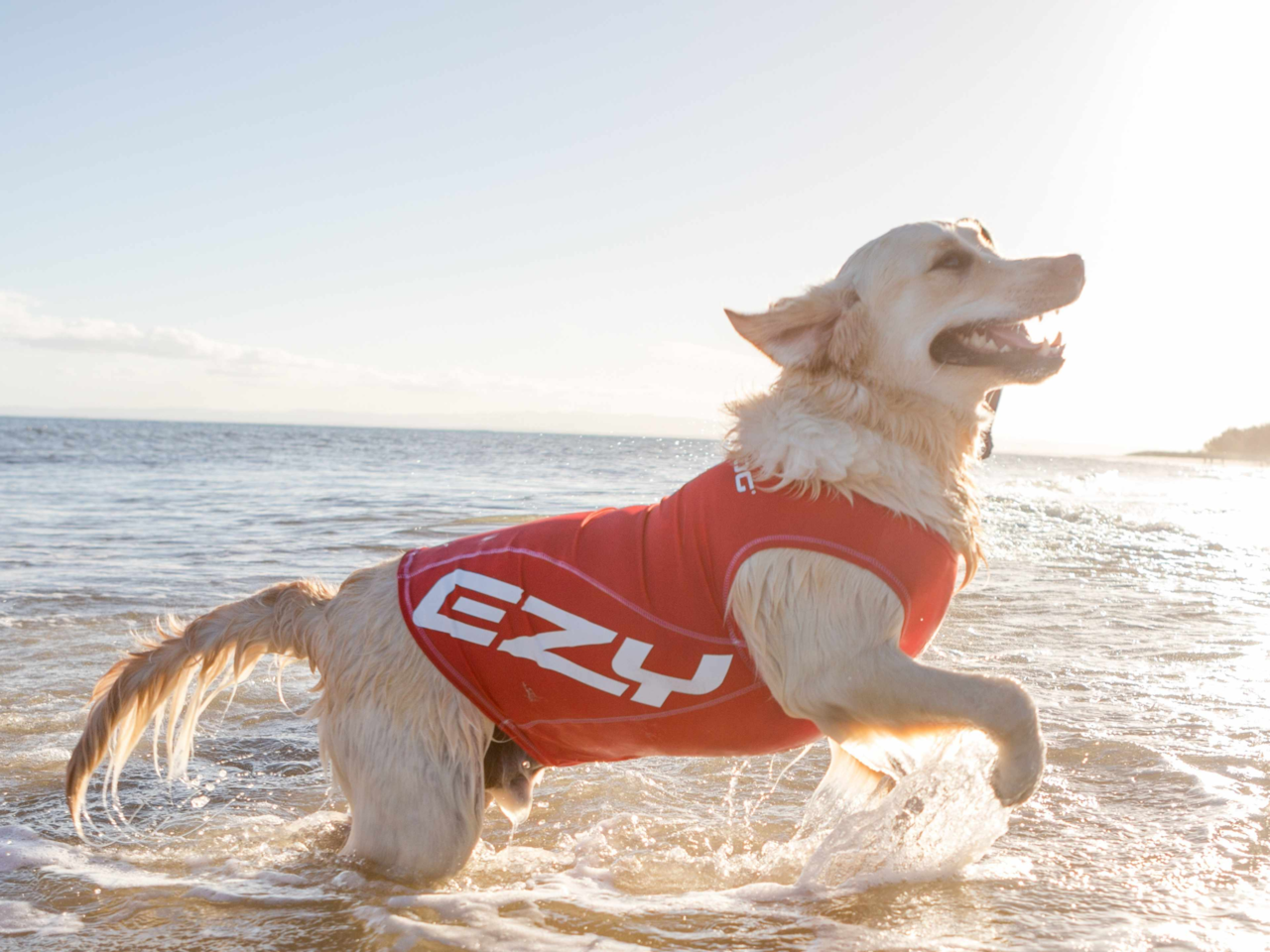
Choose a dog life jacket suitable for your dog and the activity. Check the manufacturer’s size guide, fit and fastening instructions before leaving, and let your dog get comfortable wearing it on land. Recheck the fit before use and follow the product’s handling instructions.
A dog life jacket is a flotation aid, not a guarantee of safety. The EzyDog X2 Boost Dog Life Jacket is an option to compare against your dog’s measurements and the intended outing. It does not replace staying close, suitable conditions or a plan for getting your dog safely back aboard.
Pack fresh water and plan a comfortable rest
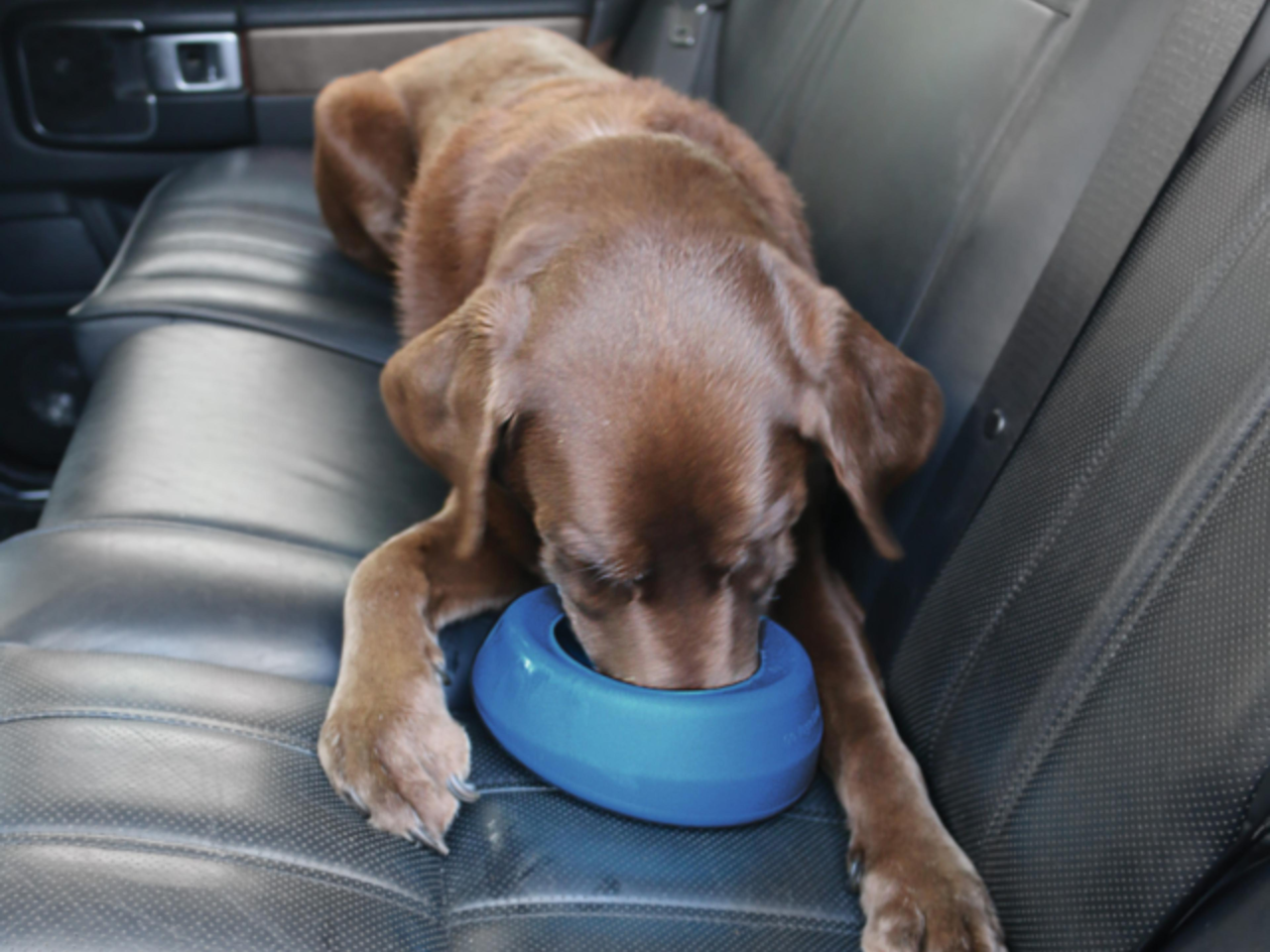
Bring your own fresh drinking water and offer it during breaks on land rather than relying on the sea, river, lake or pool. A familiar bowl can make the setup easier. Let your dog drink willingly and do not force water into their mouth.
A portable bowl such as the Kurgo Collaps-a-Bowl provides a place to offer the water you carry. Browse dog travel bowls and water bottles for the setup that suits your outing.
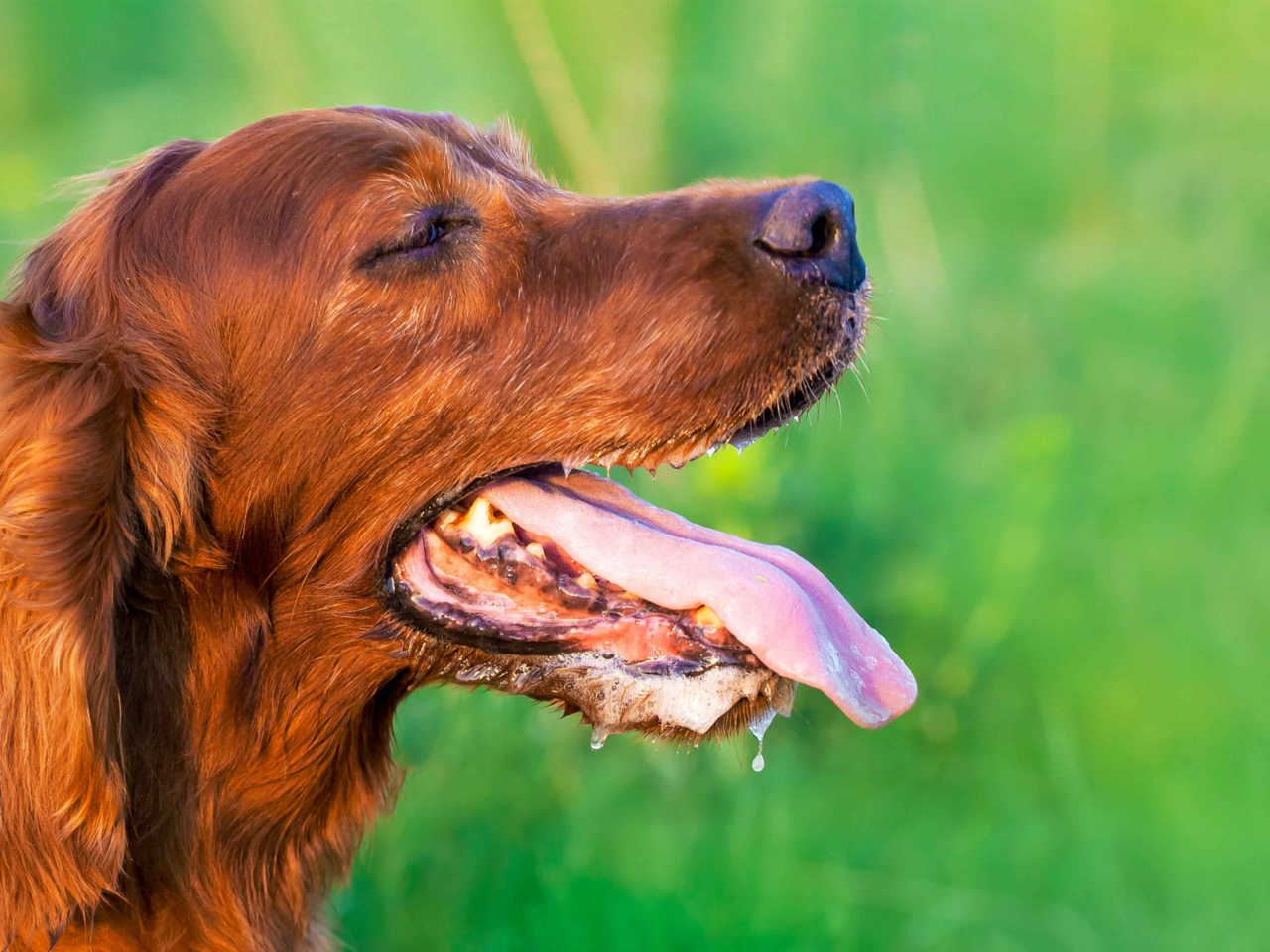
Check sand, paving and the path back to the car as well as the waterside spot. Keep a shaded resting place available and change plans if the conditions become uncomfortable. Swimming is not a substitute for the precautions in our guide to recognising overheating.
Finish with a rinse and a check
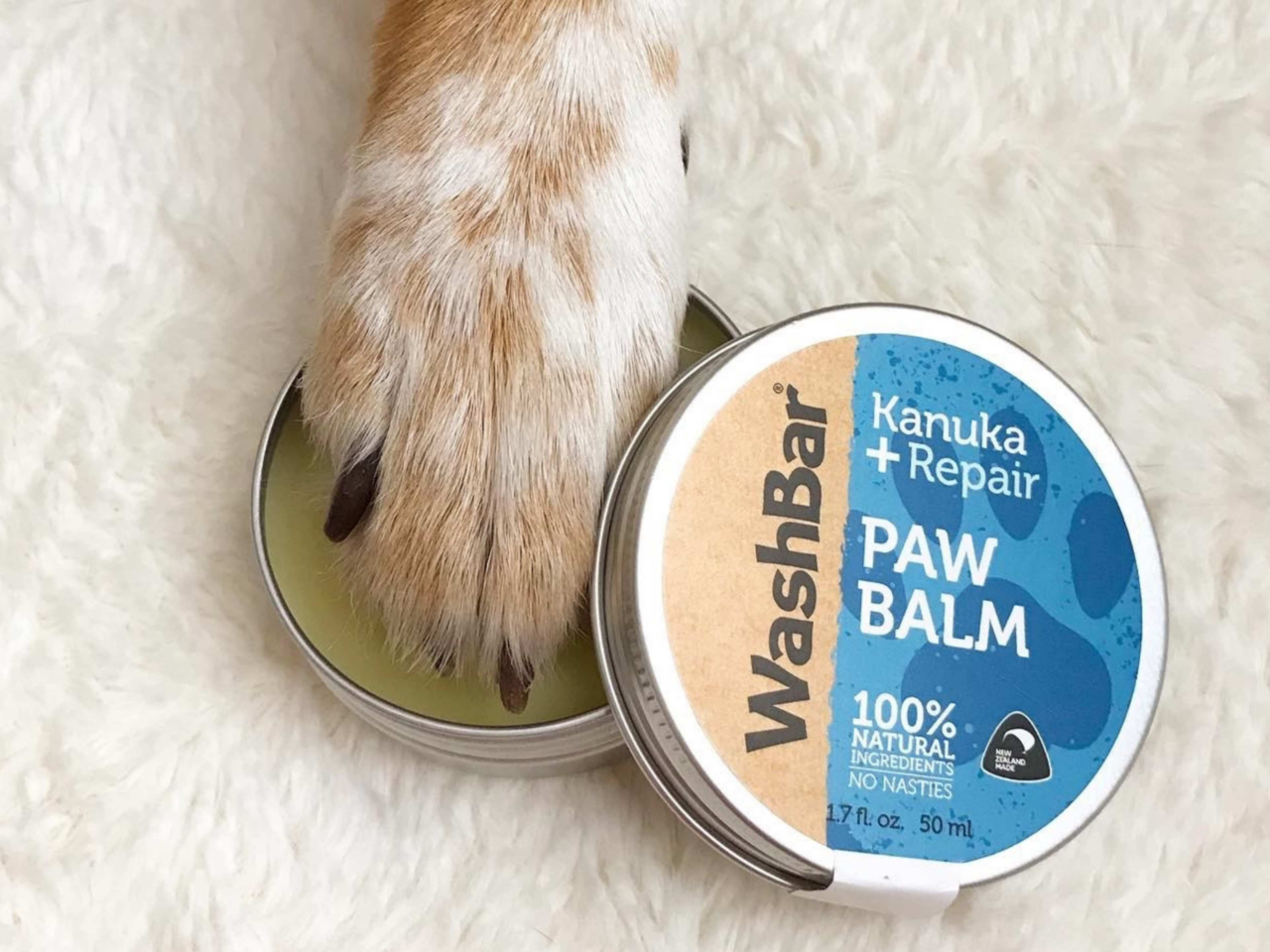
After an ordinary beach swim, rinse off salt with fresh water and dry your dog comfortably. Check their paws and coat for sand or debris, and let them rest somewhere comfortable. Avoid turning every swim into a full shampoo unless their grooming needs call for it.
If your dog struggles to breathe, collapses or becomes unwell after water play, contact your vet urgently. If algae ingestion is suspected, seek immediate veterinary help rather than treating a rinse as a solution.
Frequently asked questions
Can every dog swim?
Do not assume so. Start at a calm, shallow edge, stay close and let your dog choose whether to enter. A dog who prefers dry land does not need to be persuaded to swim.
Does a life jacket make river swimming safe?
No. A properly fitted flotation aid does not remove risks from strong currents, unsuitable conditions or toxic algae. Avoid the water when conditions are uncertain and continue supervising closely.
Can my dog drink from the sea or a lake?
Bring fresh drinking water and a bowl instead. Offer water willingly during land-based breaks and keep your dog away from water-quality warning areas.
What should I do if my dog eats an algal mat?
Contact your vet immediately, even if your dog seems well. Keep them away from the material and follow the advice you are given. Do not wait for symptoms or try home treatment.
Is a pool cover enough to keep my dog safe?
No. Keep access securely fenced and supervise pool time. Do not let your dog walk on the cover, and show them a suitable exit while you stay beside them.
Should I throw a toy farther out to encourage swimming?
No. Keep play within comfortable conditions and do not use a toy to draw your dog into deep or moving water. Stop if your dog is reluctant or needs a rest.
Related reading

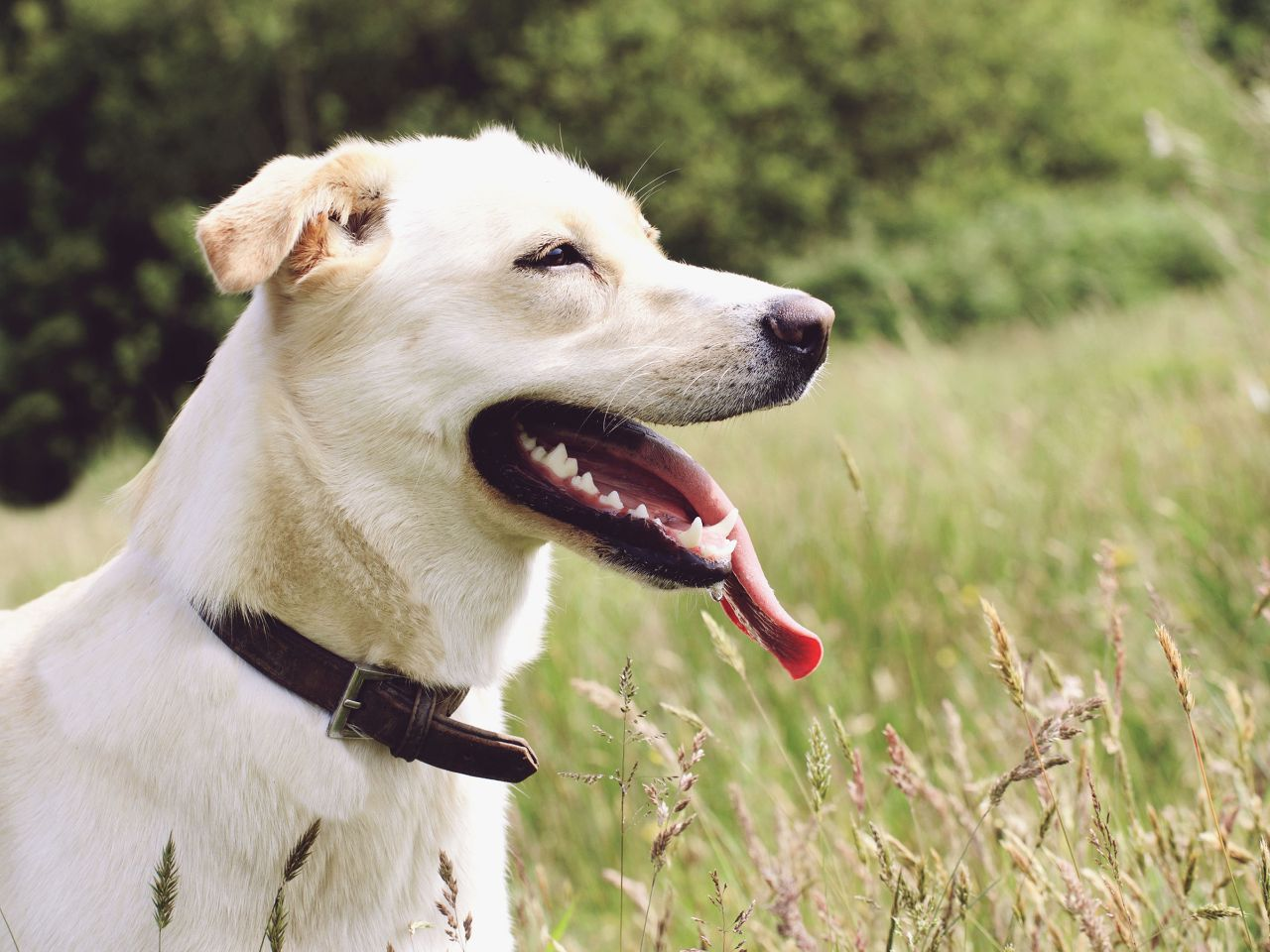

Prepare for a comfortable waterside outing
Choose a portable bowl or travel bottle for the fresh drinking water you carry. Equipment supports preparation, but safe conditions and supervision come first.
Explore travel bowls and bottles