How To Tell If Your Pet’s Too Hot
New Zealand summer days can change your pet's routine quickly. A dog may struggle on a walk they normally enjoy, while a cat can become too hot in a sunny room. Knowing how to tell if your pet's too hot means recognising changes in breathing, energy and behaviour, then acting before things worsen.
This guide covers early warning signs, when to treat overheating as an emergency, and everyday ways to help dogs and cats stay comfortable. Water, shade and cooling accessories support prevention. They are not treatment for suspected heatstroke.
Quick answer
Watch for unusually heavy panting, drooling, weakness, confusion, vomiting or collapse. Open-mouth breathing in a cat is an urgent warning sign. If you suspect overheating, stop activity, move your pet somewhere cool, begin cooling with tap water and airflow, and contact a vet immediately. Do not wait for symptoms to worsen or for a product to help.
Common signs your pet is overheating
What to watch for in dogs
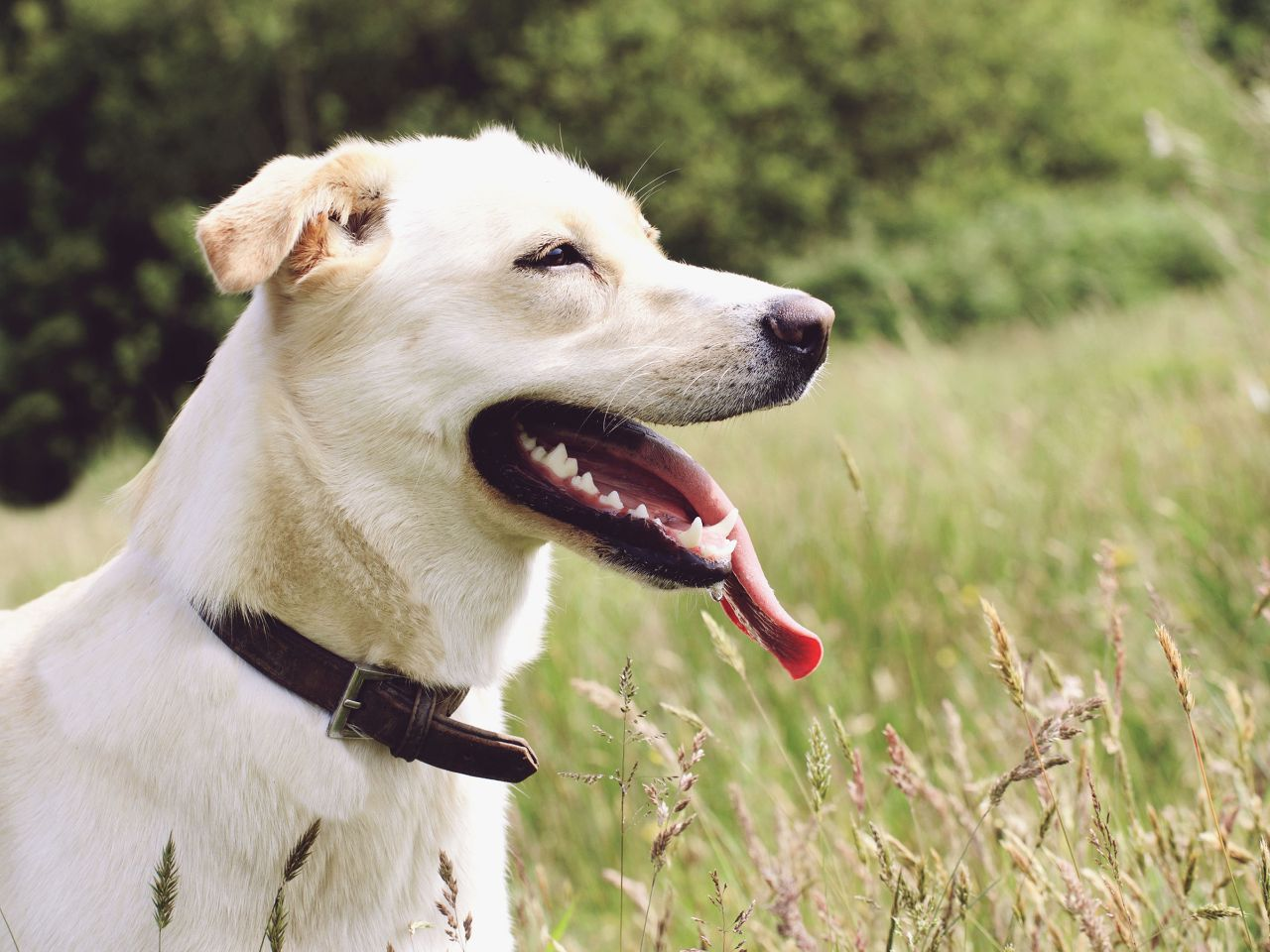
Panting after activity can be normal, but panting that is unusually heavy, continues at rest or comes with distress needs attention. Look for several changes together rather than judging by one sign alone:
- Fast, heavy panting or noticeably difficult breathing.
- Excessive drooling and unusually red, pale or otherwise abnormal-looking gums.
- Reluctance to move, weakness, wobbliness or confusion.
- Vomiting, diarrhoea, collapse or seizures.
What to watch for in cats
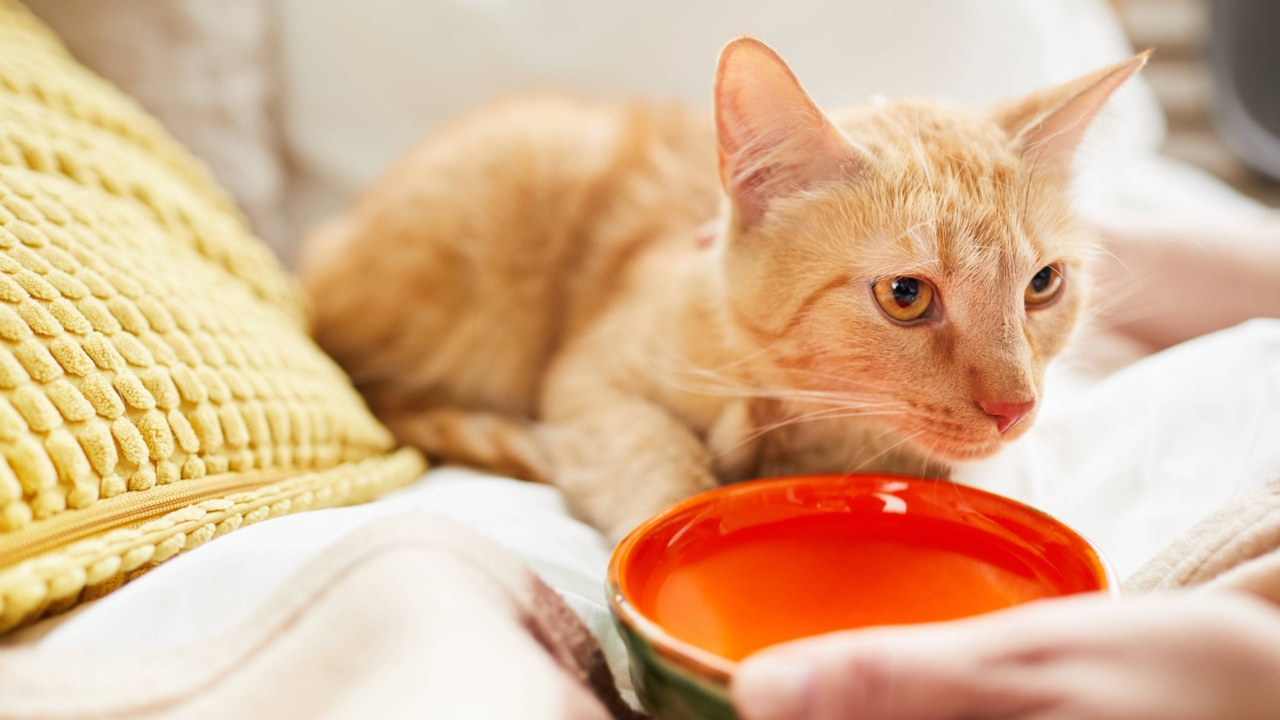
Cats may hide when unwell, so check on them during hot weather rather than assuming a quiet cat is comfortable. Rapid breathing, drooling, weakness, vomiting or unusual restlessness can signal trouble. Open-mouth breathing or panting in a cat warrants urgent veterinary contact, whether or not heat is the cause.
Collapse, seizures, severe breathing difficulty or reduced responsiveness are emergencies. Contact your vet or the nearest emergency clinic immediately. Do not wait to see whether shade or a drink fixes the problem.
Why pets overheat
Heat can build up during exercise, in humid weather or in a space with poor ventilation. A parked car, conservatory, shed or sunny room can become dangerous even when the day does not feel especially hot to you. Check that a cat has not been accidentally shut into a warm room or outbuilding.
Flat-faced dogs and cats, older pets, overweight pets and those with breathing or other health problems need extra care. Thick coats can also make hot conditions harder to manage. Any dog or cat can overheat, so avoid treating a breed, coat type or fitness level as protection.
How to help your pet cool down safely
Suspected heatstroke needs urgent veterinary care. Begin cooling promptly while someone calls the clinic. If you are alone, call on speaker as you start and follow the clinic's instructions about transport.
- Stop exercise and move your pet to shade or a cooler, well-ventilated area.
- Gently wet their body with cold tap water, keeping water away from the nose and mouth. With cats, use gentle handling and avoid creating a struggle.
- Create airflow with a fan or air conditioning where possible.
- Offer drinking water if your pet is alert and able to drink. Do not force water into their mouth.
- Arrange immediate veterinary assessment, even if they seem to improve. Continue following the clinic's cooling and transport advice.
Do not wrap or cover your pet in a wet towel, as it can trap heat. Do not delay cooling while searching for lukewarm water. A fountain, food topper or cooling mat is not a substitute for first aid or veterinary treatment.
Hot-day prevention tips
Adjust activity to the conditions
Choose cooler parts of the day for dog walks, shorten outings and avoid strenuous games when it is warm or humid. Early or late does not automatically mean safe: check the conditions and your dog's response. Check surfaces too, and read our hot pavement safety guide before heading out.
Make cooler spaces easy to reach
Give pets a choice of shaded, ventilated resting places and a way to move away from direct sun. Keep cats' window access secure rather than opening an unprotected window for a breeze. Never leave a pet in a parked vehicle, even with the windows partly open.
Keep water fresh and accessible
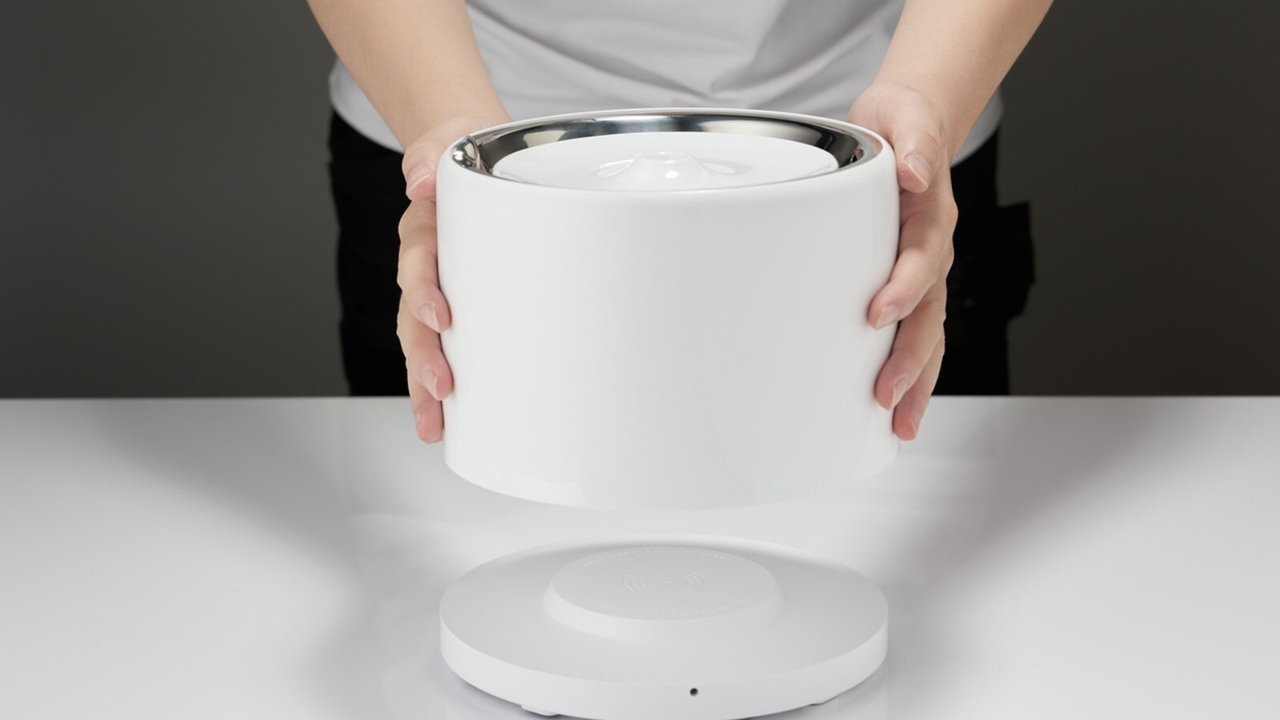
Provide clean water in more than one familiar spot and check supplies throughout the day. Empty, wash and refill containers regularly. Automatic dispensers and fountains still need checks and cleaning. For cat-specific ideas, see how to help your cat drink more water.
Cool comforts for cats and dogs
Everyday summer options include:
These accessories are not a treatment for overheating.
Frequently asked questions
Does panting always mean a dog is too hot?
No. Dogs can pant after activity or when excited. Unusually heavy panting, panting that does not settle at rest, or panting with weakness or distress needs prompt attention.
Is it normal for a cat to pant in summer?
Do not assume it is normal. Open-mouth breathing or panting in a cat needs urgent veterinary advice, particularly during hot weather or if your cat seems weak or distressed.
Can an indoor cat overheat?
Yes. Sunny rooms and poorly ventilated spaces can become too hot. Check closed rooms and outbuildings, provide cooler retreat areas and keep fresh water available.
Should I cover my overheated pet with a wet towel?
No. Covering or wrapping can trap heat. Use tap water on the body, keep water away from the nose and mouth, create airflow and contact a vet immediately.
Can a cooling mat prevent heatstroke?
Do not rely on one for protection. A mat can be an everyday comfort option, but shade, ventilation, water and suitable activity remain essential. Suspected heatstroke requires urgent veterinary care.
What if my pet seems better after cooling?
Still follow the vet's advice and arrange assessment if heatstroke was suspected. Looking brighter does not confirm that the danger has passed.
Plan for a more comfortable summer
Keep water, shade and cooler resting spaces ready before a hot day arrives. Browse practical summer accessories for everyday use, and keep your vet's contact details handy.